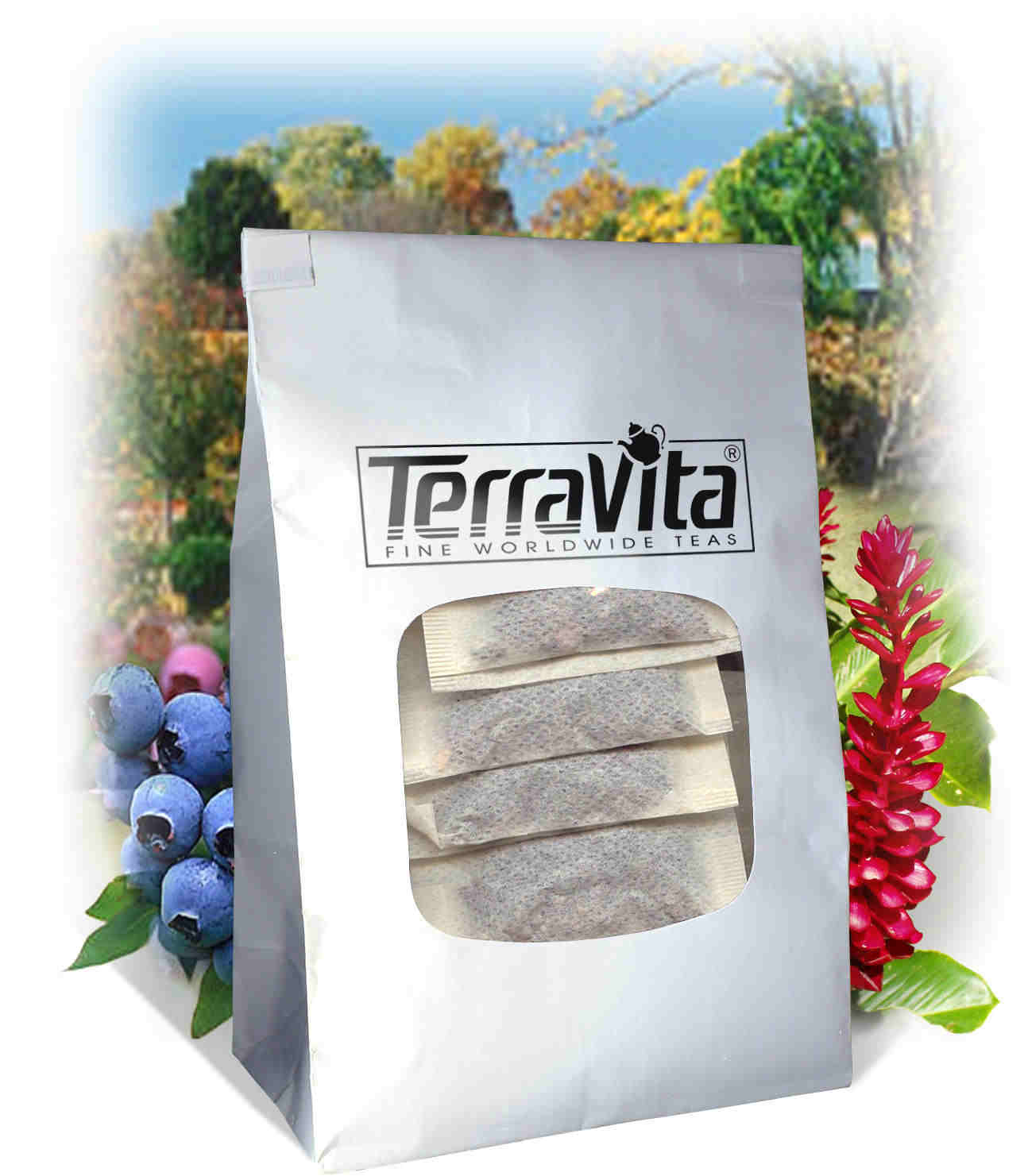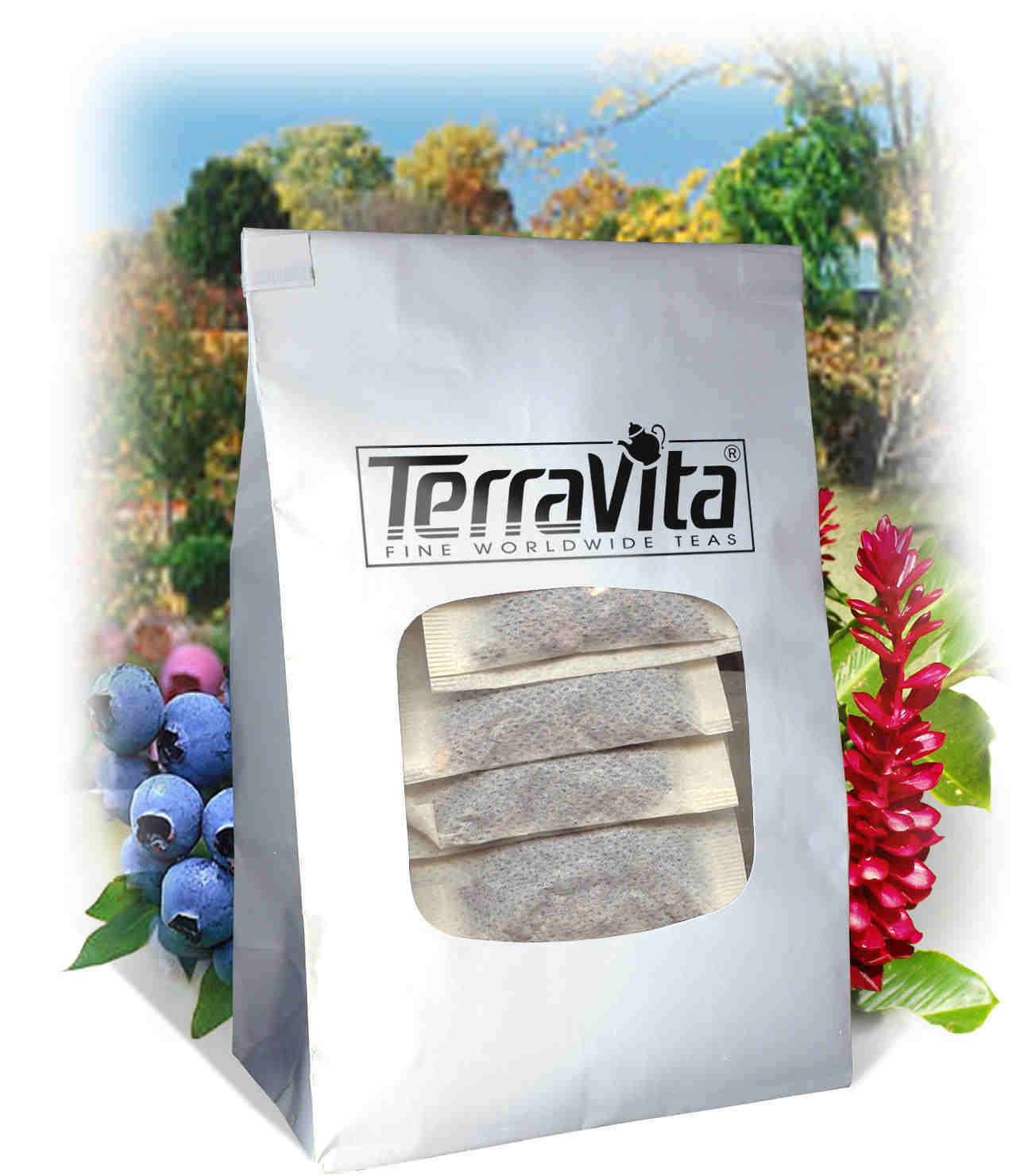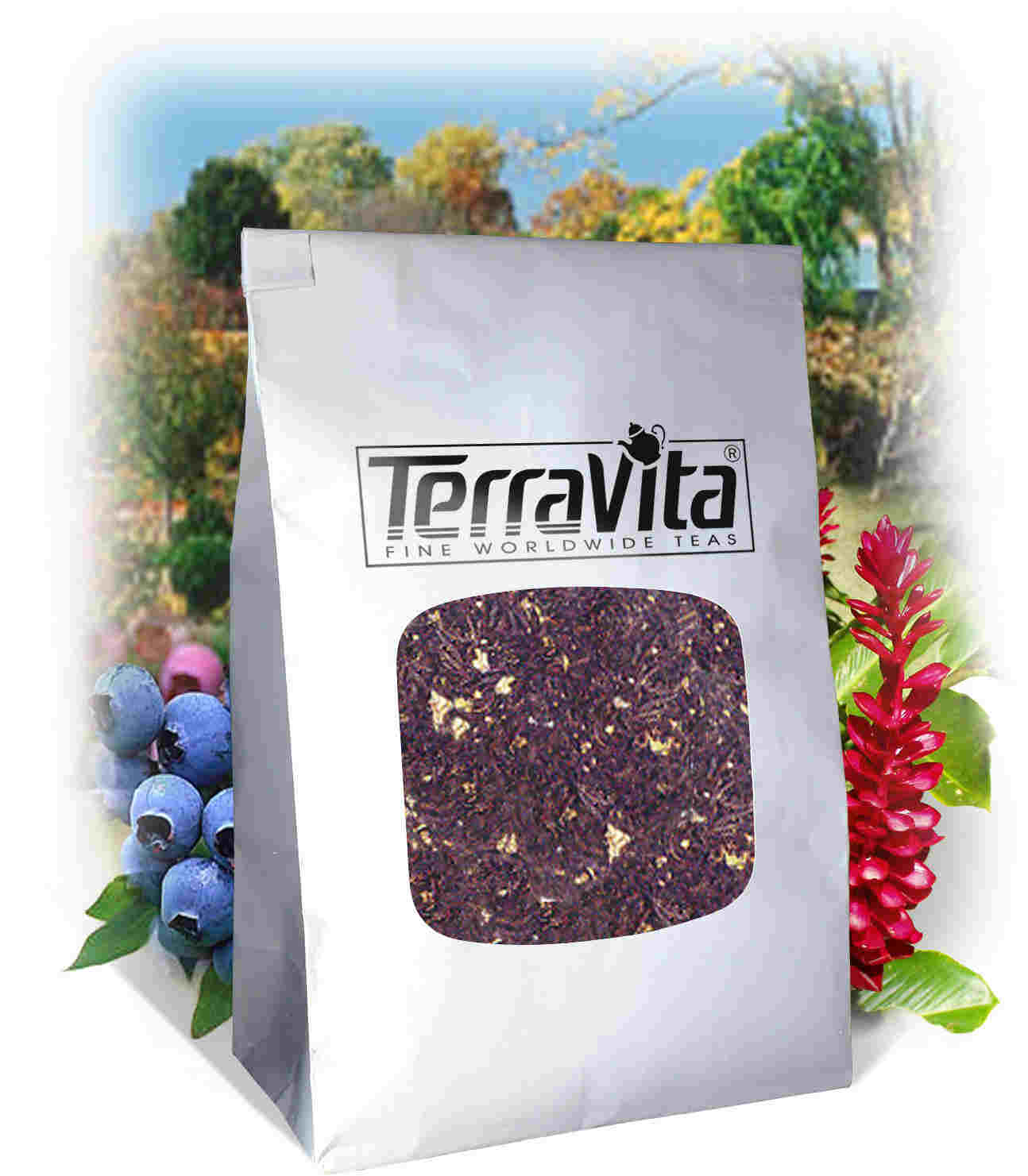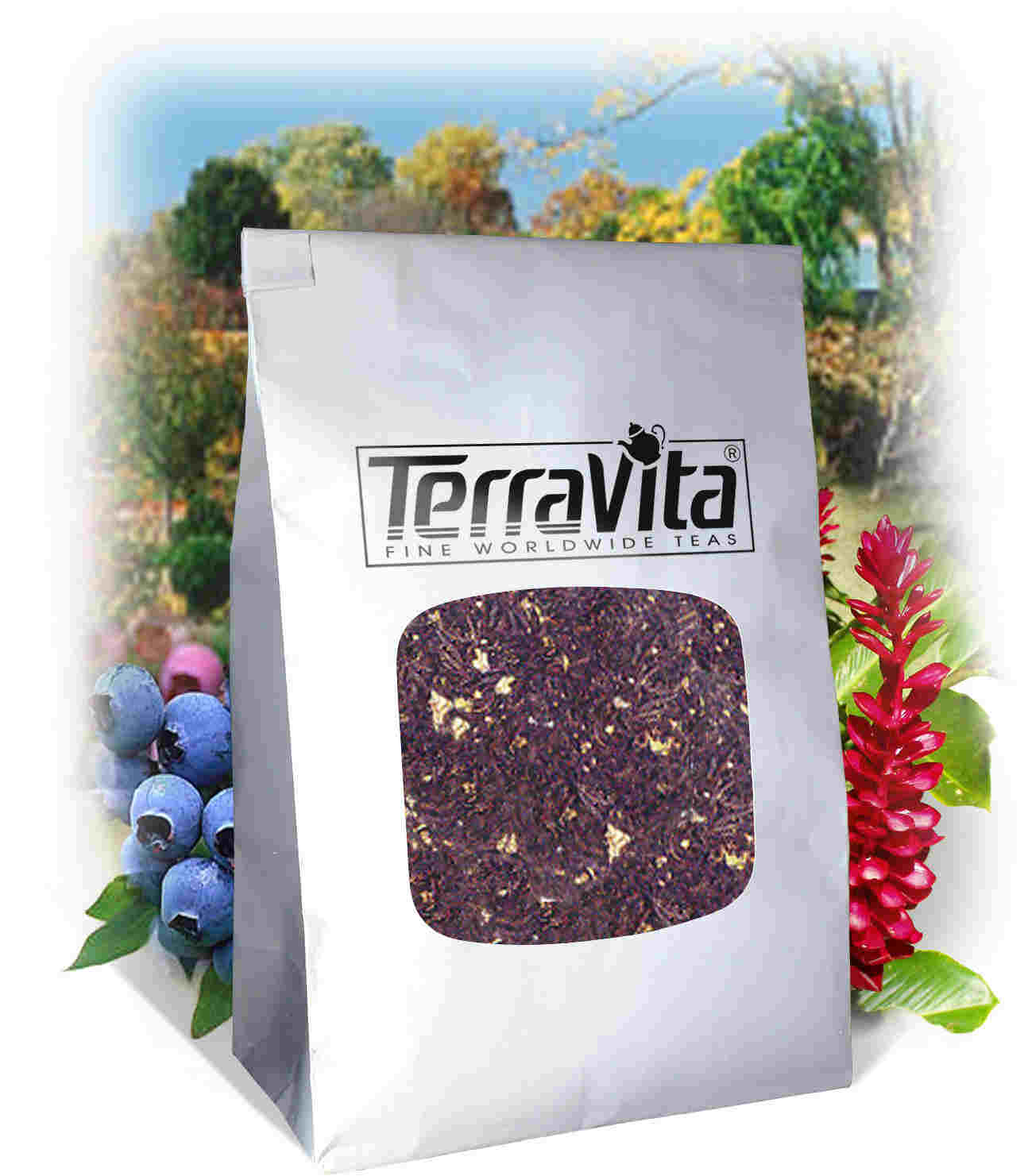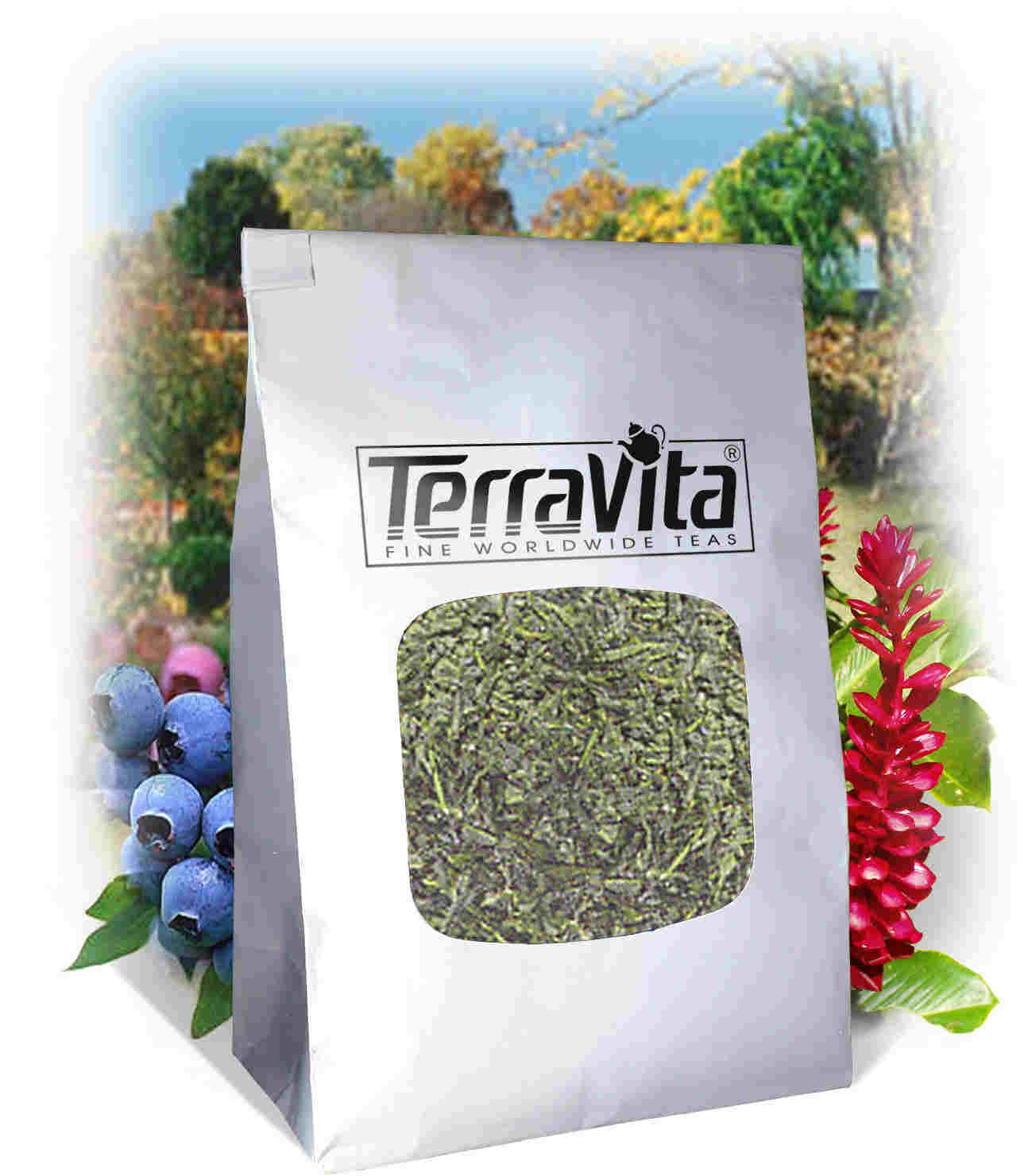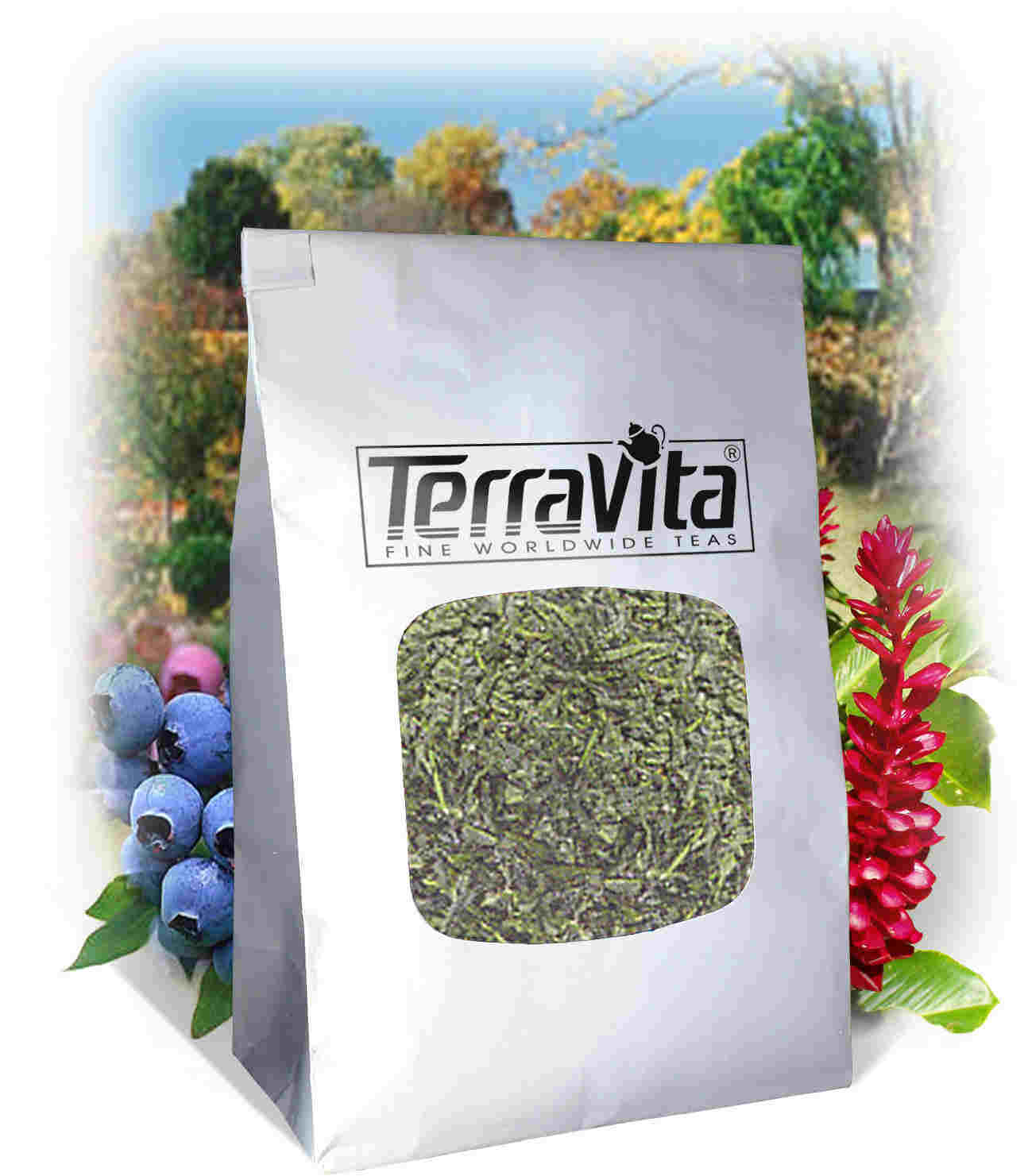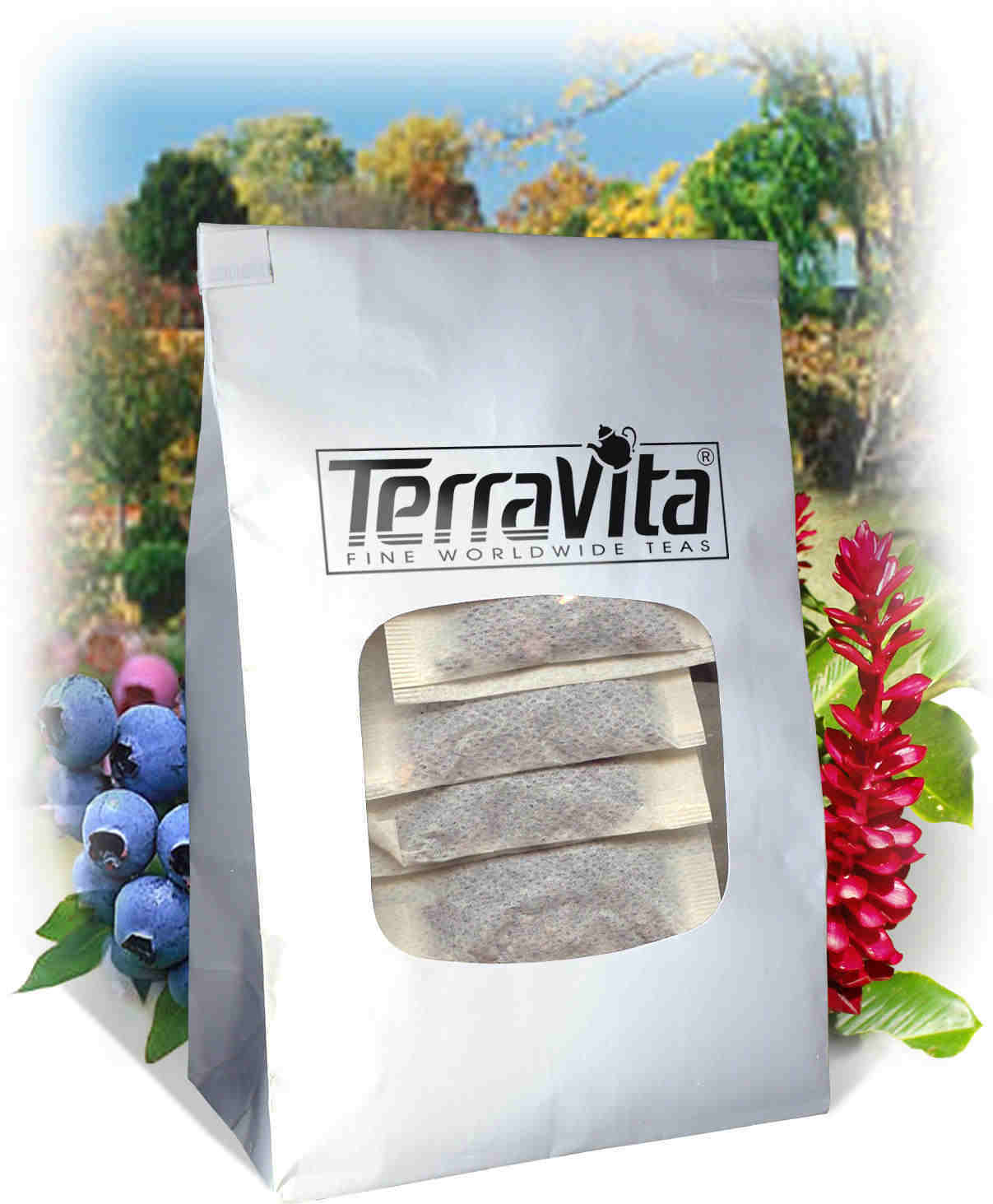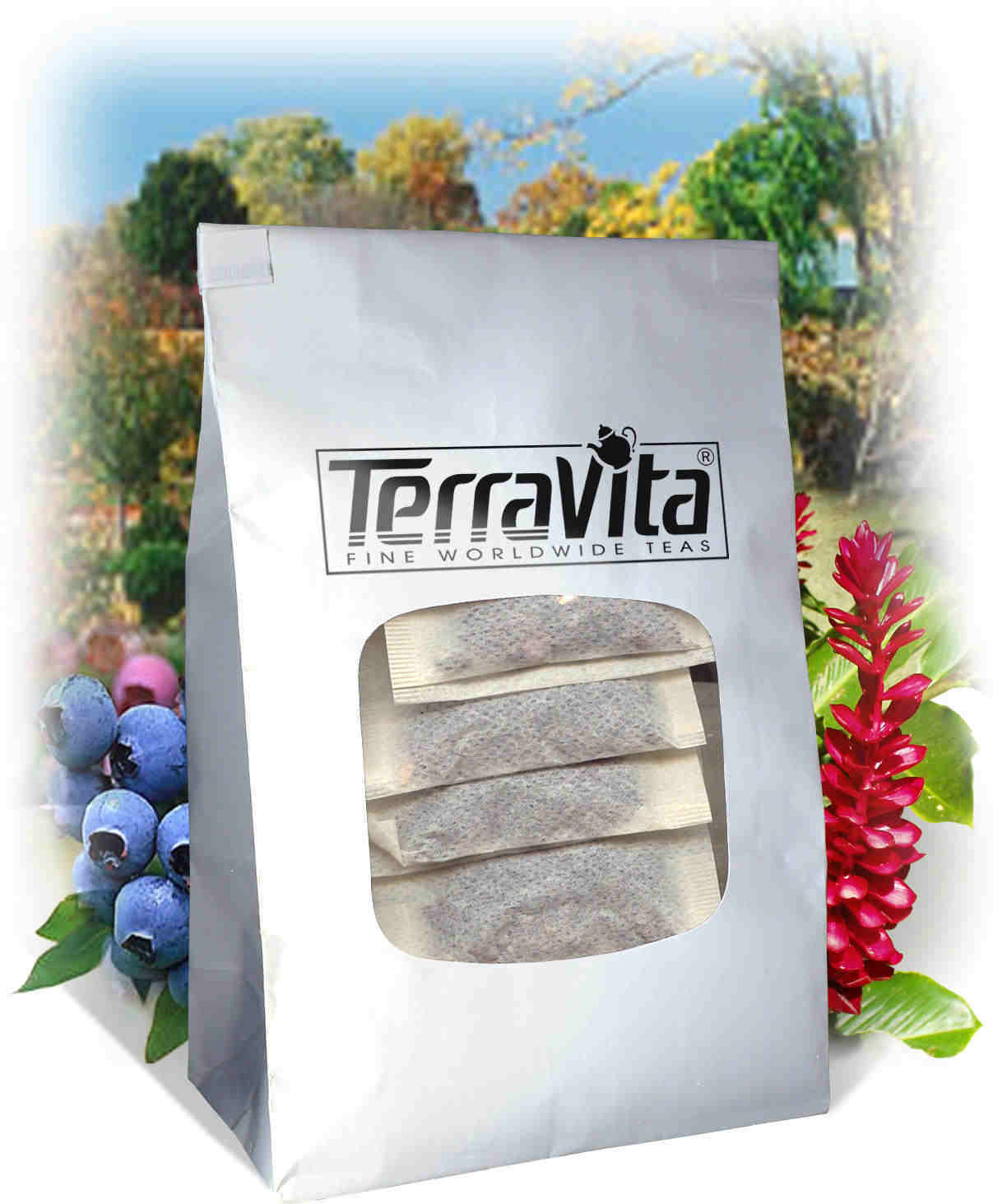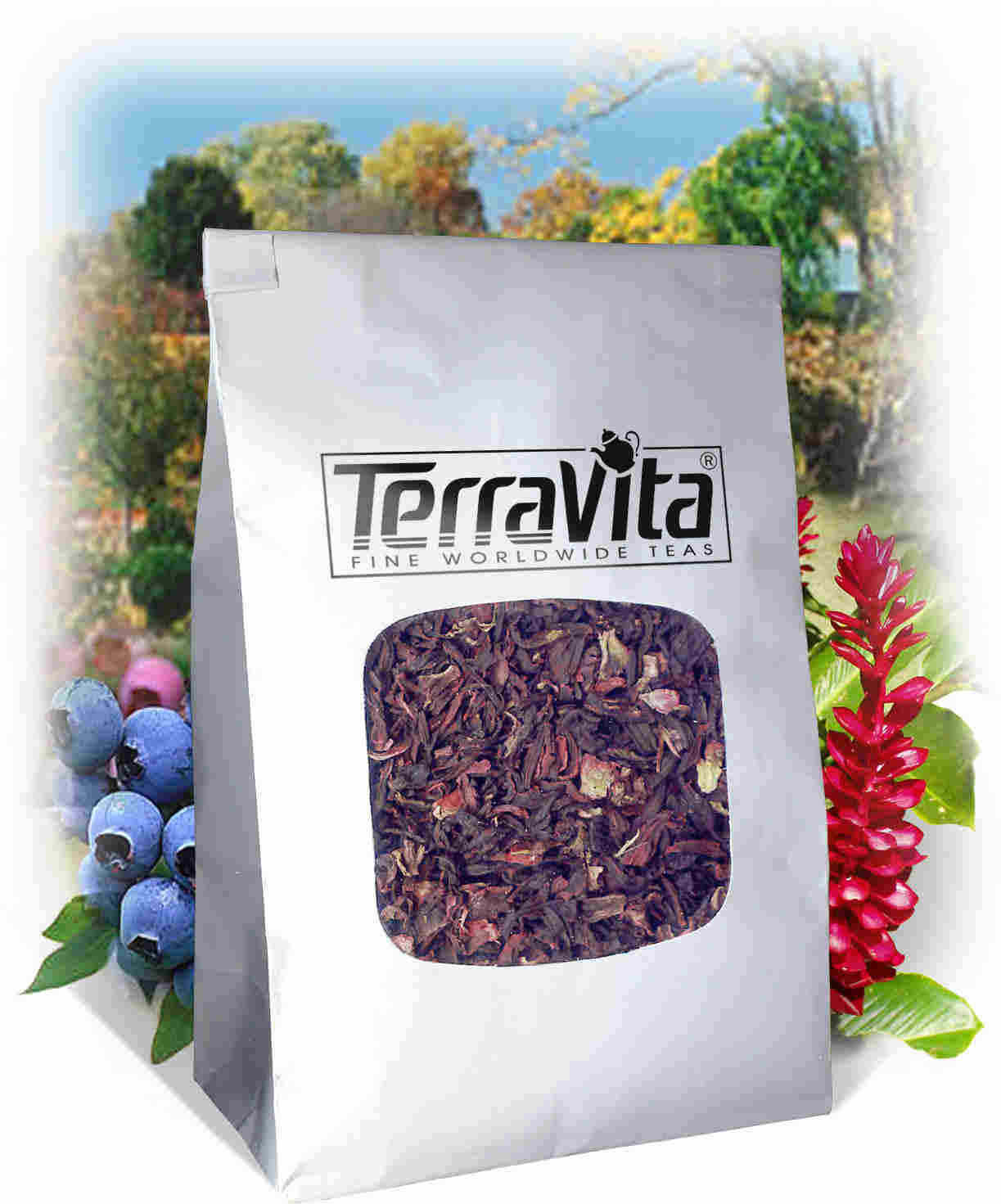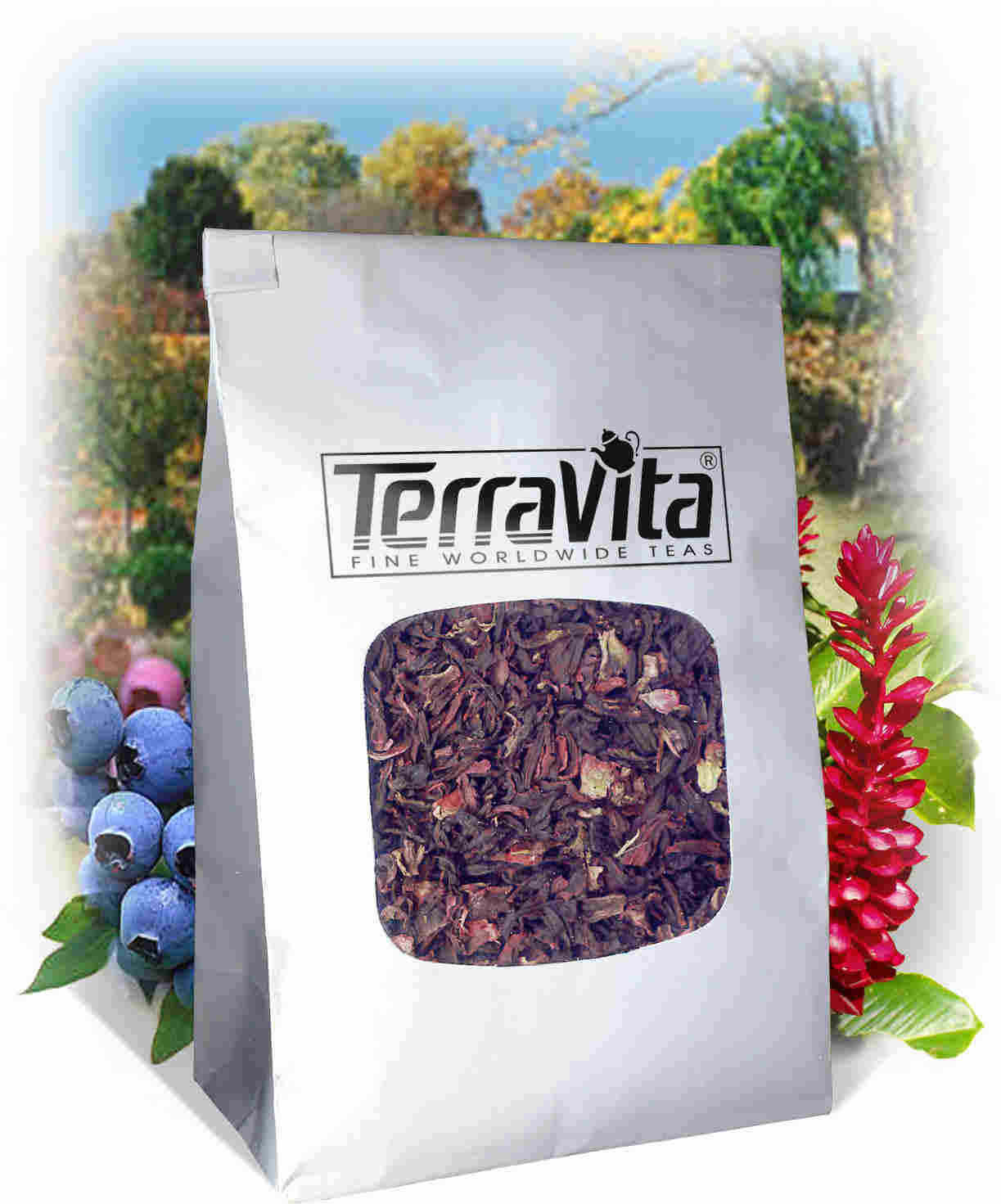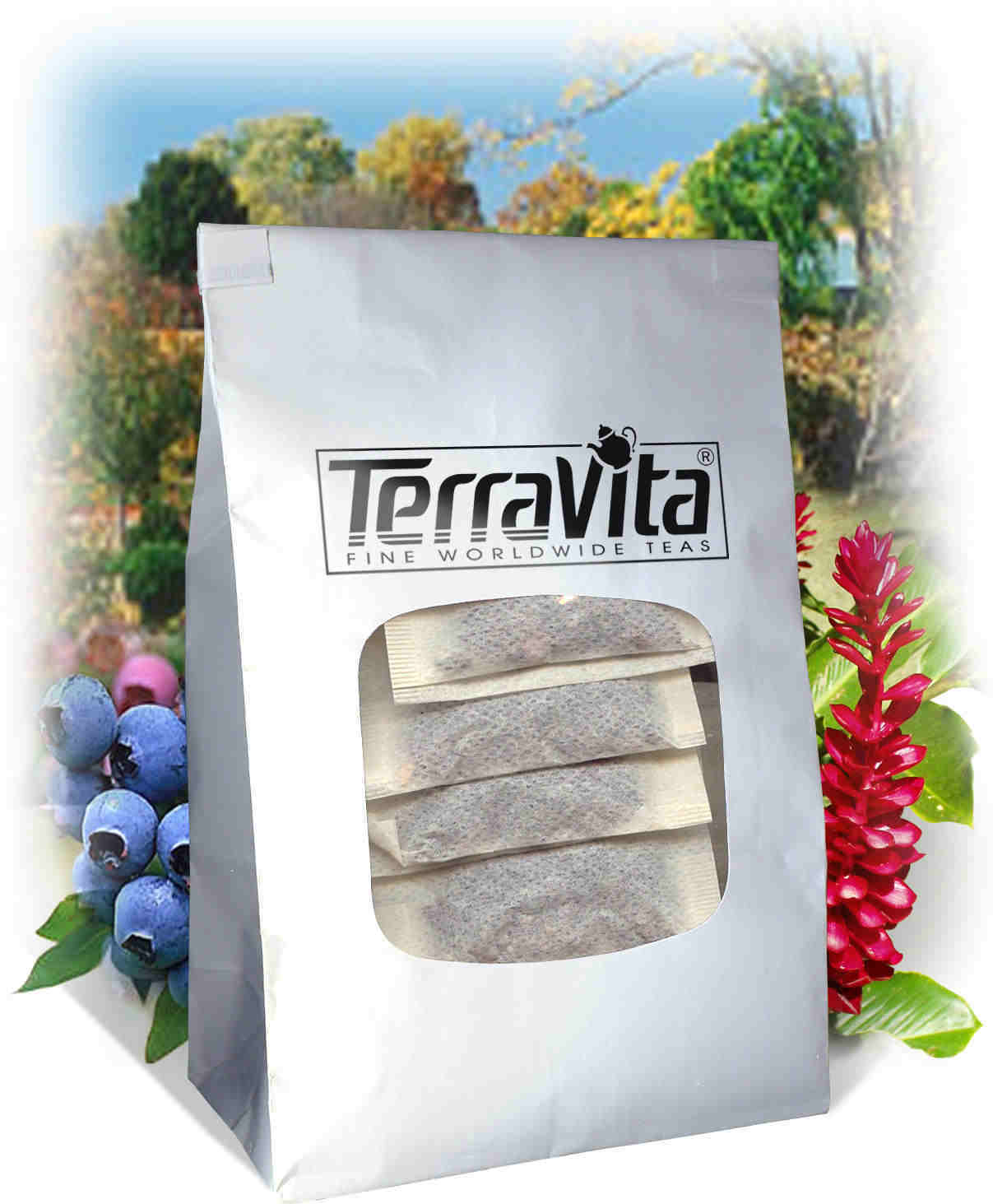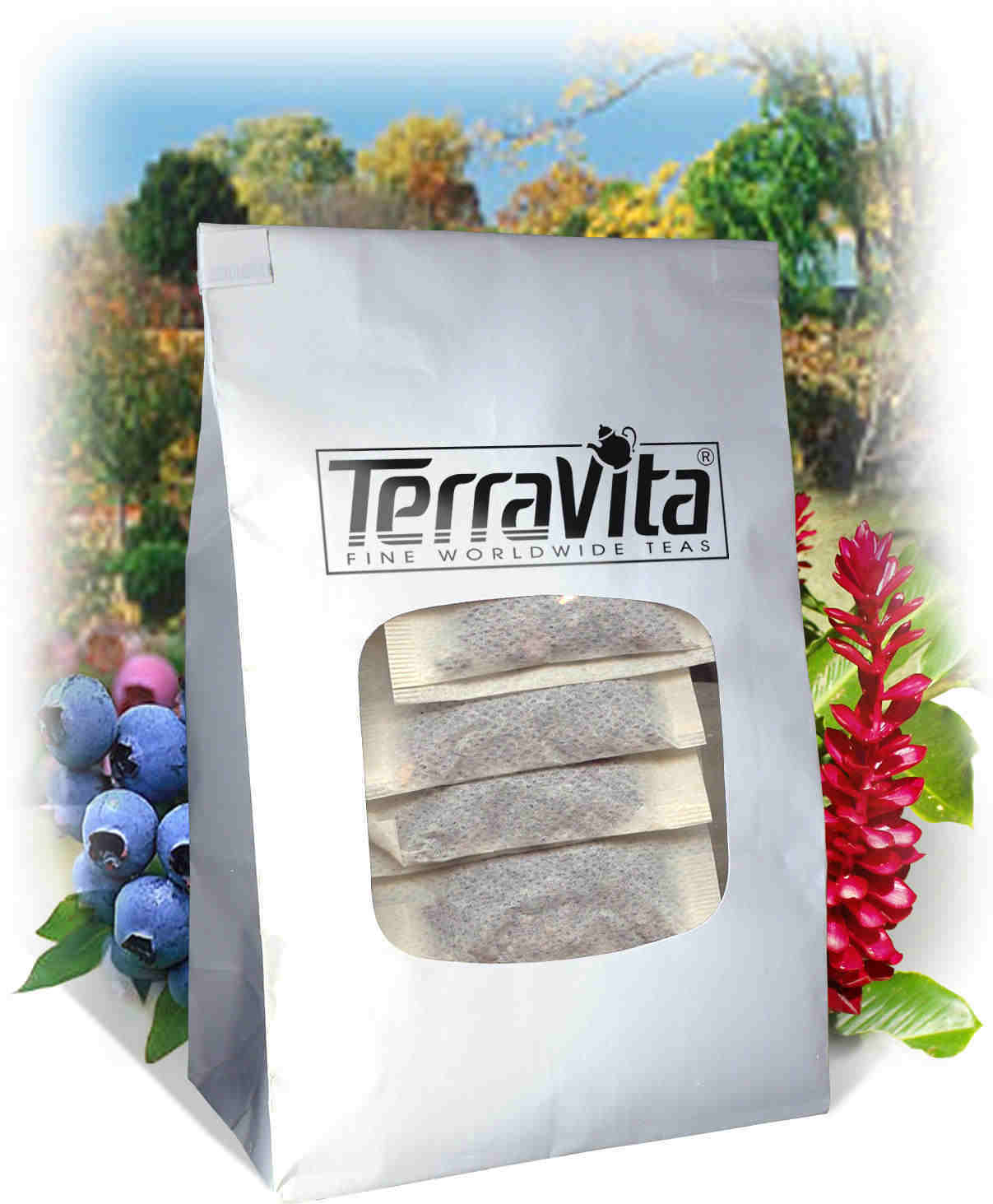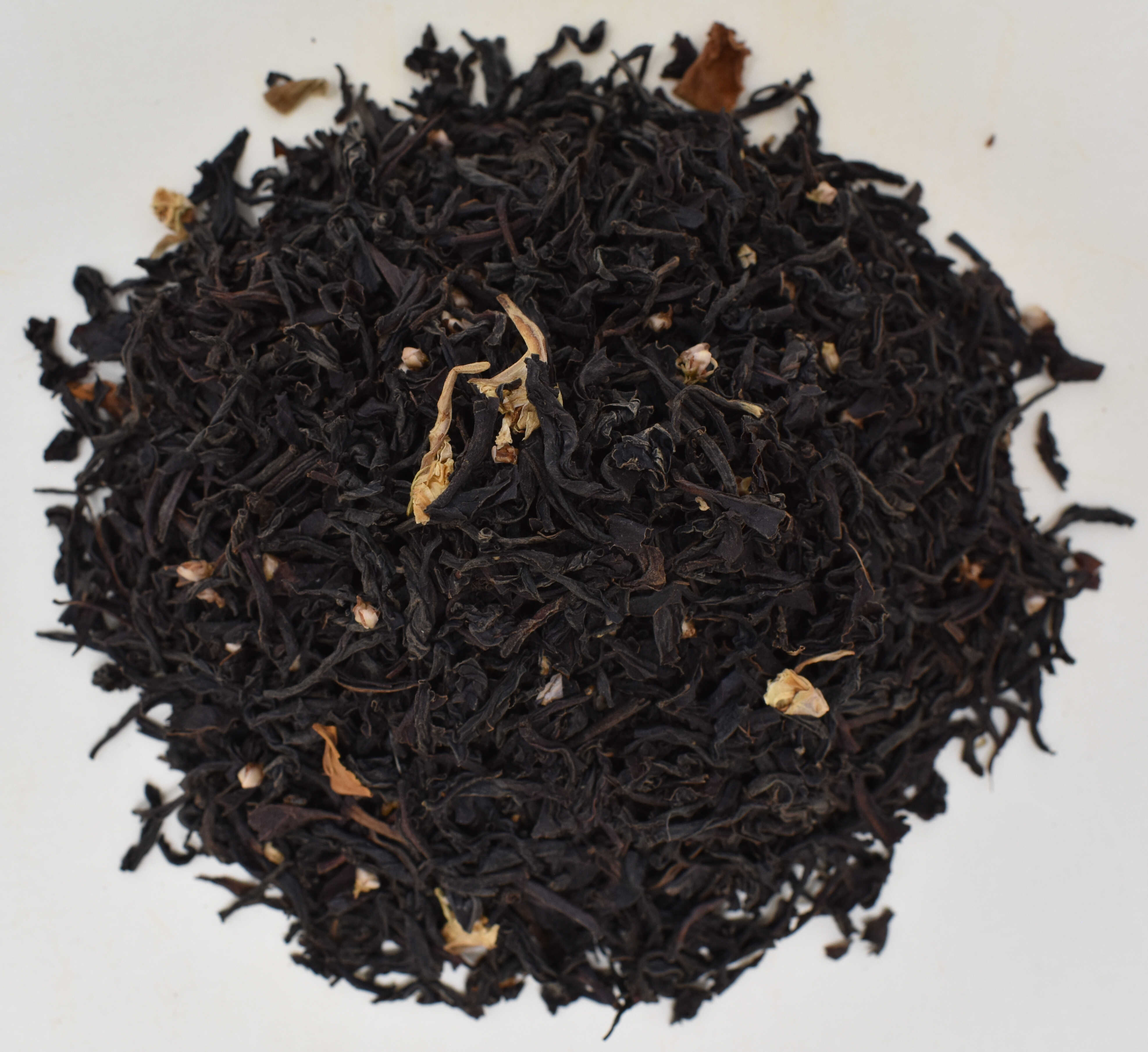
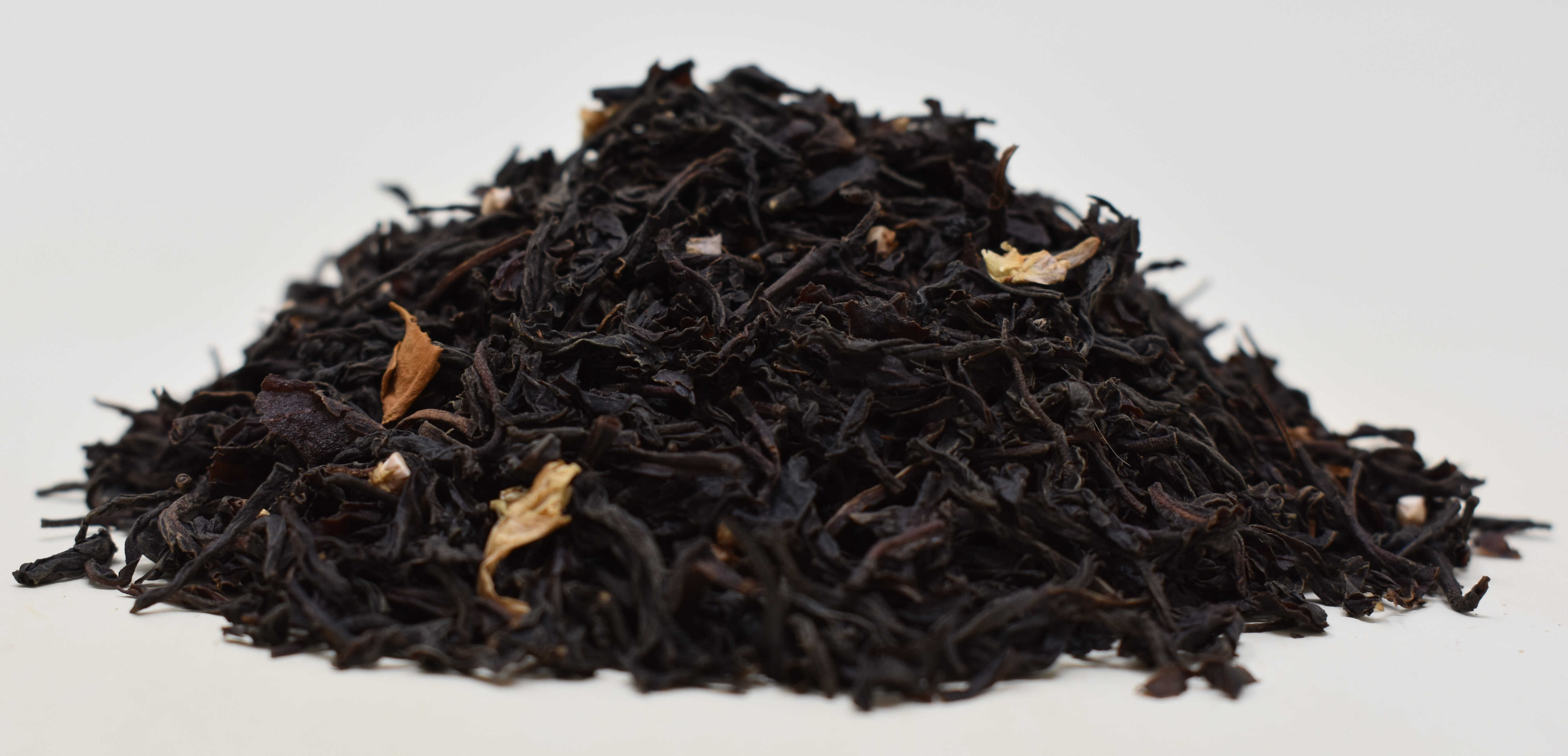

Arctic Raspberry
| Images | Product Name | Size | ZIN | Price | Quantity | Add to Cart |
| Arctic Raspberry Tea | 25 tea bags | 426920 | $28.28 | |||
| 50 tea bags | 426921 | $45.63 | ||||
| Arctic Raspberry Tea (Loose) | 4 oz | 426918 | $29.97 | |||
| 8 oz | 426919 | $50.91 |
Firstly...we only use high grown teas from the top 3 tea growing regions of Sri Lanka - Nuwara Eliya, Dimbula and Uva. These three high-grown districts produce flavorful teas that have classic "Ceylon" tea character which is noted by floral bouquet and flavor notes, touches of mild astringency, bright coppery color and, most importantly - perfect for use as the base tea of our flavored teas. (We have tested teas from various other origins around the world as base stock for our flavored teas, but none of these teas made the grade. We may pay more for high grown Ceylons, but the taste is worth it).
Dimbula and the western estates of Nuwara Eliya have a major quality peak during Jan/Feb, whereas Uva and the eastern estates of Nuwara Eliya have their peak in July/Aug. This "dual peak period" allows us to buy the best for our flavored tea blends several times during the year, ensuring top quality and freshness.
Secondly...we use flavoring oils not crystals to give the tea drinker an olfactory holiday before indulging in the liquid tea delicacy.
Thirdly...we specify natural flavors. High quality tea tastes good and natural flavors do not mask the natural taste of the high grown Ceylon tea. (The norm for many making flavored tea is to use overpowering artificial flavors which can be used to hide lower quality tea). Natural flavors do not leave an aftertaste giving the tea a clean and true character. It should be noted that natural flavors tend to be somewhat "soft" and the flavors slightly muted, but for many this is a refreshing change and one of the desired attributes of our naturally flavored teas.
Now you can sit back and enjoy the fruits of our labor (or should we say flavor) knowing that we have formulated the best flavored teas that are available.
ZooScape is proud to be the exclusive distributor of TerraVita teas, herbs and supplements in the United States, Canada and around the world. Please direct all wholesale and bulk inquiries to 1-844-449-0444.
These statements have not been evaluated by the Food and Drug Administration (FDA). Products are intended to support general well being and are not intended to treat, diagnose, prevent, or cure any condition or disease.
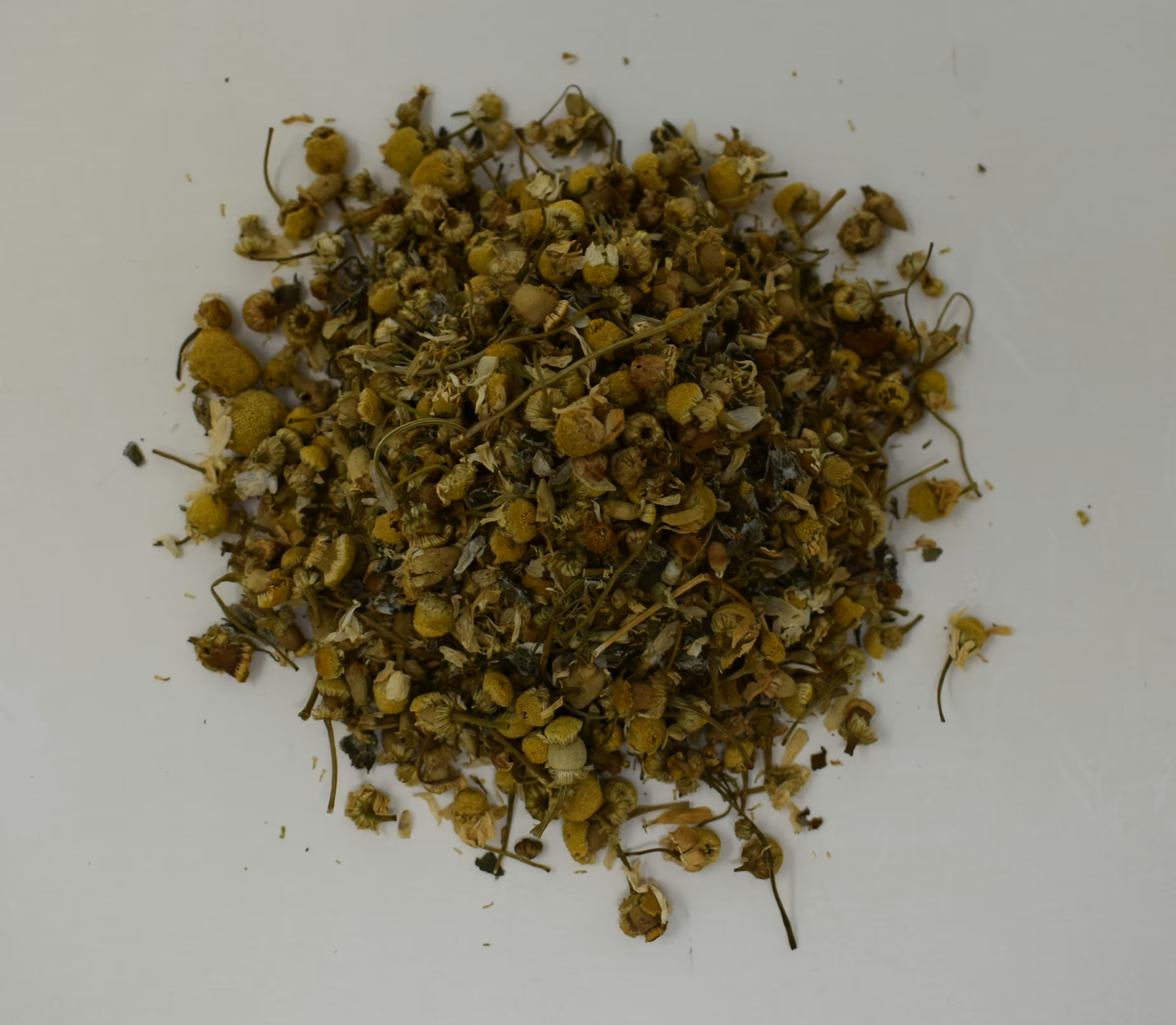
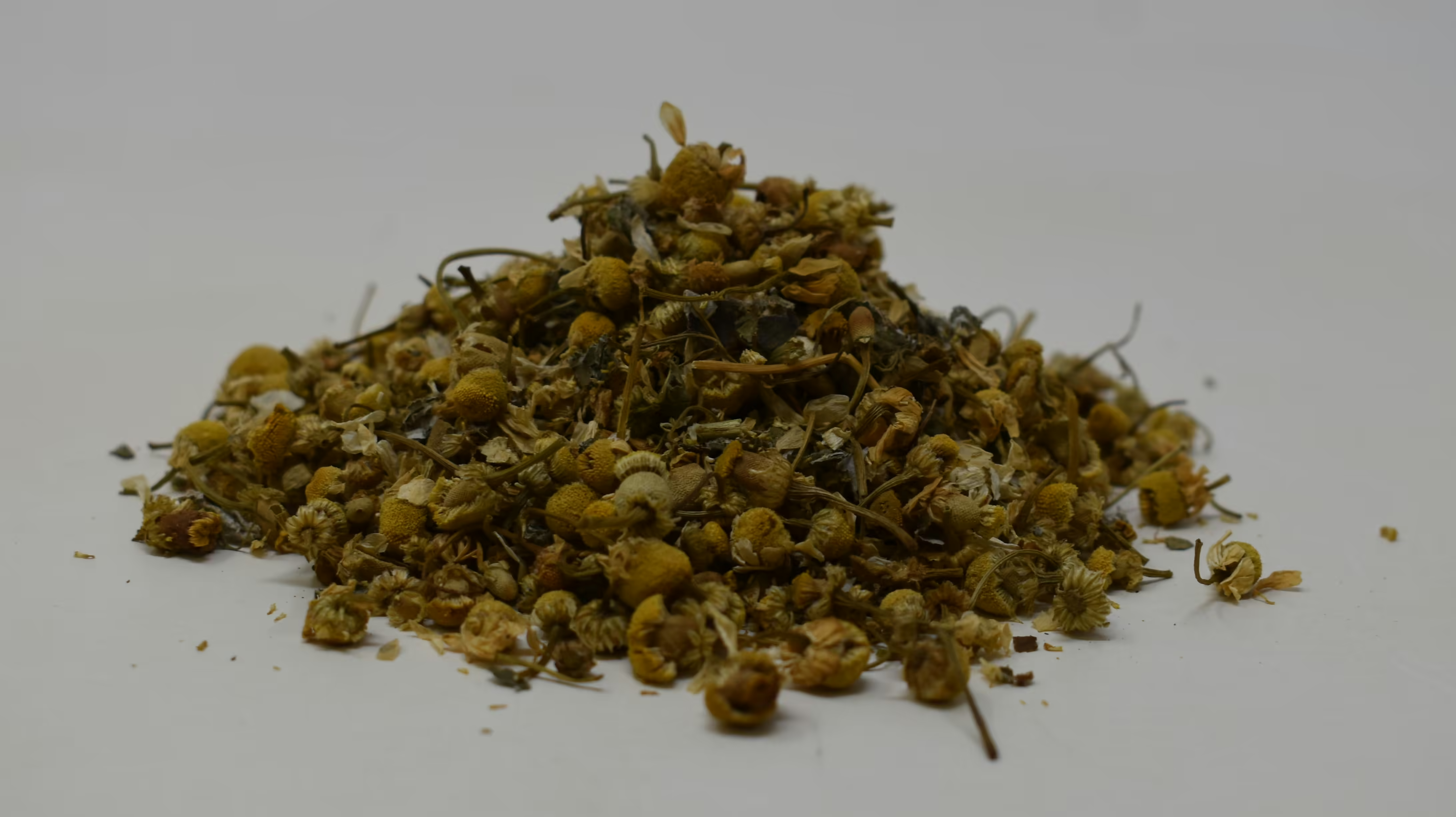
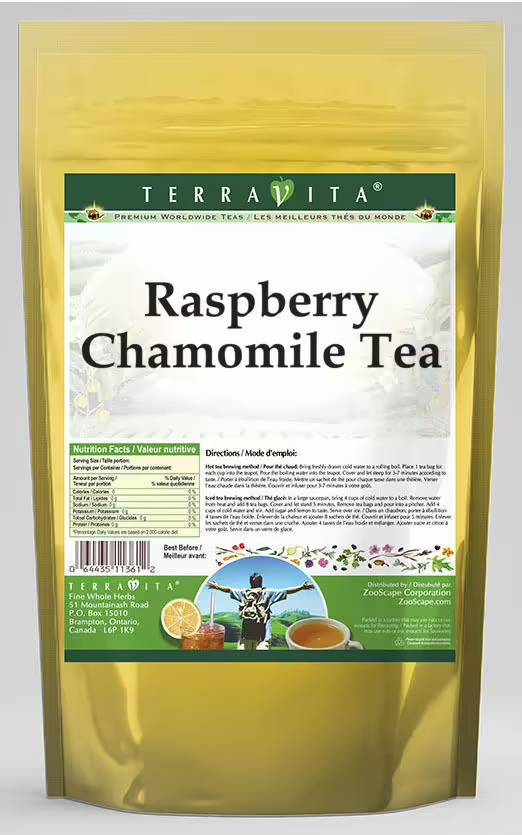
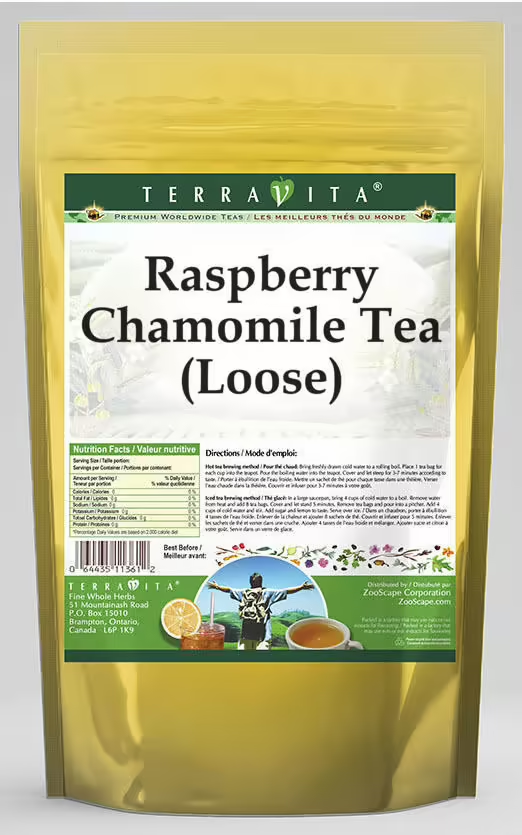
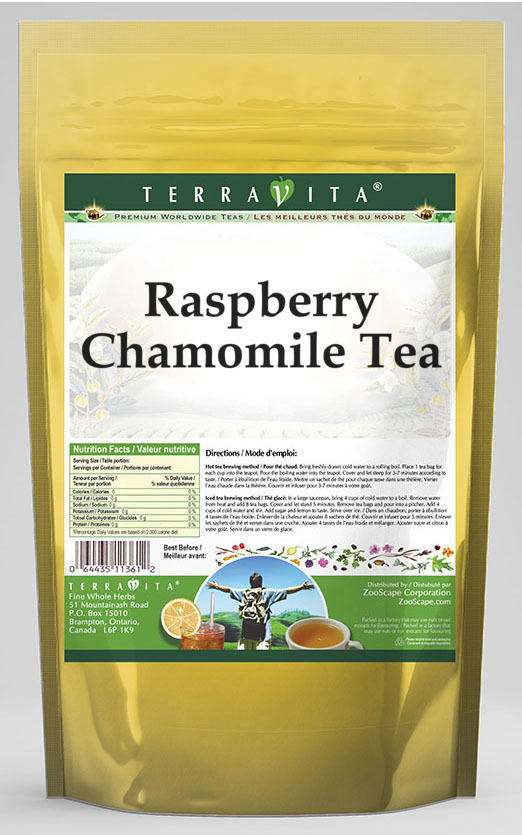
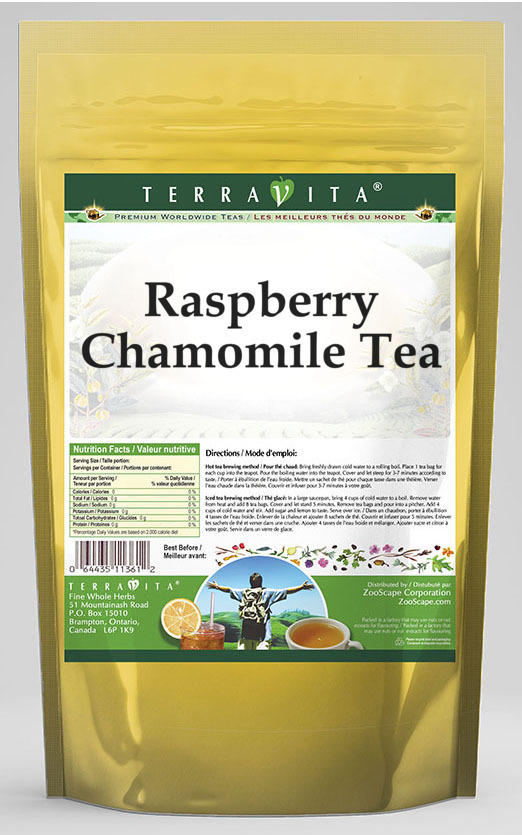
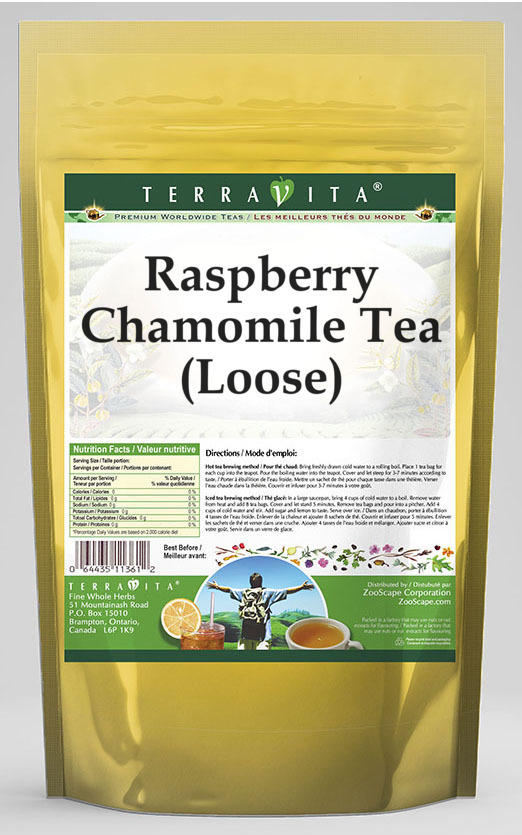
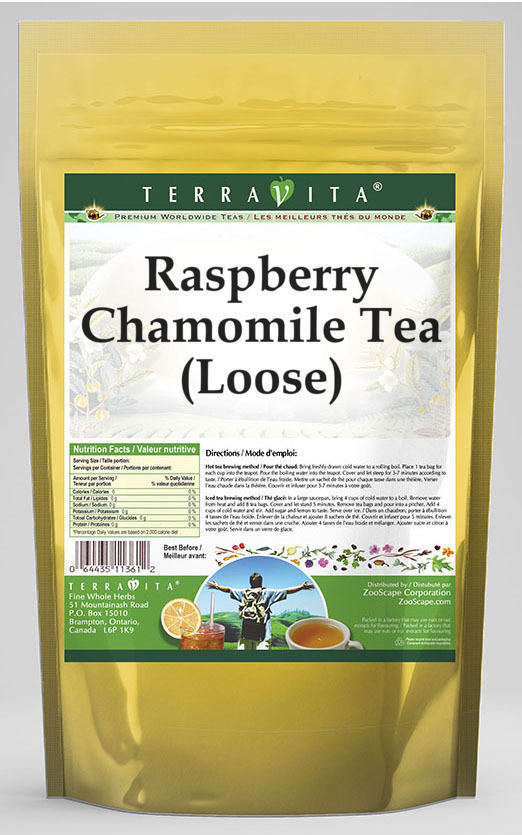
Raspberry Chamomile Tea
| Images | Product Name | Size | ZIN | Price | Quantity | Add to Cart |
| Raspberry Chamomile Tea | 25 tea bags | 530878 | $18.55 | |||
| 50 tea bags | 530879 | $30.98 | ||||
| Raspberry Chamomile Tea (Loose) | 4 oz | 530880 | $18.13 | |||
| 8 oz | 530881 | $29.36 |
TerraVita strives to make all of our products affordable and reliable and are constantly searching the market to maintain our affordability and to look for new ways to serve you and the ones you love. TerraVita has become a trusted household name for many families and can bring you and yours the very best herbal supplements, blends, teas and spices that are on the market today.
TerraVita is packed in tamper-proof, food-grade, recyclable containers.
ZooScape is proud to be the exclusive distributor of TerraVita teas, herbs and supplements in the United States, Canada and around the world. Please direct all wholesale and bulk inquiries to 1-844-449-0444.
These statements have not been evaluated by the Food and Drug Administration (FDA). Products are intended to support general well being and are not intended to treat, diagnose, prevent, or cure any condition or disease.
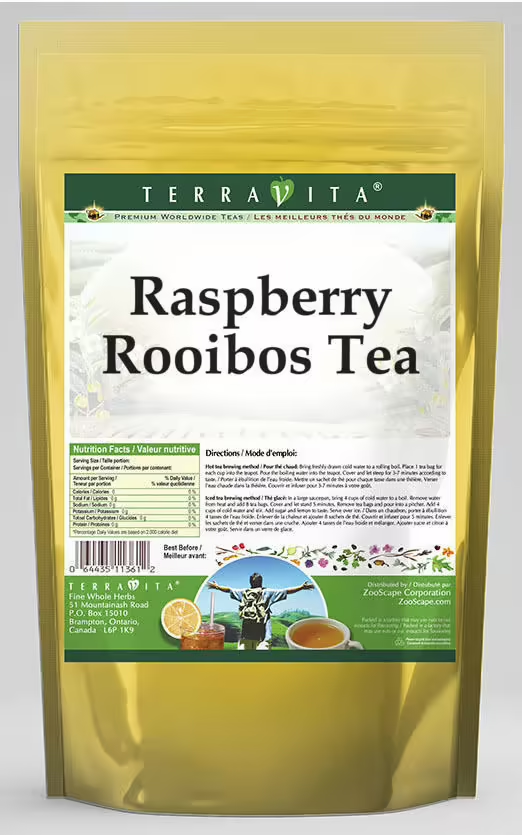
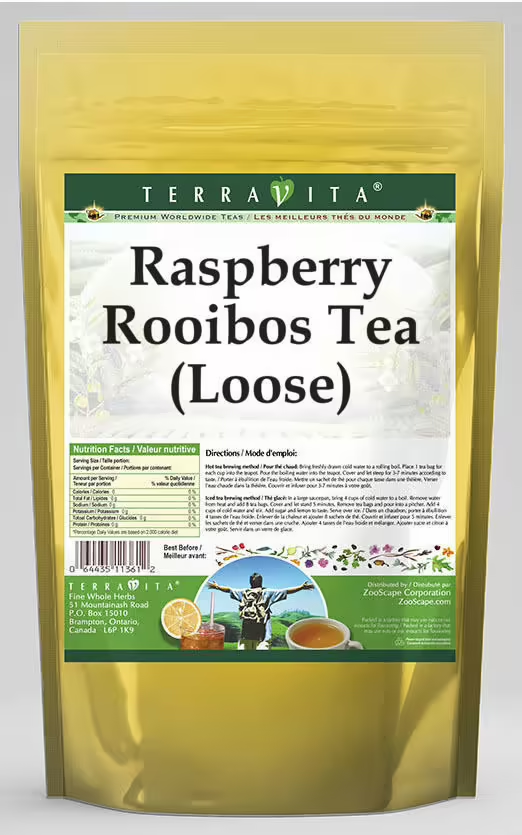
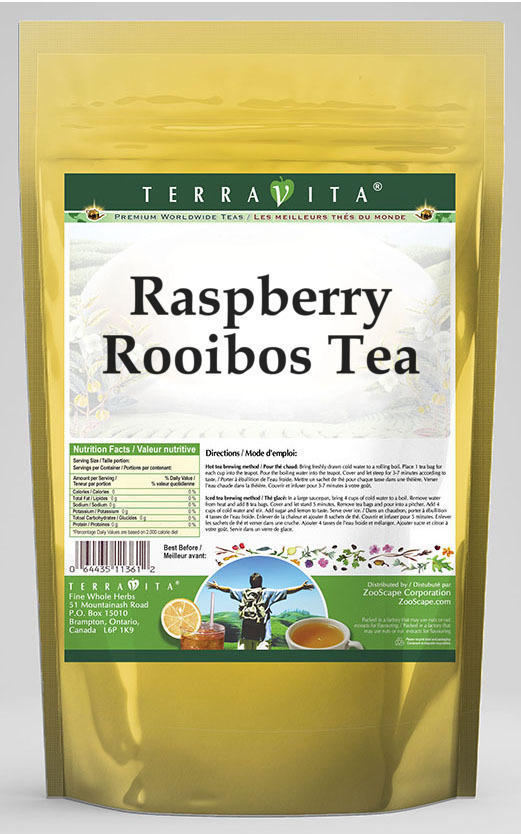
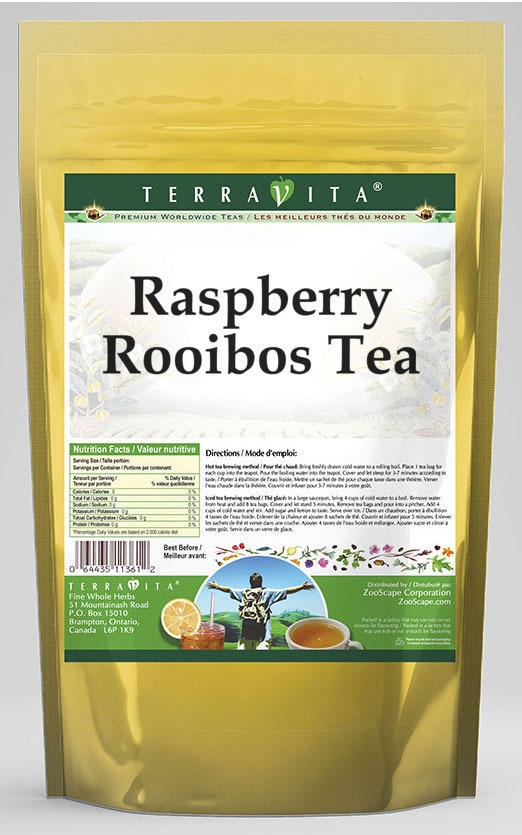
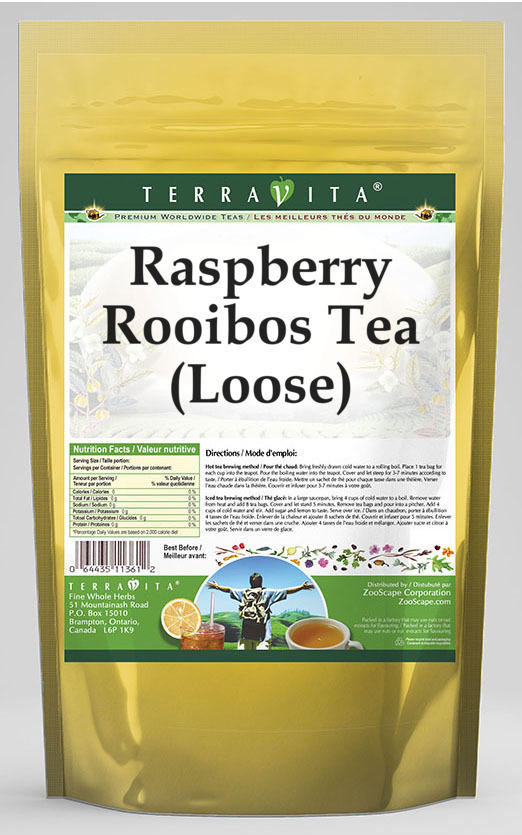
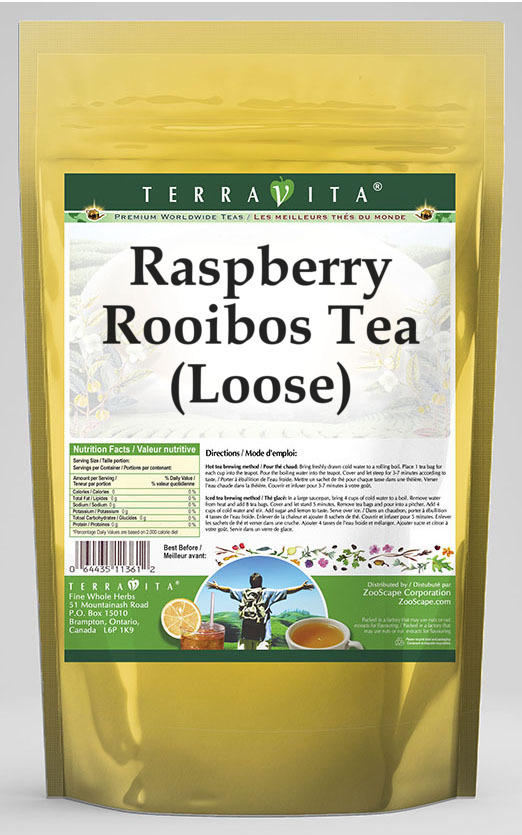
Raspberry Rooibos Tea
| Images | Product Name | Size | ZIN | Price | Quantity | Add to Cart |
| Raspberry Rooibos Tea | 25 tea bags | 530882 | $18.47 | |||
| 50 tea bags | 530883 | $30.83 | ||||
| Raspberry Rooibos Tea (Loose) | 4 oz | 530884 | $17.97 | |||
| 8 oz | 530885 | $29.13 |
TerraVita strives to make all of our products affordable and reliable and are constantly searching the market to maintain our affordability and to look for new ways to serve you and the ones you love. TerraVita has become a trusted household name for many families and can bring you and yours the very best herbal supplements, blends, teas and spices that are on the market today.
TerraVita is packed in tamper-proof, food-grade, recyclable containers.
ZooScape is proud to be the exclusive distributor of TerraVita teas, herbs and supplements in the United States, Canada and around the world. Please direct all wholesale and bulk inquiries to 1-844-449-0444.
These statements have not been evaluated by the Food and Drug Administration (FDA). Products are intended to support general well being and are not intended to treat, diagnose, prevent, or cure any condition or disease.
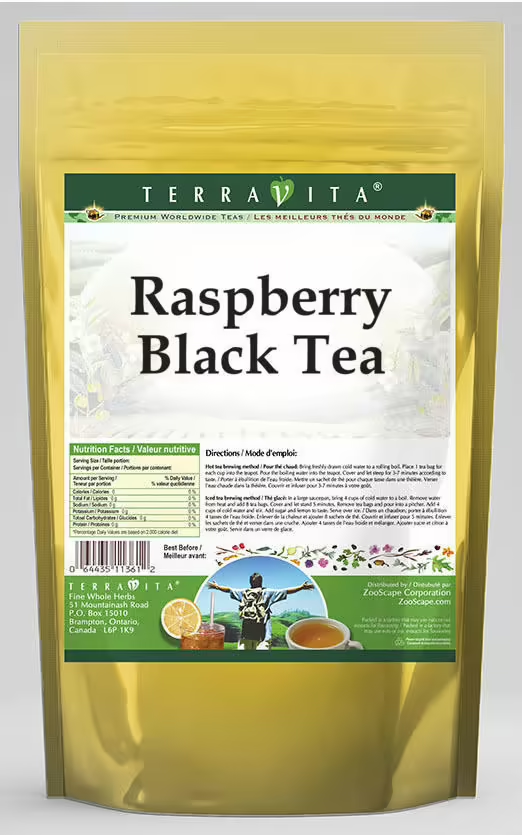
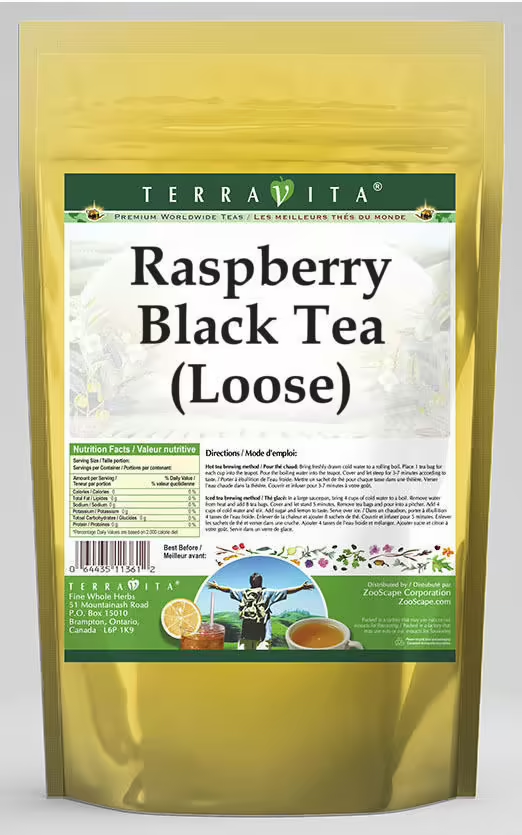
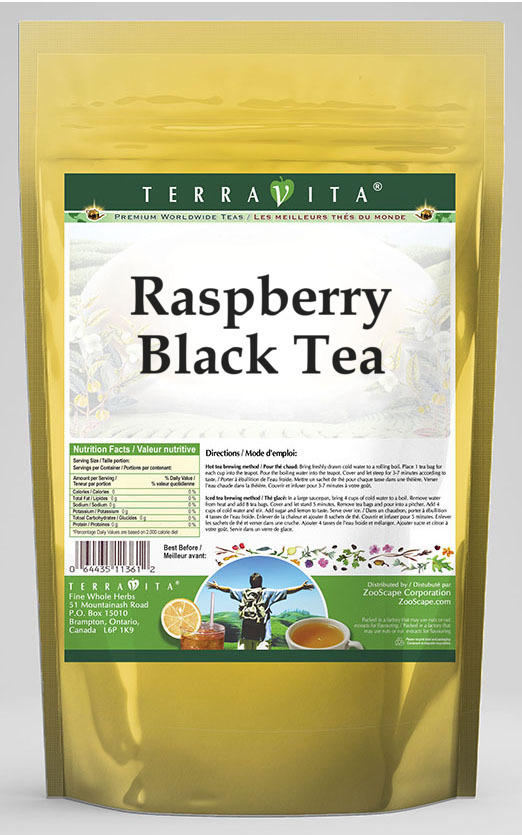
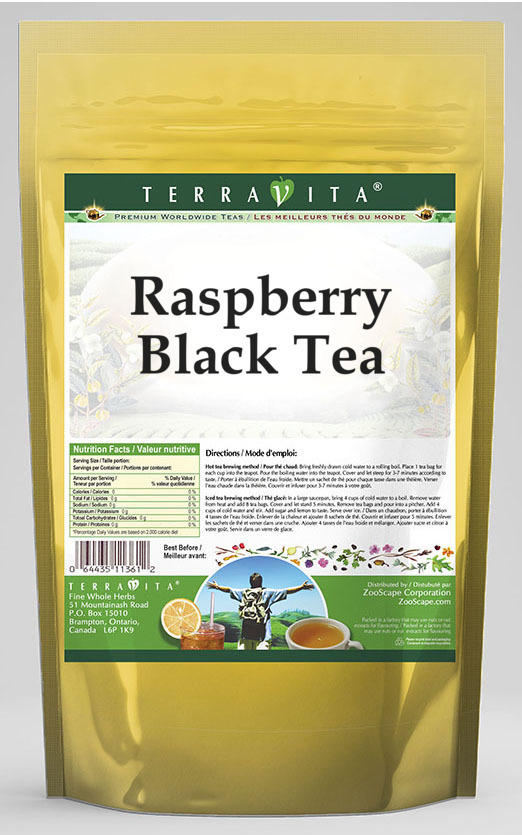
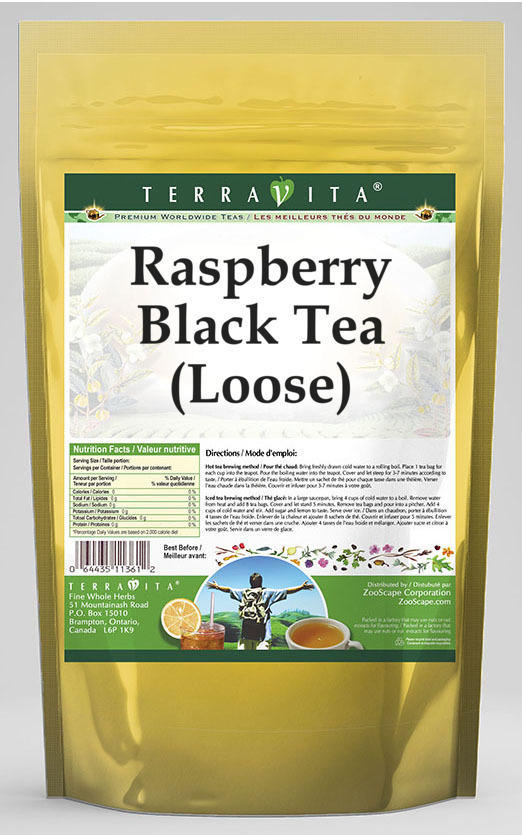
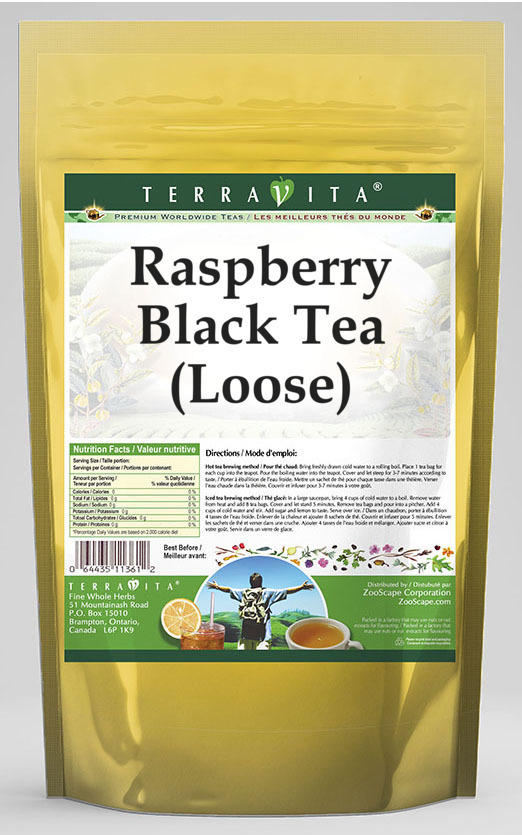
Raspberry Black Tea
| Images | Product Name | Size | ZIN | Price | Quantity | Add to Cart |
| Raspberry Black Tea | 25 tea bags | 530886 | $16.77 | |||
| 50 tea bags | 530887 | $27.61 | ||||
| Raspberry Black Tea (Loose) | 4 oz | 530888 | $15.32 | |||
| 8 oz | 530889 | $24.29 |
TerraVita strives to make all of our products affordable and reliable and are constantly searching the market to maintain our affordability and to look for new ways to serve you and the ones you love. TerraVita has become a trusted household name for many families and can bring you and yours the very best herbal supplements, blends, teas and spices that are on the market today.
TerraVita is packed in tamper-proof, food-grade, recyclable containers.
ZooScape is proud to be the exclusive distributor of TerraVita teas, herbs and supplements in the United States, Canada and around the world. Please direct all wholesale and bulk inquiries to 1-844-449-0444.
These statements have not been evaluated by the Food and Drug Administration (FDA). Products are intended to support general well being and are not intended to treat, diagnose, prevent, or cure any condition or disease.
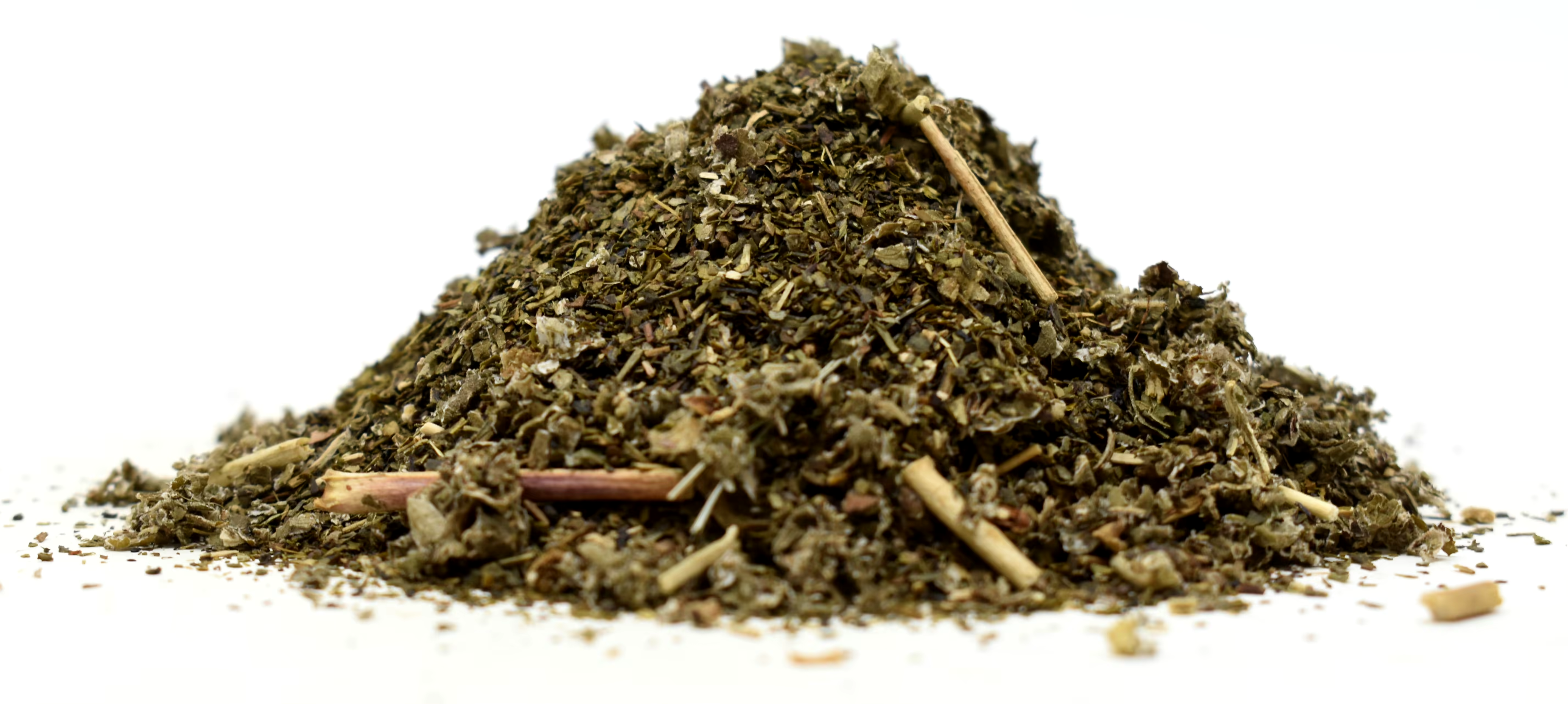
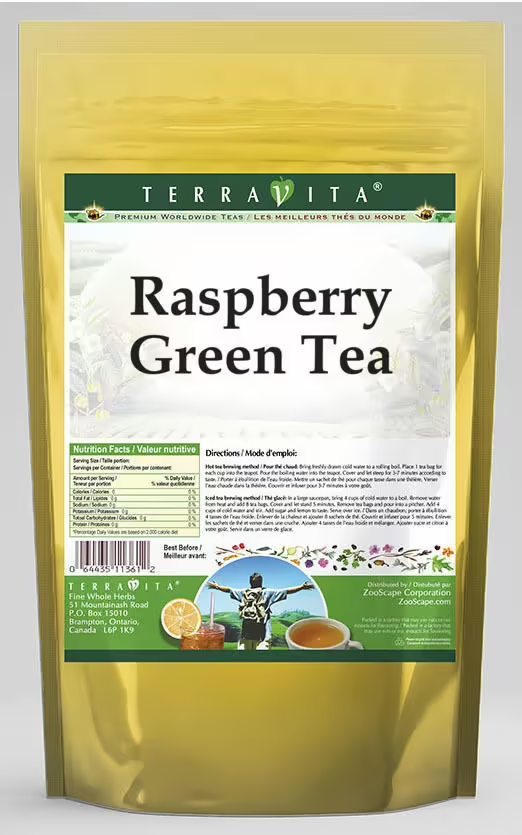
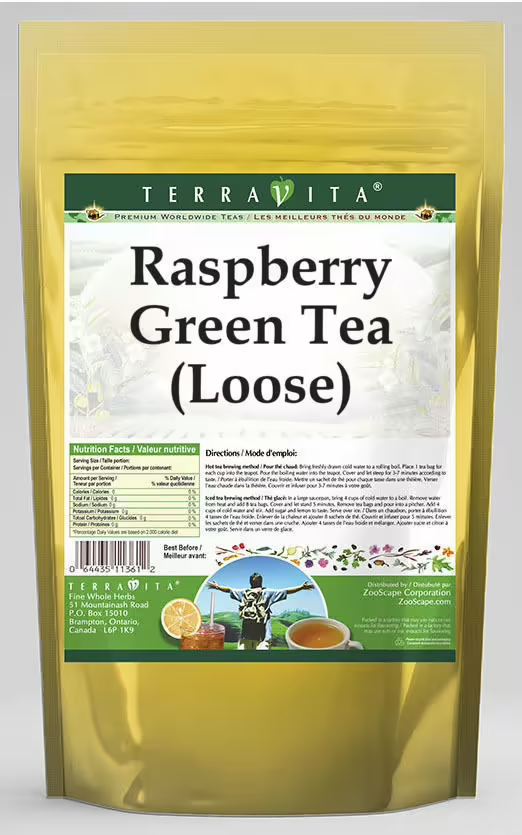
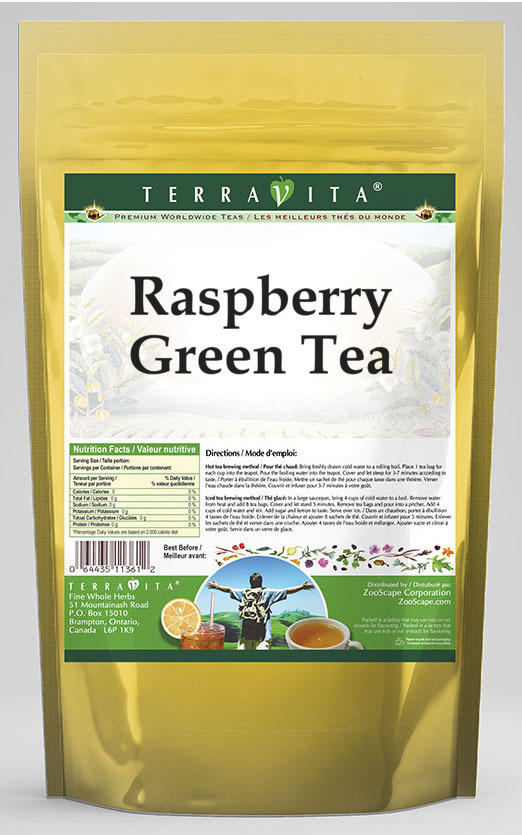
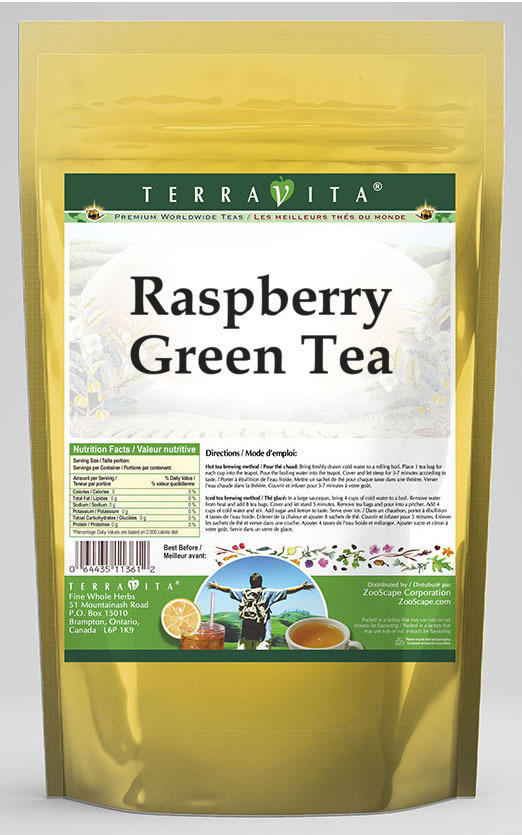
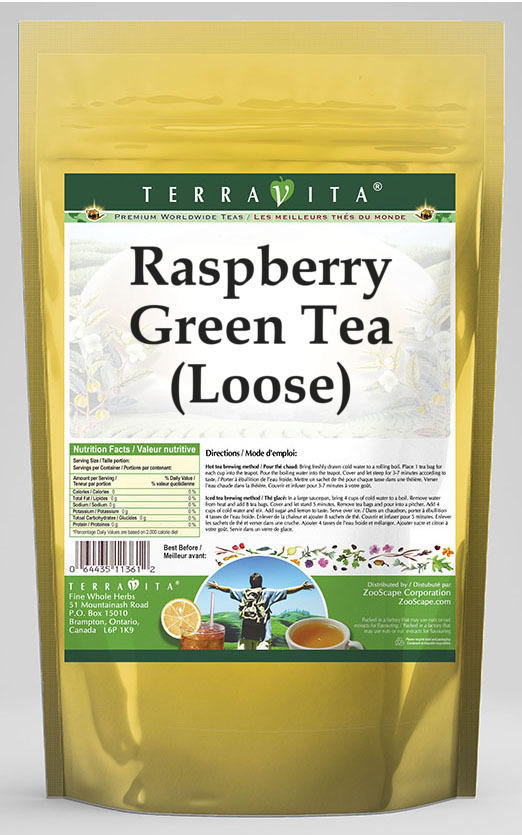
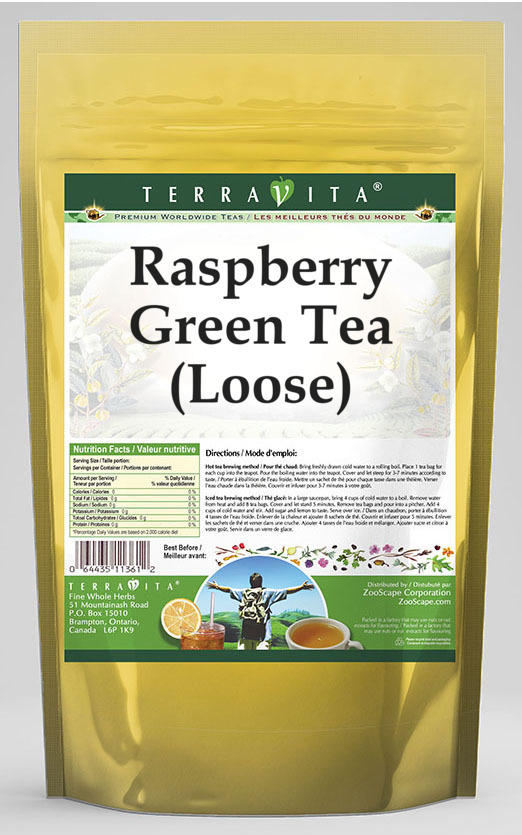
Raspberry Green Tea
| Images | Product Name | Size | ZIN | Price | Quantity | Add to Cart |
| Raspberry Green Tea | 25 tea bags | 530890 | $12.90 | |||
| 50 tea bags | 530891 | $20.27 | ||||
| Raspberry Green Tea (Loose) | 4 oz | 530892 | $9.19 | |||
| 8 oz | 530893 | $13.26 |
TerraVita strives to make all of our products affordable and reliable and are constantly searching the market to maintain our affordability and to look for new ways to serve you and the ones you love. TerraVita has become a trusted household name for many families and can bring you and yours the very best herbal supplements, blends, teas and spices that are on the market today.
TerraVita is packed in tamper-proof, food-grade, recyclable containers.
ZooScape is proud to be the exclusive distributor of TerraVita teas, herbs and supplements in the United States, Canada and around the world. Please direct all wholesale and bulk inquiries to 1-844-449-0444.
These statements have not been evaluated by the Food and Drug Administration (FDA). Products are intended to support general well being and are not intended to treat, diagnose, prevent, or cure any condition or disease.
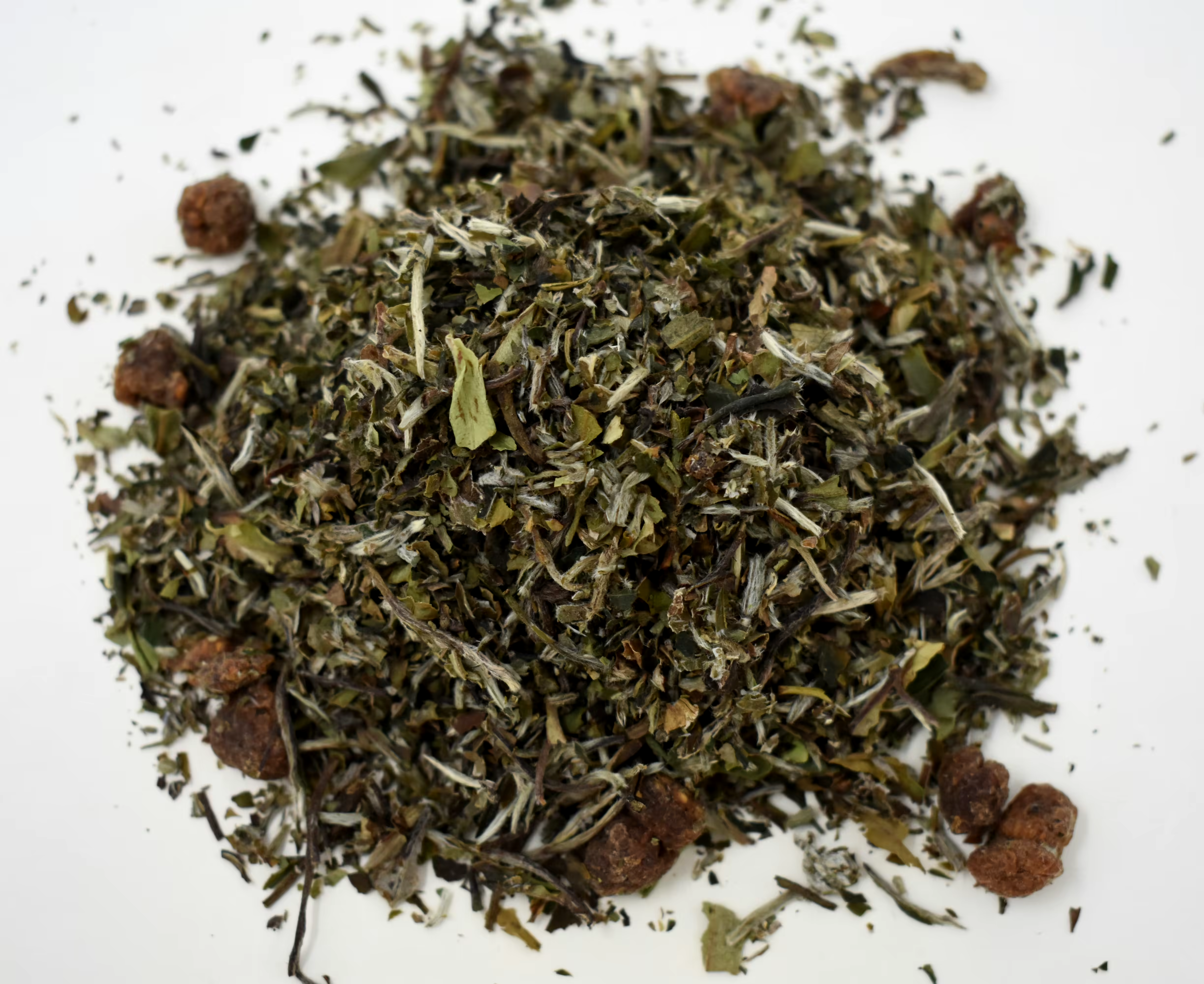
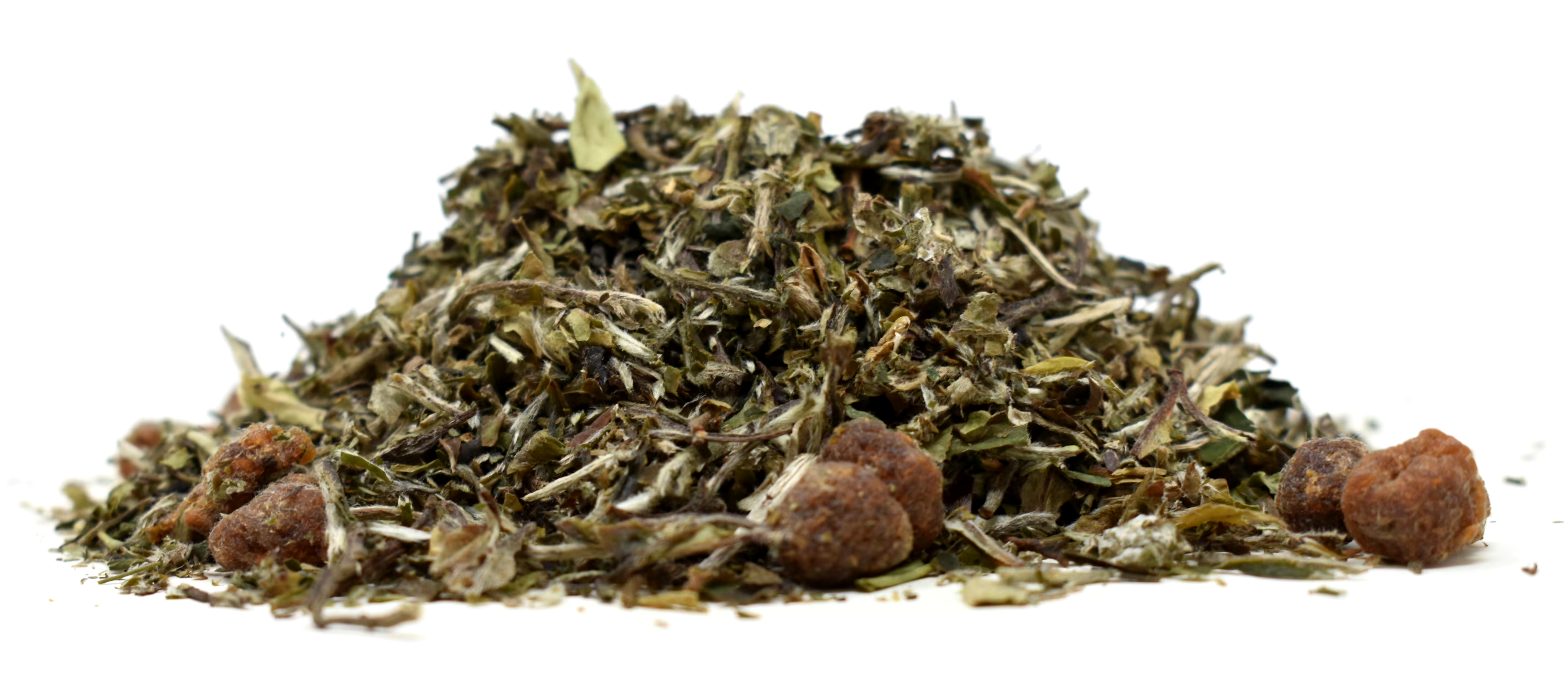
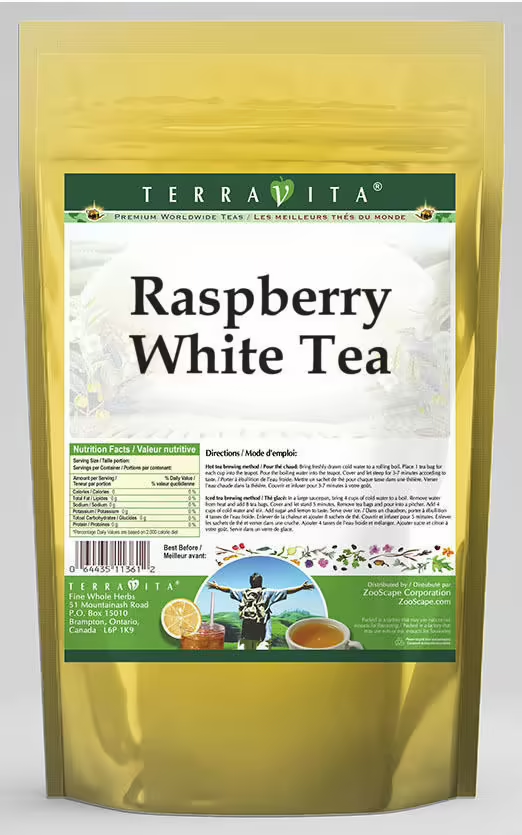
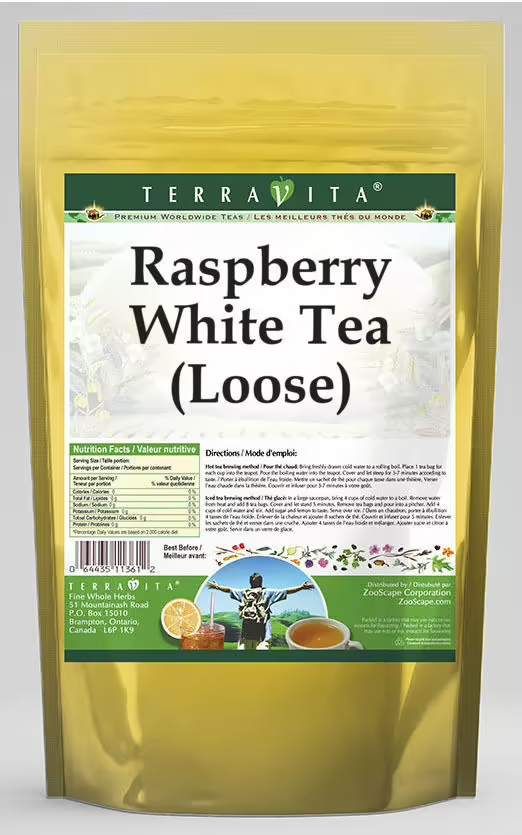
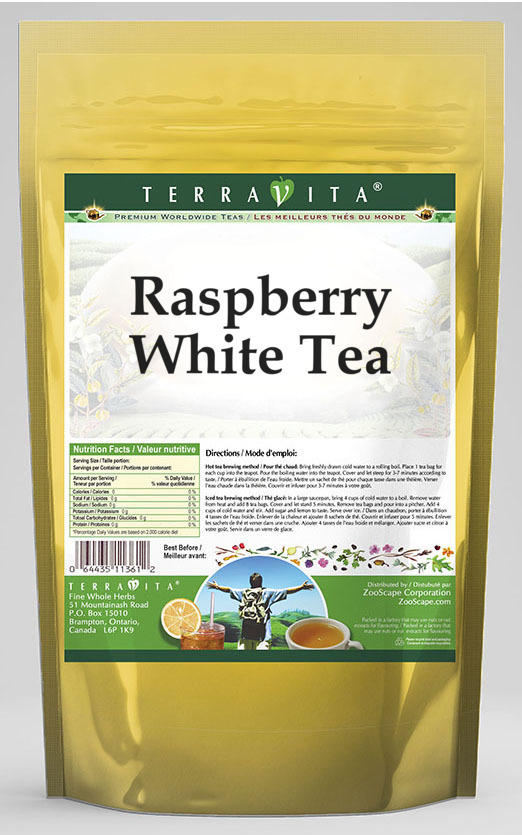
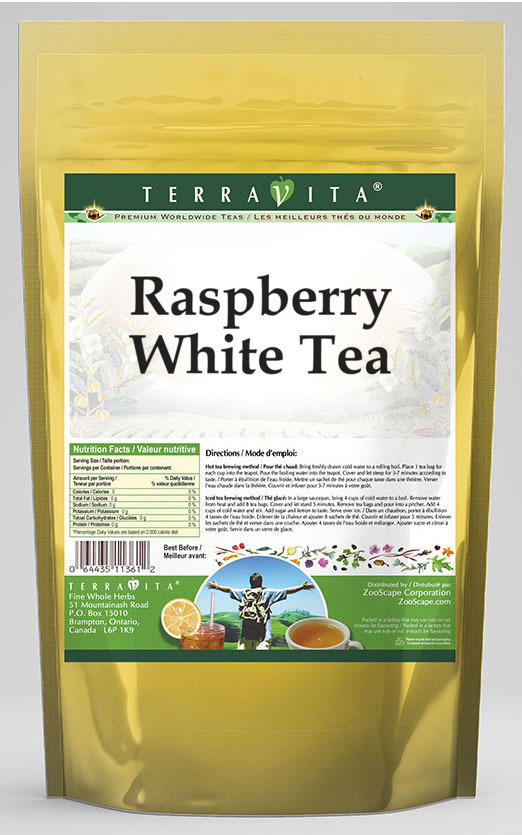
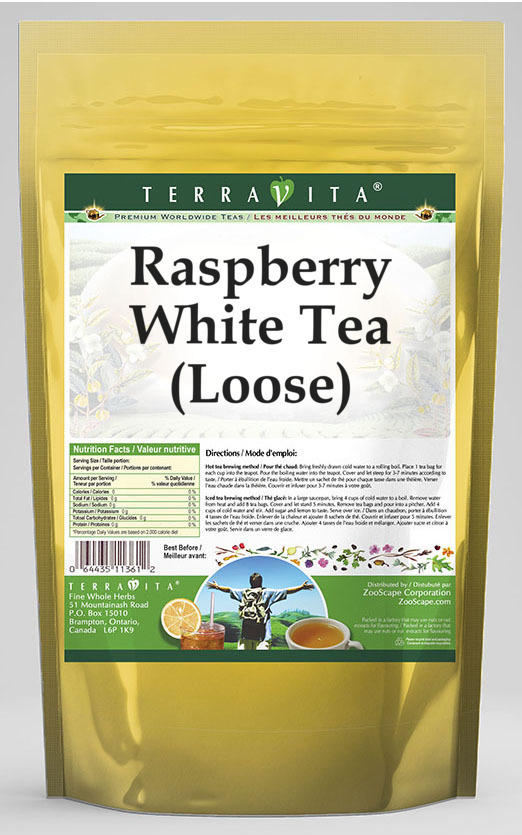
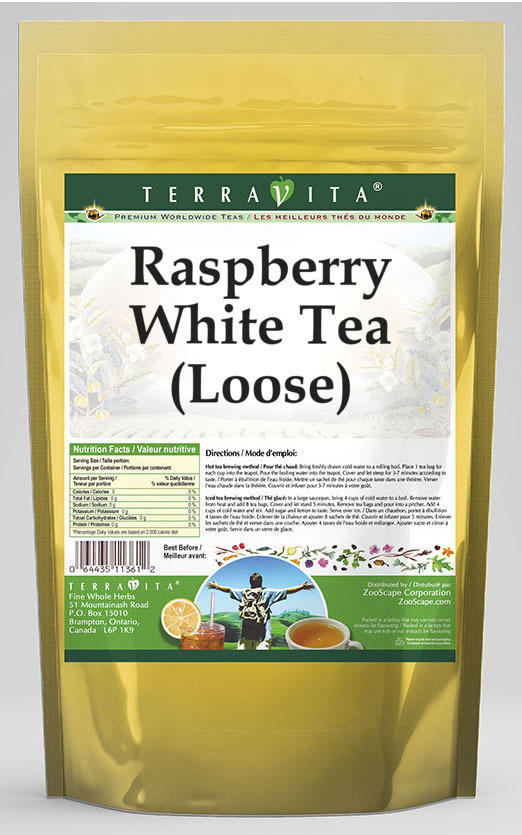
Raspberry White Tea
| Images | Product Name | Size | ZIN | Price | Quantity | Add to Cart |
| Raspberry White Tea | 25 tea bags | 530894 | $26.09 | |||
| 50 tea bags | 530895 | $45.27 | ||||
| Raspberry White Tea (Loose) | 4 oz | 530896 | $30.01 | |||
| 8 oz | 530897 | $50.76 |
TerraVita strives to make all of our products affordable and reliable and are constantly searching the market to maintain our affordability and to look for new ways to serve you and the ones you love. TerraVita has become a trusted household name for many families and can bring you and yours the very best herbal supplements, blends, teas and spices that are on the market today.
TerraVita is packed in tamper-proof, food-grade, recyclable containers.
ZooScape is proud to be the exclusive distributor of TerraVita teas, herbs and supplements in the United States, Canada and around the world. Please direct all wholesale and bulk inquiries to 1-844-449-0444.
These statements have not been evaluated by the Food and Drug Administration (FDA). Products are intended to support general well being and are not intended to treat, diagnose, prevent, or cure any condition or disease.
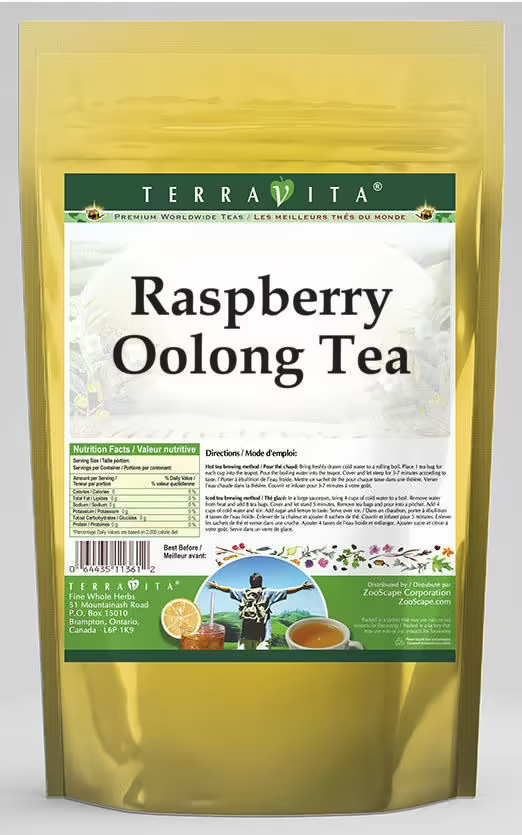
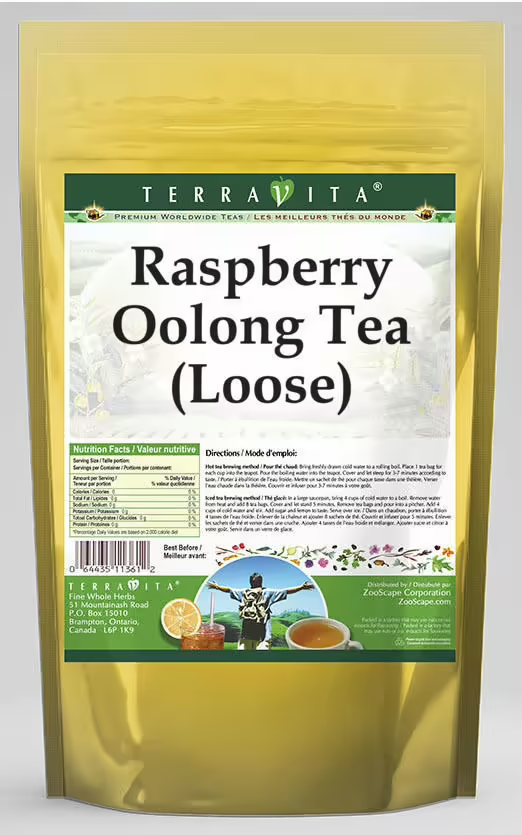
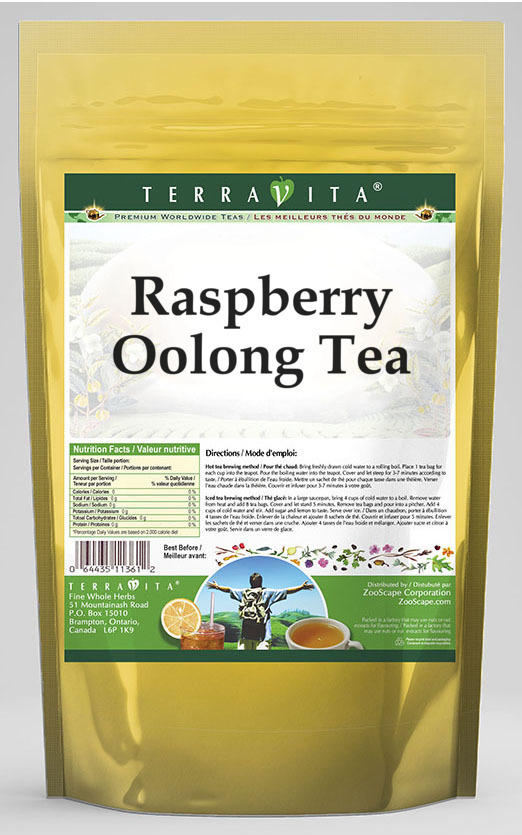
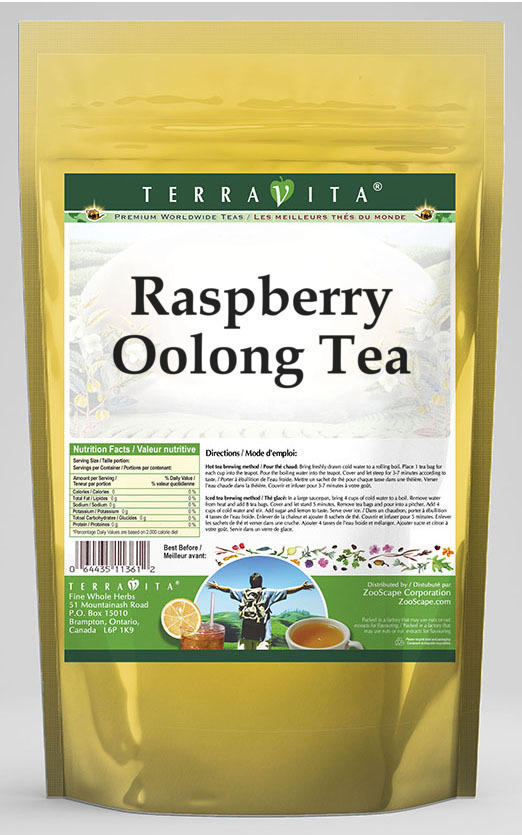
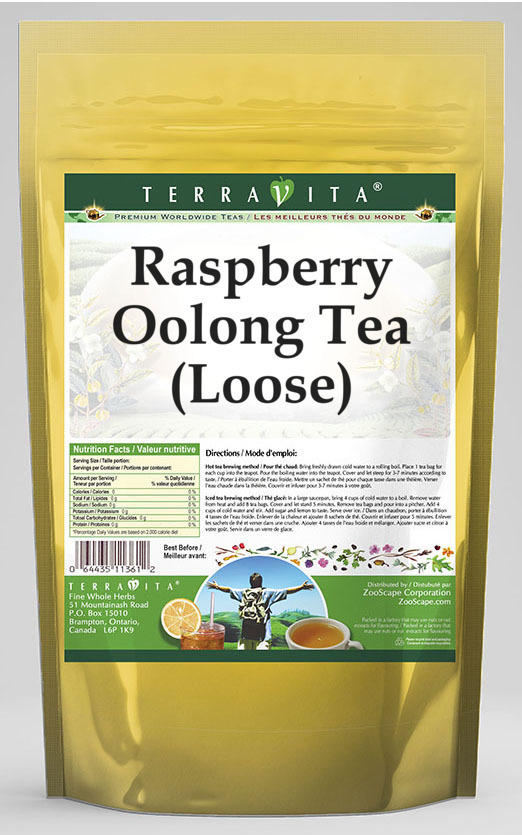
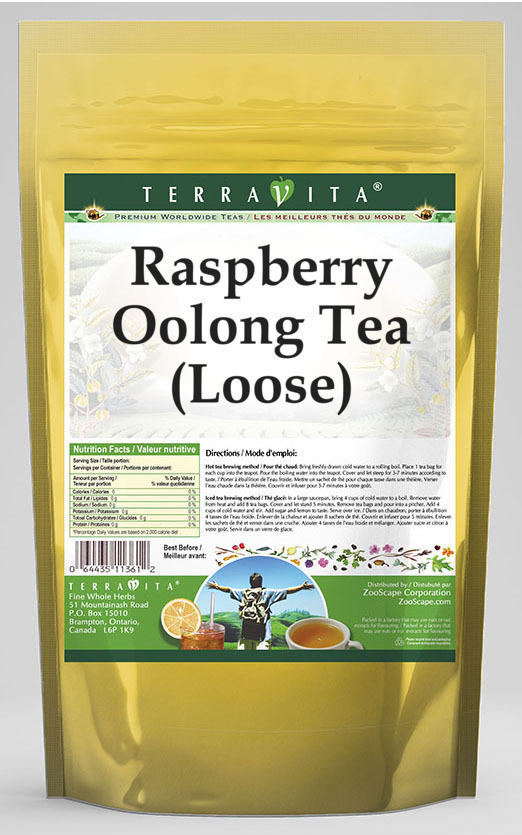
Raspberry Oolong Tea
| Images | Product Name | Size | ZIN | Price | Quantity | Add to Cart |
| Raspberry Oolong Tea | 25 tea bags | 530898 | $12.80 | |||
| 50 tea bags | 530899 | $20.08 | ||||
| Raspberry Oolong Tea (Loose) | 4 oz | 530900 | $9.04 | |||
| 8 oz | 530901 | $13.00 |
TerraVita strives to make all of our products affordable and reliable and are constantly searching the market to maintain our affordability and to look for new ways to serve you and the ones you love. TerraVita has become a trusted household name for many families and can bring you and yours the very best herbal supplements, blends, teas and spices that are on the market today.
TerraVita is packed in tamper-proof, food-grade, recyclable containers.
ZooScape is proud to be the exclusive distributor of TerraVita teas, herbs and supplements in the United States, Canada and around the world. Please direct all wholesale and bulk inquiries to 1-844-449-0444.
These statements have not been evaluated by the Food and Drug Administration (FDA). Products are intended to support general well being and are not intended to treat, diagnose, prevent, or cure any condition or disease.
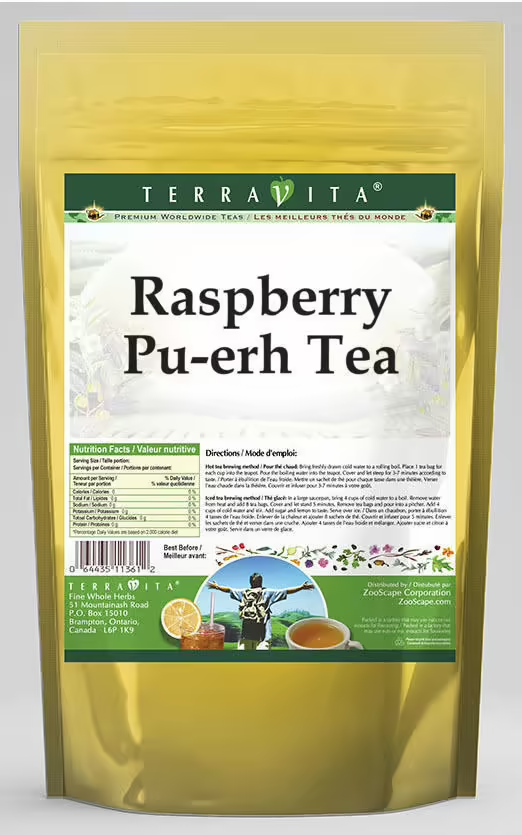
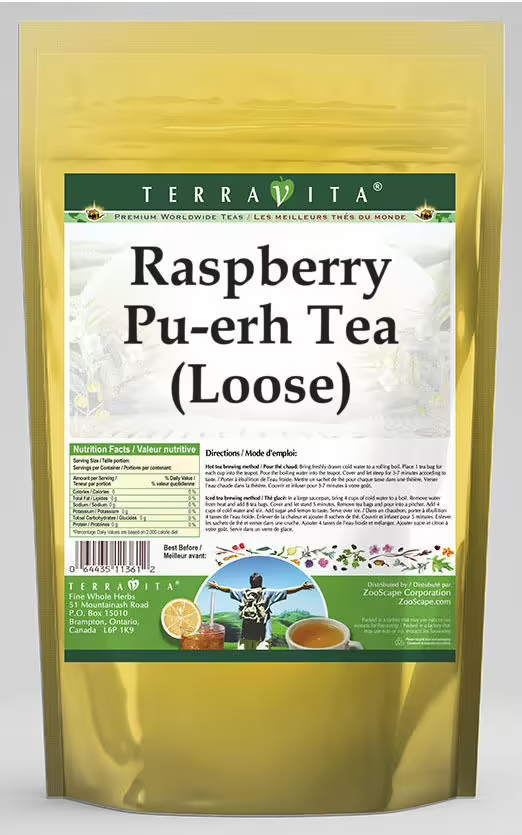
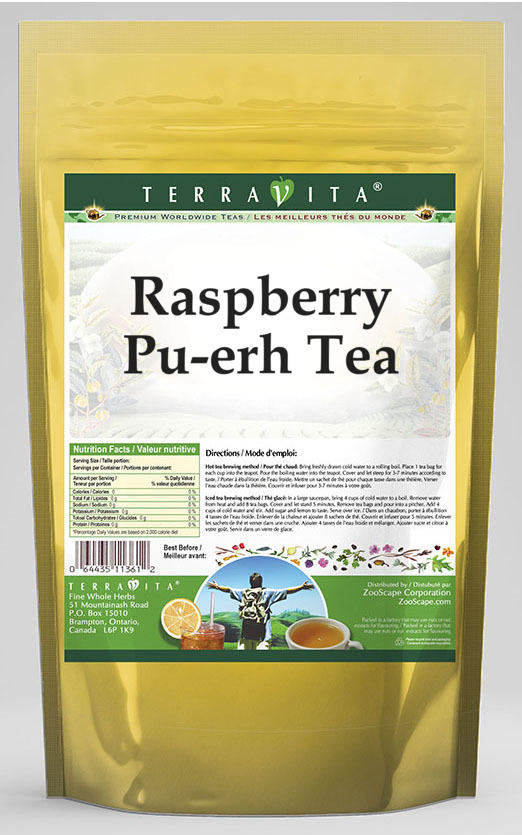
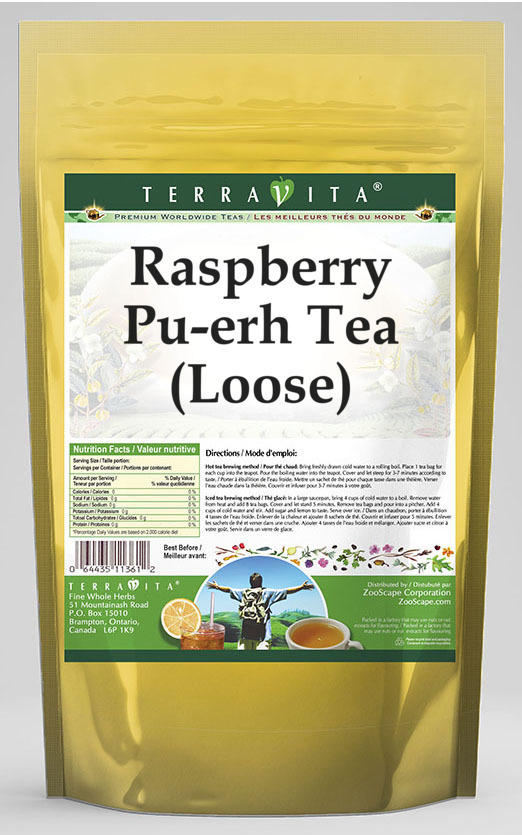
Raspberry Pu-erh Tea
| Images | Product Name | Size | ZIN | Price | Quantity | Add to Cart |
| Raspberry Pu-erh Tea | 25 tea bags | 530902 | $13.11 | |||
| 50 tea bags | 530903 | $20.68 | ||||
| Raspberry Pu-erh Tea (Loose) | 4 oz | 530904 | $9.53 | |||
| 8 oz | 530905 | $13.88 |
TerraVita strives to make all of our products affordable and reliable and are constantly searching the market to maintain our affordability and to look for new ways to serve you and the ones you love. TerraVita has become a trusted household name for many families and can bring you and yours the very best herbal supplements, blends, teas and spices that are on the market today.
TerraVita is packed in tamper-proof, food-grade, recyclable containers.
ZooScape is proud to be the exclusive distributor of TerraVita teas, herbs and supplements in the United States, Canada and around the world. Please direct all wholesale and bulk inquiries to 1-844-449-0444.
These statements have not been evaluated by the Food and Drug Administration (FDA). Products are intended to support general well being and are not intended to treat, diagnose, prevent, or cure any condition or disease.
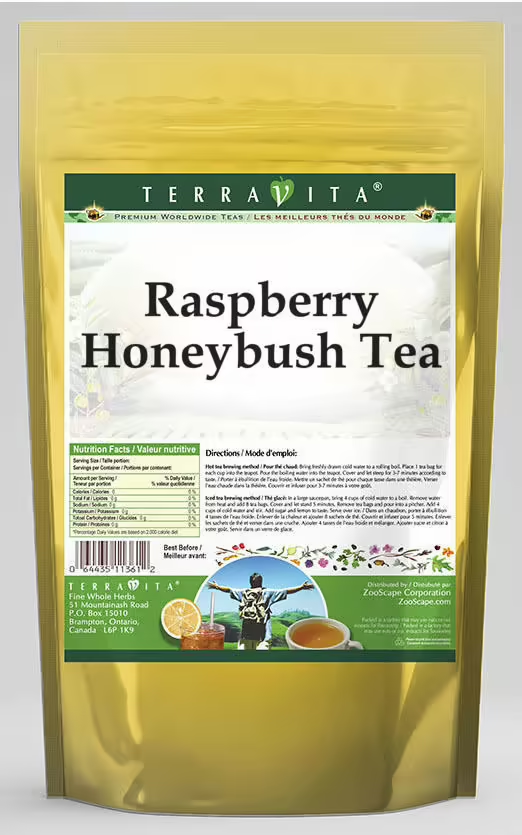
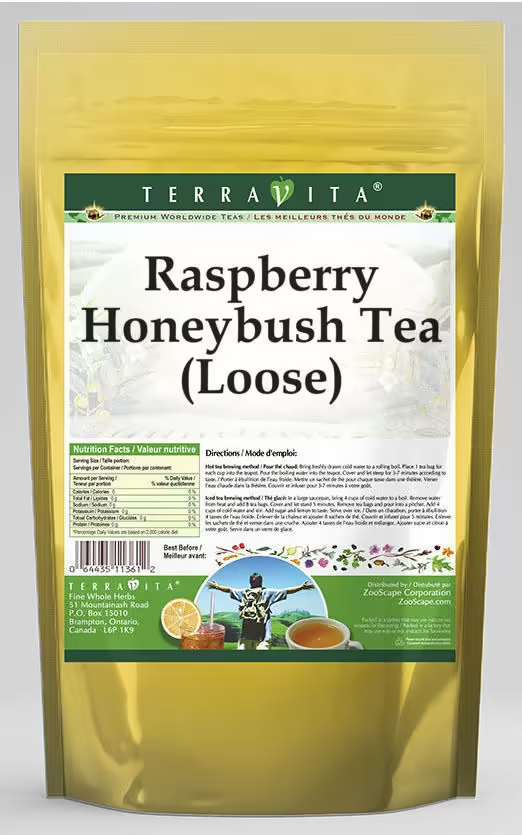
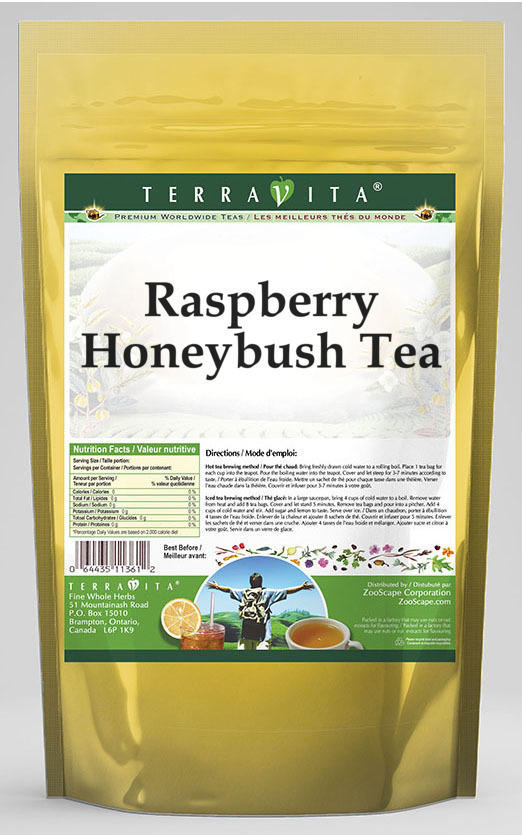
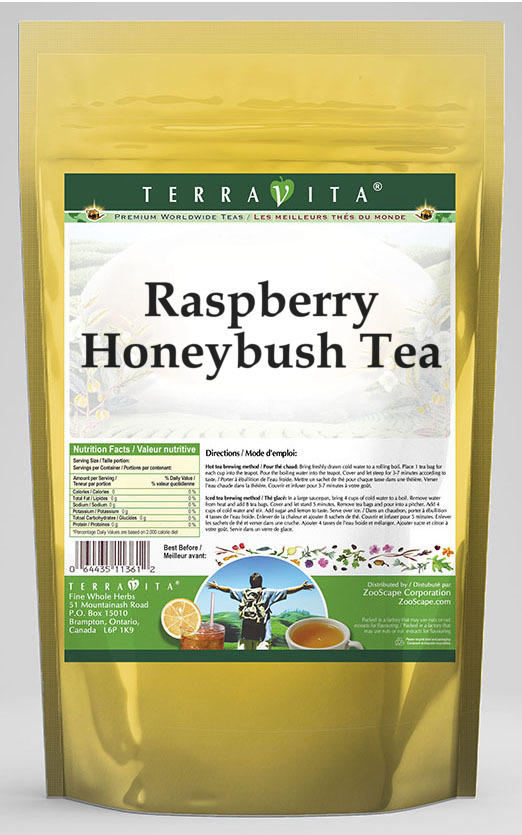
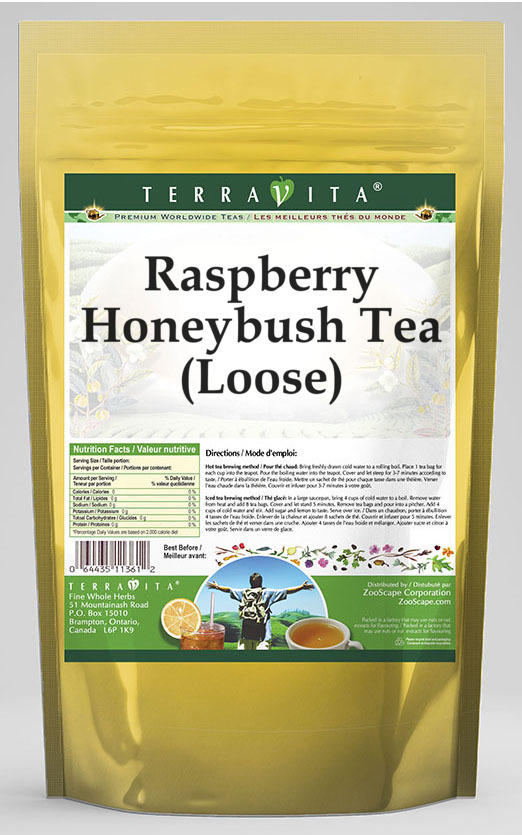
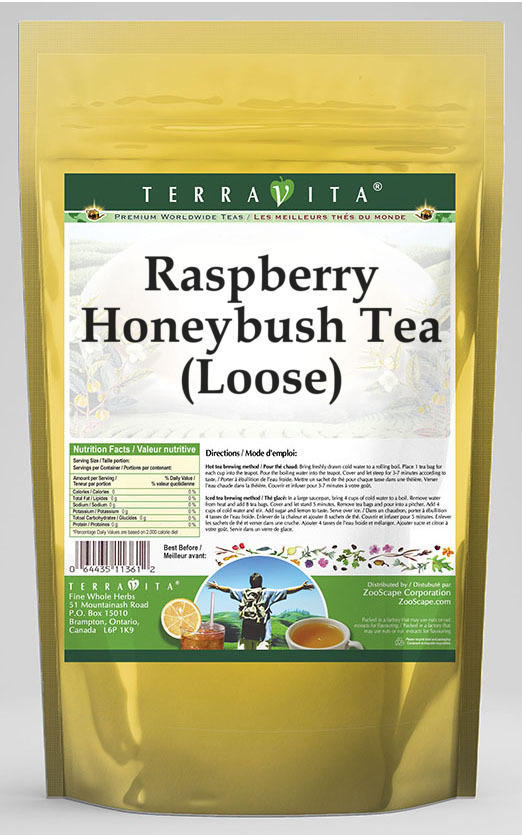
Raspberry Honeybush Tea
| Images | Product Name | Size | ZIN | Price | Quantity | Add to Cart |
| Raspberry Honeybush Tea | 25 tea bags | 530906 | $19.29 | |||
| 50 tea bags | 530907 | $32.37 | ||||
| Raspberry Honeybush Tea (Loose) | 4 oz | 530908 | $19.27 | |||
| 8 oz | 530909 | $31.42 |
TerraVita strives to make all of our products affordable and reliable and are constantly searching the market to maintain our affordability and to look for new ways to serve you and the ones you love. TerraVita has become a trusted household name for many families and can bring you and yours the very best herbal supplements, blends, teas and spices that are on the market today.
TerraVita is packed in tamper-proof, food-grade, recyclable containers.
ZooScape is proud to be the exclusive distributor of TerraVita teas, herbs and supplements in the United States, Canada and around the world. Please direct all wholesale and bulk inquiries to 1-844-449-0444.
These statements have not been evaluated by the Food and Drug Administration (FDA). Products are intended to support general well being and are not intended to treat, diagnose, prevent, or cure any condition or disease.
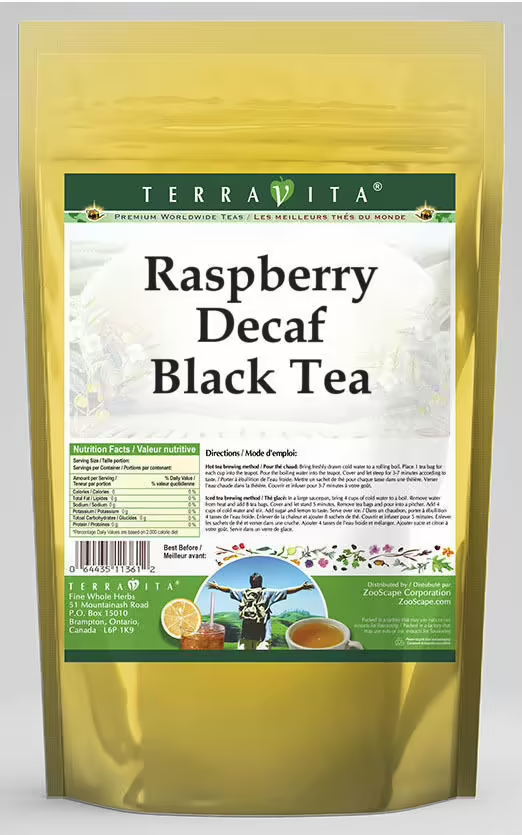
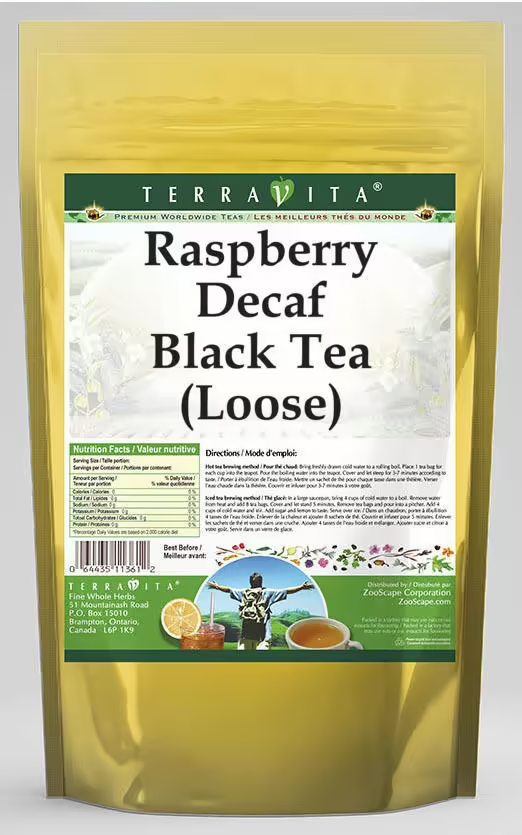
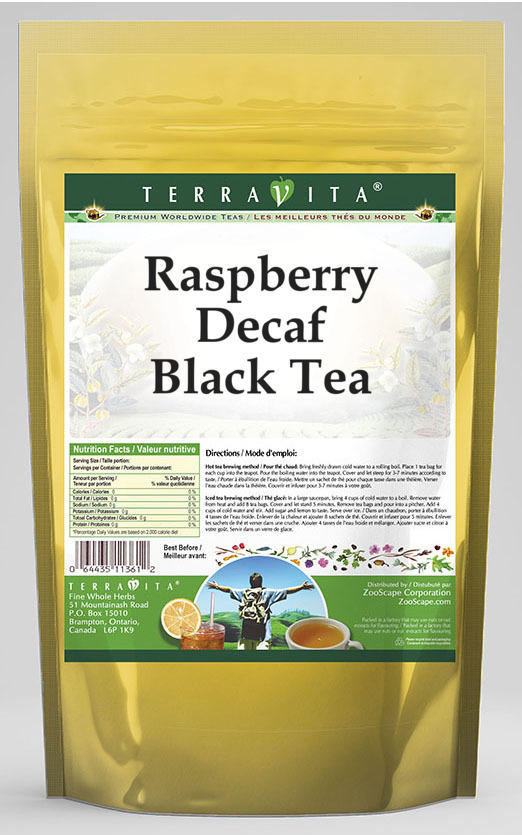
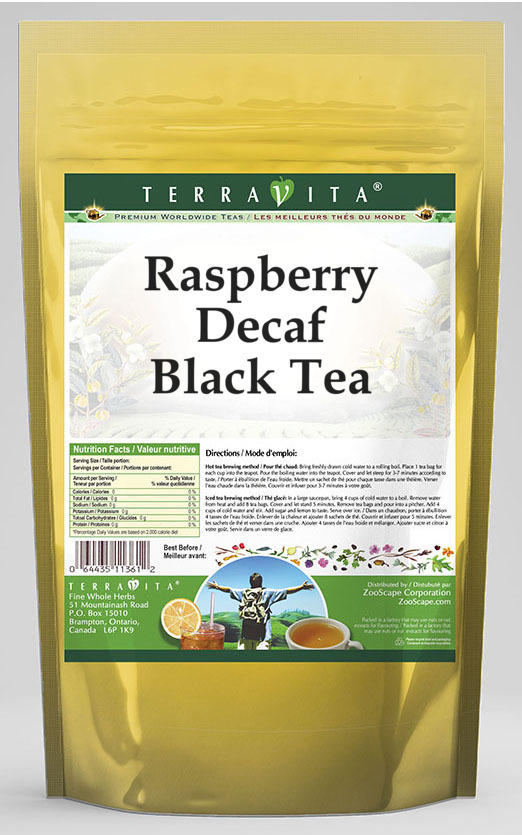
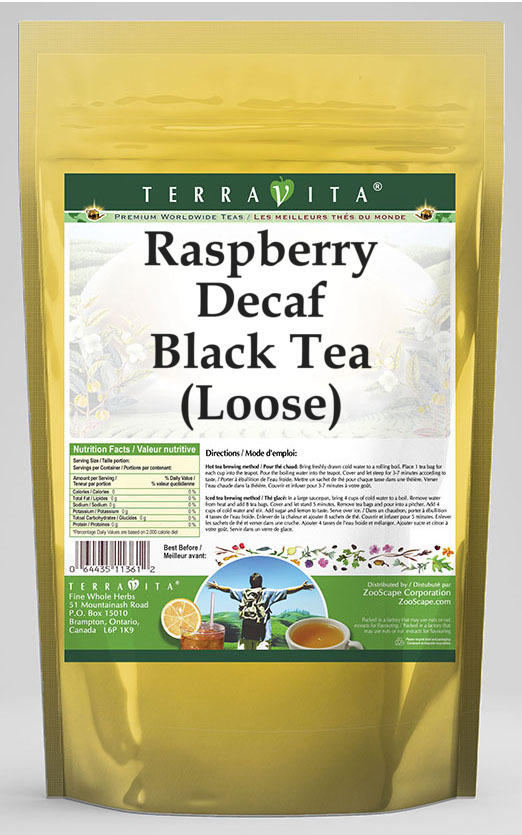
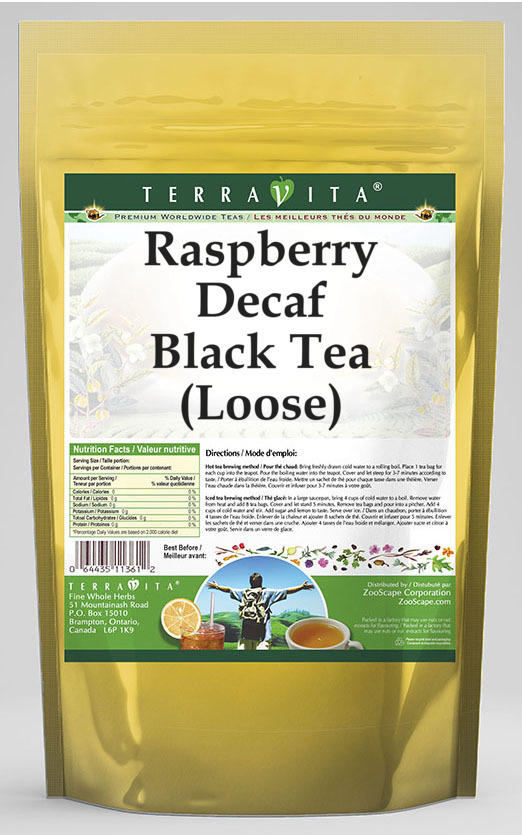
Raspberry Decaf Black Tea
| Images | Product Name | Size | ZIN | Price | Quantity | Add to Cart |
| Raspberry Decaf Black Tea | 25 tea bags | 530910 | $24.42 | |||
| 50 tea bags | 530911 | $42.11 | ||||
| Raspberry Decaf Black Tea (Loose) | 4 oz | 530912 | $27.40 | |||
| 8 oz | 530913 | $46.04 |
TerraVita strives to make all of our products affordable and reliable and are constantly searching the market to maintain our affordability and to look for new ways to serve you and the ones you love. TerraVita has become a trusted household name for many families and can bring you and yours the very best herbal supplements, blends, teas and spices that are on the market today.
TerraVita is packed in tamper-proof, food-grade, recyclable containers.
ZooScape is proud to be the exclusive distributor of TerraVita teas, herbs and supplements in the United States, Canada and around the world. Please direct all wholesale and bulk inquiries to 1-844-449-0444.
These statements have not been evaluated by the Food and Drug Administration (FDA). Products are intended to support general well being and are not intended to treat, diagnose, prevent, or cure any condition or disease.
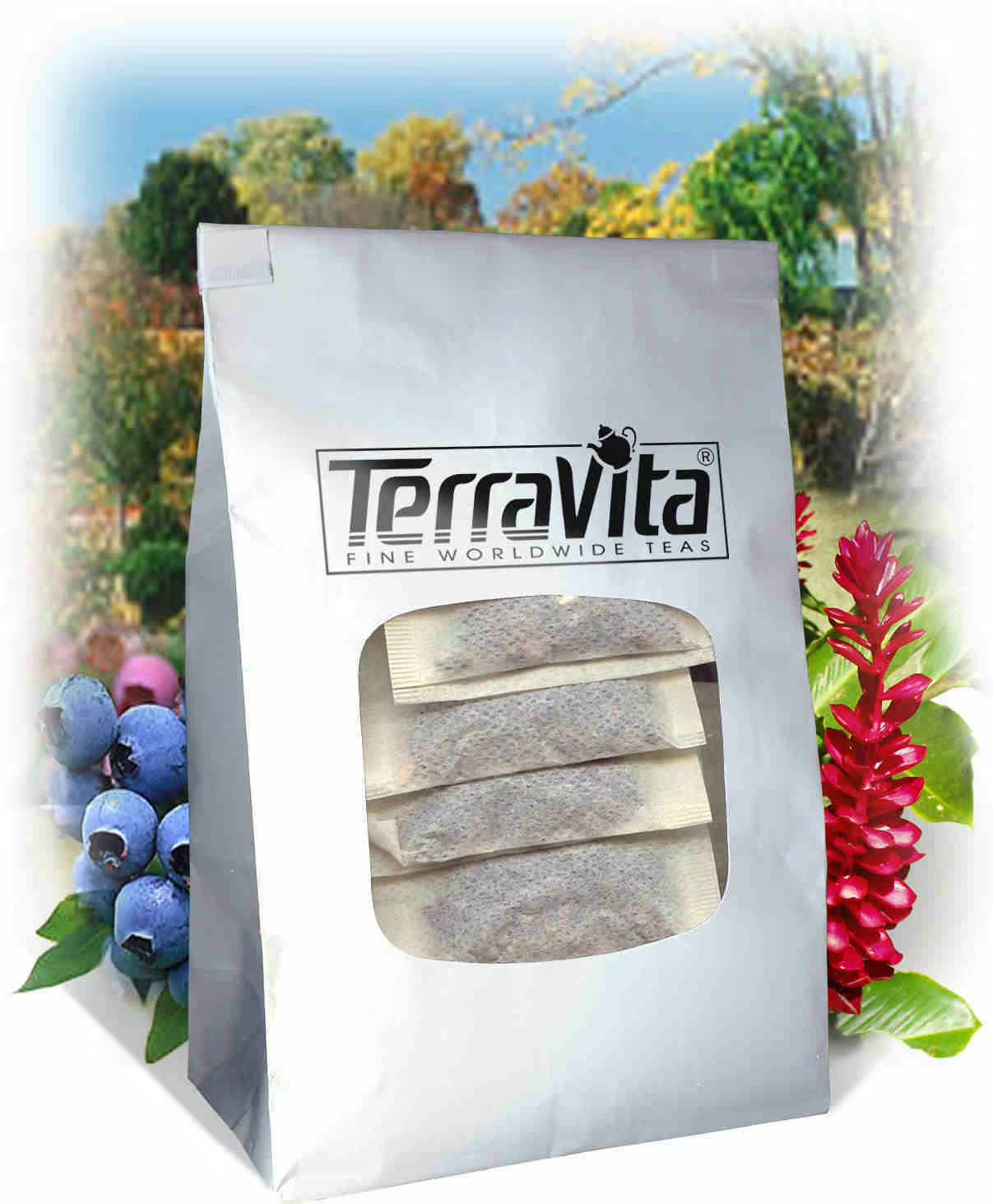
Bohemian Raspberry Green Tea
| Images | Product Name | Size | ZIN | Price | Quantity | Add to Cart |
| Bohemian Raspberry Green Tea (Loose) | 4 oz | 518382 | $29.12 | |||
| 8 oz | 518383 | $49.35 | ||||
| Bohemian Raspberry Green Tea | 25 tea bags | 518384 | $27.73 | |||
| 50 tea bags | 518385 | $44.65 |
These statements have not been evaluated by the Food and Drug Administration (FDA). Products are intended to support general well being and are not intended to treat, diagnose, prevent, or cure any condition or disease.
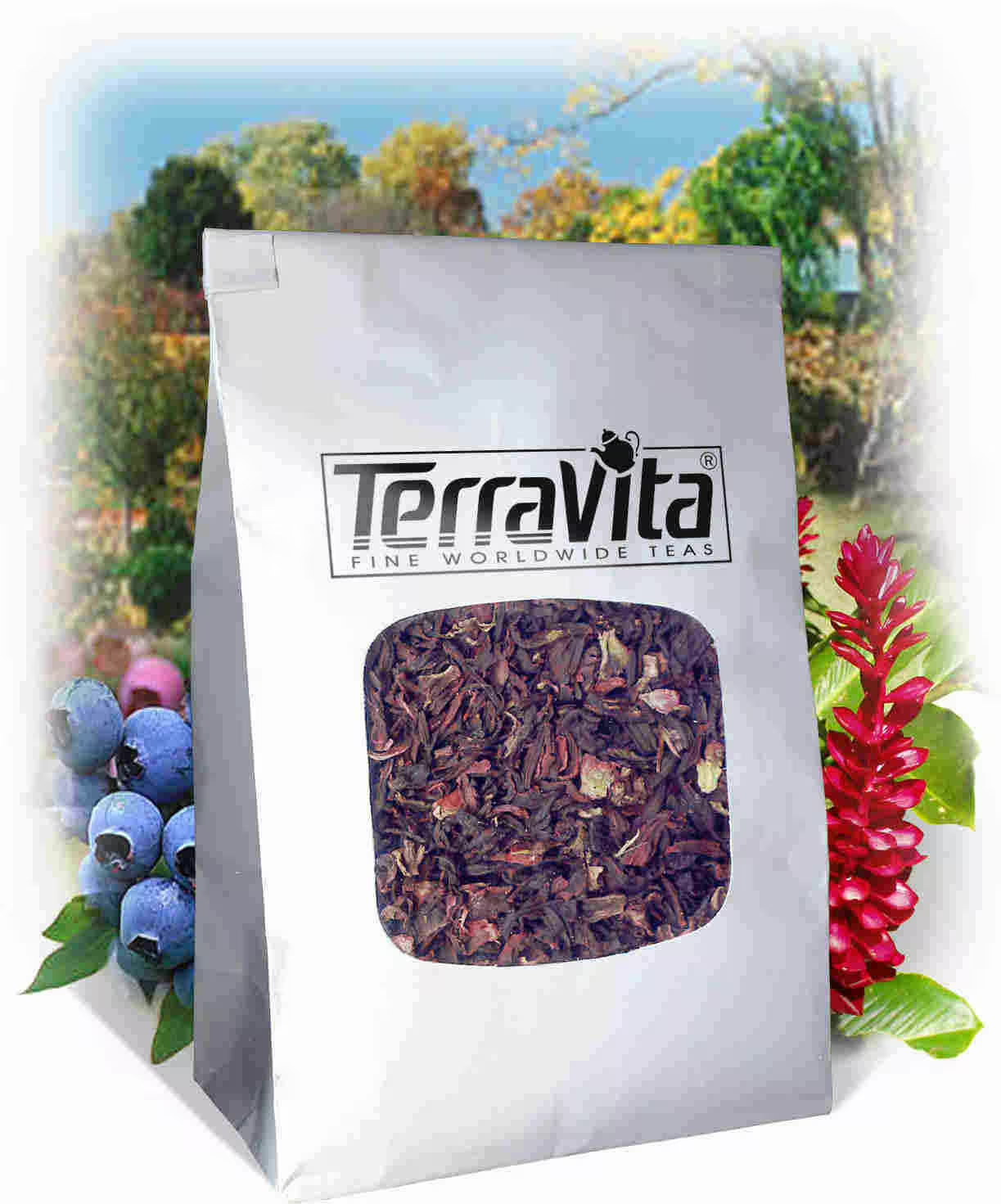
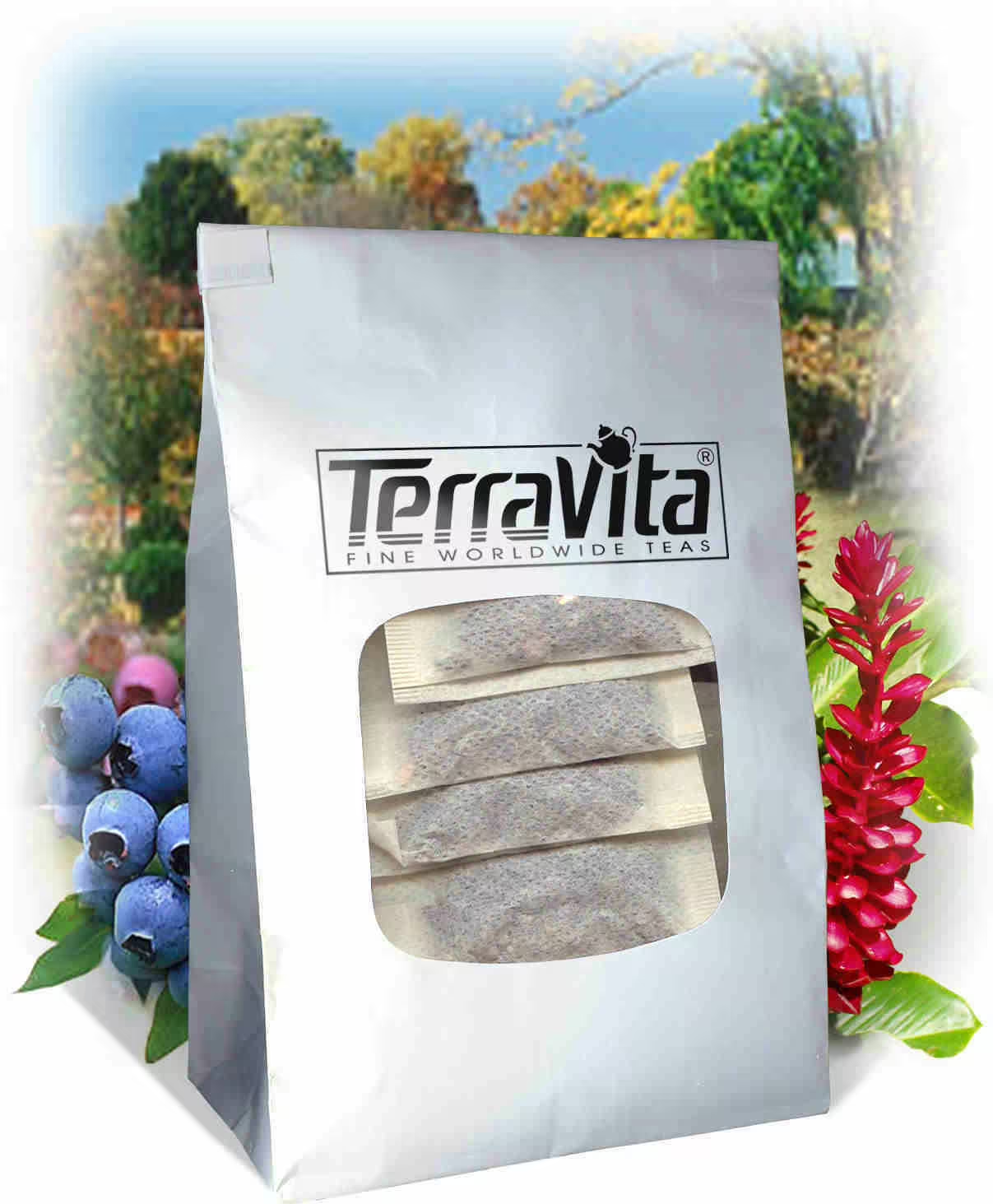
A Raspberry in Paris Rooibos
| Images | Product Name | Size | ZIN | Price | Quantity | Add to Cart |
| A Raspberry in Paris Rooibos Tea (Loose) | 4 oz | 518442 | $27.56 | |||
| 8 oz | 518443 | $46.51 | ||||
| A Raspberry in Paris Rooibos Tea | 25 tea bags | 518444 | $26.71 | |||
| 50 tea bags | 518445 | $42.82 |
These statements have not been evaluated by the Food and Drug Administration (FDA). Products are intended to support general well being and are not intended to treat, diagnose, prevent, or cure any condition or disease.