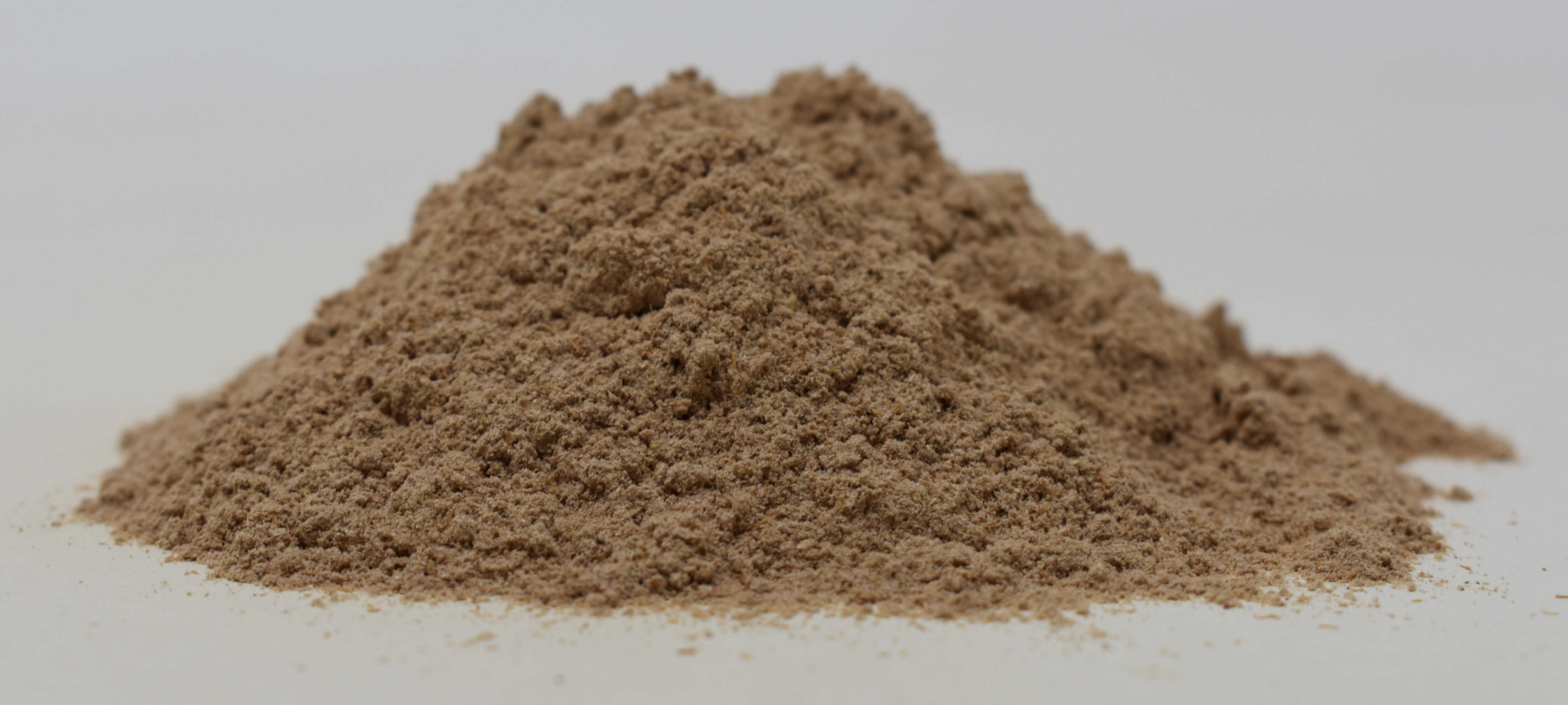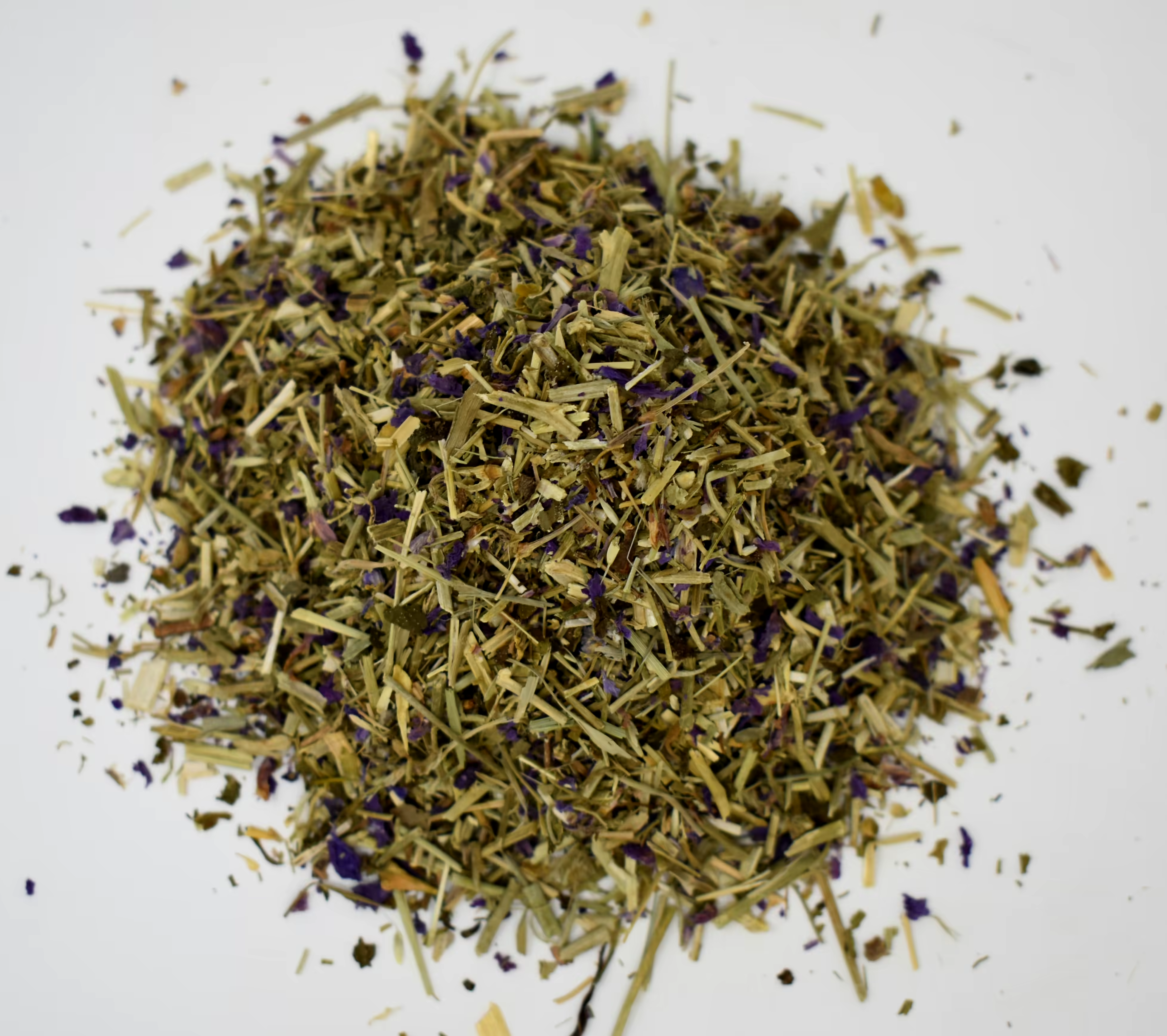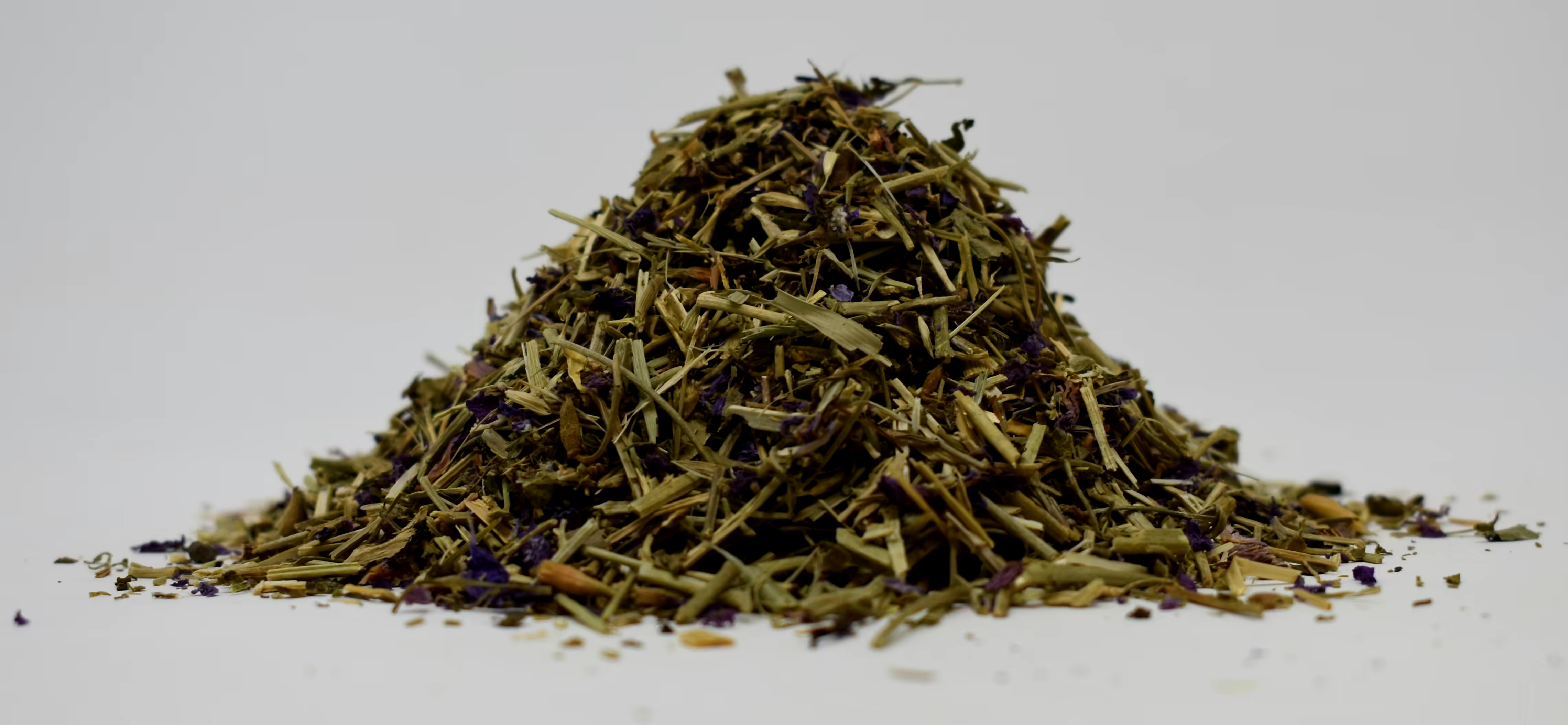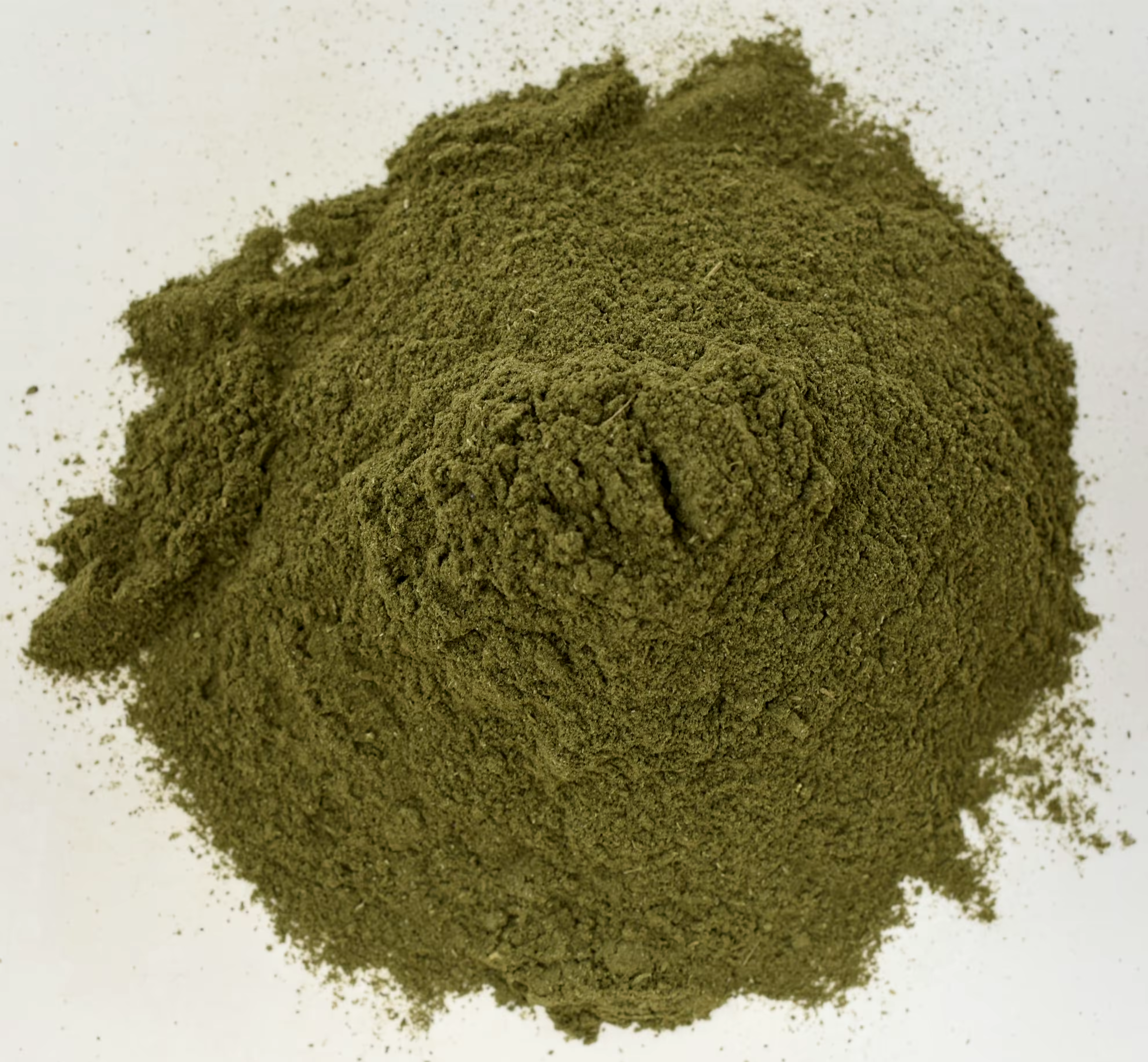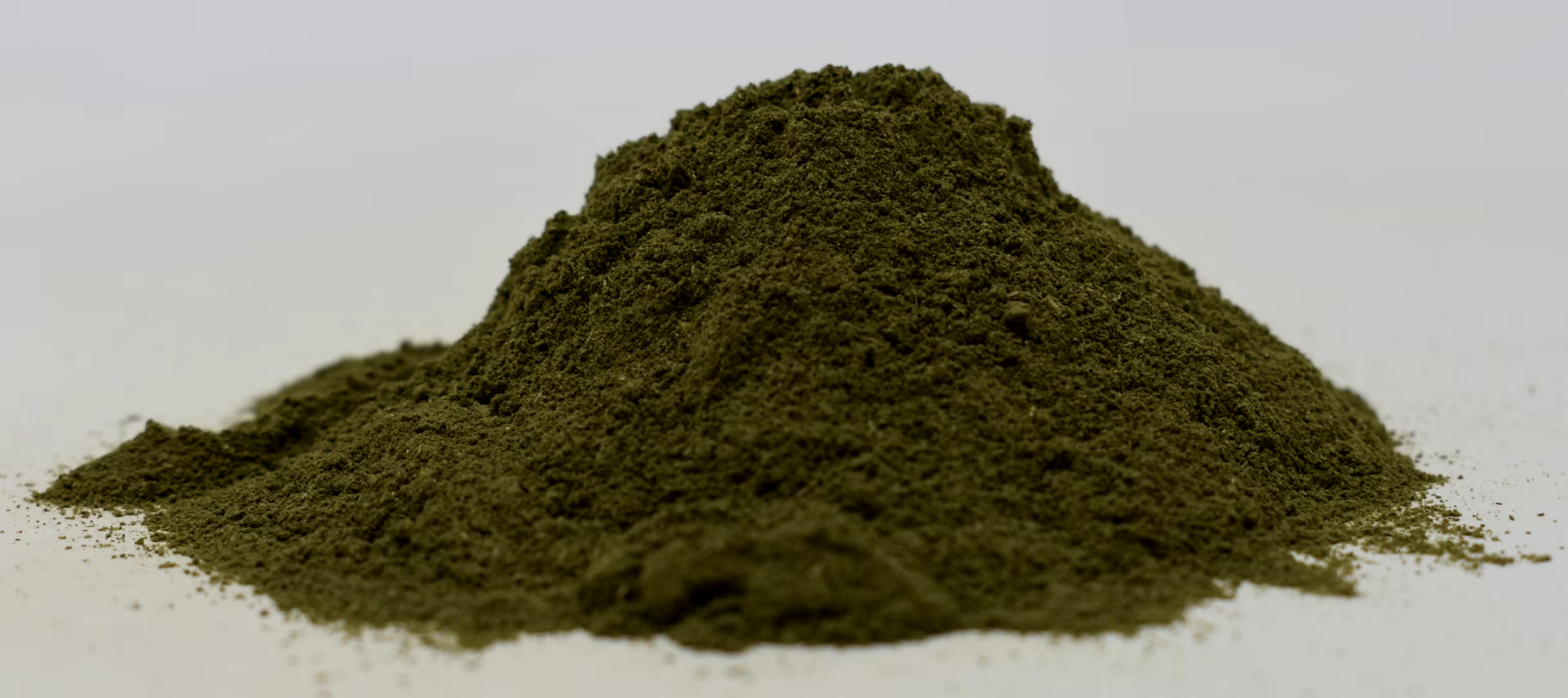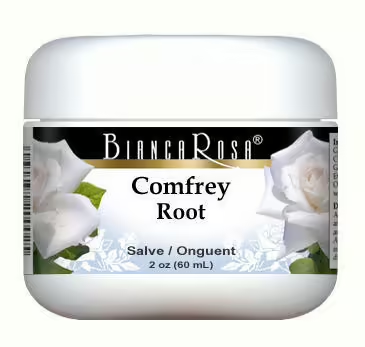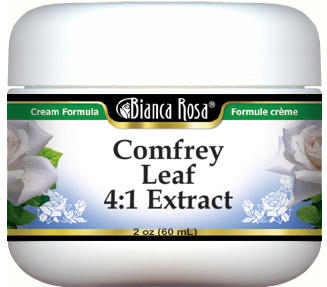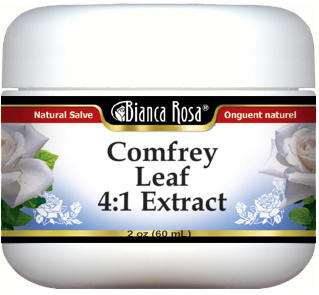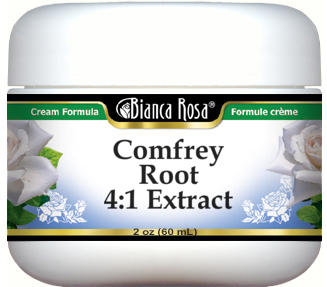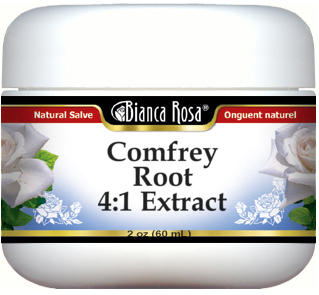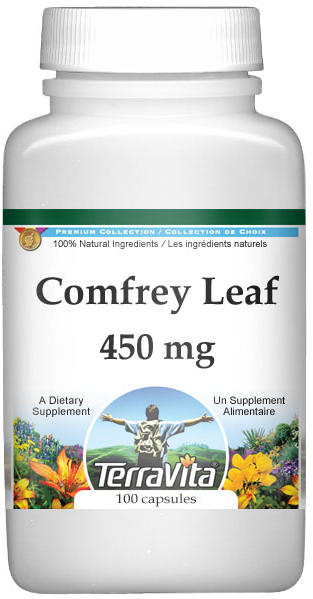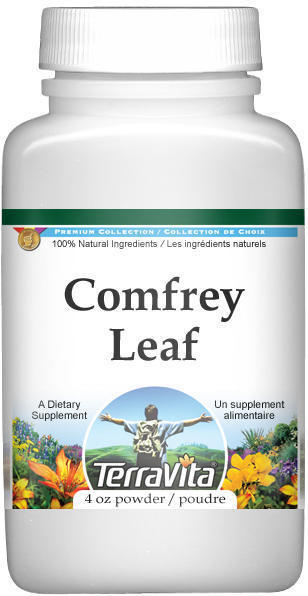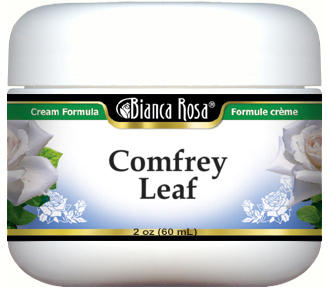

Both the leaves and root of comfrey are used medicinally to influence the bodily systems of the lungs, stomach, kidneys, and the bones and muscles. Tonic, demulcent, expectorant, vulnerary, and astringent properties make comfrey well-equipped to addr...
* Please Note: This information is based partly on Traditional Medicine which uses natural materials to support health. This information has not been evaluated or approved by the FDA. These statements have not been evaluated by the Food and Drug Administration (FDA). These products are intended to support general well being and are not intended to treat, diagnose, mitigate, prevent, or cure any condition or disease. If conditions persist, please seek advice from your medical doctor.
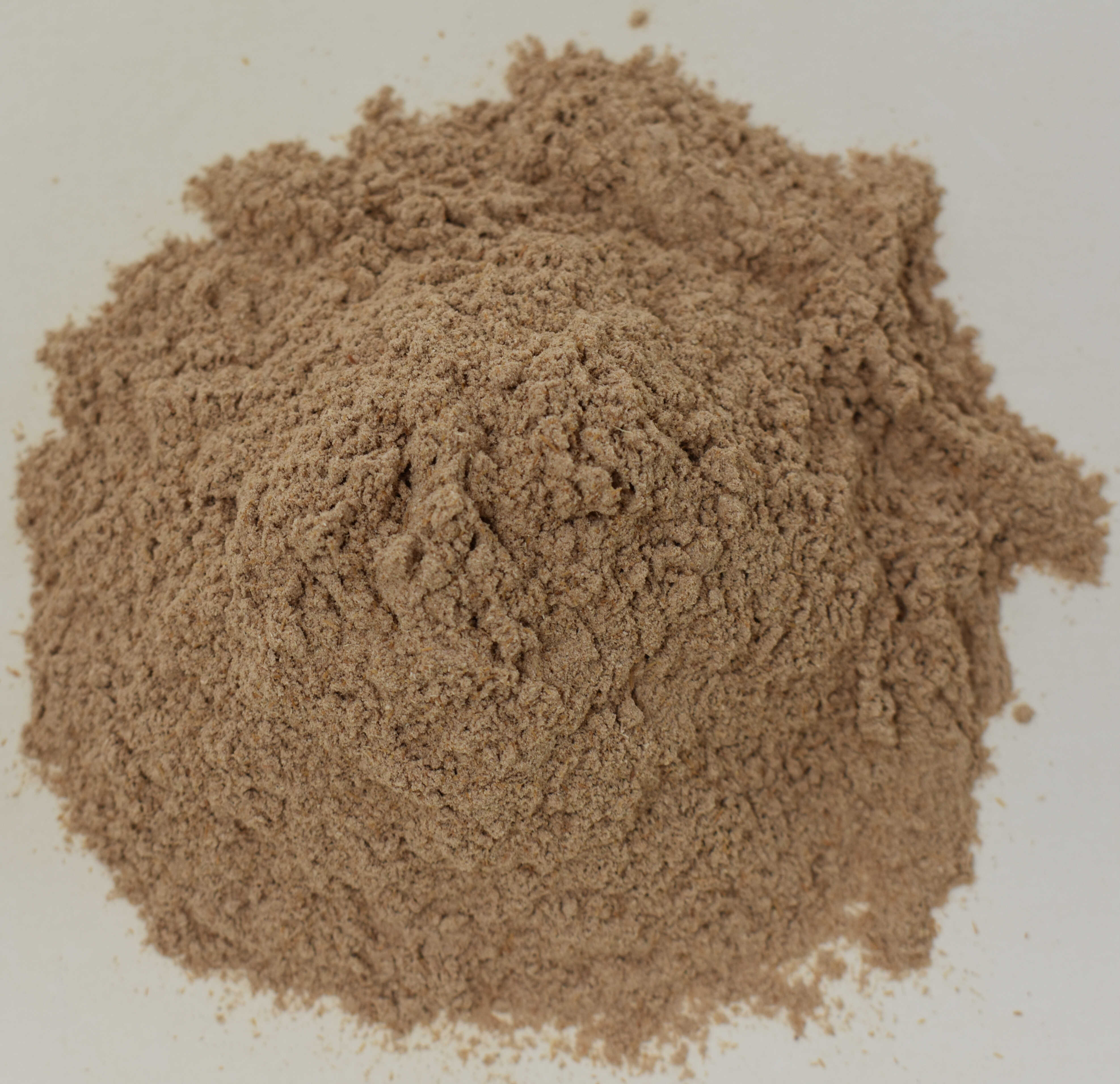
Description
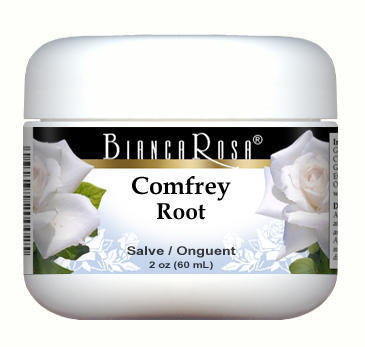
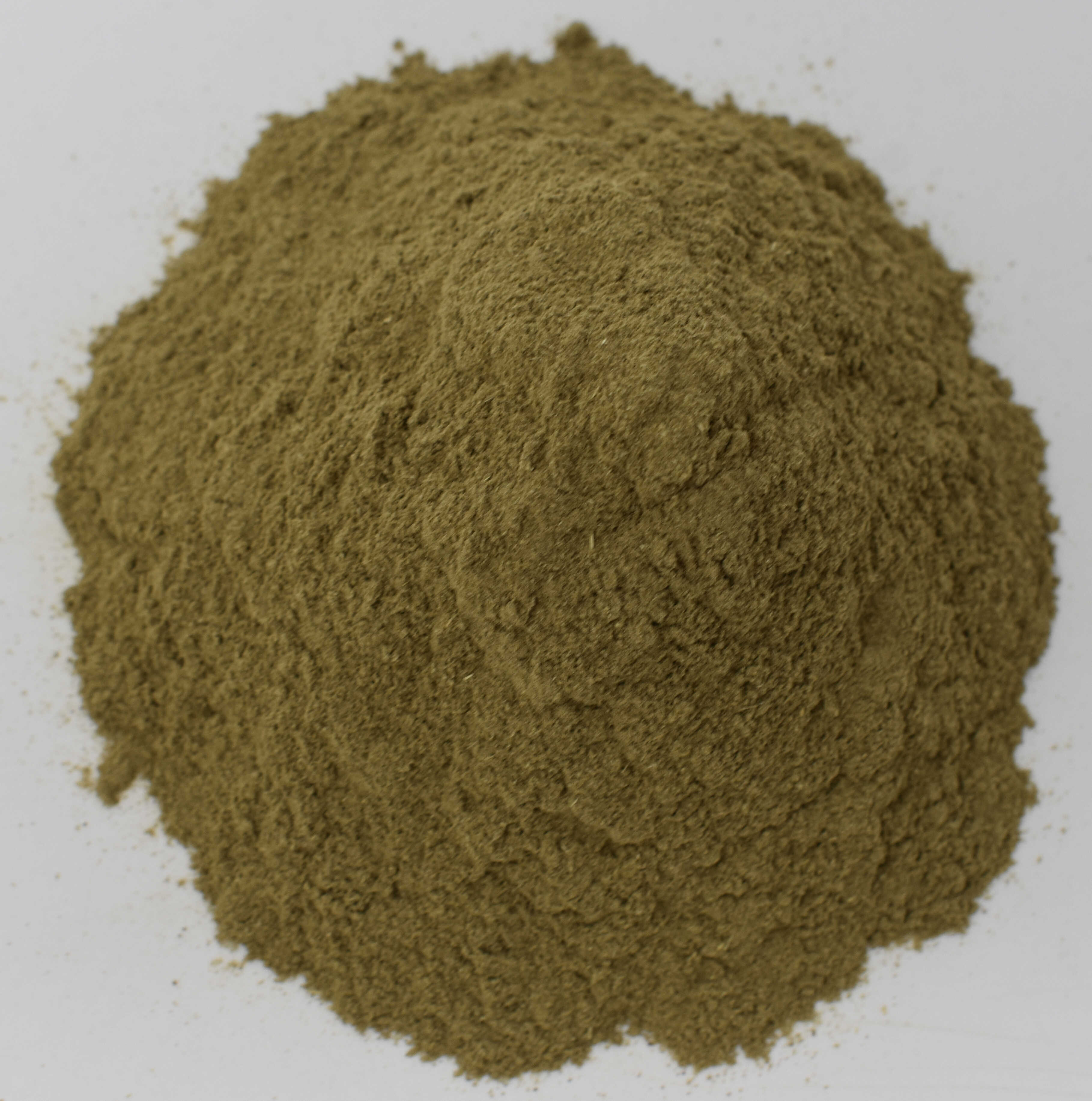
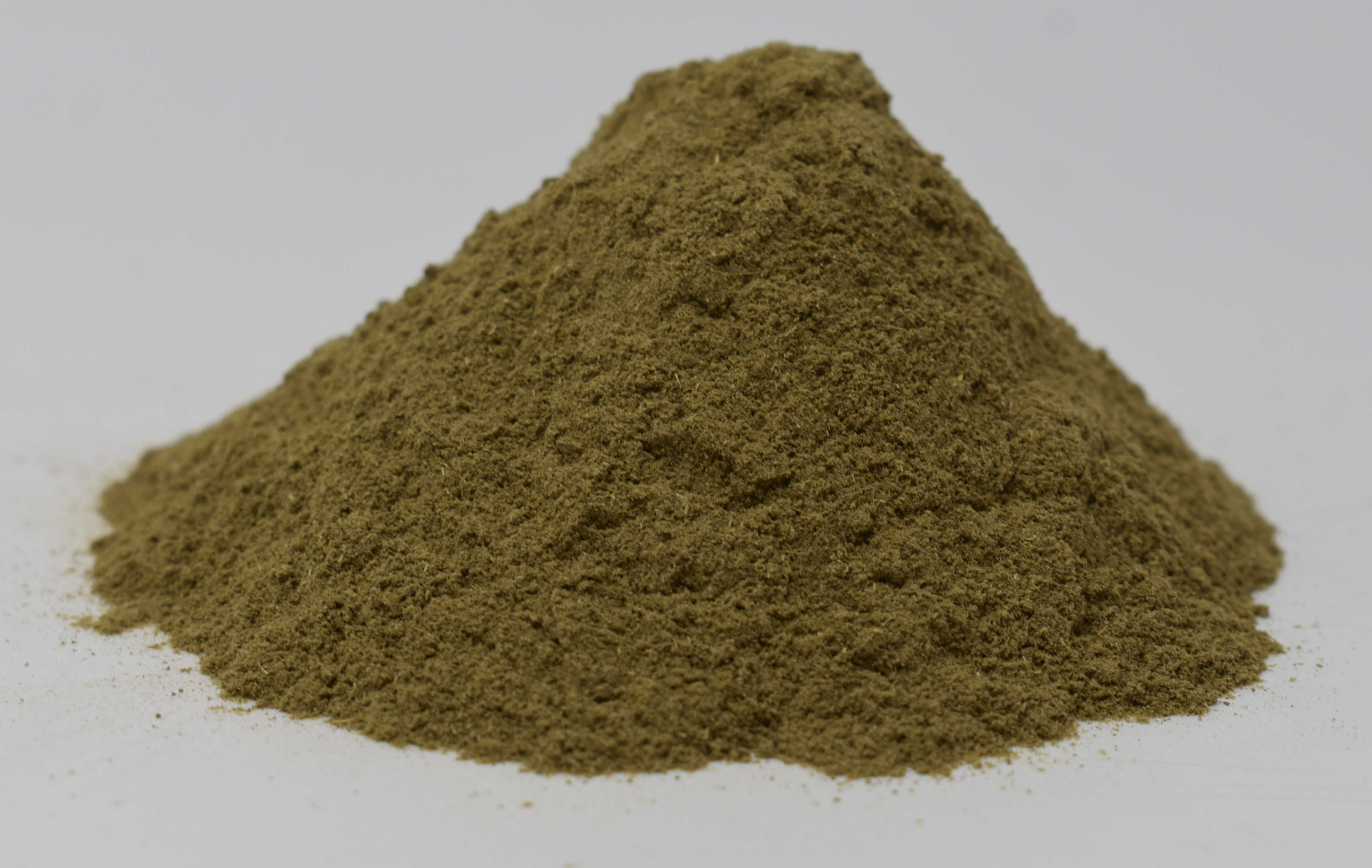
Both the leaves and root of comfrey are used medicinally to influence the bodily systems of the lungs, stomach, kidneys, and the bones and muscles. Tonic, demulcent, expectorant, vulnerary, and astringent properties make comfrey well-equipped to address many health conditions. It has traditionally been prescribed for promoting healing, broken bones, lungs, diarrhea, hemorrhage and bleeding, and lack of pepsin for protein digestion. The biochemical constituents of comfrey include allantoin, mucilage, tannins, starch, inulin, and traces of oil and liver-toxic pyrrolizidine alkaloids. The root contains steroidal saponins which, at least, partially accounts for its anti-inflammatory and pain-relieving properties.
Comfrey is indicated for any rapid wound or bone healing. As such it can be used both internally and externally with outstanding results in the healing of fractures, wounds, sores and ulcers. The allantoin in comfrey increases cell proliferation, which accounts for its rapid-healing powers.
The astringent property makes it useful for stopping hemorrhage, whether it be from the stomach, lungs, bowels, kidneys or hemorrhoids. To treat bleeding, use a strong decoction of the root, using one-half to one ounce of the root every two hours until bleeding has stopped.
Comfrey will help the pancreas in regulating blood sugar levels. It helps relieve irritations associated with the gallbladder, kidneys, bladder, small intestines and stomach. It helps promote the secretion of pepsin and is a general aid to digestion.
Its demulcent properties, especially of the root, have been used to soothe lung troubles and coughs. Comfrey root has the highest content of mucilage of any of the herbs.
Comfrey is extremely prolific in terms of its effects in promoting the rapid healing of tissues as well as its growth habits in the garden. A small piece of the root will reproduce itself in a short period.
A common addition to herb formulas, especially for the treatment of lung ailments, is comfrey mucilage. Soak two ounces of dried comfrey root overnight in one quart of water. Simmer in a covered container for thirty minutes, strain, filter and squeeze through a muslin or linen cloth. Return the extract to the cleaned vessel and add six ounces of honey and two ounces of vegetable glycerine, and simmer for another five minutes. Cool and store in a wide-mouthed jar. Take two tablespoons every hour for acute diseases (including internal hemorrhage), or two to four times daily for chronic ailments.
There has been some controversial research in which the regular long-term ingestion of Russian comfrey root is claimed as containing certain pyrilizidine alkaloids which have been known to cause liver veno-occlusive disease in humans. In this condition the small and medium veins of the liver become obstructed which results in liver disfunction, cirrhosis and possibly death. Since pregnant women, developing fetuses and infants seem to be particularly vulnerable to these alkaloids, it may not be advisable for these to take cornfrey root at all and certainly not for any prolonged period.
This information is still a point of controversy among herbalists for many reasons. While it has been demonstrated that feeding 6-week-old rats 30% to 50% of their total diet of comfrey root did cause tumors to develop, humans have never manifested tumors from regular, long-term ingestion of comfrey plants with pyrilizidine (PA's) alkaloids. Instead, humans tend to develop liver venoocclusive disease. It is known that animals have quite different metabolisms than humans. What is often poisonous and toxic to one is quite safe and harmless to the others. Further, it is unlikely that 6-week-old rats would naturally consider comfrey root as a food worthy to constitute nearly 50% of their total dietary input. This is in view of the literally millions of people worldwide who have popularly and widely used comfrey for a variety of common ailments.
Independent laboratory analysis of three specimens of comfrey root conducted by a grower in Washington State revealed one without any PA's whatsoever, while the other two only showed extremely minute trace amounts, hardly enough for serious concern. When evaluating such data, it is important to keep in mind that high concentrations of many foodlike substances taken over a prolonged period will eventually reveal some minor toxic component which would not be evident with normal consumption.
The problem with applying this type of scientific methodology with comfrey is similar to so many benign healing herbs such as a sassafras. In the case of sassafras, it is known to contain safrole, which despite its presence in varying amounts in such common foods and spices as basil, black pepper and nutmeg, is nevertheless considered to be carcinogenic to humans in its pure form. Sassafras is condemned much as comfrey is, based upon the presence, even in a minute amount, of safrole, a substance that is known to induce cancer in laboratory animals and humans when used in its pure form.
Plants have a dynamically complex biochemistry. In many instances this allows for small amounts of substances, which when isolated and concentrated might otherwise be poisonous in their whole lifeform, to be quite safe and harmless. This must certainly be one possible explanation for the fact that, despite the carcinogenicity of safrole, in the Southeastern U.S. where sassafras is taken as a regular and common beverage there is one of the lowest incidents of cancer anywhere on the North American continent. It is also a possible reason for the lack of any conclusive cases or historical records of liver veno-occlusive disease among humans who have been known to take fairly large long-term doses of comfrey root or leaf to treat a variety of diseases.
It might be pointed out that the possible toxicity of comfrey only applies to internal ingestion, not to its most valuable external use as a poultice for broken bones, wounds and ulcers. Further, many people have had wide experience using it themselves, observing only the most positive effects in its use either externally or internally. Recent studies have shown that not all comfrey leaf possesses pyrrolizidine alkaloids, and that which is harvested in late summer or fall seems to have only minute traces. The root has higher amounts than the leaf.
User Group Forum
Share your questions and information with the ZooScape community!
Be the first to post!
Directions
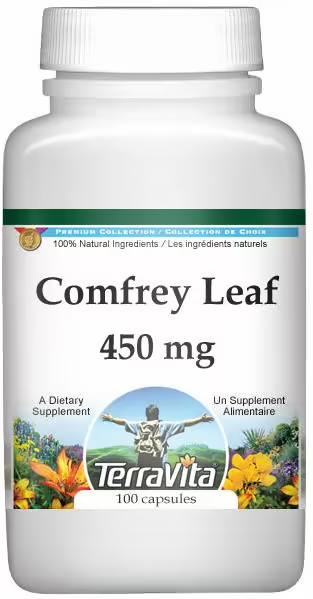
Take 1 capsule, 3 times daily, with meals.
Cautions
Comfrey is controversial. That much we know.
Some health authorities feel that this herb contains potent cancer-causing and liver-damaging agents and strongly recommend that it should not be taken for internal use. Others feel that the warnings are unsubstantiated and nothing more than scare-mongering.
The reason for its bad reputation is based on the assertion that specific pyrrolizidine alkaloids (PAs) within the herb have been shown to be hepatoxic and carcinogenic to rats when fed extremely high doses of the chemical over a period of 480 to 600 days. However, specific quantities and hard scientific data where human consumption is concerned is lacking. The defenders of the herb insist that a ridiculous quantity of comfrey would have to be ingested over an extended period of time to reach the harmful levels of PAs in the body.
For external use, the German Commission E instructs pregnant women to consult a physician before using comfrey. It finds no known side effects or drug interactions. Comfrey use should be no longer than four to six weeks per year. The Commission recommends that only extremely small dosages within preparations (1 microgram/day internally; 100 micrograms/day externally) of comfrey be taken.
It should be noted that, while the debate concerning the safety of comfrey root continues, there have been only 4 toxic reactions in human beings; these individuals took excessively large doses (either juiced or capsule form) of the leaf. It is, however, the roots that have a higher concentration of PAs (about 10 times) as compared to the leaf.
Additional Information
TerraVita is an exclusive line of premium-quality, natural source products that use only the finest, purest and most potent ingredients found around the world. TerraVita is hallmarked by the highest possible standards of purity, potency, stability and freshness. All of our products are prepared with the highest elements of quality control, from raw materials through the entire manufacturing process, up to and including the moment that the bottles or bags are sealed for freshness and shipped out to you. Our highest possible standards are certified by independent laboratories and backed by our personal guarantee.
TerraVita exists to meet and ensure your family's health and wellness without the harmful effects or chemicals and prescription medications. We strive to make all of our products affordable and reliable and are constantly searching the market to maintain our affordability and to look for new ways to serve you and the ones you love. TerraVita has become a trusted household name for many families and can bring you and yours the very best herbal supplements, blends, teas and spices that are on the market today.
TerraVita is packed in childproof, tamper-proof pharmaceutical-grade recyclable containers.
ZooScape is proud to be the exclusive distributor of TerraVita teas, herbs and supplements in the United States, Canada and around the world. Please direct all wholesale and bulk inquiries to Simona Heather at 905-494-1785.
These statements have not been evaluated by the Food and Drug Administration (FDA). Products are intended to support general well being and are not intended to treat, diagnose, mitigate, prevent, or cure any condition or disease. If conditions persist, please seek advice from your medical doctor. The essence of the current American rule on Traditional Uses is, as stated by FTC, "Claims based on historical or traditional use should be substantiated by confirming scientific evidence, or should be presented in such a way that consumers understand that the sole basis for the claim is a history of use of the product for a particular purpose."