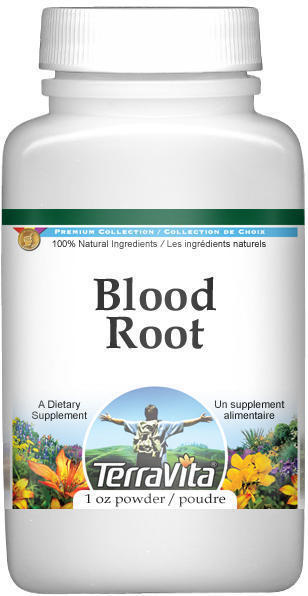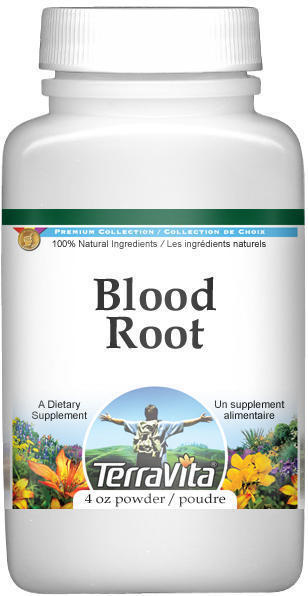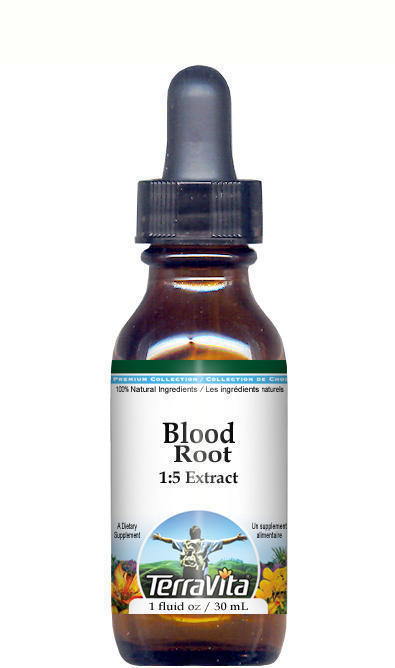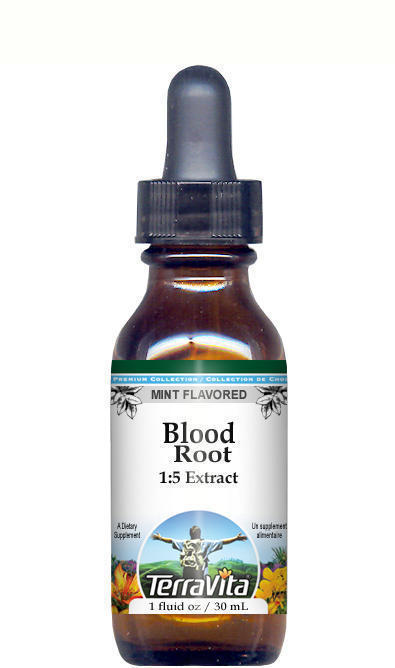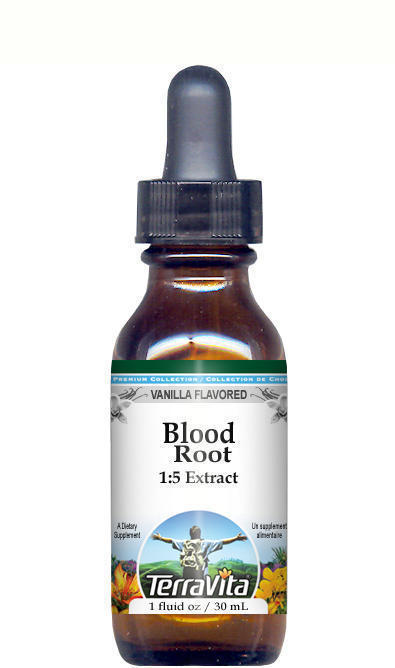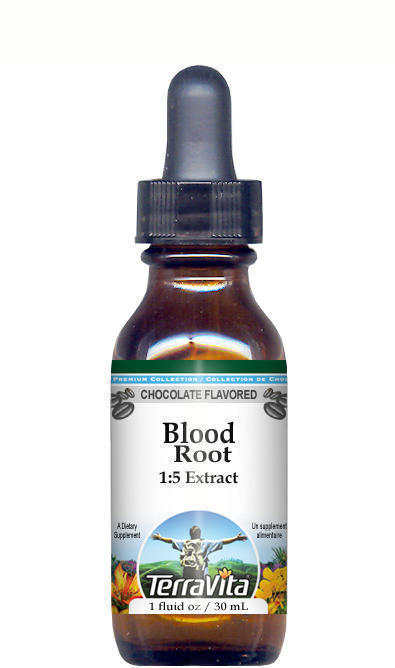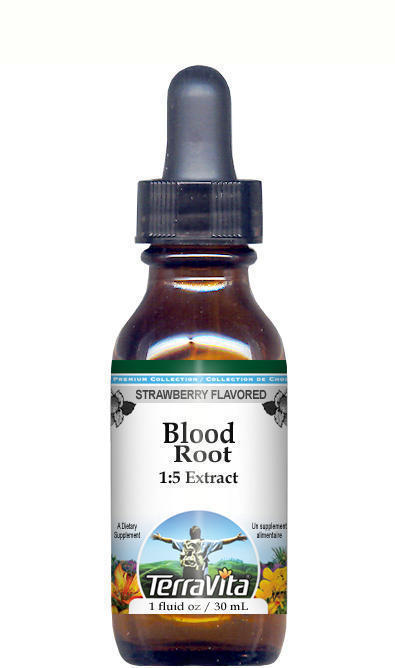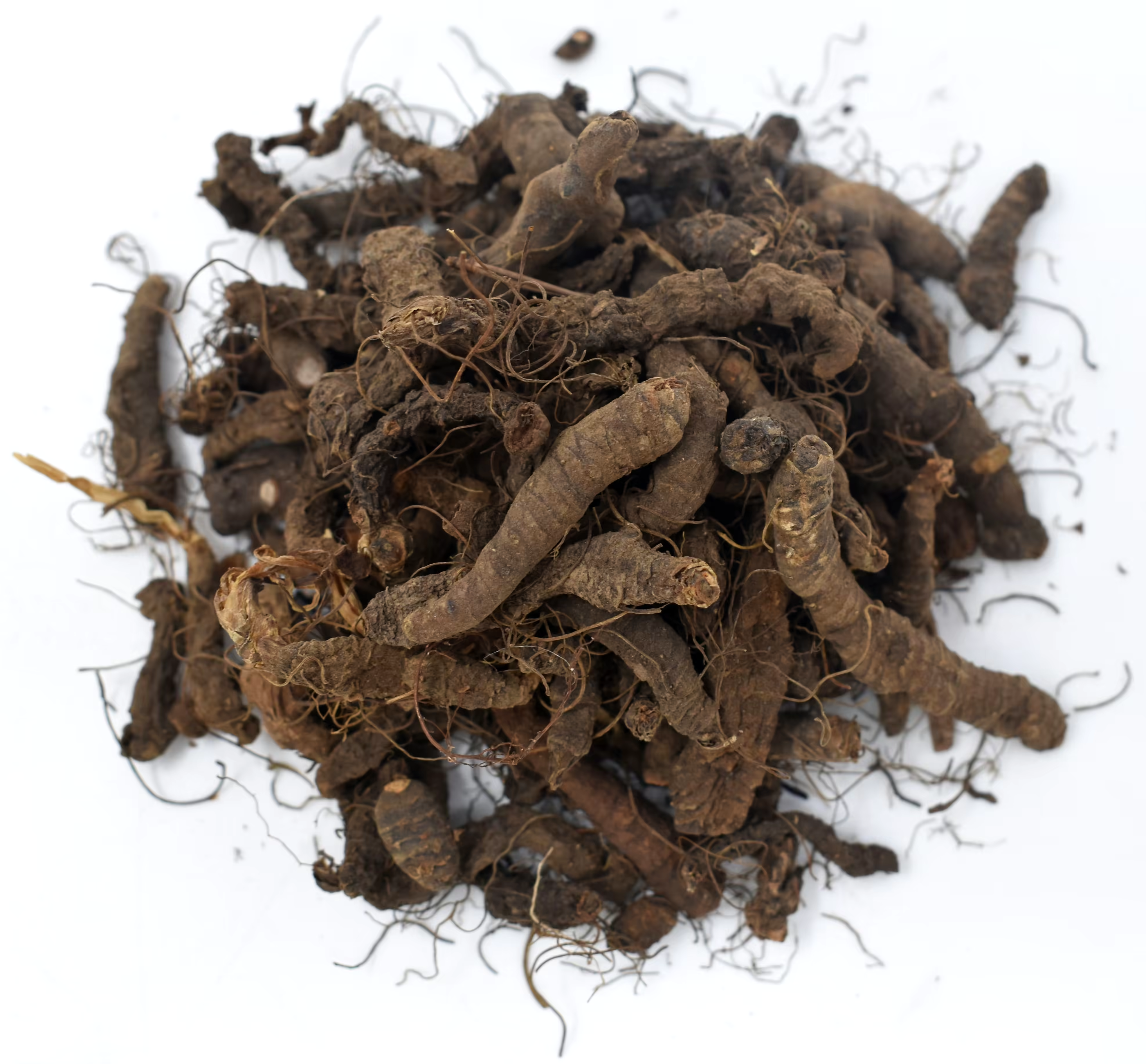
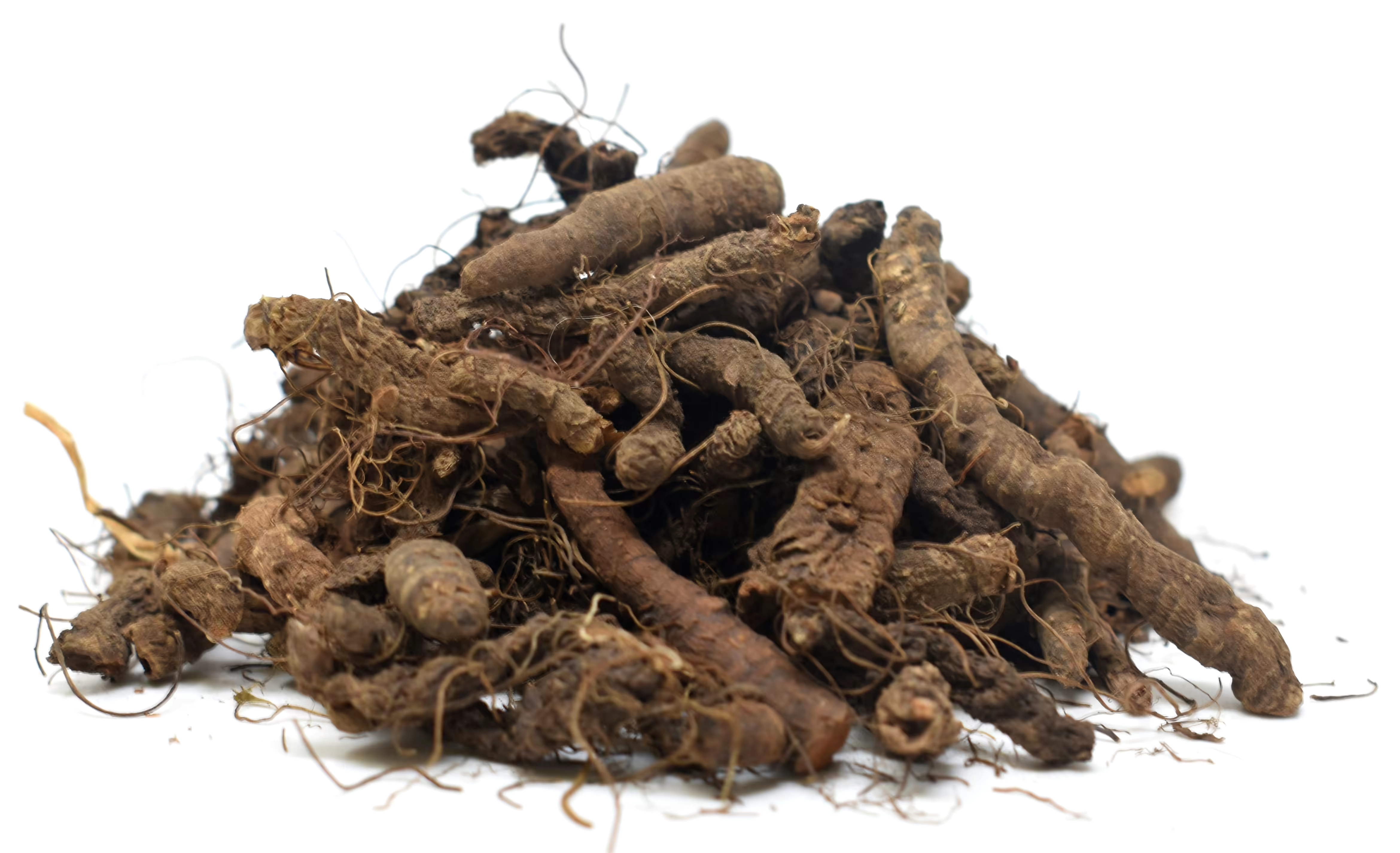
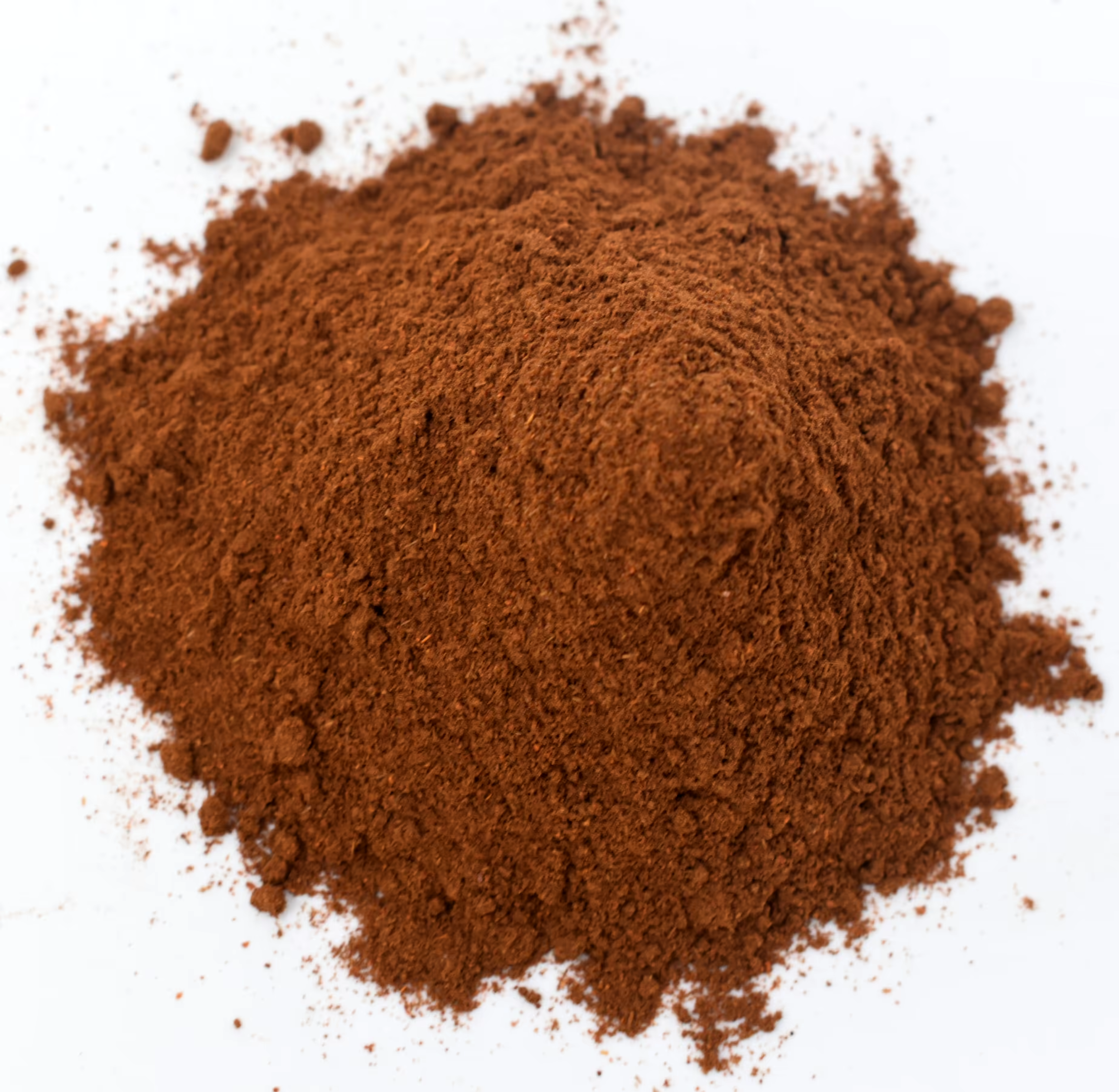
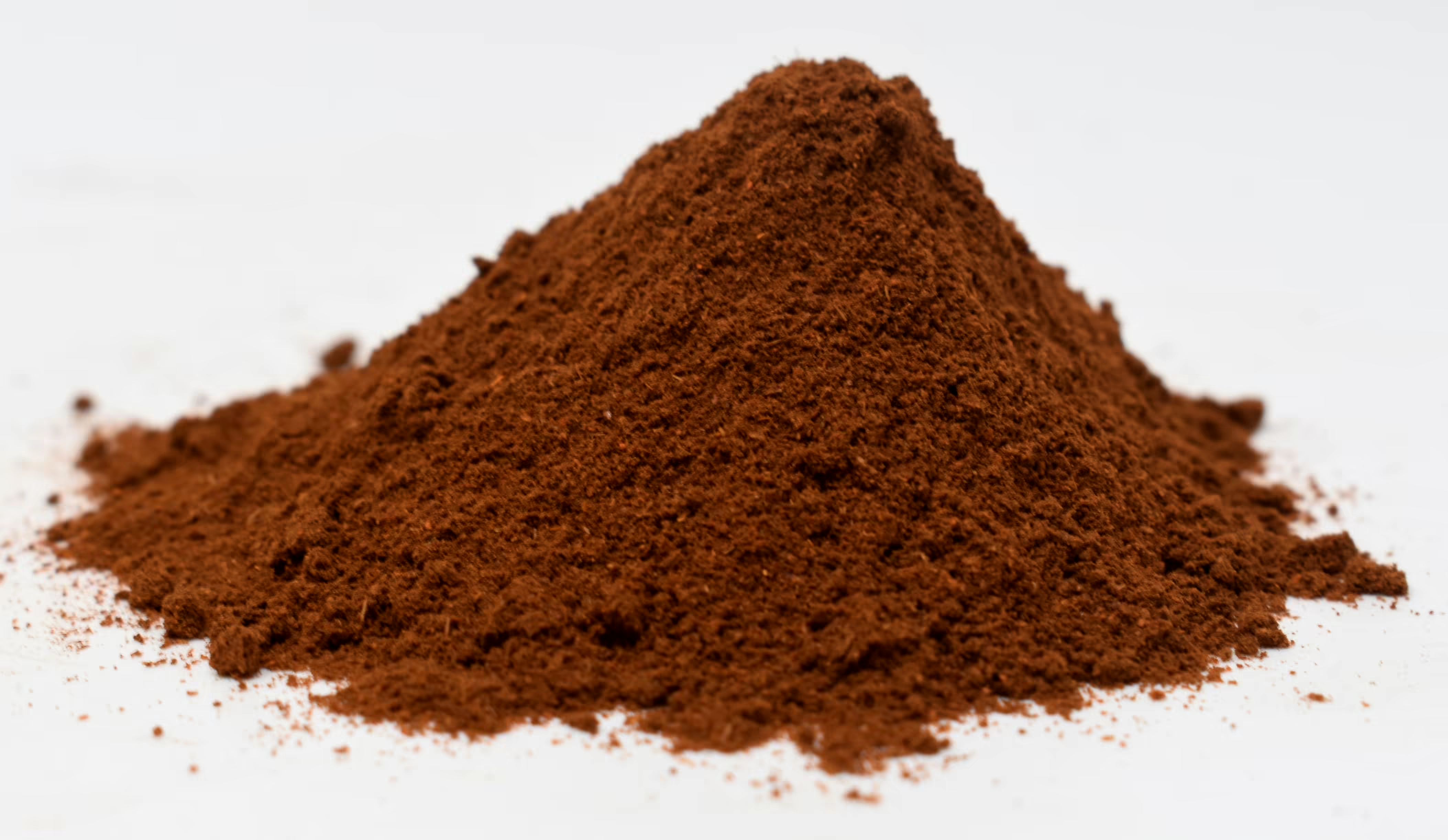
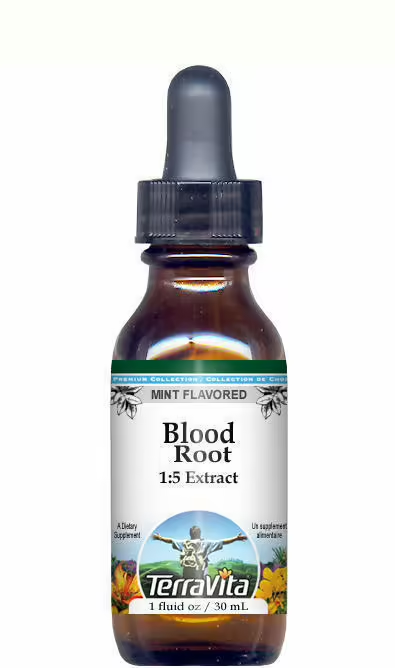
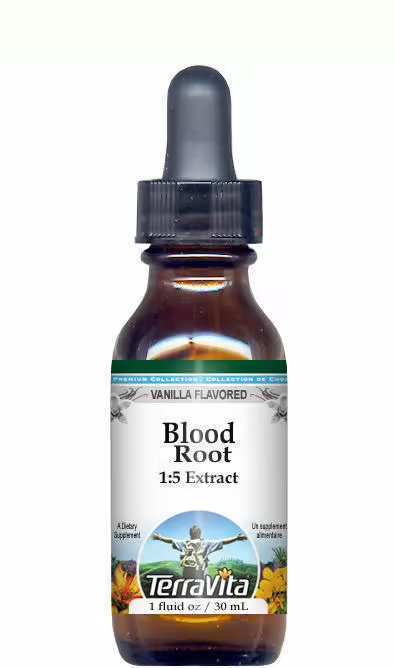
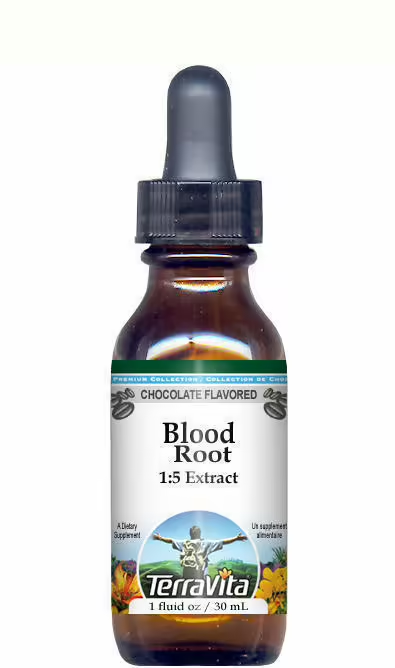
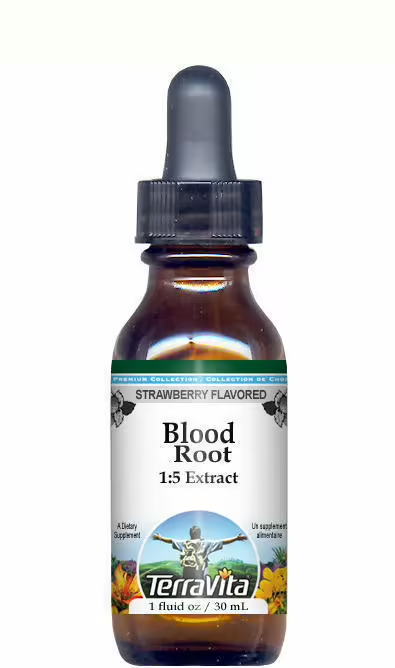

The genus name Sanguinaria, Latin for bloody, as well as the common names, reflect the orange-red latex which oozes as a juice from damaged areas of all parts of the plant,...
* Please Note: Traditional Use information is provided as a courtesy only. Although we have done our best to review the validity of these uses and we continue to revise this information as new data emerges, the traditional uses indicated on this page for this product may be wrong. This information is based on Traditional and Folklore Medicine which uses natural materials to support health. This information has not been evaluated or approved by the FDA and is not necessarily based on scientific evidence from any source. These statements have not been evaluated by the Food and Drug Administration (FDA). These products are intended to support general well being and are not intended to treat, diagnose, mitigate, prevent, or cure any condition or disease. If conditions persist, please seek advice from your medical doctor.
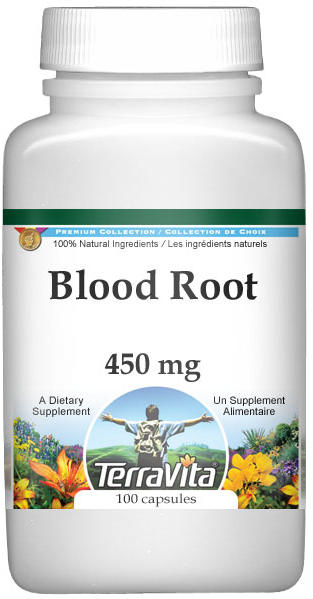
The genus name Sanguinaria, Latin for bloody, as well as the common names, reflect the orange-red latex which oozes as a juice from damaged areas of all parts of the plant, but especially from the rhizome.
English Common Names
Bloodroot, puccoon (from the name in Algonkian languages, poughkone), Indian paint, Indian plant, Indian red paint, cooriroot, paucon, pauson, red paint root, red puccoon, red root, sanguinaria, snakebite, sweet slumber, tetterwort (tetter is an Old English word for various skin diseases such as ringworm, impetigo, and eczema).
French Common Names
Sanguinaire, sanguinaire du Canada.
Morphology
Sanguinaria canadensis in the poppy family (Papaveraceae) is the only species of its genus. It is a low-growing (Ca. 15 cm high when flowering; to 50 cm at maturity) perennial herb, produced from a branching, horizontal, reddish-brown, succulent rhizome, from which stems arise aerially at various points, while beneath the ground there are many adventitious roots. Each stem generally produces a solitary basal leaf (sometimes two), which in its early development envelops and protects a single long-stalked flower 2.5-5 cm broad (or even larger in cultivated plants), with 4-16 fugaceous white or rarely pink petals (more in a cultigen, as noted below). Flowering occurs in very early spring. As flowering progresses, the leaf continues to grow, developing a striking orbicular or reniform blade 6-30 cm broad, with 6-9 palmately arranged lobes, the lobes themselves sometimes lobed. The petioles arise beneath the ground, and may elongate to as much as 30 cm, so that the mature leaf overtops the fruit. The solitary, narrow capsule is 3-6 cm long, and splits when mature into two persistent valves, releasing the numerous 3 mm long seeds, each with a large crest.
Classification and Geography
Bloodroot is indigenous to eastern and central Canada and the US, occurring from Nova Scotia west to Manitoba and Nebraska, and south to Alabama, Arkansas and Florida. It is more common inland than on the Coastal Plain, and sometimes Blood root has become infrequent in areas where it has been gathered for medicine. Plants of the southern US range are sometimes segregated as var. rotundifolia (Greene) Fedde.
Ecology
Bloodroot grows best in shaded, cool, moist open hardwood groves and on well-drained woodland slopes, on circumbasic soils. In favorable situations large colonies may be formed, although sometimes only scattered individuals are encountered.
The attractive flowers have no nectar and the plant self-pollinates readily. However, the blossoms can supply some pollen to foraging insects. Several species of ants are attracted by small, oily protuberances on the surface of bloodroot seeds. The ants carry the seeds to their underground nests. It has been suggested that this increases seed survival and seedling establishment, reducing losses from foraging insects, birds and rodents. Dispersal of seeds by ants, i.e., myrmechory, is a widespread symbiotic relationship. The ants benefit by consuming the elaiosomes (nutritive tissues of the propagule developed specifically for the ants), while the plants benefit by having their seeds planted, often in areas rich in soil nutrients. Seneca snakeroot, discussed in this work, is also ant-dispersed.
Medicinal Uses
Traditionally, bloodroot was commonly used by North American Indigenous Peoples before the arrival of European settlers, for such ailments as rheumatism, asthma, bronchitis, laryngitis, and fevers. It was frequently employed orally as an emetic and as an expectorant (especially in treating bronchitis), and topically as an ointment for skin ulcers and cancers, both by Indians and settlers, and these usages were continued in modern western medical practice of the early part of this century. Traditional medicinal uses of bloodroot have largely been abandoned because of the toxicity of the plant, although it has been established that bloodroot has antimicrobial and antitumor properties. Despite its toxicity, bloodroot continues to be used in medicine, and is present in more than a dozen commercial preparations marketed in Canada, usually as expectorants, cough syrups and tinctures. Lexat is an Australian product for digestive disorders that contains bloodroot. Bloodroot is no longer recommended as an emetic. The most recent modern medical use of bloodroot arises from its bactericidal and bacteriosiatic properties against oral plaque-forming organisms. Sanguinarine has been the active agent in anti-plaque, anti-gingivitis oral rinses and toothpastes, the most well known of which is the brand Viadent. However, very recently sanguinarine has been removed from Viadent formulations by the manufacturer, Colgate, because of new evidence linking the development of pre-cancerous interoral lesions with its prolonged use (see Damni et al. 1999).
Chemistry
The physiological activity of bloodroot is due to benzophenanthridine alkaloids, found mainly in the rhizomes, and constituting 3-9% of the rhizomes. Sanguinarine makes up 50% or more of these alkaloids, and is considered the most important. The older rhizomes have more sanguinarine than the younger. Sanguinarine is water-soluble, and is responsible for the orange-red color of the latex of bloodroot. It has been shown that there is a north-south ecodine in the US in sanguinarine content, the southern populations having a higher content Several of the alkaloids present also occur in opium (not surprising since opium poppy and bloodroot belong to the same family, the Papaveraceae), and have some feeble narcotic potential. Sanguinarine strongly inhibits root rot fungi, and may protect the perennial rhizome from fungal disease.
Non-medicinal Uses
Bloodroot is cultivated in gardens for its showy flower and striking foliage. As an ornamental, it is most useful as an early-flowering border plant in shady locations. Because it is uncommon, it should not be transplanted from the wild, but rather established from seeds or from horticultural suppliers who have propagated their stock, not merely collected wild plants. The petals of wild plants are easily lost to wind and rain, but a popular mutant form with extra petals, called "peony flower" and "double bloodroot," or known by the cultivar names "Multiplex" and "Florepleno," arose in the Mid-western US about 1950. This has extra petals in place of the stamens, but is sterile, and must be cultivated from rhizomes and not from seeds.
The reddish juice of bloodroot is a very effective dye, and was much used by Indigenous Peoples as a body paint, and to decorate baskets, weapons, implements, and clothing (hence the name "Indian paint"). Early colonists also used the plant to dye cloth, and it was exported to Europe for this purpose. Some Indian groups also employed bloodroot in religious services, and as an insect repellent.
Agricultural and Commercial Aspects
Most bloodroot rhizomes acquired for commerce come from harvesting wild eastern US plants. ithizomes of plants that are 2 or more years old are excavated in late summer, and dried after the brittle, wiry roots are removed. In the past it was often recommended that collecting be carried out in the fall, after the foliage dies down, although more recent work suggests that the time of highest concentration of alkaloids is during or immediately after flowering. Collected rhizomes vary from 2 to 7 cm in length, and from 5 to 15 mm in diameter. The orange-red latex oozes from the broken ends, forming a reddish resinous coating upon drying.
In the last decade it has been found that sanguinarine can be obtained from alternative sources, so that cultivating bloodroot for this chemical is doubtfully worthwhile. Sanguinarine occurs in the Asian Macleaya cordata (Willd.) R. Br. (Bocconia cordata), the plume poppy, and since this species is relatively easily cultivated it is a potential competitive commercial source of the alkaloid. Moreover, technology has advanced to the point that sanguinarine is being produced commercially from tissue culture in large vats, for use in toothpaste and mouthwash. Nevertheless, bloodroot extracts are the subject of considerable ongoing pharmacological research. Although cultivation is of limited agricultural interest in Canada today, the remarkable chemistry of bloodroot is believed to have economic potential.
Myths, Legends, Tales, Folklore, and Interesting Facts
Bachelors of the Ponca tribe used bloodroot as a love charm. Applying the red juice to the palm and shaking hands with the woman they wanted to marry was believed to induce consent.
User Group Forum
Share your questions and information with the ZooScape community!
Be the first to post!
Directions
Stir 1/4 of a teaspoon into a glass of water and consume 3 times daily, with meals.
Cautions
Toxicity
In toxic doses, bloodroot acts as a poison to the voluntary muscles, produces vomiting, sensations of burning in all contacted mucous membranes, tormenting thirst, faintness, vertigo, dimness of vision, cardiac inhibition, and possibly death. Although potentially deadly, fatal consumption of wild plants of bloodroot does not seem to have been recorded in North America either for people or animals, presumably because the bitter, acrid taste discourages consumption of a dangerous amount.
Additional Information
TerraVita is an exclusive line of premium-quality, natural source products that use only the finest, purest and most potent ingredients found around the world. TerraVita is hallmarked by the highest possible standards of purity, potency, stability and freshness. All of our products are prepared with the highest elements of quality control, from raw materials through the entire manufacturing process, up to and including the moment that the bottles or bags are sealed for freshness and shipped out to you. Our highest possible standards are certified by independent laboratories and backed by our personal guarantee.
TerraVita exists to meet and ensure your family's health and wellness without the harmful effects or chemicals and prescription medications. We strive to make all of our products affordable and reliable and are constantly searching the market to maintain our affordability and to look for new ways to serve you and the ones you love. TerraVita has become a trusted household name for many families and can bring you and yours the very best herbal supplements, blends, teas and spices that are on the market today.
TerraVita is packed in childproof, tamper-proof pharmaceutical-grade recyclable containers.
ZooScape is proud to be the exclusive distributor of TerraVita teas, herbs and supplements in the United States, Canada and around the world. Please direct all wholesale and bulk inquiries to Simona Heather at 905-494-1785.
These statements have not been evaluated by the Food and Drug Administration (FDA). Products are intended to support general well being and are not intended to treat, diagnose, mitigate, prevent, or cure any condition or disease. If conditions persist, please seek advice from your medical doctor. The essence of the current American rule on Traditional Uses is, as stated by FTC, "Claims based on historical or traditional use should be substantiated by confirming scientific evidence, or should be presented in such a way that consumers understand that the sole basis for the claim is a history of use of the product for a particular purpose."