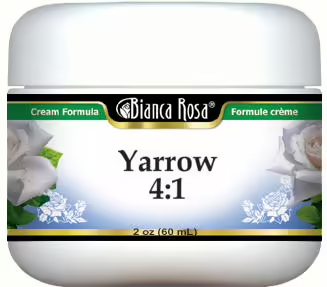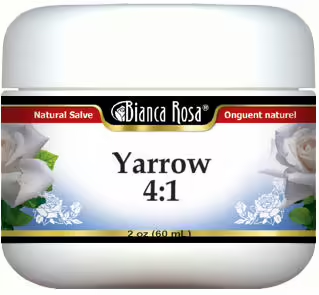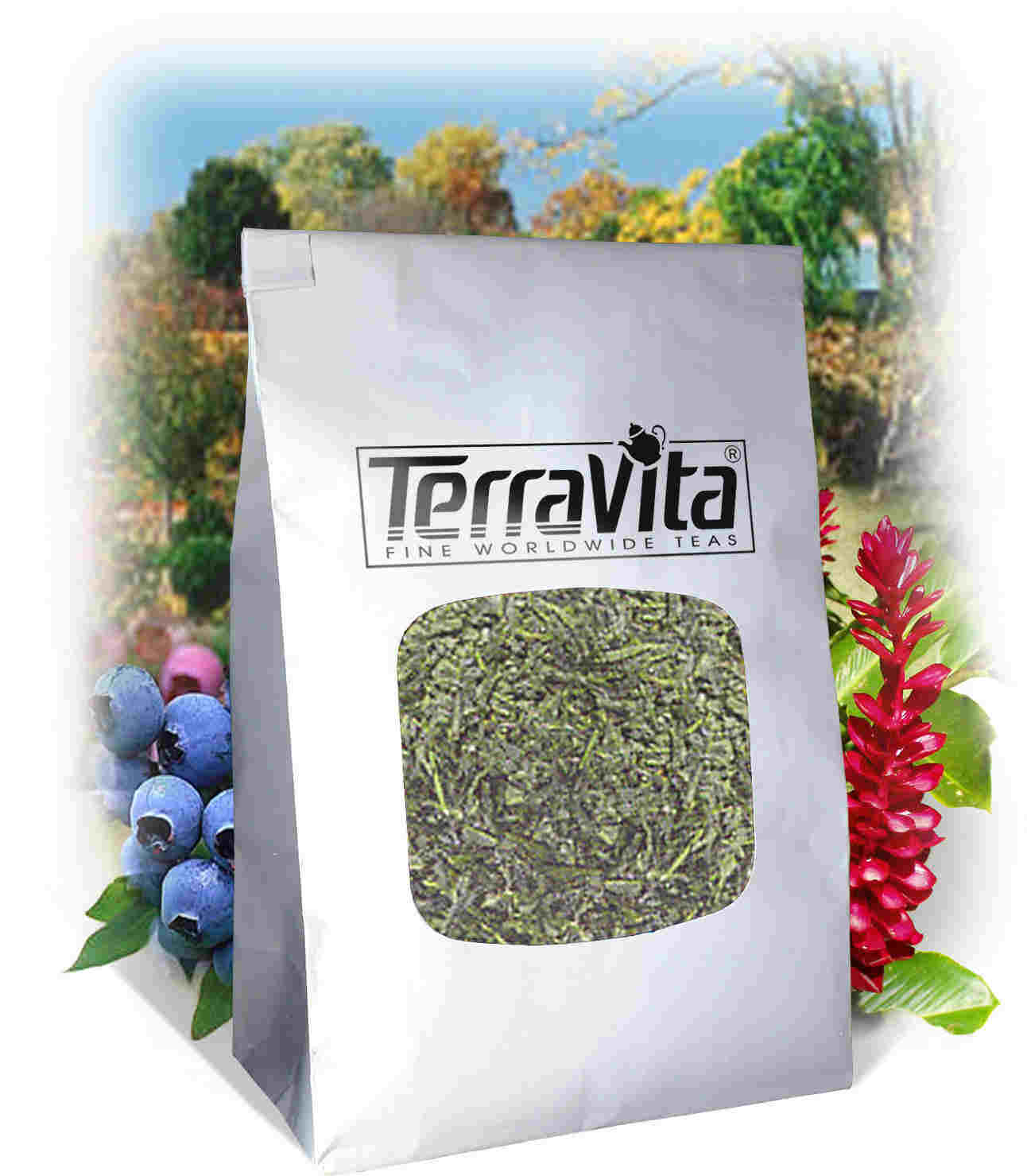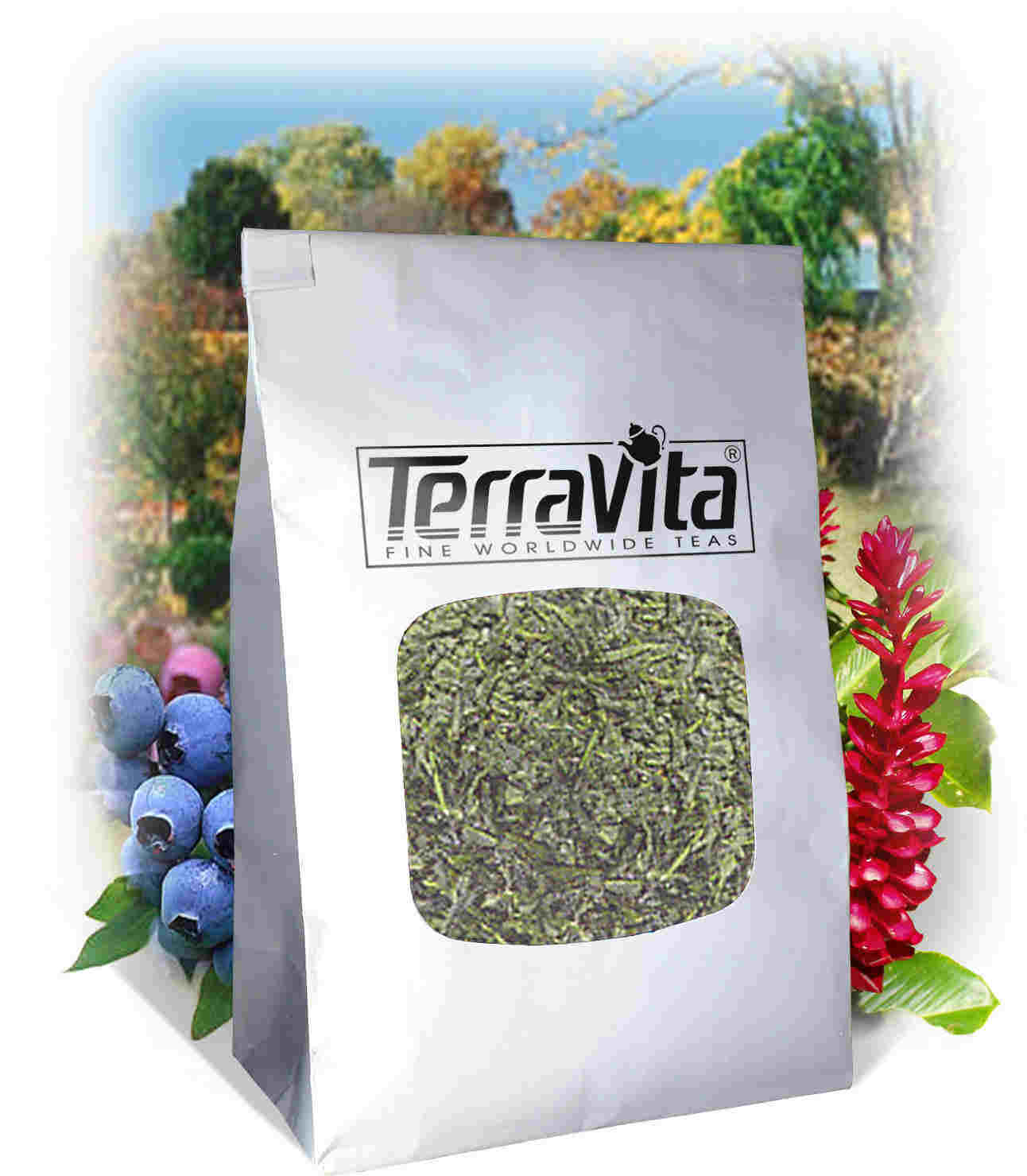

Yarrow Flower - 450 mg,TerraVita,buy,purchase,yarow,yarro,yaro,yarrow he
Books
Sign In | View Cart Cart | Wish List | Help
ToysHealthPersonalAdultBaby
Home & Garden
Checkout Now »
Cart Cart Cart
0 Items
Cart
100% Safe and Private!
Search     for:    
Phone - 1-800-760-8783
Books
You are here: Home > Health > Herbs > Y > Yarrow FlowerHealth

Herbs
Y
Yarrow Flower
Yellow Dock
Yerba Mate
Yerba Santa
Yew Bark
Yohimbe
Yucca Root


Questions?

Telephone Us Now!

1-800-760-8783
1-905-494-1785

Email us now!
 
All Products - #1 of 18:   Next  Next
View: All Products (18) | Liquid Extracts (5) | Oils (3) | Pills (2) | Powders (2) | Teas (4) | Creams, Salves and Gels (2)

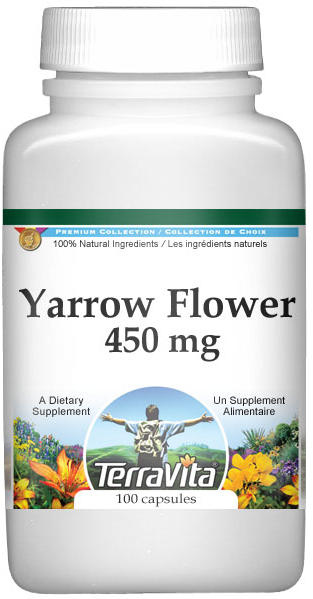
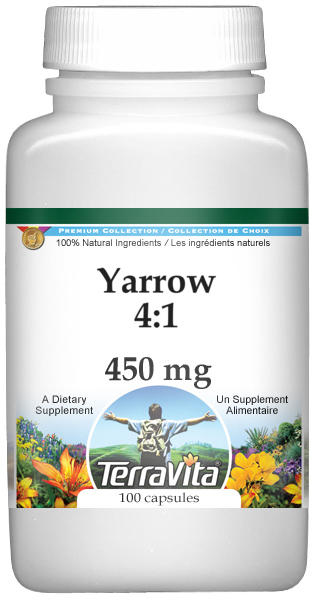
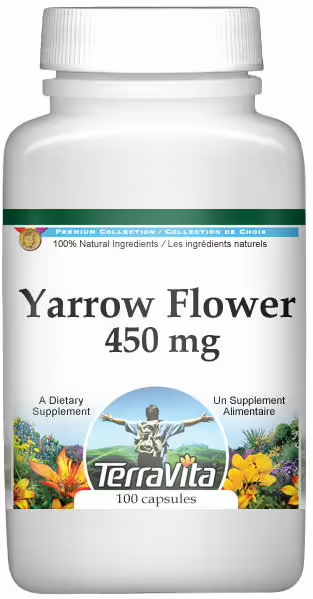
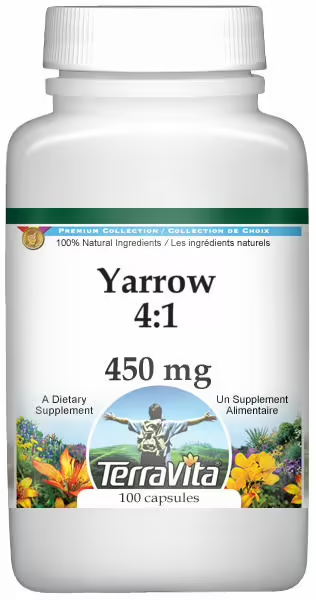
Yarrow Flower - 450 mg
Used Medicinally For Thousands of Years! *
100 capsules

Yarrow Flower - 450 mg

Enlarge Photo
 
Effectively treats inflammation, fever, appetiti, nosebleeds, excessive menstruation, diarrhea and more *

More Info below.
 
  Our Price: $17.04 US
  
Click button to Buy.  
  In Stock - Ships Right Now!

Specifications

ZIN Product Number: 511486
Size: 100 capsules
Weight: 0.18 lbs (0.08 KG)
Size (inches): 1.77" X 1.77" X 3.94"
Size (cm): 4.5 cm X 4.5 cm X 10.0 cm

Manufacturer:
TerraVita

Ingredients: Yarrow Flower (450 mg)

Other Ingredients: Gelatin, Water

* Please Note: This information is based partly on Traditional Medicine which uses natural materials to support health. This information has not been evaluated or approved by the FDA. These statements have not been evaluated by the Food and Drug Administration (FDA). These products are intended to support general well being and are not intended to treat, diagnose, mitigate, prevent, or cure any condition or disease. If conditions persist, please seek advice from your medical doctor.

Description

Medicinal Usage

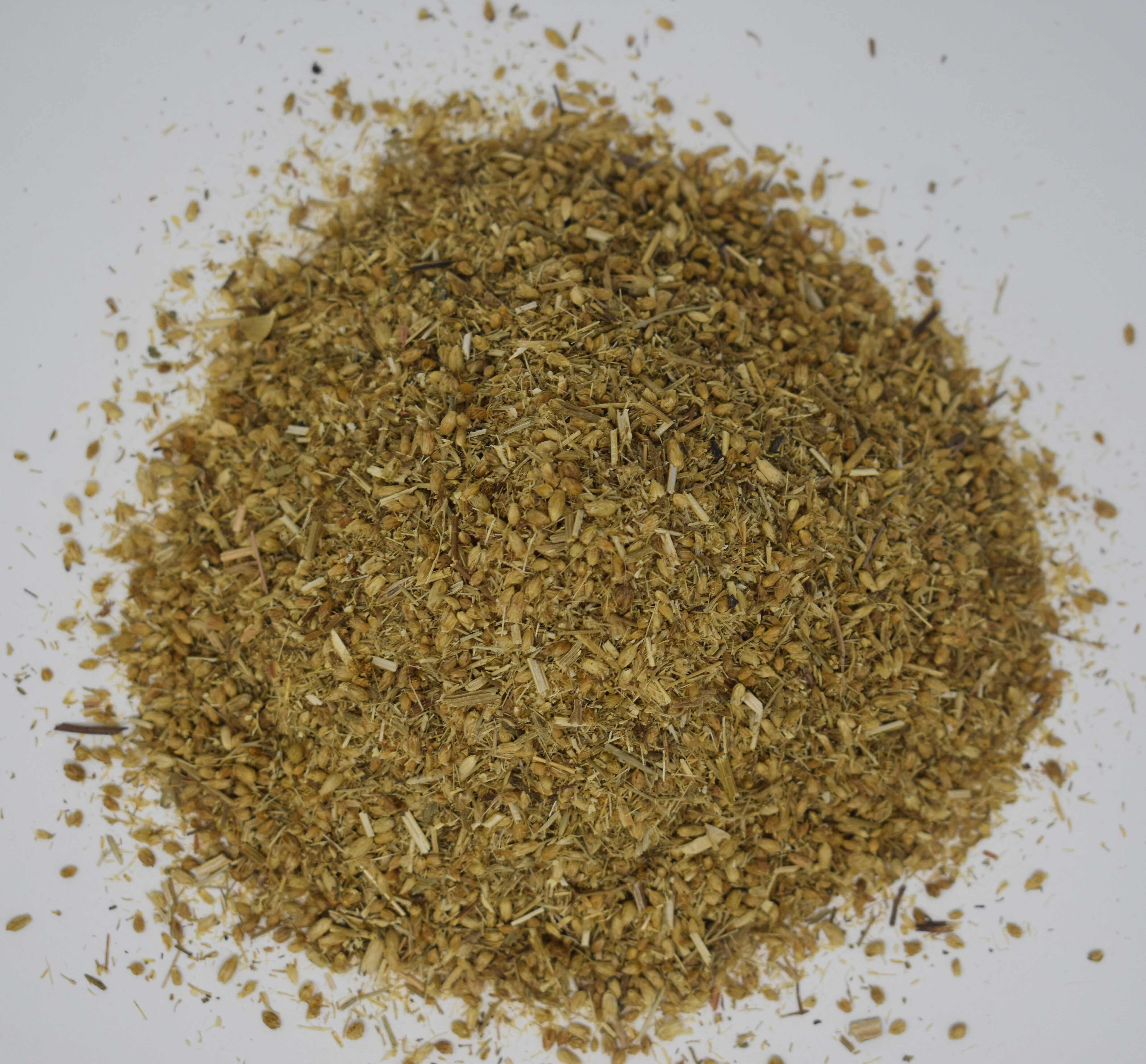
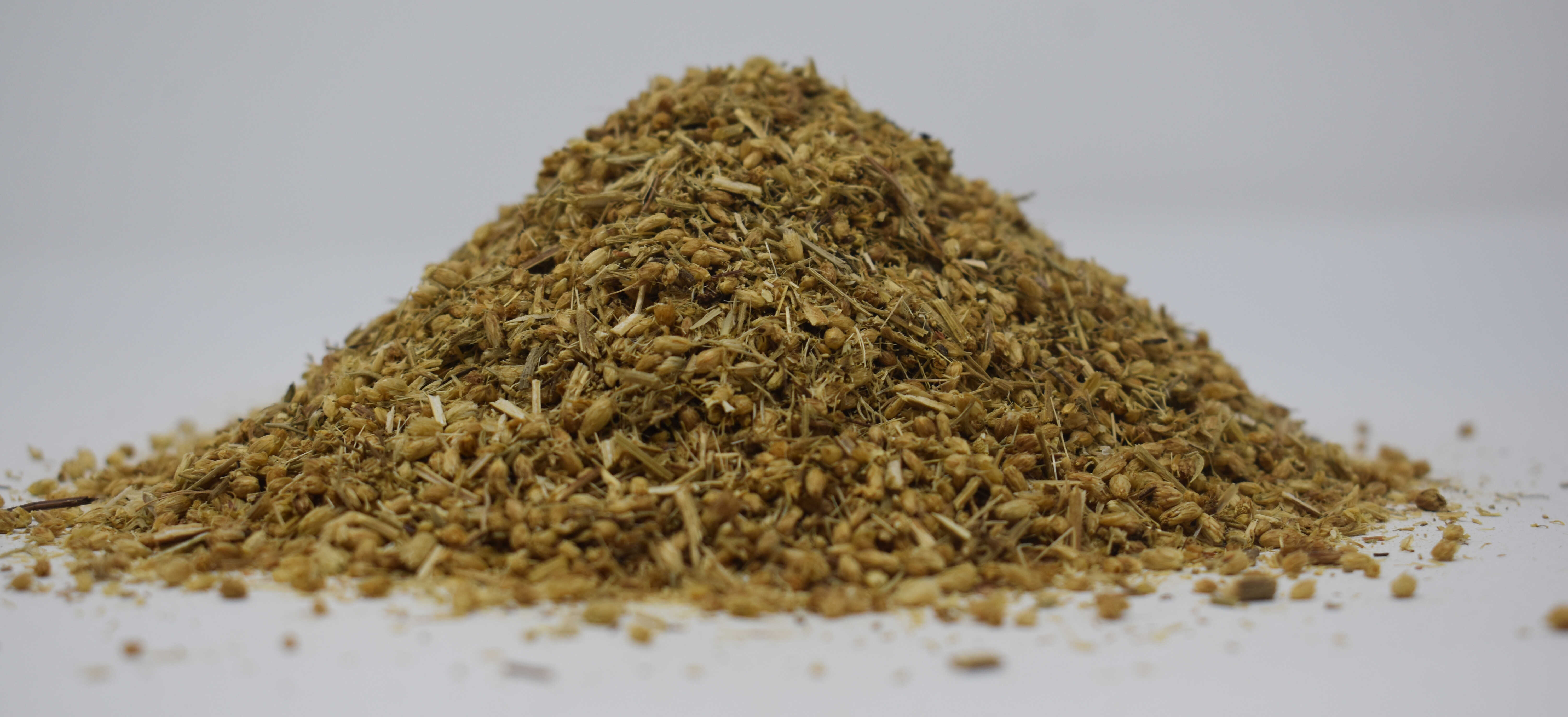
The flowers have stronger medicinal powers than the leaves. Yarrow has been used to stop bleeding and heal wounds by cultures from the ancient Greeks to North American Indians. Some herb harvesters after cutting themselves, have crushed yarrow flowers or leaves in the palm of their hands, washed the wound, then applied the yarrow directly to the cut. Without any additional aid, the bleeding would stop and even deep cuts healed without infection within a few days - often to the amazement of the wounded. It is important to clean the cut before applying yarrow, otherwise the poultice will close the dirt within the wound.

American Indians used yarrow to treat sprains, bruises, swollen tissue, rashes, itching, nose bleeds, fevers, colds, headache, delayed menstruation, and a host of other ailments. Hemostatic, expectorant, analgesic, carminative, diaphoretic, emmenagogic, anti-inflammatory, antipyuretic, antiseptic, and stomachic properties are locked in a tincture of yarrow. Many feel it is one of the most useful of home remedies.

Over 120 compounds have been found in yarrow. A complex and variable essential oil contains chamazulene, pinenes, caryophyllene, eugenol, borneol, cineole, camphor and other compounds. Sesquiterpene lactones may be responsible for yarrow's anti-inflammatory qualities. The alkaloid achilleine is an active hemostatic agent. Flavonoids may account for the antispasmodic activity. Yarrow also contains tannins and coumarins.

General Herb Information

Over sixty species are found in the genus Achillea. A. millefolium grows throughout temperate and boreal regions of the Northern hemisphere and to some extent in the Southern hemisphere.

It is a hardy aromatic perennial growing to three feet tall. The finely divided feathery leaves are about two to eight inches long, becoming progressively smaller toward the top of the plant. The white flower heads are in terminal flat clusters. Each flower head is about one-fourth inch across. The entire cluster is three to four inches in diameter. It blooms from June to September. There are numerous cultivars including the flaming pink `Rubra' and the light pink `Rosea'?

Propagate yarrow by seeds or root divisions in spring and fall. Plants should be given eight- to twelve-inch spacings. Clumps should be divided every three to four years to stimulate growth. The tiny seeds can be tamped on the surface of a well-prepared seed bed. They germinate in ten to fourteen days.

Yarrow likes almost any soil but prefers an acidic situation (pH 4.5 to 7). It requires little care, is drought resistant, and should have full sun. Plants become weak and leggy under shade.

Harvest plants as they come into bloom. They dry quickly and easily.

Yarrow

Achillea millefolium L.

Pronounce the genus name a-KILL' ee-ah or a-K[L-lee-a, and the specific epithet mil-le-FOE-lee-um.

English Common Names

Yarrow, milfoil. The name "yarrow" is said to have originated from Scots Gaelic, where it means "rough stream," and is the name of Scotland's Yarrow River, as well as a place in the county of Selkirkshire. "Yarrow" refers chiefly to A. millefolium, but is also sometimes used for related species. The name milfoil, which refers to the finely dissected foliage, is a corruption of millefolium, meaning thousand-leaved, originally from Latin. Uncommon or archaic names include: band man's plaything, bloodwort, carpenter's weed, devil's nettle, devil's plaything, field hop, nose bleed, old man's pepper, sanguinary, soldier's woundwort, staunch-weed, thousand-leaf, thousand weed, and white yarrow.

French Common Names

Achillée millefeuille, herbe à dinde, persil à dinde.

Morphology

Yarrow plants are strongly aromatic, long-lived perennial herbs, 10-100 (typically 30-60) cm tall, with highly dissected leaves to 15 cm long, and flowers in a flat-topped inflorescence. As with most members of the daisy family, what appears to be a single, small flower about 5 mm across, is actually a flower head, often including outer ray flowers and inner disc flowers. The blooms are usually white, with pink, magenta, and red occasionally found. The flowers, appearing in July and August, are self-incompatible and pollinated by insects. The "seeds," actually small, dry indehiscent fruits about 2 nmi long, mature in August and September, and are probably (like many other plants apparently lacking special dispersal adaptations) disseminated by adhesion to wet animals, by blowing over snow surfaces, and in other ways. They are not equipped with the parachute-like pappus that enables effective wind dispersal in many members of the daisy family. Yarrow overwinters in cold climates as a dormant rosette. The plant spreads from an extensive, much-branched rhizome system.

Classification and Geography

Achillea millefolium occurs mostly in temperate and boreal zones of the Northern Hemisphere, and to a lesser extent in more southern regions. It is a very variable and widespread species, for which a satisfactory infraspecific classification is not available. Diploid, tetraploid, and hexaploid plants (respectively with 18, 36, and 54 chromosomes) are known. In Canada the hexaploids occur mainly in the East, and appear to represent weedy plants introduced from Europe. Indigenous Canadian A. millefolium is often segregated into several species. Two such segregates, A. lanulosa Nutt. (= A. millefolium var. lanulosa (Nutt.) Piper) and A. borealis Bong. (= A. millefolium var. borealis (Bong.) Farw.), occur mostly as tetraploid (also as hexaploid) plants across Canada. Unlike the former, the latter variant is mostly absent from the southern prairies and southern Ontario and Quebec, while more frequent in the north, in alpine regions, and along both seacoasts. Neither chromosome number nor morphological features are consistently helpful in distinguishing the major indigenous Canadian variants, which - are best simply assigned to A. millefolium sensu lato (i.e., in the broad sense). As the venerable Harvard botanist M.L. Fernald put it a half century ago, yarrow is still "sadly in need of a well-balanced study, its intricacies not properly understood." One of the more interesting variants that recent studies have supported as distinct is ssp. megacephala (Raup) Argus. It is one of several taxa (including Stellaria arenicola Raup, Deschampsia mackenzieana Raup, and Salix silicicola Raup) that are endemic to the Athabasca sand dunes on the south shore of Lake Athabasca in northwestern Saskatchewan. The distinctive taxa occurring in this region are believed to have evolved recently, during the Holocene (10,000 B.P. to the present).

Ecology

Yarrow occurs in a wide variety of natural habitats, such as tundra meadows, saline flats, salt marshes, sand dunes, edges of woods, rocky outcrops, and cliffs. This species appears to be Canada's second most common weed (although not really noxious), surpassed only by the dandelion. It is often found as a weed of open areas, such as pastures, meadows, lawns, roadsides, and waste ground. It does not tolerate shade well, but grows very well on poor soils. Yarrow may occur beside lake shores and stream edges, but is quite drought-tolerant. Its ability to withstand dry conditions is due in part to a deep, extensive root system. Yarrow has been a favorite subject of investigation of students of genecology, who have demonstrated numerous ecotypes, highly specialized to existence in particular habitats. For example genetically-short plants occur in some frequently cut lawns and classic studies of climatic races in plants were based on Achillea. Nevertheless, as with most medicinal herbs, large doses and prolonged use are inadvisable and can be dangerous. Yarrow should be avoided during pregnancy, because it may stimulate the uterus. High doses may interfere with anticoagulant and hypo- or hypertensive therapies. Caution has also been recommended for epileptic patients.

Chemistry

Well over a hundred chemicals have been characterized in yarrow. Of greatest interest are the lactones, present in a volatile oil. A metabolic derivative of these, azulene, was once thought to be the constituent primarily responsible for the anti-inflammatory and antipruntic properties of yarrow; however, the medicinal value could be due to chamazulene, the sesquiterpene lactones, or other constituents such as tannins, menthol, camphor, sterols and triterpenes. The antispasmodic activity of yarrow could be due to its flavonoids. The alkaloid achilleine is an active hemostatic agent, and may explain the traditional uses of checking bleeding of wounds and sores. It has been hypothesized that the salicylic acid derivatives eugenol, menthol, or similar compounds may produce local analgesia and reduction of fever. The presence of thuj one, a known abortifacient, might explain some traditional uses of yarrow associated with the female reproductive system (however, thujone is usually present only in limited amounts). There is evidence of taxonomic and geographical differences in content of these chemicals, but documentation with herbarium vouchers has been poor, and considerable additional analysis is needed. The important constituent chamazule appears to be present in tetraploid plants only. Some have claimed that American plants are more effective medicinally than European plants.

Non-medicinal Uses

Yarrow is a very popular ornamental plant, and there are numerous attractive cultivars (many of which are hybrids) with deeply colored flowers. In some areas, it is recommended as a groundcover to control soil erosion on slopes and hillsides. Its capacity to spread by rhizomes makes it valuable for this application. It is ironic that yarrow is also recommended as a low-maintenance, infrequently mowed lawn, as vigorous attempts are often made to eliminate it from lawns, where low-growing ecotypes are capable of blooming under the lawn mower blades. Yarrow is widely used for dried and fresh flower arrangements, valued for the feathery, fernlike foliage and pungency.

Despite its bitter taste, some domestic livestock (notably sheep) and deer consume yarrow. The French name herbe a dinde reflects previous use of the plant as chicken feed. Cows grazing on yarrow may produce dairy products with an undesirable flavor, but cattle seem to avoid it. Young yarrow leaves are sometimes consumed (cooked or fresh) in salads (large amounts are said to turn urine brown). The leaves and flowers are used to flavor liqueurs, and were once substituted for hops to flavor beer.

In addition to food and ornamental usage, yarrow has been employed as a tobacco, snuff, and hair rinse reputed to brighten blonde hair. Yarrow also has insecticidal constituents, and this is consistent with its reputation as an insect-repelling garden plant that dissuades visits from some ants, flies, and beetles.

Agricultural and Commercial Aspects

Most commercial supplies of medicinal yarrow are obtained from Europe. Yarrow is considered to be a minor essential oil crop, but nevertheless the annual world production of oil is substantial - about 800 tonnes, estimated to have a value of (US$) 88 million.

Features of yarrow make it easy to adapt as a crop. Germination percentages are generally high, and the seeds only need to be scattered on the soil surface. Seeds sown in the autumn germinate in spring, produce sturdy rosettes the first year and reach mature flowering size in the second year. Since they are perennial, the plants grow back after harvesting of above-ground parts. An additional potential benefit is that some populations yield sufficient nectar for honey production. With its capability for regional adaptation and ability to grow in poor soils of various moisture regimes, Yarrow is a relatively undemanding crop, that can be grown throughout much of Canada. Effective selection of cultivars will require careful attention to genotypic variation, especially with regard to chemical composition.

Myths, Legends, Tales, Folklore, and Interesting Facts
  • The generic name Achillea is usually interpreted as a reference to Achilles, the legendary Greek hero of the Trojan War (about 1200 B.C.) as reported in Homer's epic poem, ifiad. He is said to have used the foliage of yarrow to stanch the flow of blood from wounded fellow soldiers. Achilles, the mortal son of Thetis, was dipped by his heel into a sacred fire to burn away his mortality. Unfortunately his heel, not bathed in the fire, remained vulnerable to injury. Subsequently he was struck in the heel by an arrow, which killed him, thereafter providing a metaphor for an area of weakness in something that is otherwise invulnerable. A less romantic interpretation of the genus name is that it commemorates a Greek doctor named Achilles who recorded the medicinal uses of the plant.
  • Ancient Chinese sages are said to have selected yarrow stalks at random as a means of consulting the oracles of the I Ching (Book of Changes; a compendium alleged to contain the wisdom of thousands of years of human history).
  • Yarrow was once used in freland for love divination: young girls would cultivate a yarrow plant and subsequently place it beneath their pillow so that they would dream of their sweetheart. It was brought by bridesmaids to weddings to ensure seven years of love. The closest that research has come to supporting such uses is the finding that the volatile oil of yarrow causes a sexual response in male cockroaches.
  • In France and Ireland yarrow is one of the herbs of St. John (John the Baptist, Christian martyr born on June 24), and on St. John's Eve (June 23, time of traditional European midsummer celebration) the Irish hang it in their houses to avert illness.
  • Unearthed fossil pollen from ancient burial caves has been interpreted as evidence of prehistoric use of the herb.


User Group Forum
Share your questions and information with the ZooScape community!
Be the first to post!


Directions

Take 1 capsule, 3 times daily, with meals.
 

Cautions

Not recommended if you are pregnant or lactating.

Do not exceed recommended dosage as overuse may cause skin photo sensitivity, dizziness and headaches in some people.
 

Additional Information

TerraVita is an exclusive line of premium-quality, natural source products that use only the finest, purest and most potent ingredients found around the world. TerraVita is hallmarked by the highest possible standards of purity, potency, stability and freshness. All of our products are prepared with the highest elements of quality control, from raw materials through the entire manufacturing process, up to and including the moment that the bottles or bags are sealed for freshness and shipped out to you. Our highest possible standards are certified by independent laboratories and backed by our personal guarantee.

TerraVita exists to meet and ensure your family's health and wellness without the harmful effects or chemicals and prescription medications. We strive to make all of our products affordable and reliable and are constantly searching the market to maintain our affordability and to look for new ways to serve you and the ones you love. TerraVita has become a trusted household name for many families and can bring you and yours the very best herbal supplements, blends, teas and spices that are on the market today.

TerraVita is packed in childproof, tamper-proof pharmaceutical-grade recyclable containers.

ZooScape is proud to be the exclusive distributor of TerraVita teas, herbs and supplements in the United States, Canada and around the world. Please direct all wholesale and bulk inquiries to Simona Heather at 905-494-1785.


Share Your Review!

Click here to share a review!

Number of Reviews: 2    Average Rating: 4.0

Wonderful Product!  Yarrow Flower - 450 mg

-- Anonymous


works great!  Yarrow Flower - 450 mg

-- Anonymous


  Our Price: $17.04 US
  
Click button to Buy.  
  In Stock - Ships Right Now!


   People Like You Also Bought...

You may also be interested in:
 
Virili-T - Natural Viagra - For Men and Women - 600 mg
 
Virili-T - Natural Viagra - For Men and Women - 600 mg
A-Z Browse!
Vitamins (A-Z)
Herbs (A-Z)
Homeopathy (A-Z)
Essential Oils (A-Z)
Health Interests (A-H)
Health Interests (I-Z)

Share A Review!
Number of Reviews
for this Product:
2
Average Rating
for this Product:
4 Stars
AwfulWonderful  

1

2

3

4

5

Happy Customers
Diaper Rash Ointment - All Natural
The Best For Your Little One!
Lunar EclipseMy wife and I have used this diaper rash cream on our little daughter from the very beginning. I do  [continues ...]

-- Cary

Diaper Rash Ointment - All Natural

 
Wild Cherry Bark Tea
TerraVitaReceived my order prior to Christmas which was great. Packaging was great, product great. Keep up   [continues ...]

-- Beulah

Wild Cherry Bark Tea

Bestsellers!
Yarrow Herb - Anti-Inflammatory

Naturally Nova Scotia

 
Yarrow Flower Tea

TerraVita

 
Children's Three Flower Burn Oil - For sunburn apply topically several times a day to sunburned area. Ingredients

Gaia Herbs

News!
"Global affect of Asia's pollution."
March 6, 2007
BBC News
Related to: Water


"VIASPACE Delivers Hydrogen Fuel Cell Humidity Sensor."
February 28, 2007
VIASPACE Inc.
Related to: Water


"Corsair Steps Up Performance on USB Drives."
February 28, 2007
Corsair
Related to: Water


Your Special Deal!
Activated Charcoal - 450 mg

TerraVita

Save $5.01
Price: $15.04 US


Make $1 per sale -
Link to ZooScape.com!


These statements have not been evaluated by the Food and Drug Administration (FDA). Products are intended to support general well being and are not intended to treat, diagnose, mitigate, prevent, or cure any condition or disease. If conditions persist, please seek advice from your medical doctor. The essence of the current American rule on Traditional Uses is, as stated by FTC, "Claims based on historical or traditional use should be substantiated by confirming scientific evidence, or should be presented in such a way that consumers understand that the sole basis for the claim is a history of use of the product for a particular purpose."
FTC - Dietary Supplements: An Advertising Guide for Industry


Sign In  |  Shipping  |  Returns  |  Where to Buy  |  About Us  |  Contact Us  |  1-800-760-8783
ZooScape.com

Copyright 1995 - 2009 - ZooScape.com
 
ZooScape.com