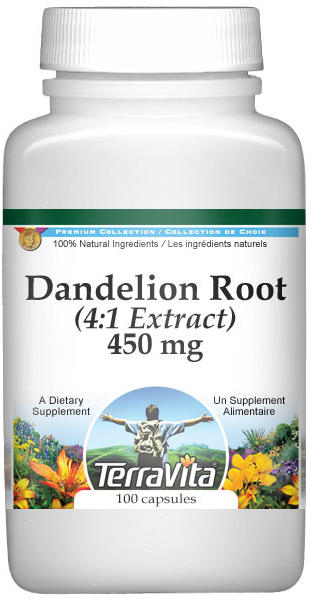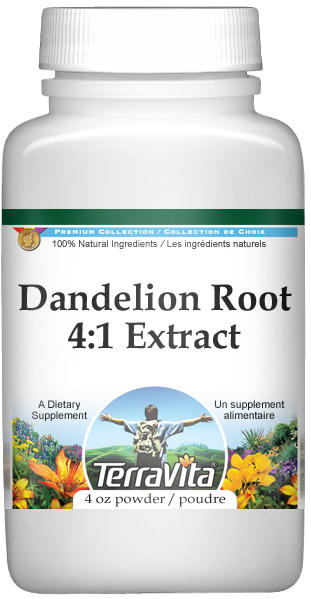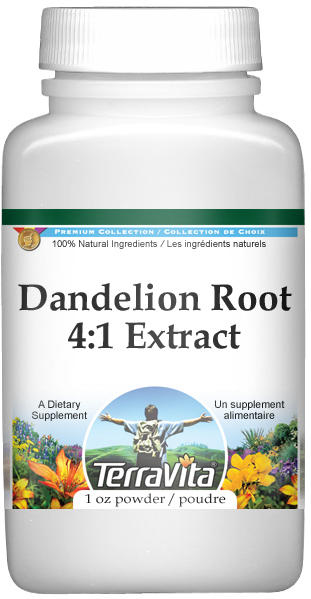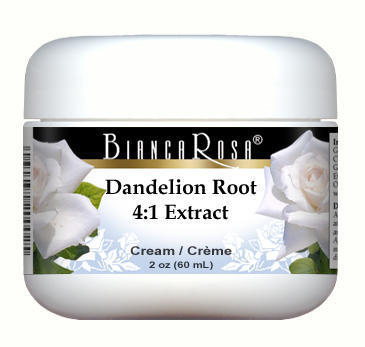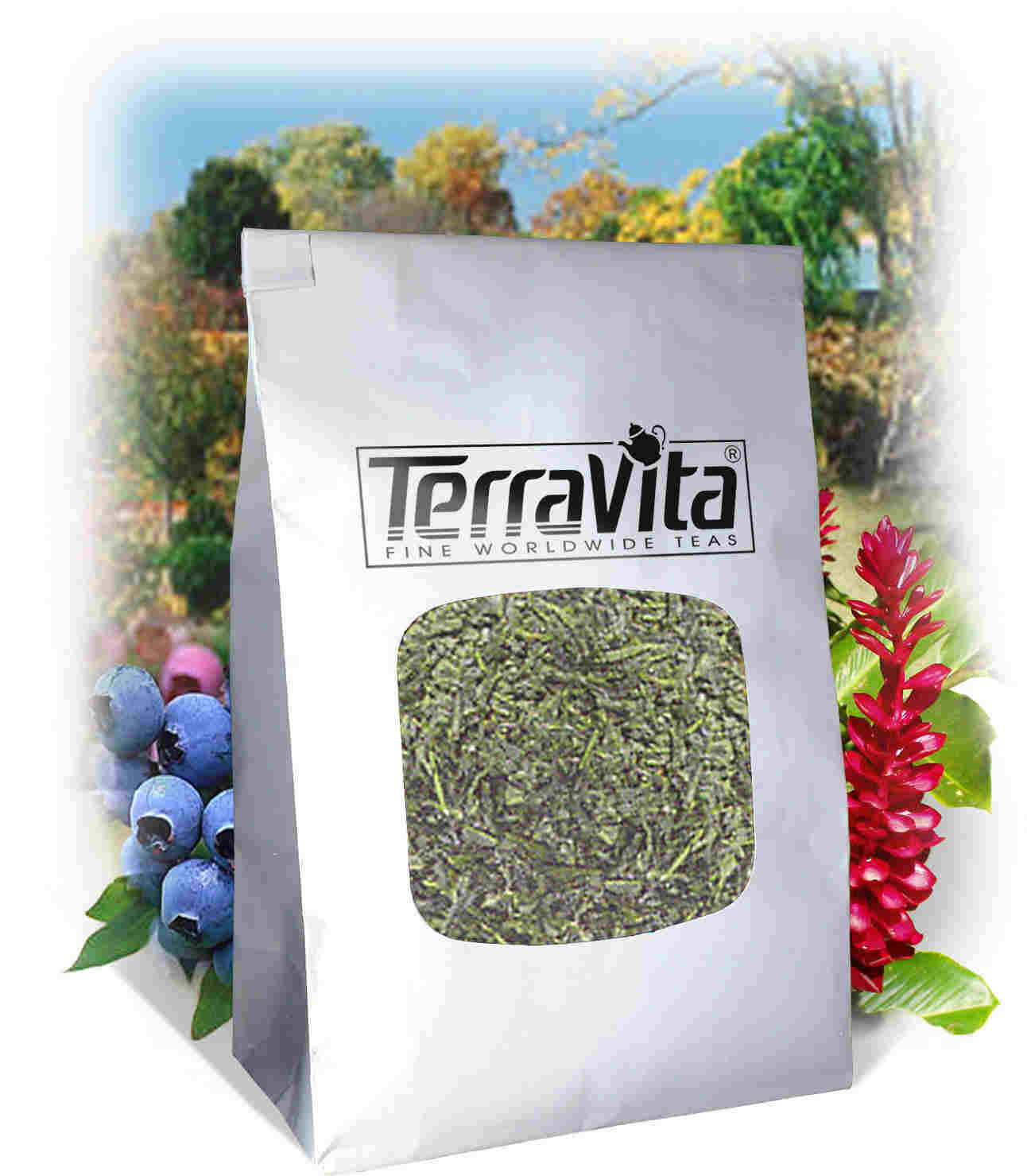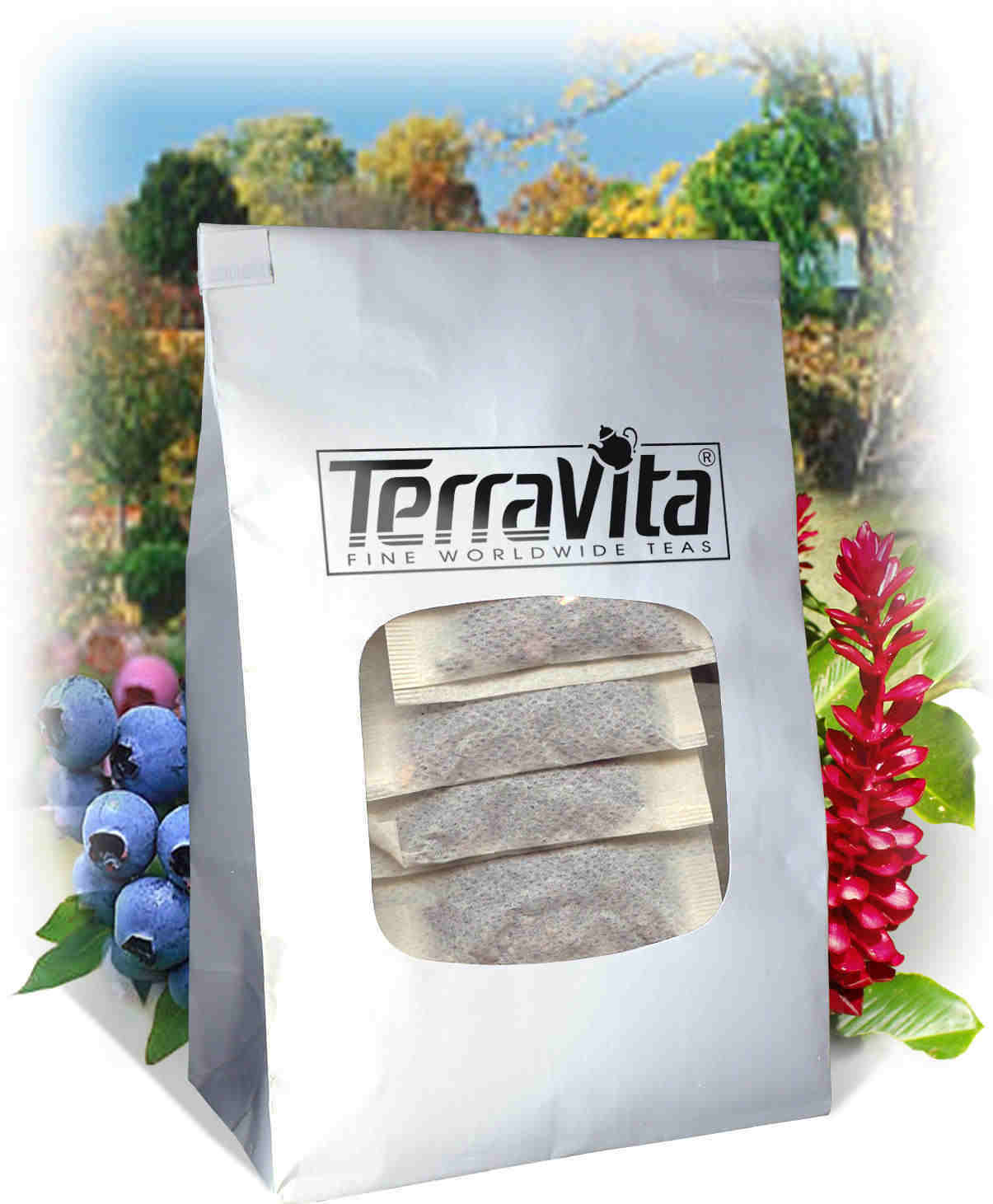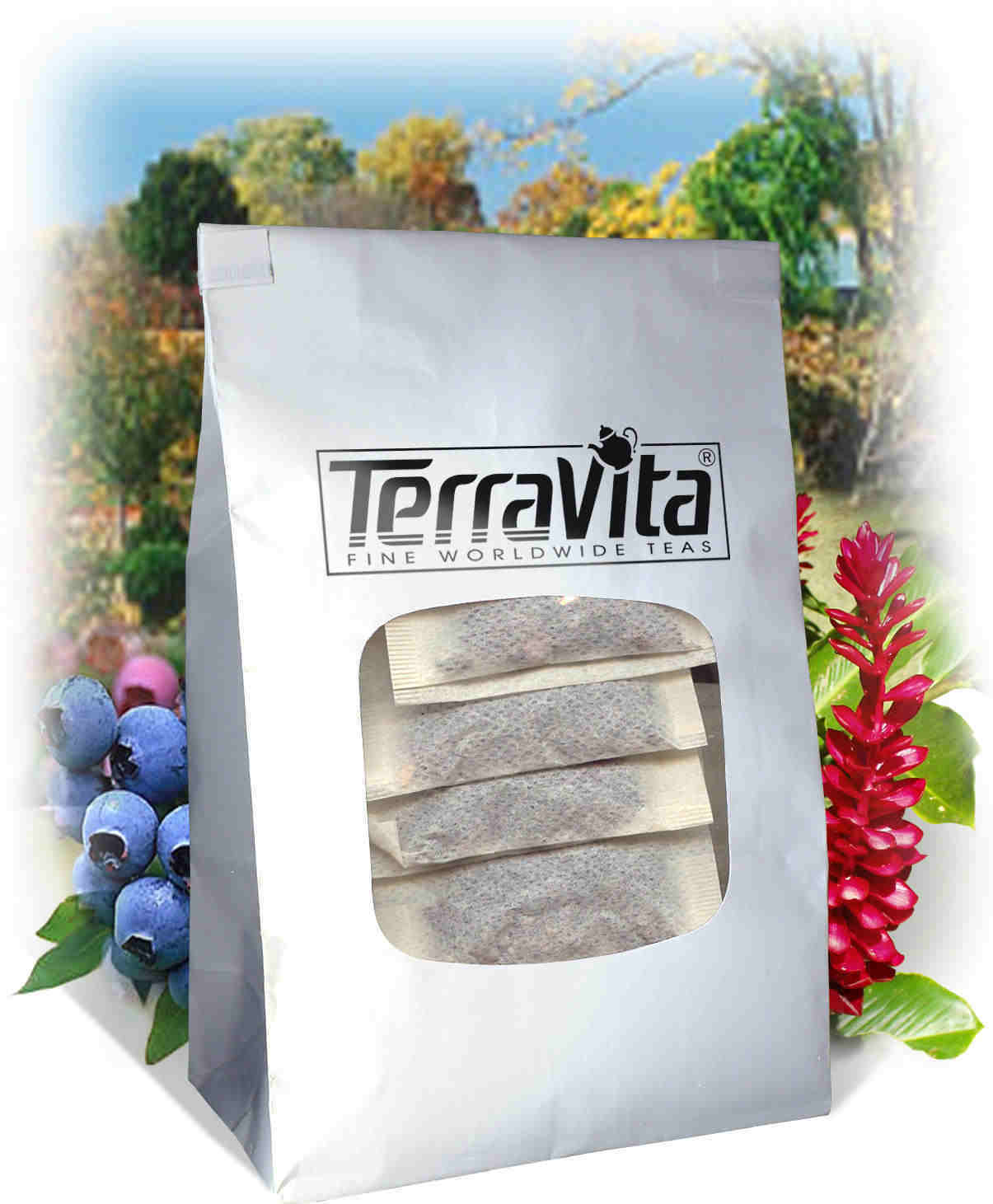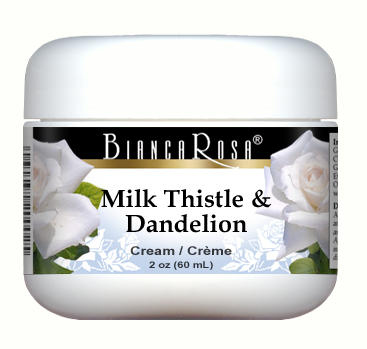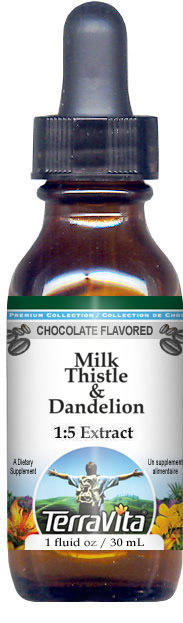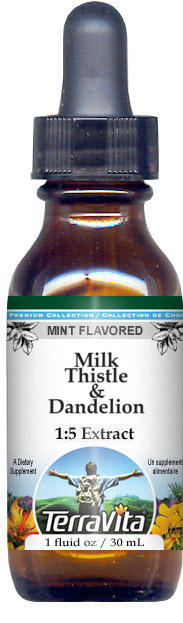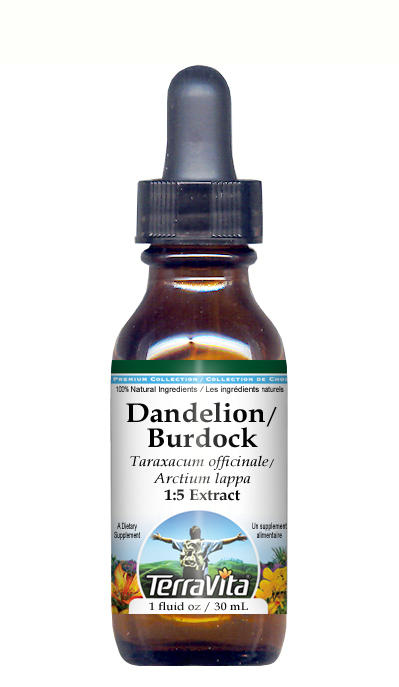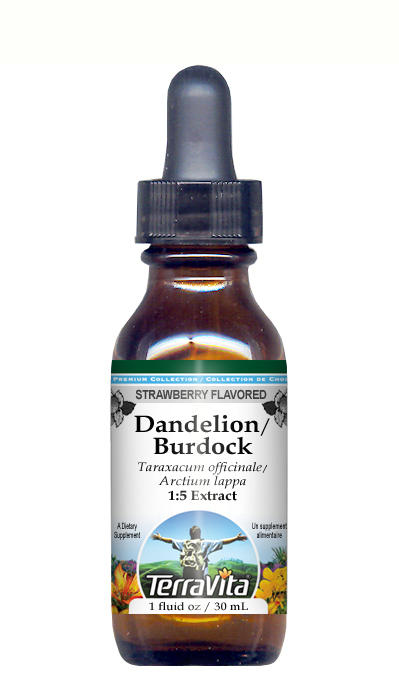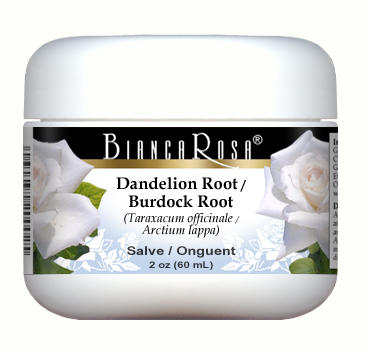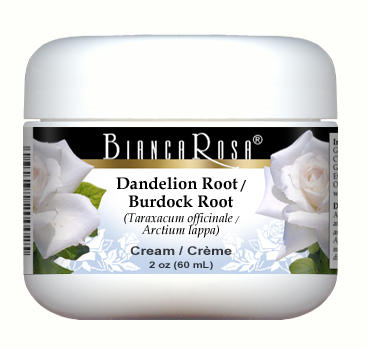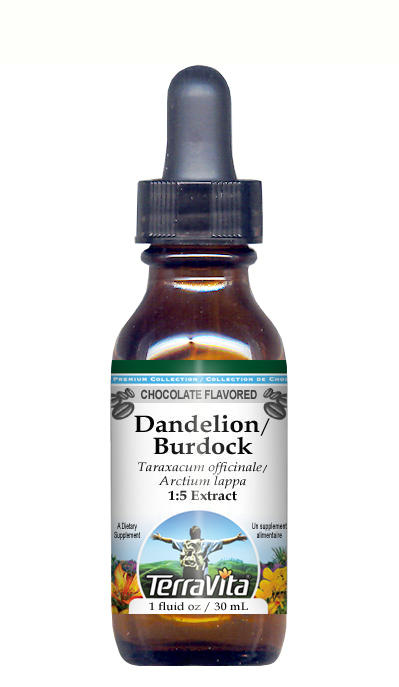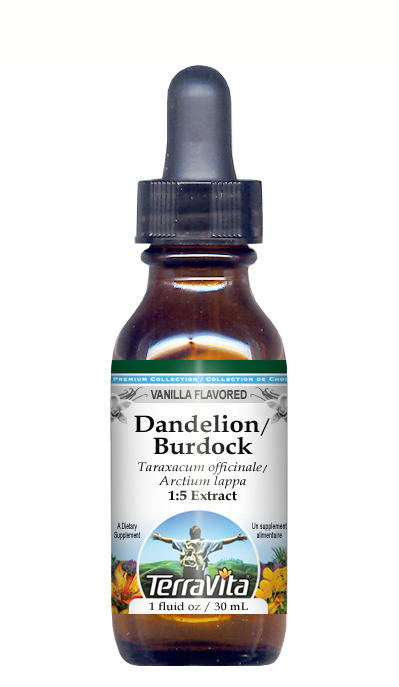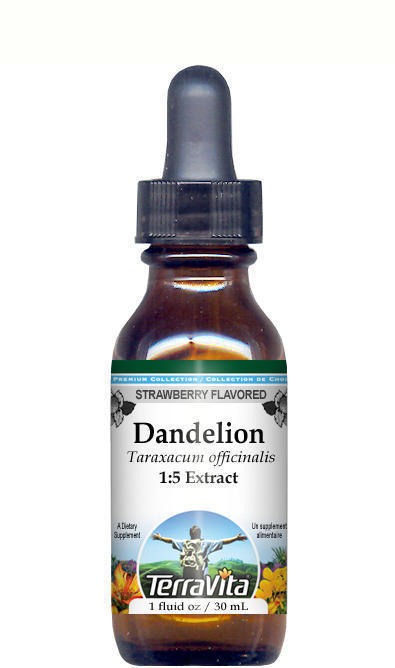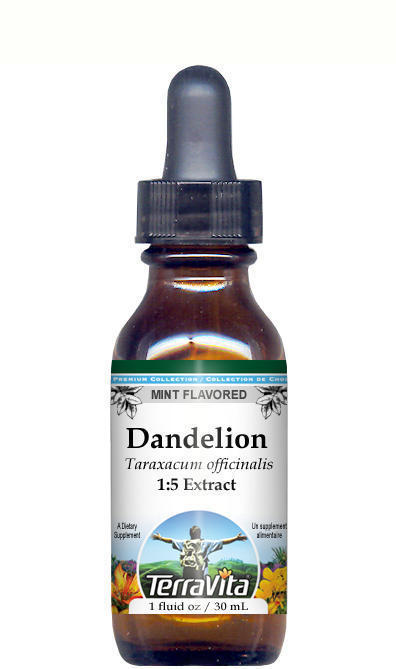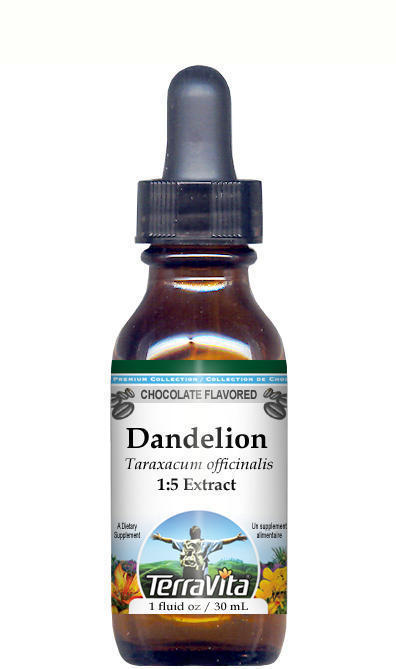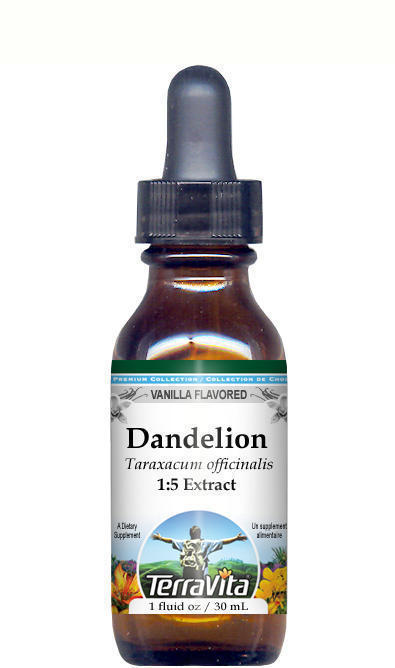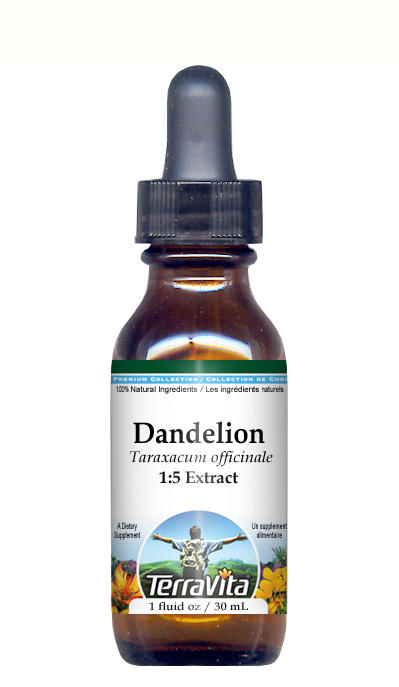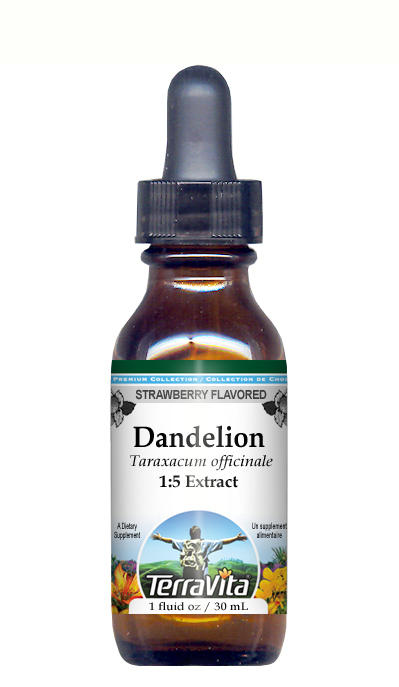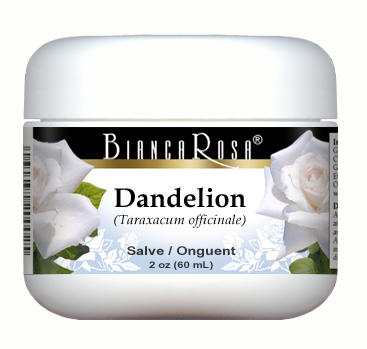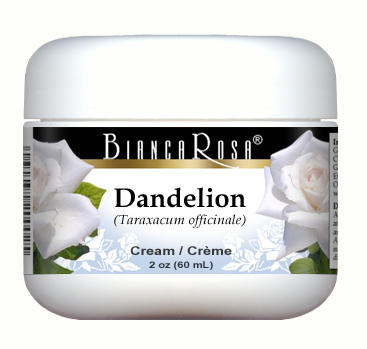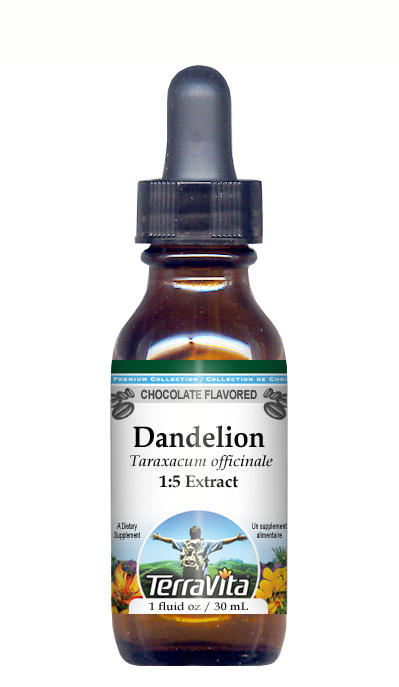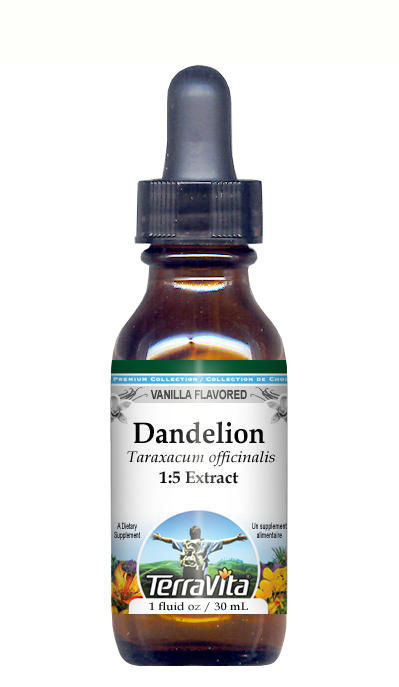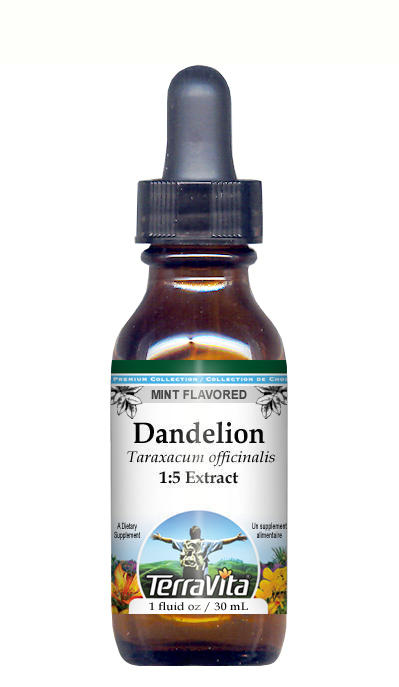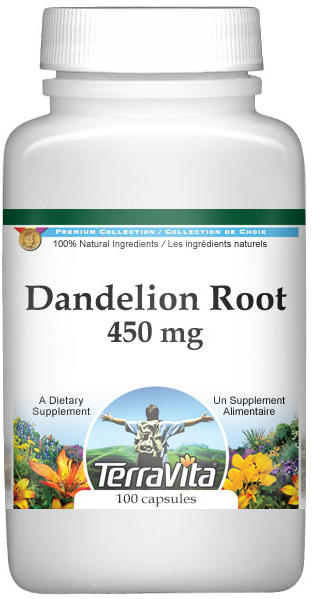
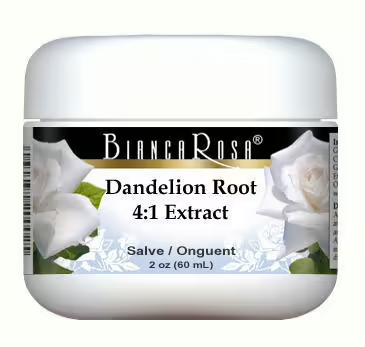
Dandelion Root 4:1 Extract
| Images | Product Name | Size | ZIN | Price | Quantity | Add to Cart |
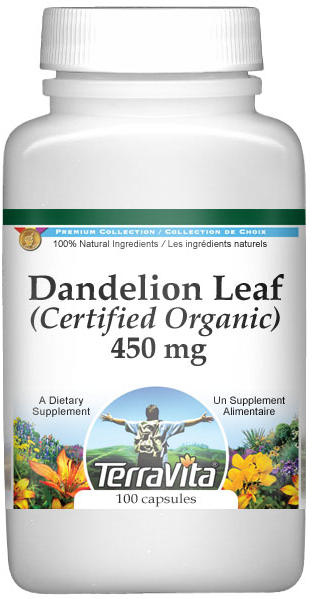
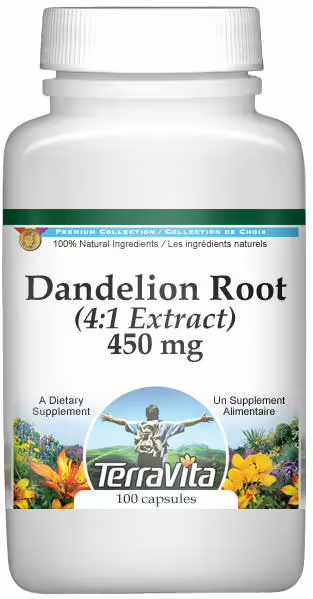
| Extra Strength Dandelion Root 4:1 Extract - 450 mg | 100 capsules | 511221 | $31.11 | |||
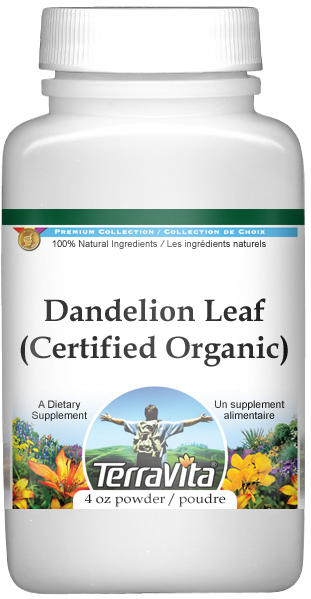
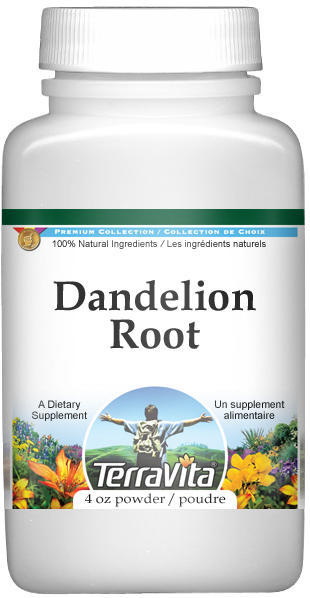
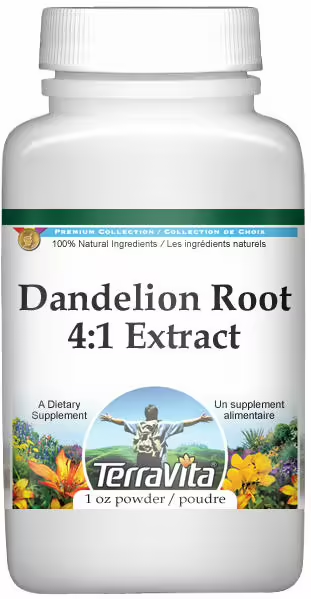
| Extra Strength Dandelion Root 4:1 Extract Powder | 4 oz | 511222 | $33.86 | |||
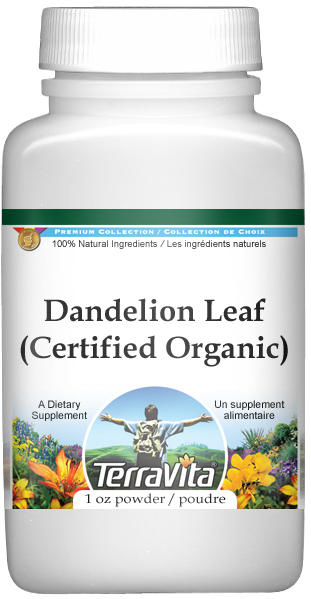
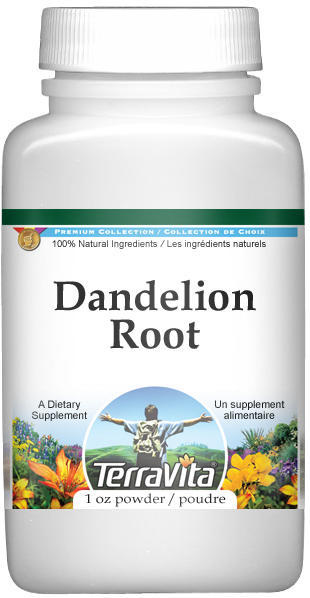
| 1 oz | 511223 | $14.12 | ||||
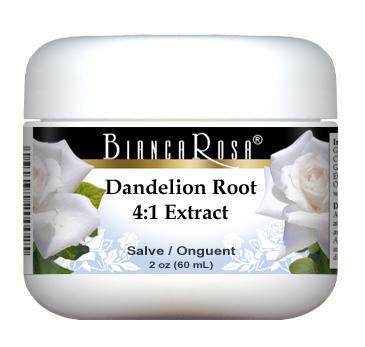
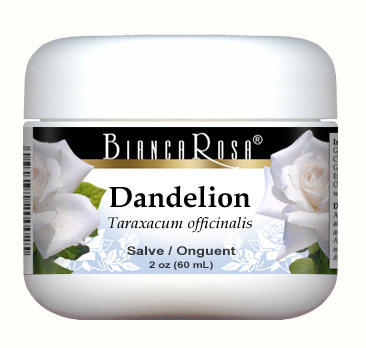
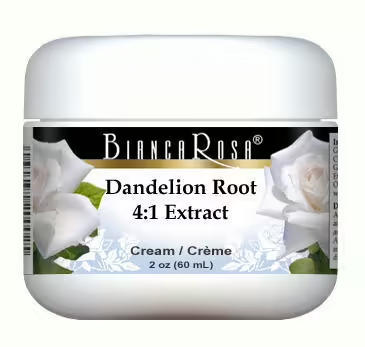
| Extra Strength Dandelion Root 4:1 Extract Cream | 2 oz | 514175 | $27.27 | |||
| Extra Strength Dandelion Root 4:1 Extract - Salve Ointment | 2 oz | 514176 | $32.14 |
TerraVita strives to make all of our products affordable and reliable and are constantly searching the market to maintain our affordability and to look for new ways to serve you and the ones you love. TerraVita has become a trusted household name for many families and can bring you and yours the very best herbal supplements, blends, teas and spices that are on the market today.
TerraVita is packed in tamper-proof, food-grade, recyclable containers.
ZooScape is proud to be the exclusive distributor of TerraVita teas, herbs and supplements in the United States, Canada and around the world. Please direct all wholesale and bulk inquiries to 1-844-449-0444.
Bianca Rosa is an exclusive line of premium-quality natural products sourced from only the finest and purest ingredients from around the world. Bianca Rosa is hallmarked by the highest possible standards of purity, stability and freshness. All Bianca Rosa products are prepared with the highest level of quality control, from the raw materials used through the entire manufacturing process, up to and including the moment that the finished product is sealed for freshness and shipped to you. Our highest possible standards backed by our personal guarantee.
Bianca Rosa makes all products as affordable as possible and we are constantly searching the market to maintain our affordability and to look for new ways to serve you. Bianca Rosa has been a trusted household name for many families throughout the world since the 1990s. Bianca Rosa is packed in tamper-proof, recyclable containers.
ZooScape is proud to be the exclusive distributor of all Bianca Rosa products, including creams, salves and oils in the United States, Canada and around the world. Please direct all wholesale and bulk inquiries to 1-844-449-0444.
These statements have not been evaluated by the Food and Drug Administration (FDA). Products are intended to support general well being and are not intended to treat, diagnose, prevent, or cure any condition or disease.
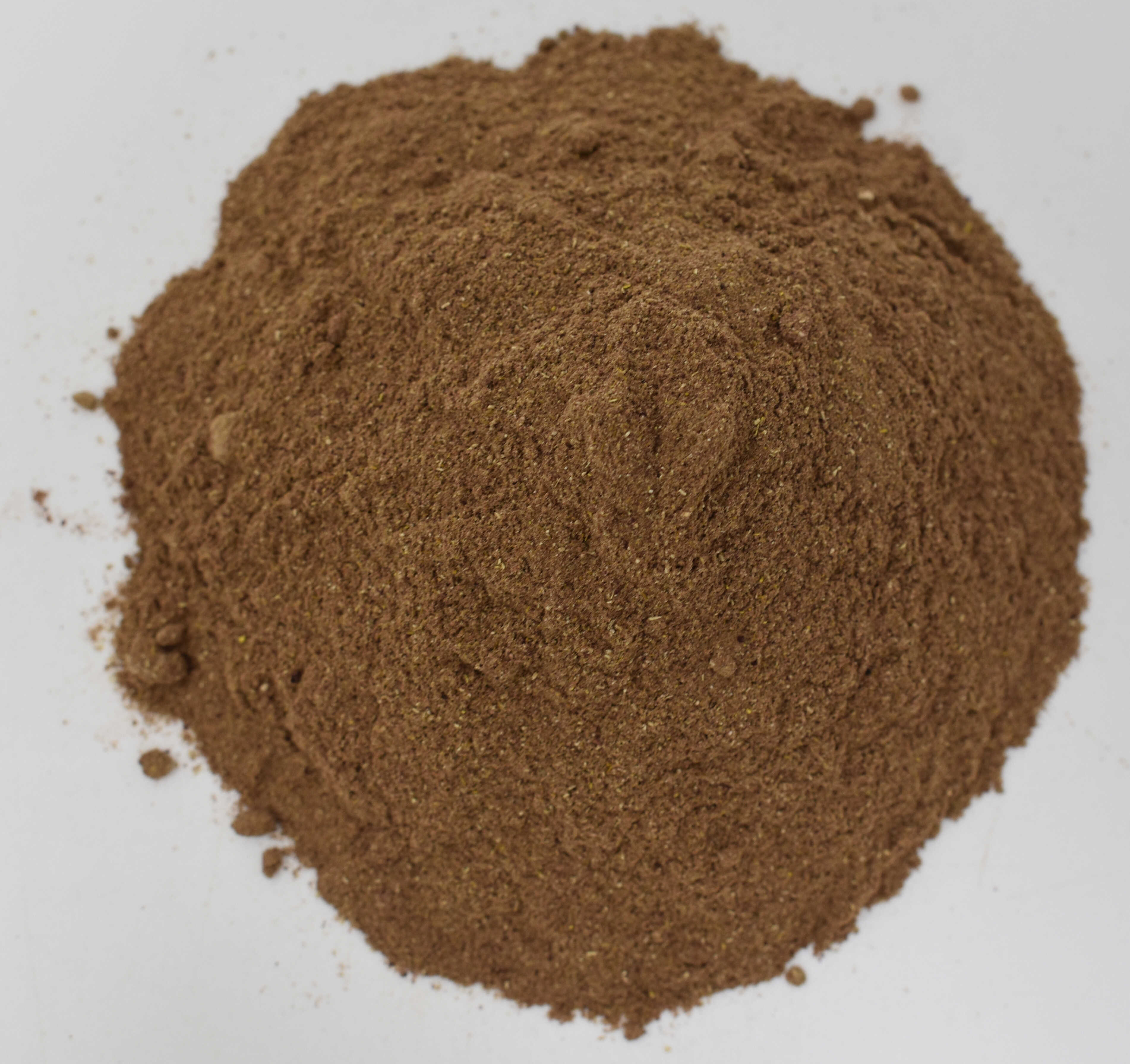
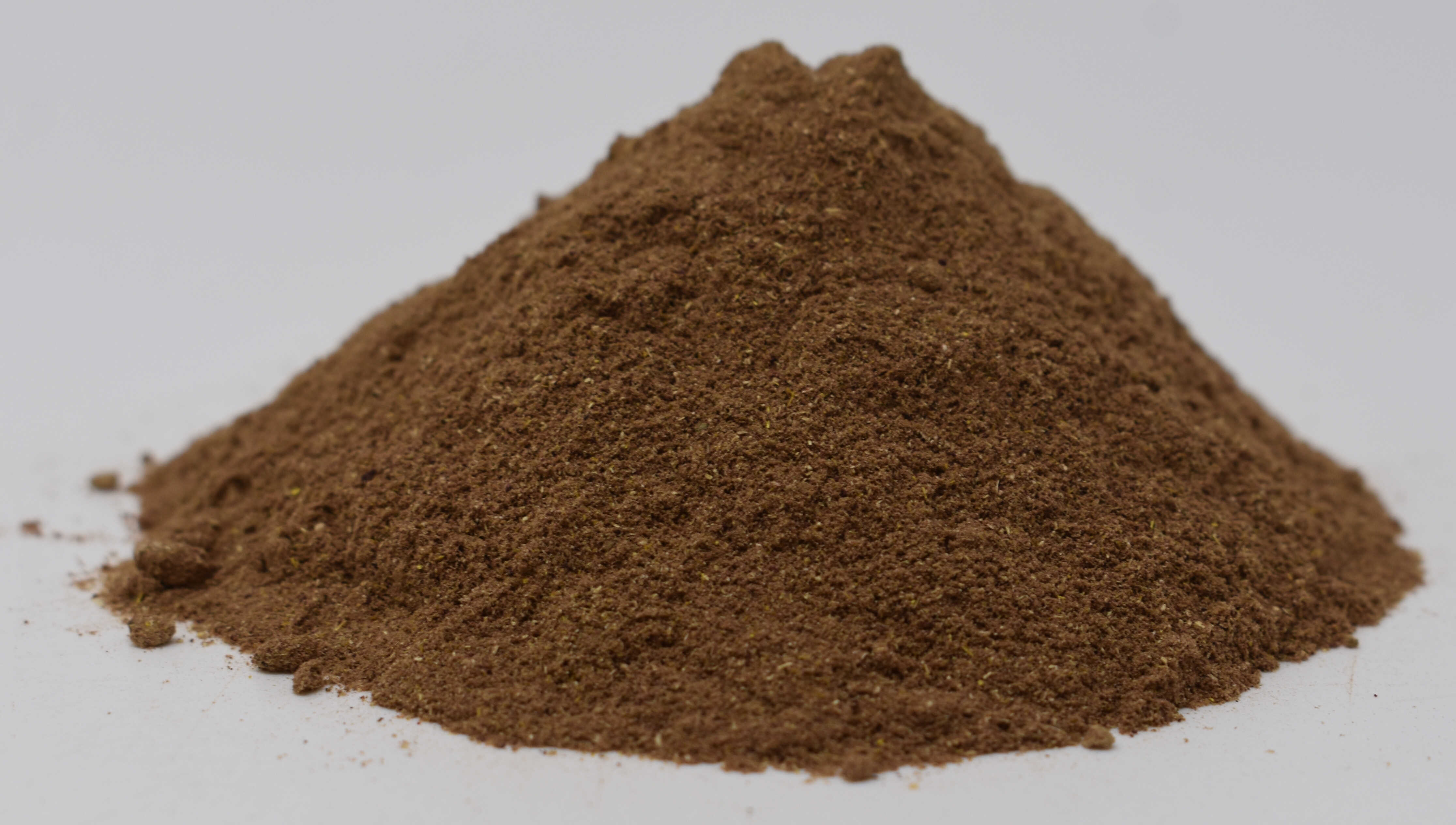
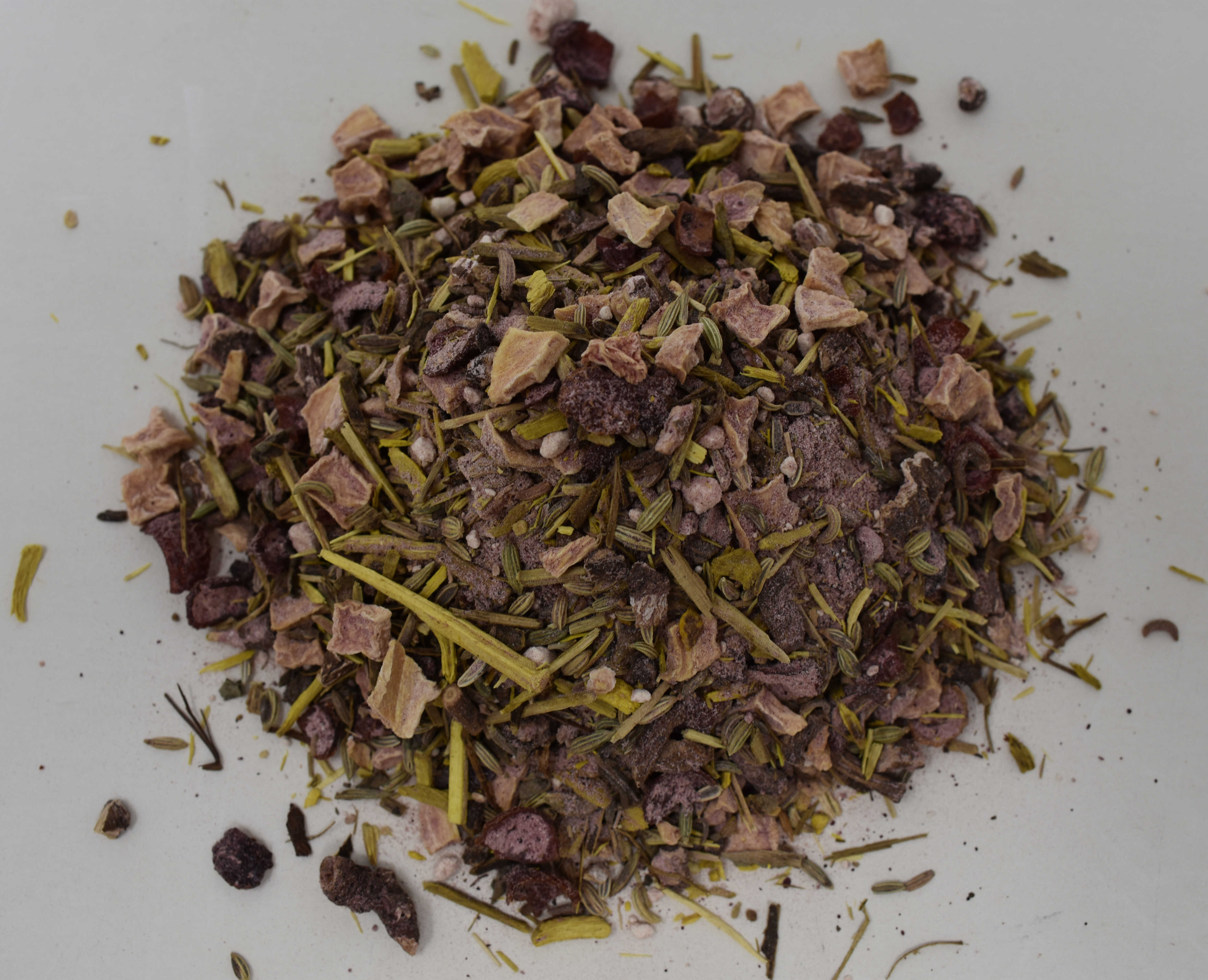
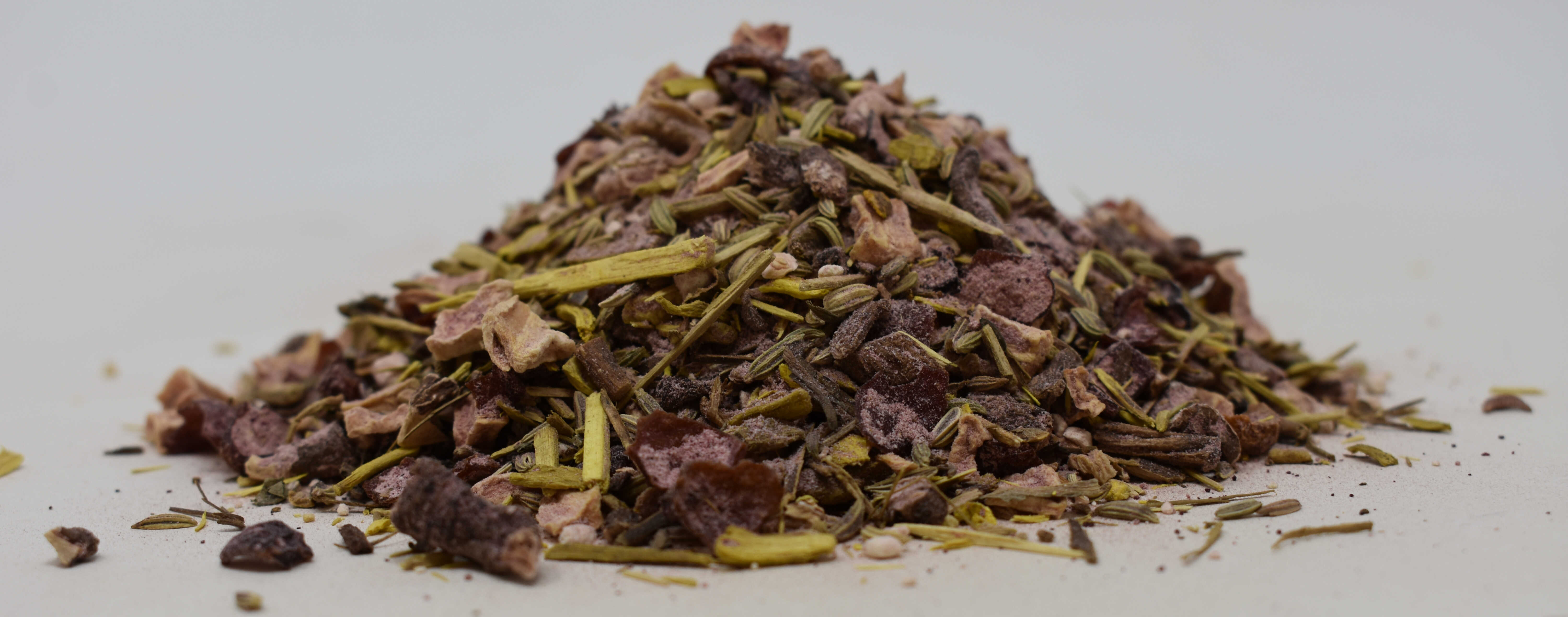
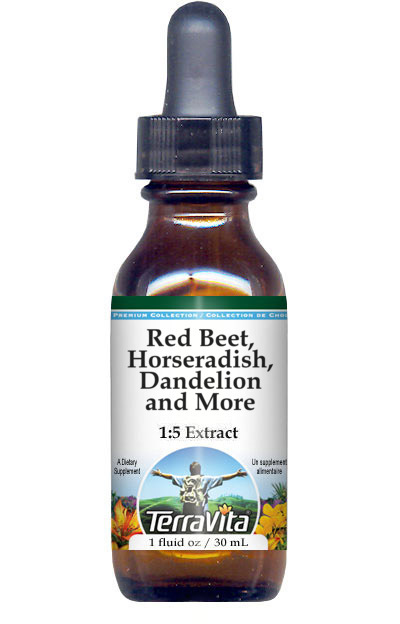
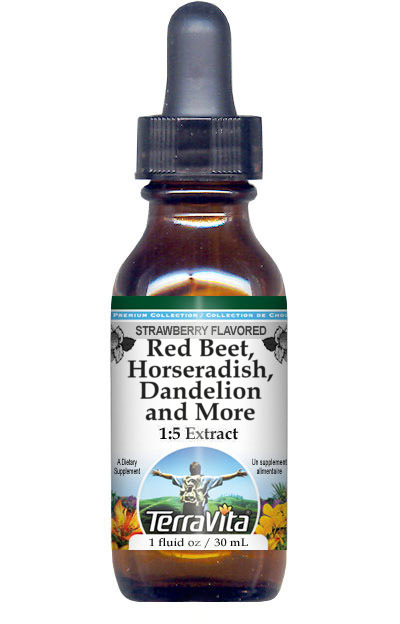
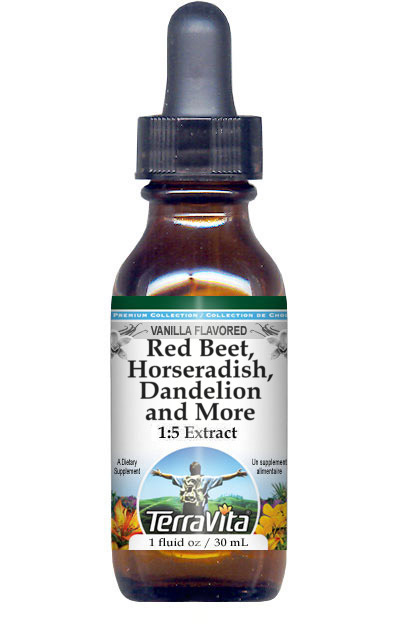
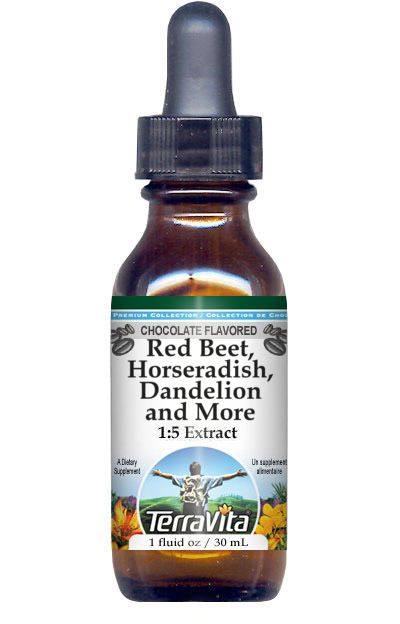
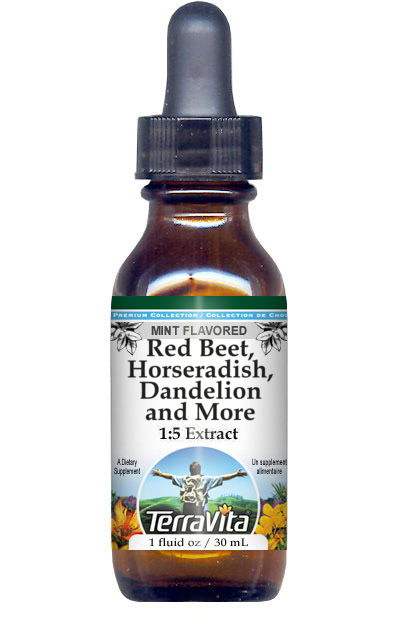
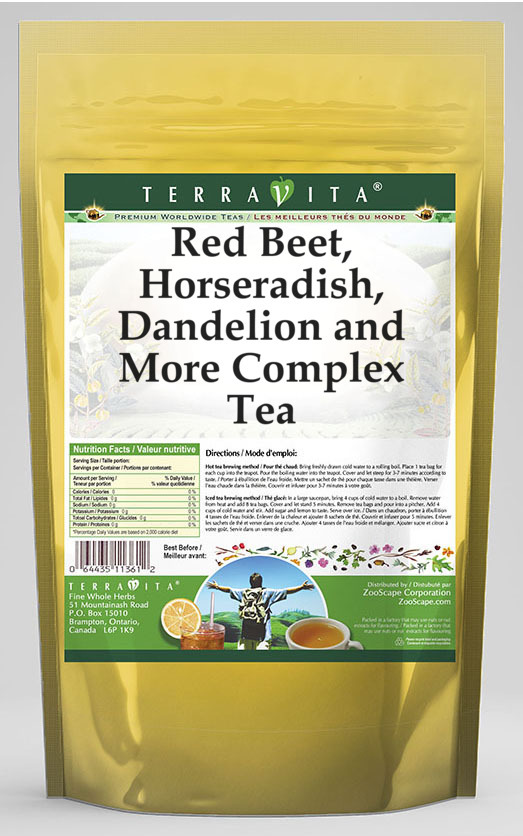
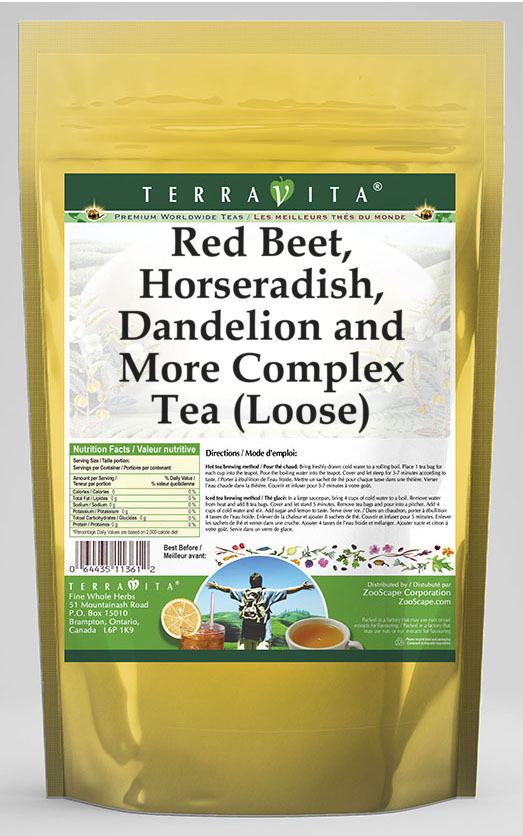
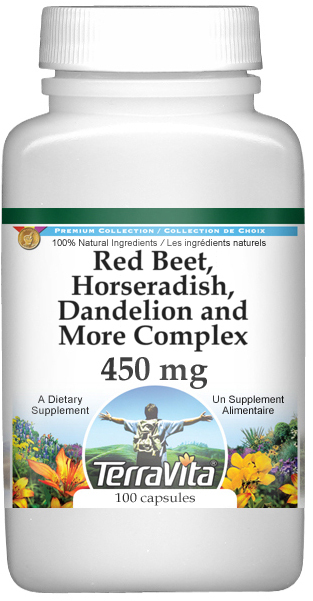
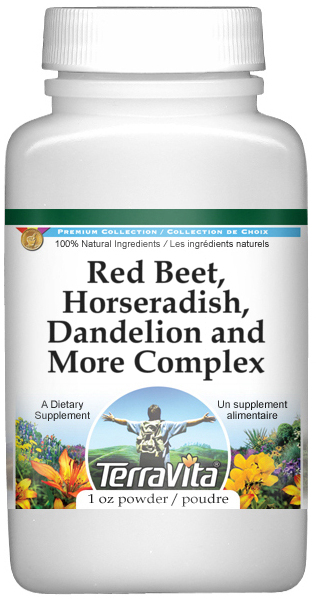
Red Beet, Horseradish, Dandelion and More Complex
| Images | Product Name | Size | ZIN | Price | Quantity | Add to Cart |
| Red Beet, Horseradish, Dandelion and More Glycerite Liquid Extract (1:5) | 1 oz - No Flavor | 523611 | $20.94 | |||
| 1 oz - Strawberry | 523612 | $23.15 | ||||
| 1 oz - Vanilla | 523613 | $23.15 | ||||
| 1 oz - Chocolate | 523614 | $23.15 | ||||
| 1 oz - Mint | 523615 | $23.15 | ||||
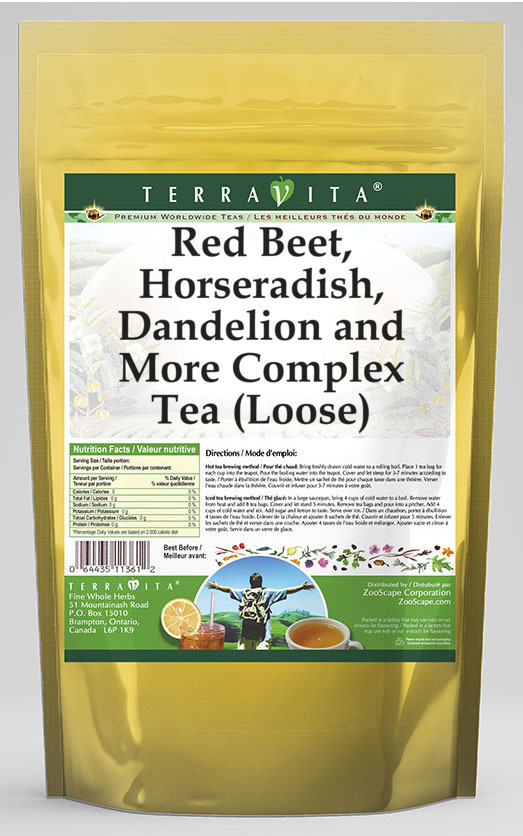
| Red Beet, Horseradish, Dandelion and More Complex Tea (Loose) | 4 oz | 512565 | $17.84 | |||
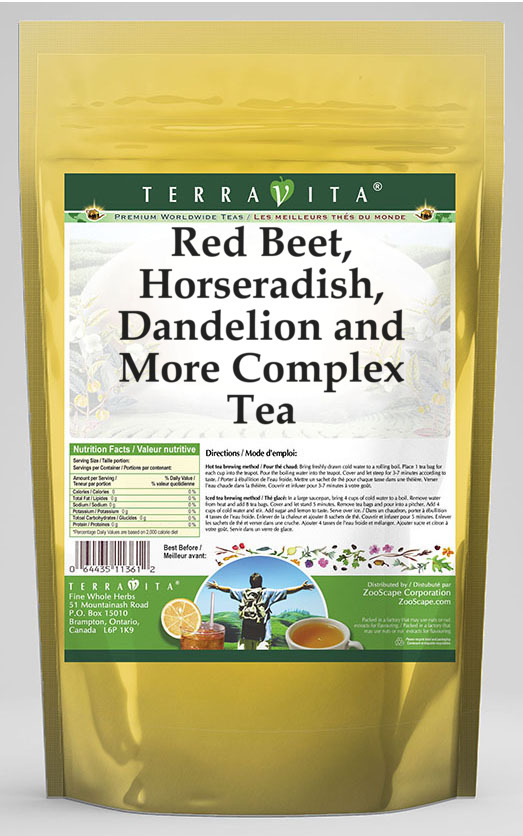
| Red Beet, Horseradish, Dandelion and More Complex Tea | 50 tea bags | 512568 | $26.52 | |||
| 25 tea bags | 512567 | $17.53 | ||||
| Red Beet, Horseradish, Dandelion and More Complex Tea (Loose) | 8 oz | 512566 | $26.94 | |||
| Red Beet, Horseradish, Dandelion and More Complex - 450 mg | 100 capsules | 512562 | $24.10 | |||
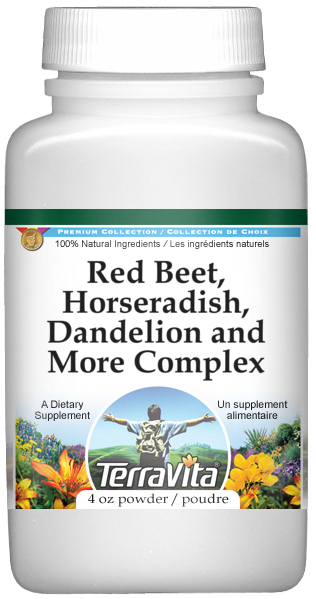
| Red Beet, Horseradish, Dandelion and More Complex Powder | 4 oz | 512563 | $21.51 | |||
| 1 oz | 512564 | $11.20 |
TerraVita strives to make all of our products affordable and reliable and are constantly searching the market to maintain our affordability and to look for new ways to serve you and the ones you love. TerraVita has become a trusted household name for many families and can bring you and yours the very best herbal supplements, blends, teas and spices that are on the market today.
TerraVita is packed in tamper-proof, food-grade, recyclable containers.
ZooScape is proud to be the exclusive distributor of TerraVita teas, herbs and supplements in the United States, Canada and around the world. Please direct all wholesale and bulk inquiries to 1-844-449-0444.
These statements have not been evaluated by the Food and Drug Administration (FDA). Products are intended to support general well being and are not intended to treat, diagnose, prevent, or cure any condition or disease.
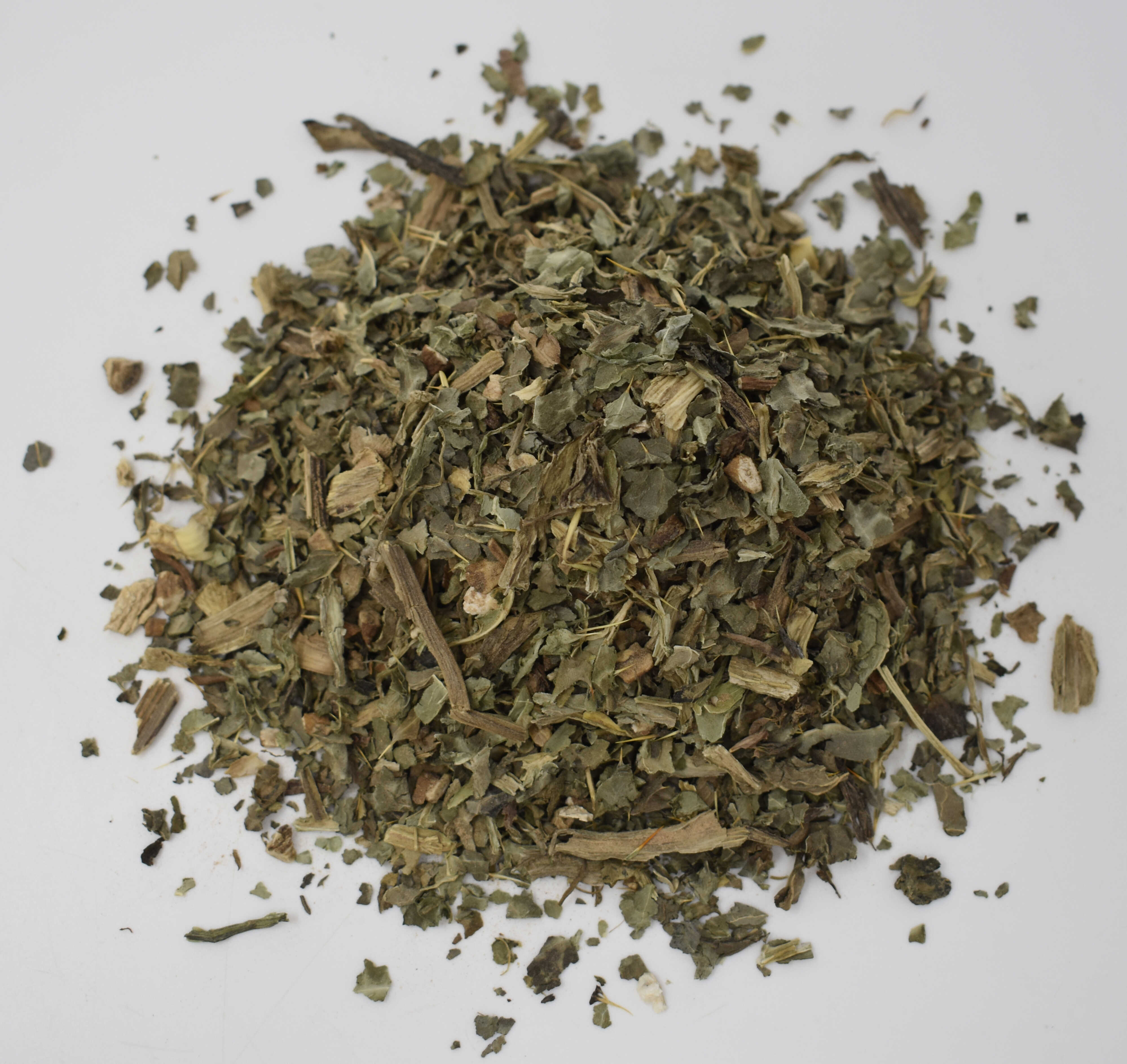
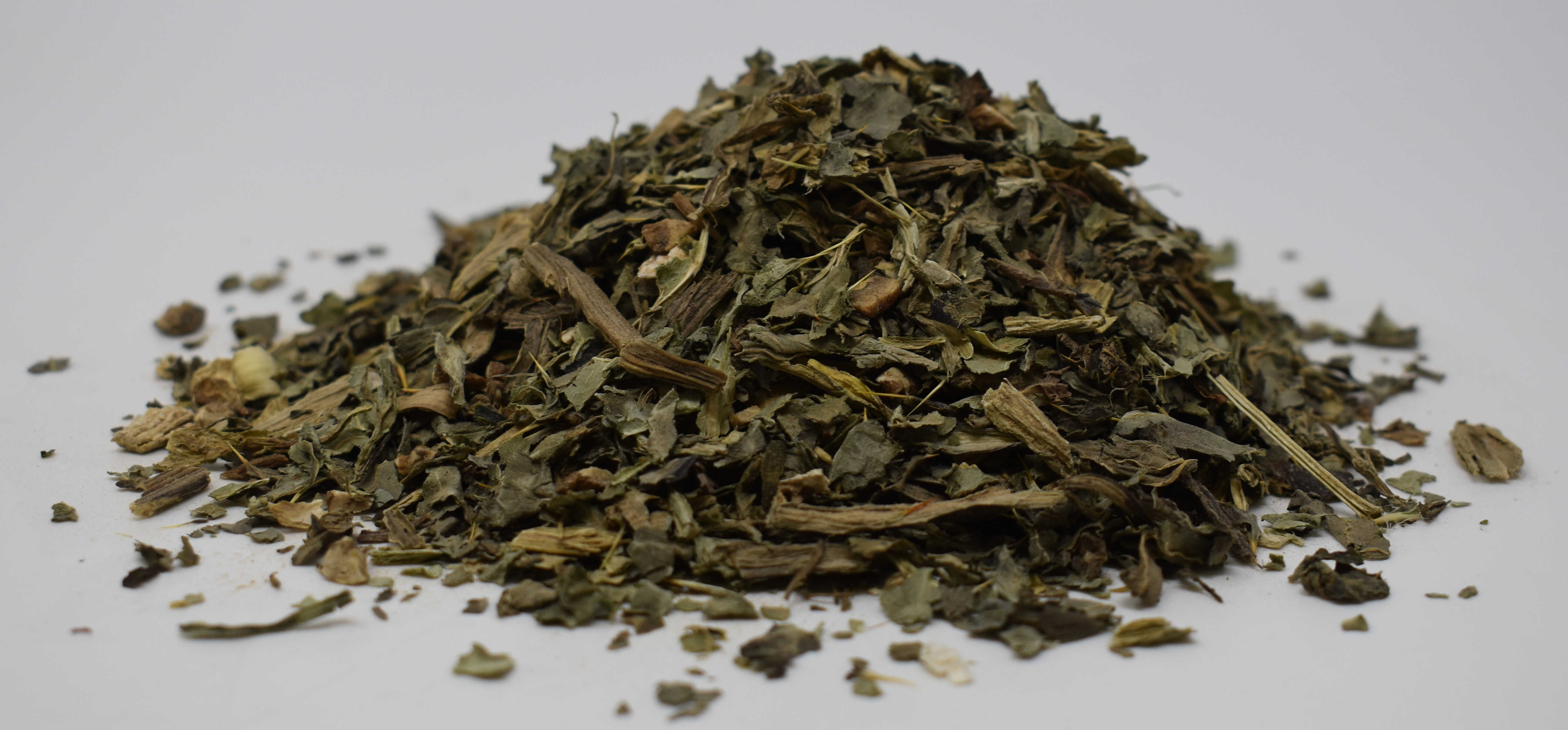
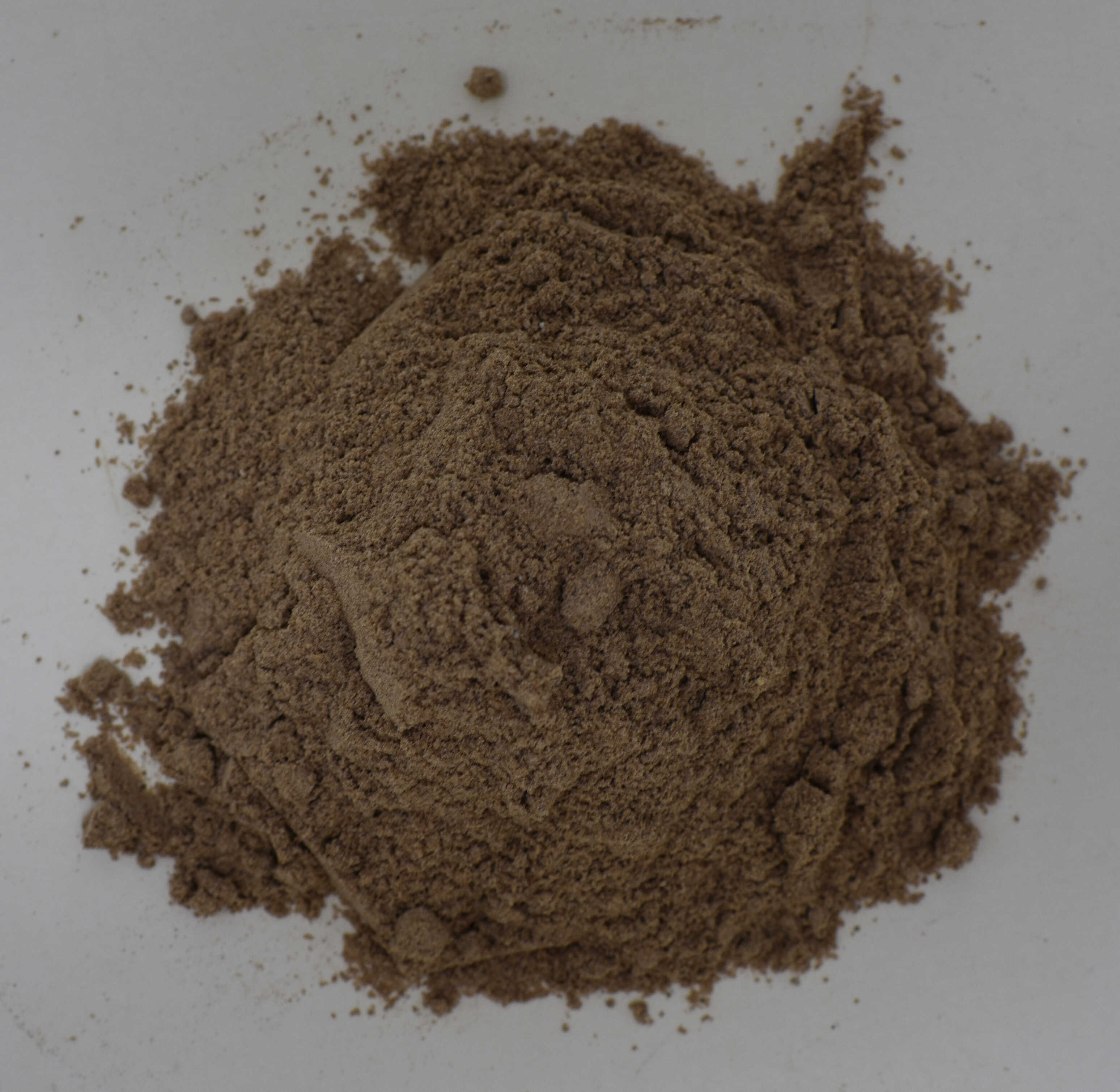
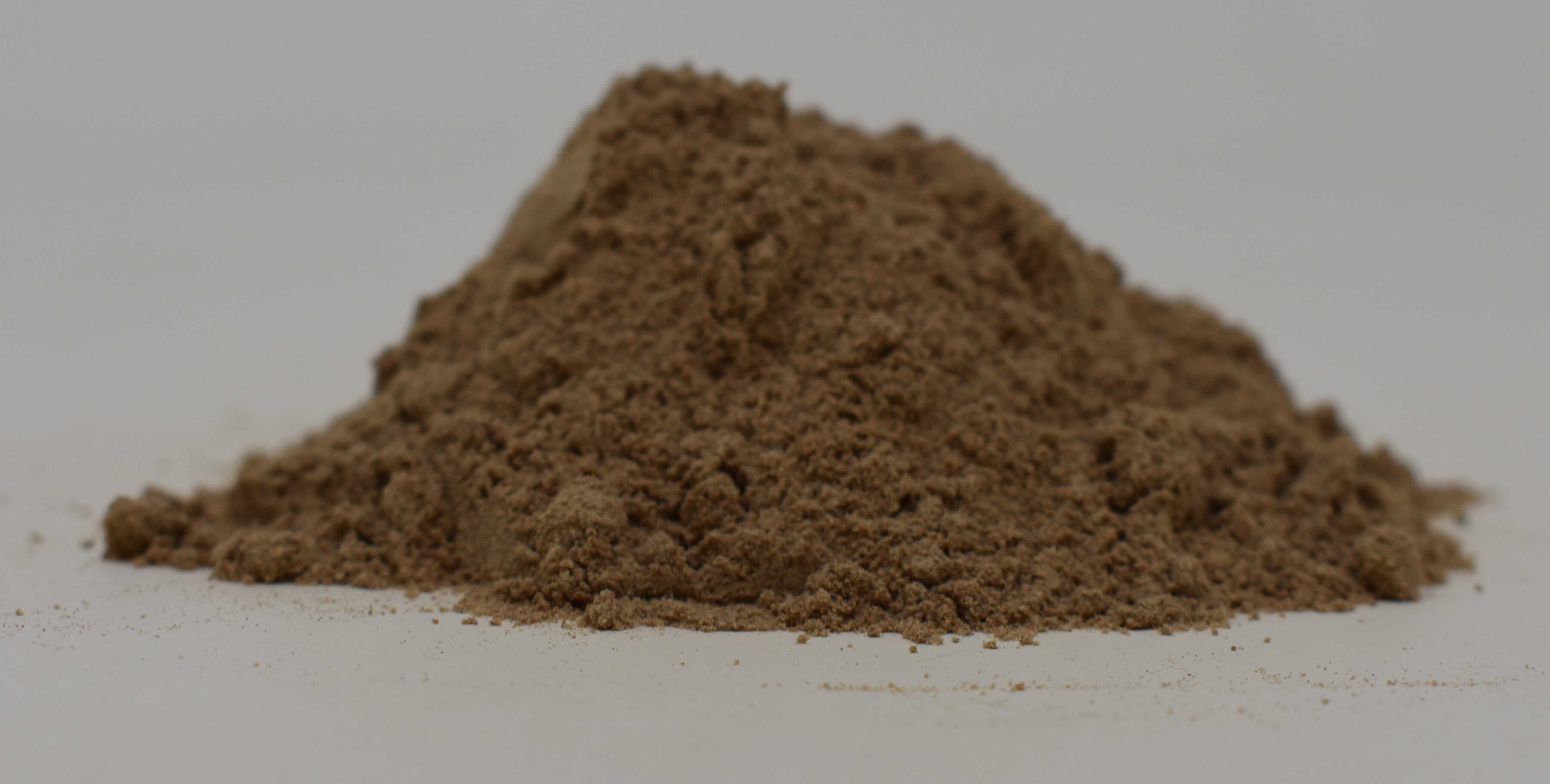
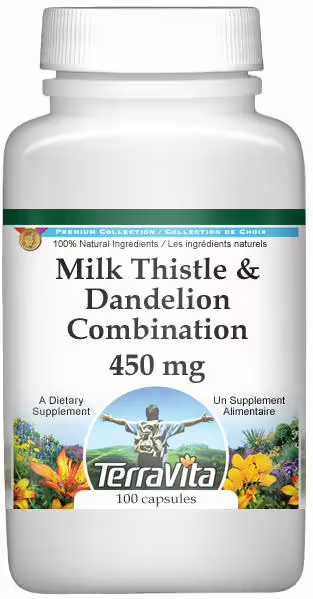
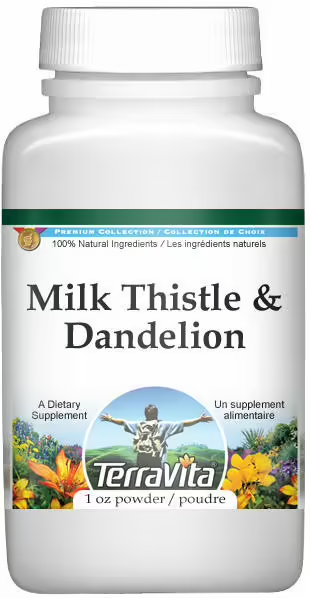
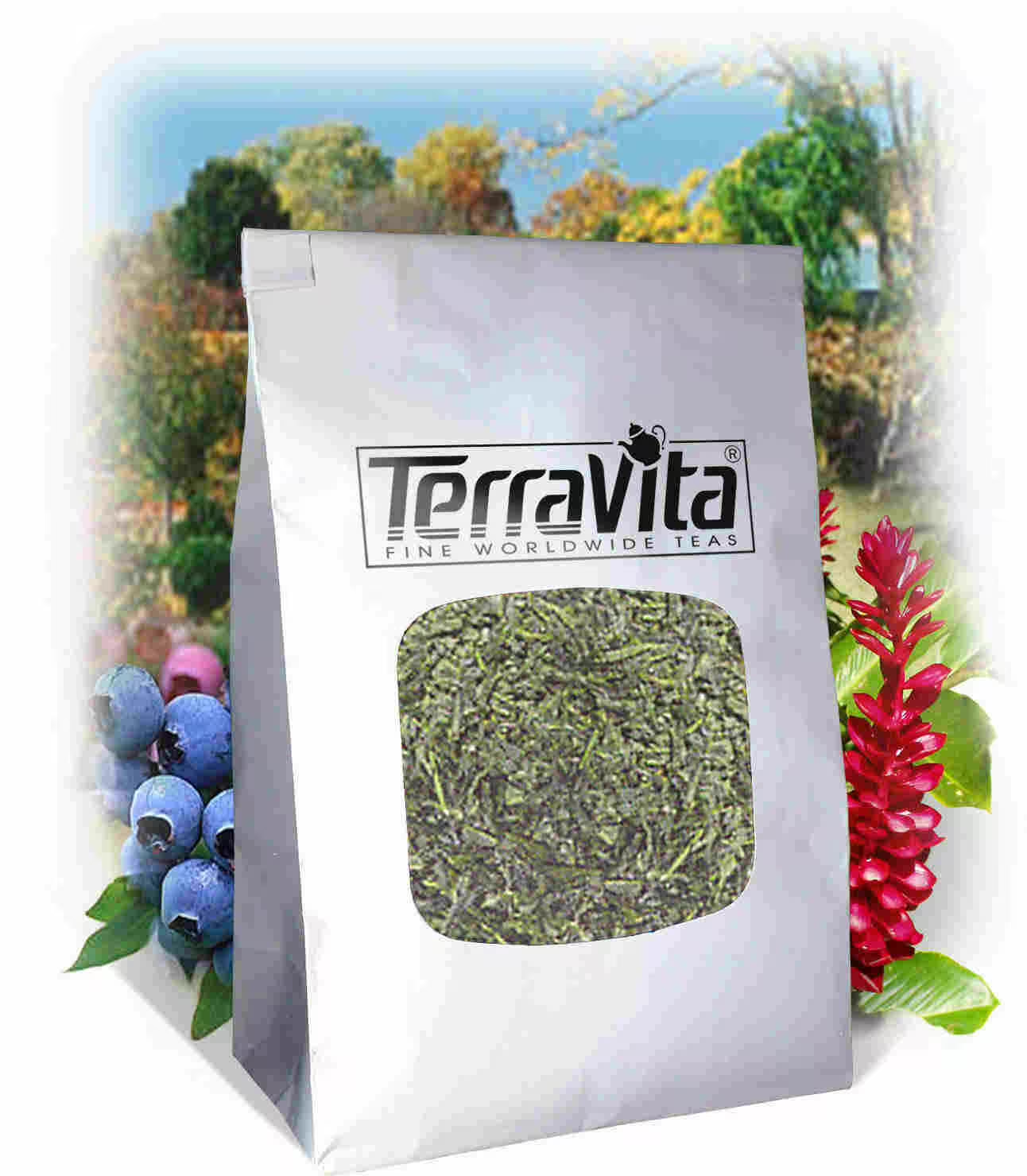
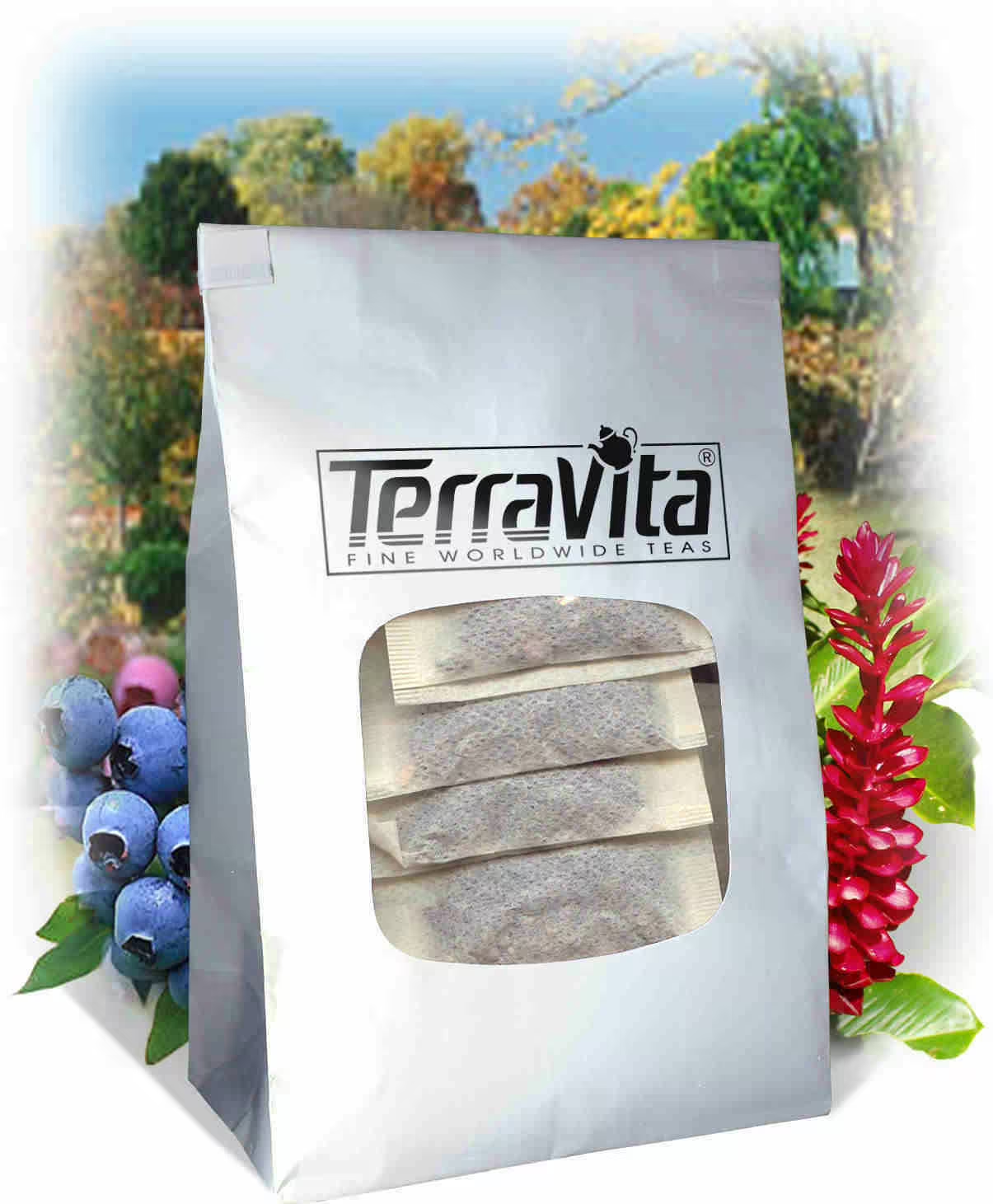
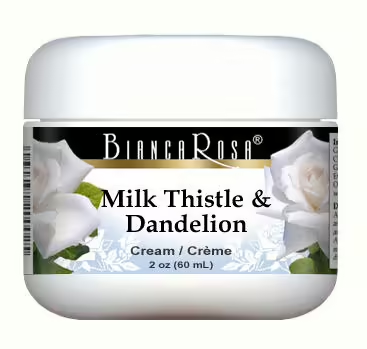
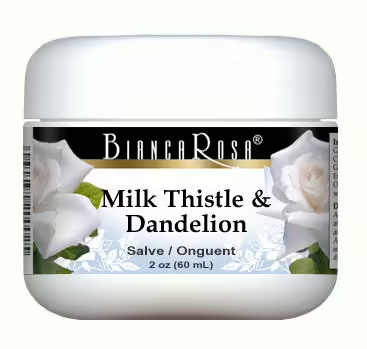
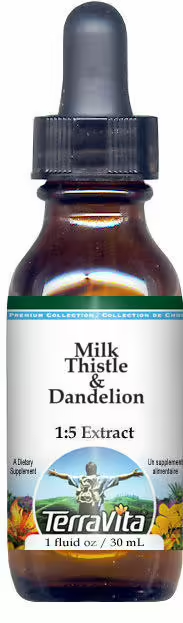
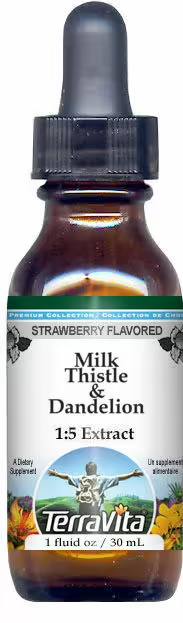
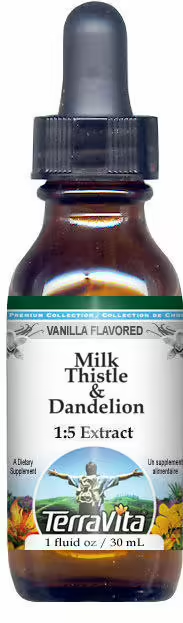
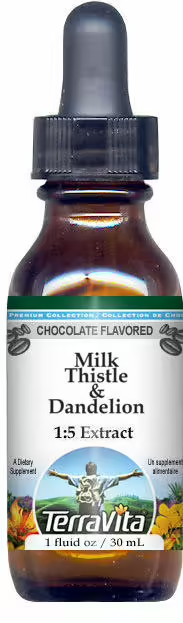
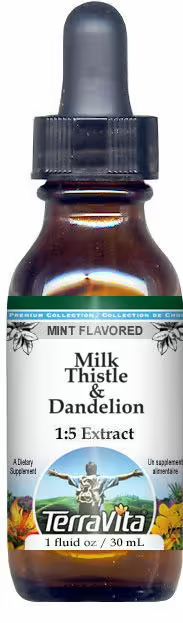
Milk Thistle and Dandelion
| Images | Product Name | Size | ZIN | Price | Quantity | Add to Cart |
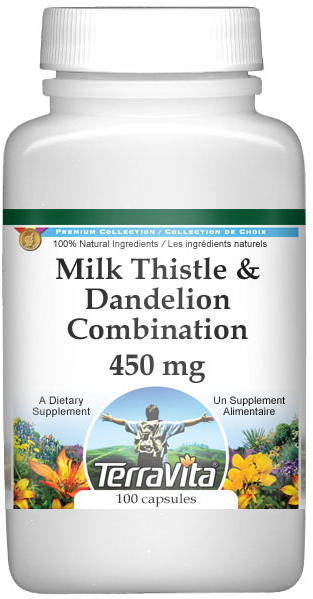
| Milk Thistle and Dandelion Combination - 450 mg | 100 capsules | 512989 | $24.49 | |||
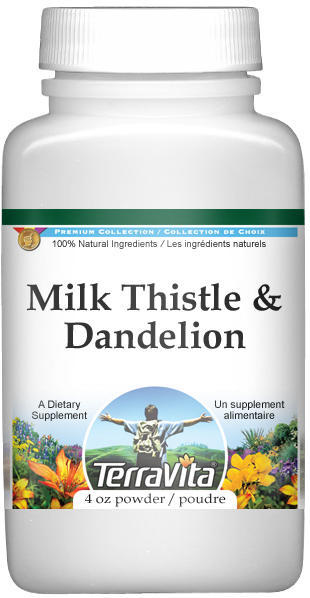
| Milk Thistle and Dandelion Combination Powder | 4 oz | 512990 | $22.20 | |||
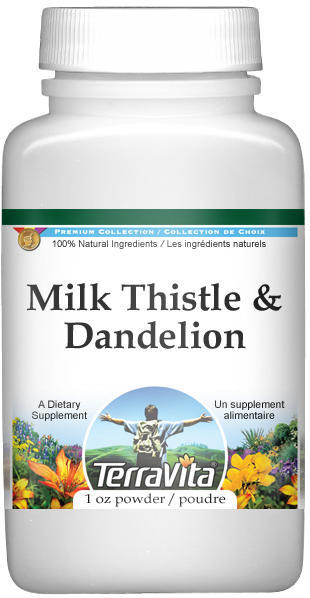
| 1 oz | 512991 | $11.39 | ||||
| Milk Thistle and Dandelion Combination Tea (Loose) | 4 oz | 512992 | $19.70 | |||
| 8 oz | 512993 | $31.94 | ||||
| Milk Thistle and Dandelion Combination Tea | 25 tea bags | 512994 | $22.09 | |||
| 50 tea bags | 512995 | $34.46 | ||||
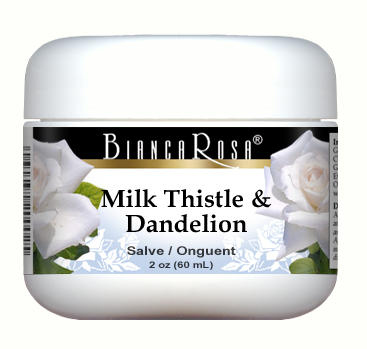
| Milk Thistle and Dandelion Combination Cream | 2 oz | 512996 | $28.79 | |||
| Milk Thistle and Dandelion Combination - Salve Ointment | 2 oz | 512997 | $35.75 | |||
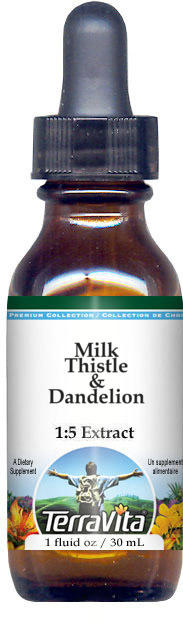
| Milk Thistle & Dandelion Glycerite Liquid Extract (1:5) | 1 oz - No Flavor | 522722 | $20.94 | |||
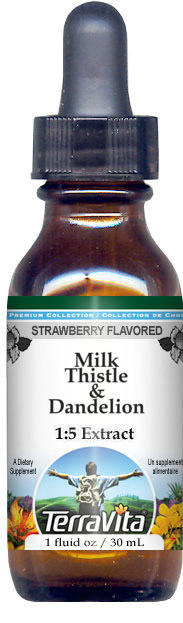
| 1 oz - Strawberry | 522723 | $23.15 | ||||
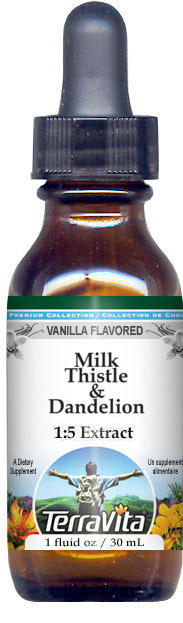
| 1 oz - Vanilla | 522724 | $23.15 | ||||
| 1 oz - Chocolate | 522725 | $23.15 | ||||
| 1 oz - Mint | 522726 | $23.15 |
TerraVita strives to make all of our products affordable and reliable and are constantly searching the market to maintain our affordability and to look for new ways to serve you and the ones you love. TerraVita has become a trusted household name for many families and can bring you and yours the very best herbal supplements, blends, teas and spices that are on the market today.
TerraVita is packed in tamper-proof, food-grade, recyclable containers.
ZooScape is proud to be the exclusive distributor of TerraVita teas, herbs and supplements in the United States, Canada and around the world. Please direct all wholesale and bulk inquiries to 1-844-449-0444.
Bianca Rosa is an exclusive line of premium-quality natural products sourced from only the finest and purest ingredients from around the world. Bianca Rosa is hallmarked by the highest possible standards of purity, stability and freshness. All Bianca Rosa products are prepared with the highest level of quality control, from the raw materials used through the entire manufacturing process, up to and including the moment that the finished product is sealed for freshness and shipped to you. Our highest possible standards backed by our personal guarantee.
Bianca Rosa makes all products as affordable as possible and we are constantly searching the market to maintain our affordability and to look for new ways to serve you. Bianca Rosa has been a trusted household name for many families throughout the world since the 1990s. Bianca Rosa is packed in tamper-proof, recyclable containers.
ZooScape is proud to be the exclusive distributor of all Bianca Rosa products, including creams, salves and oils in the United States, Canada and around the world. Please direct all wholesale and bulk inquiries to 1-844-449-0444.
These statements have not been evaluated by the Food and Drug Administration (FDA). Products are intended to support general well being and are not intended to treat, diagnose, prevent, or cure any condition or disease.
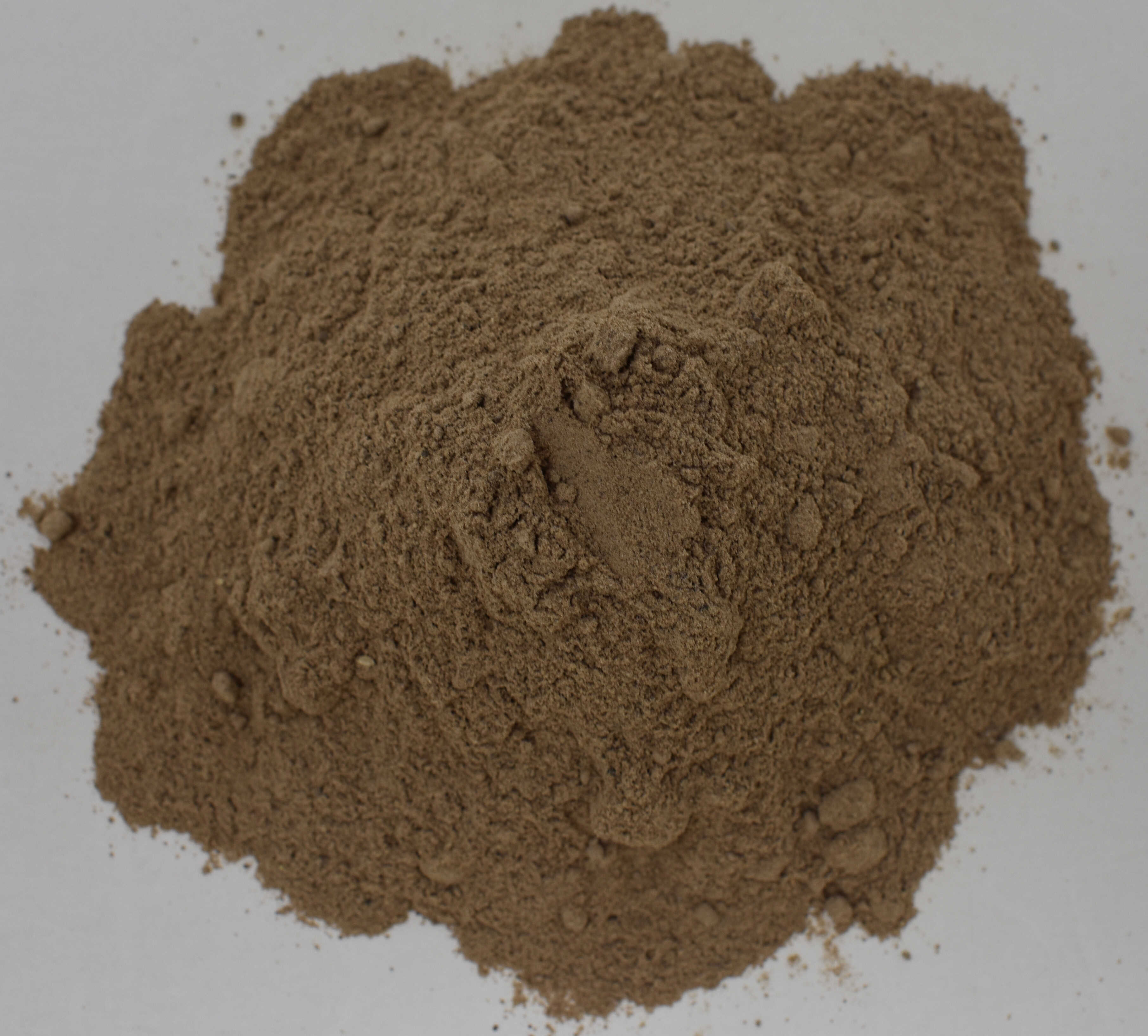
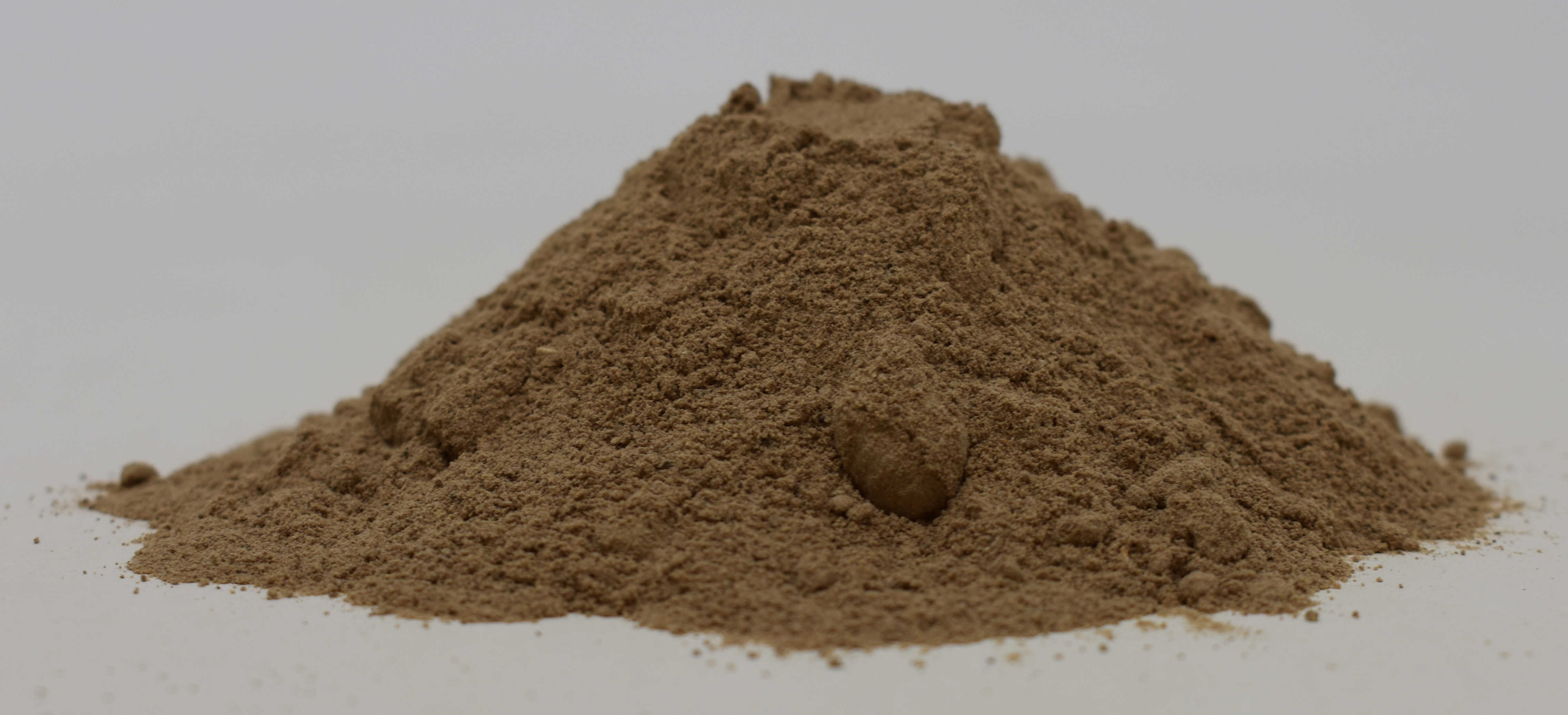
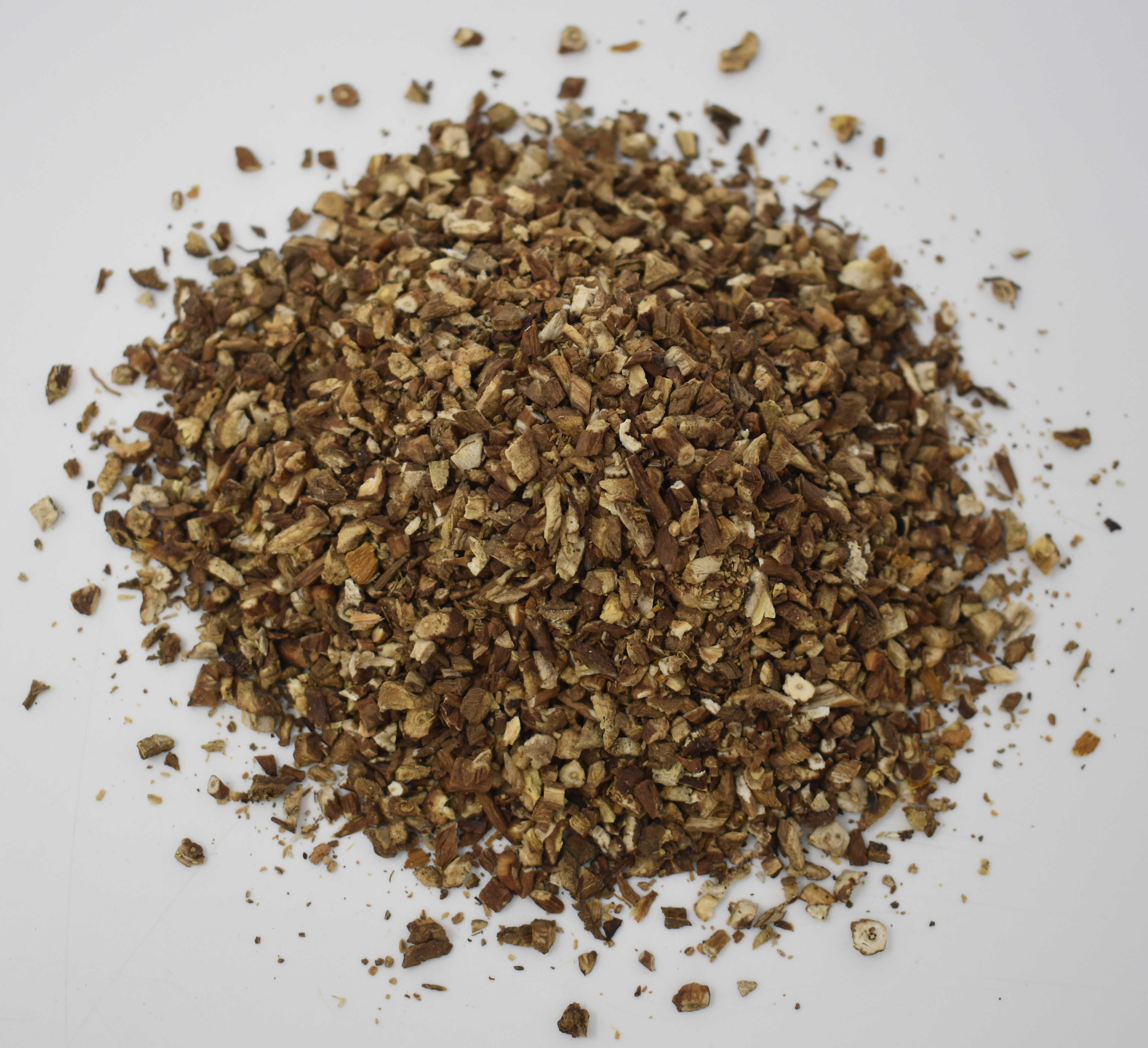
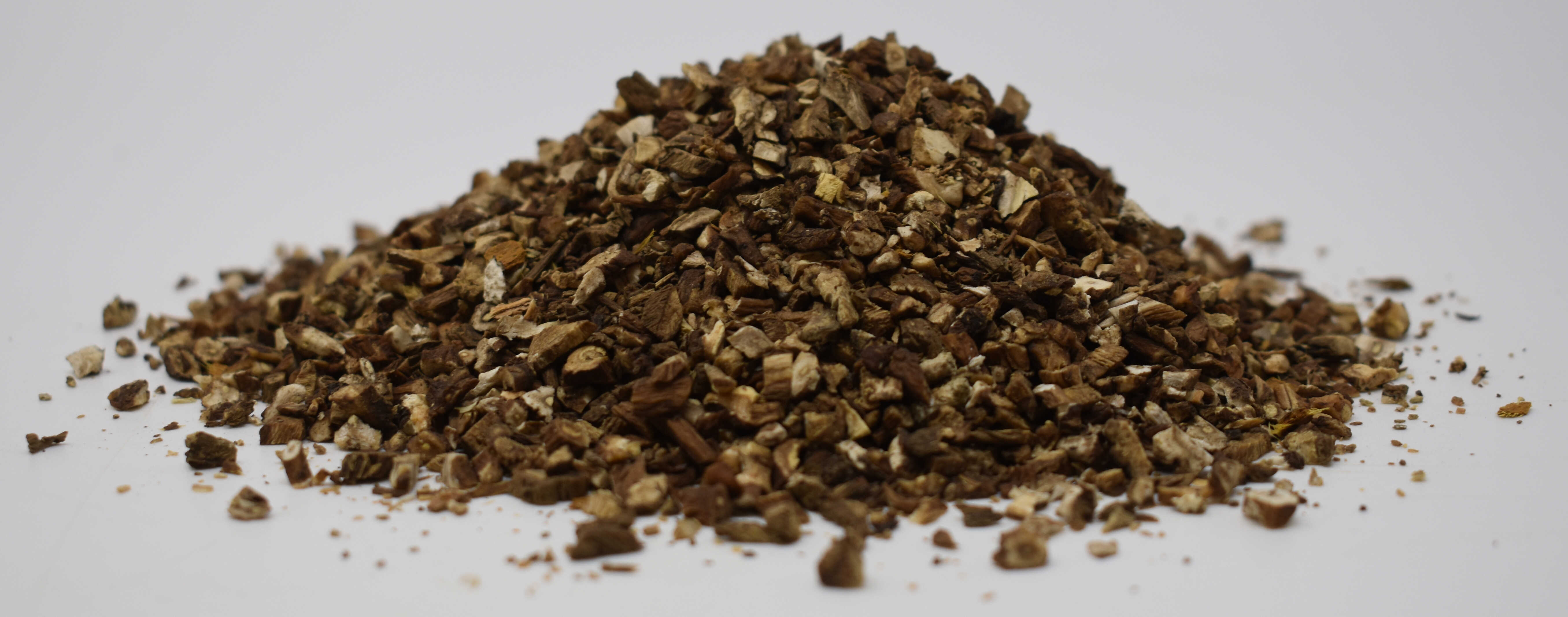
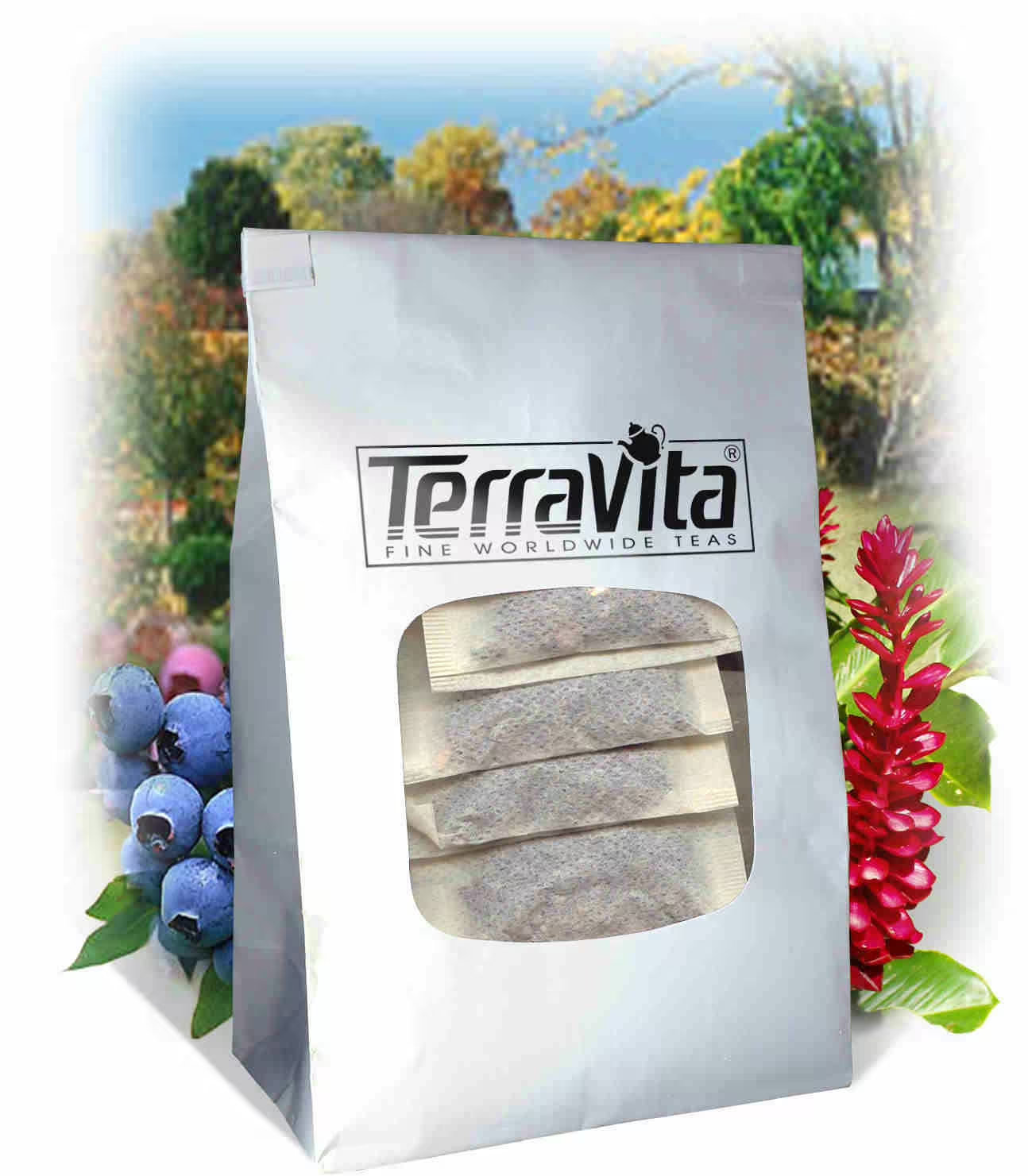
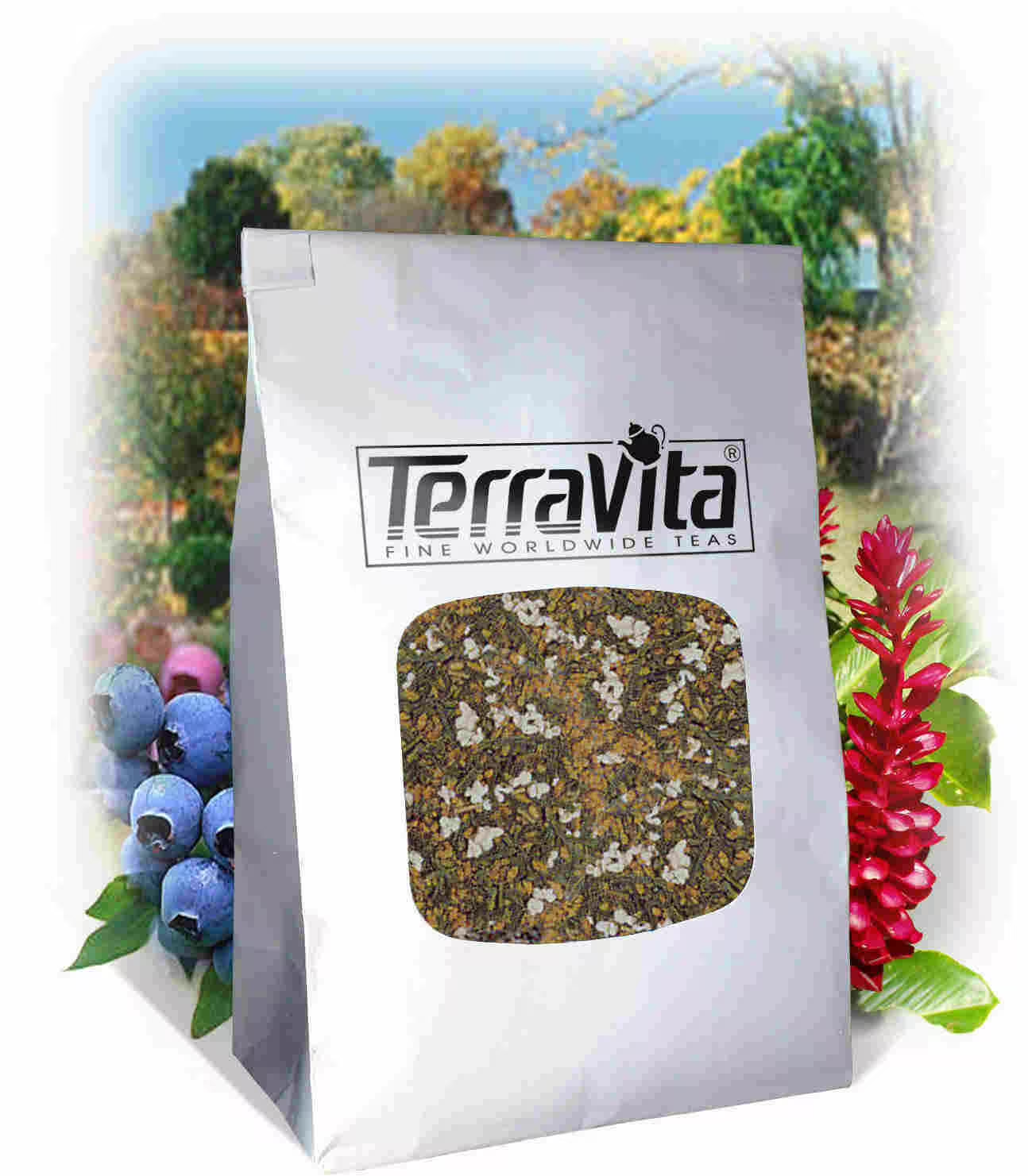
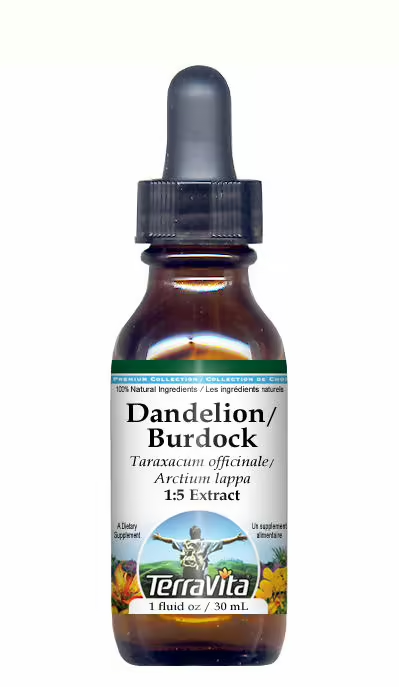
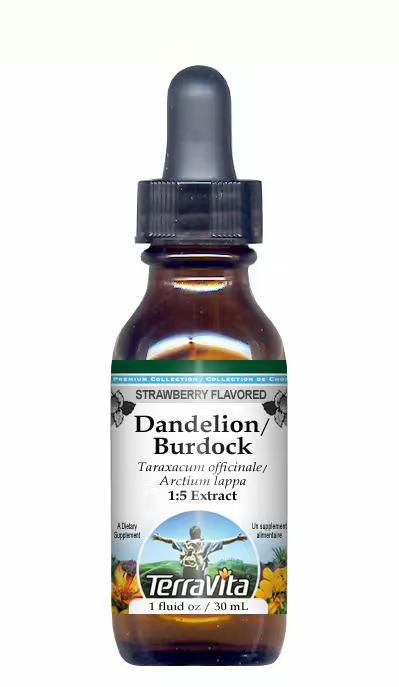
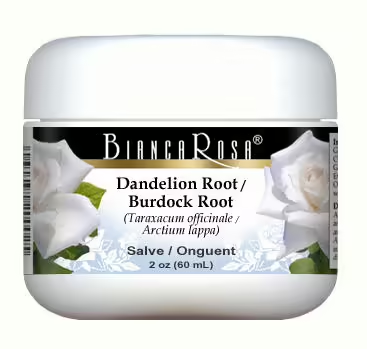
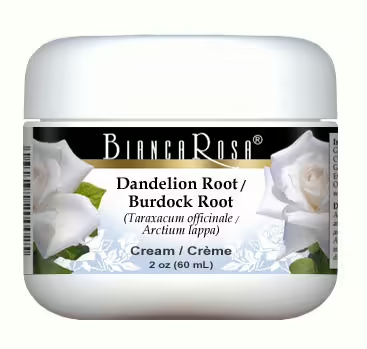
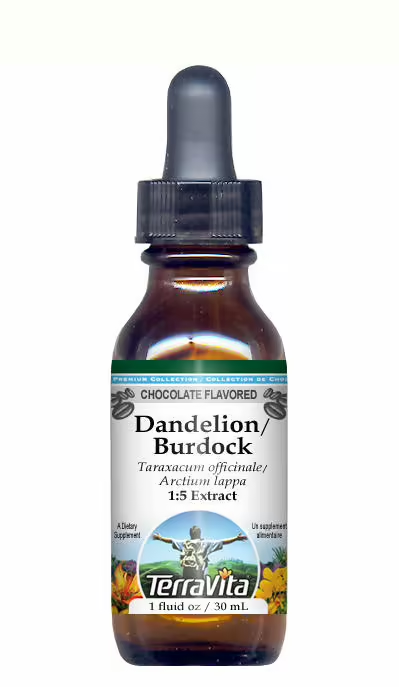
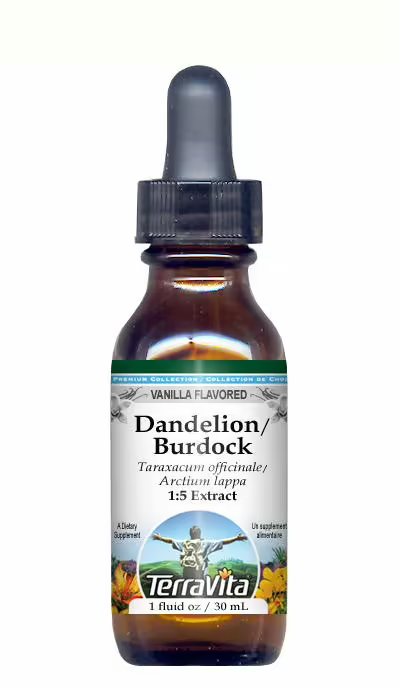
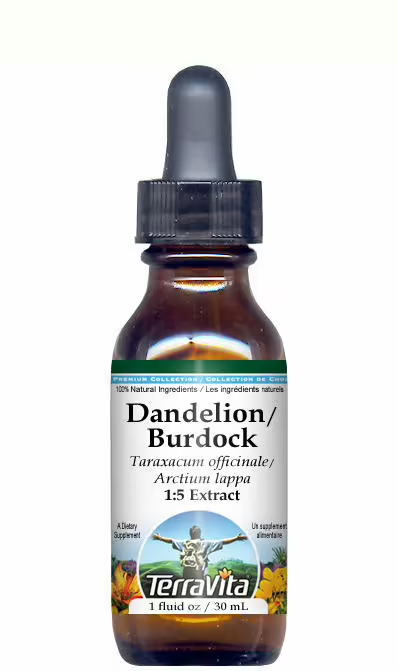
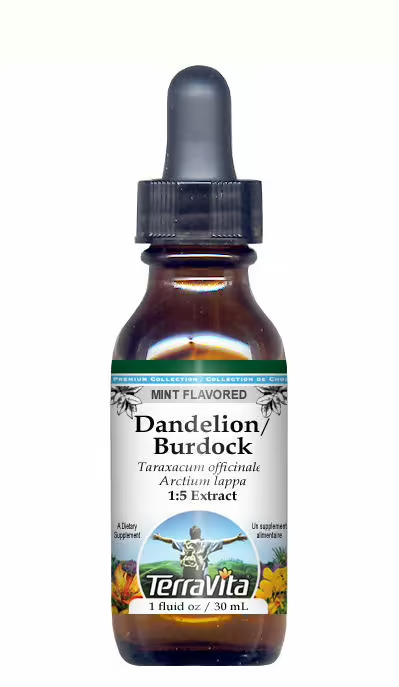
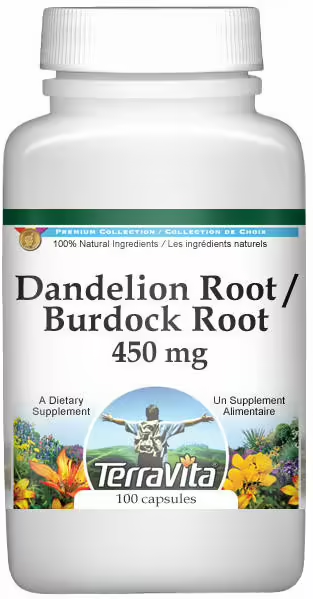
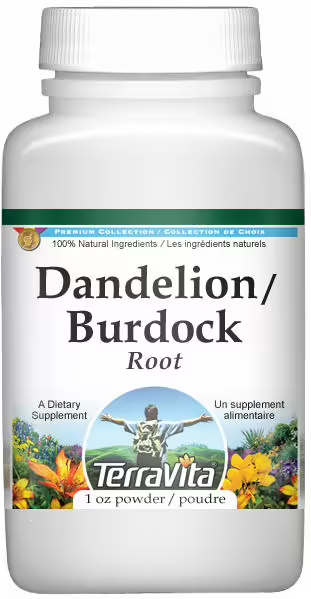
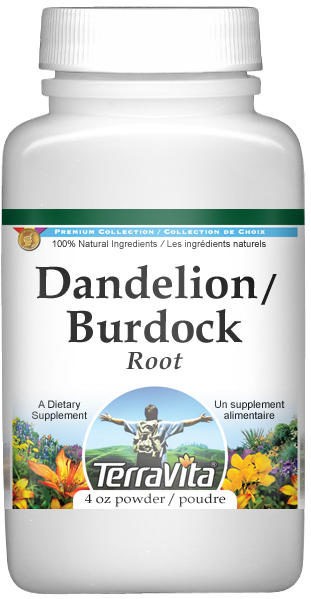
Dandelion and Burdock Root
| Images | Product Name | Size | ZIN | Price | Quantity | Add to Cart |
| Dandelion Root and Burdock Root Tea | 25 tea bags | 427516 | $22.09 | |||
| 50 tea bags | 427517 | $34.46 | ||||
| Dandelion Root and Burdock Root Tea (Loose) | 4 oz | 427518 | $19.70 | |||
| 8 oz | 427519 | $31.94 | ||||
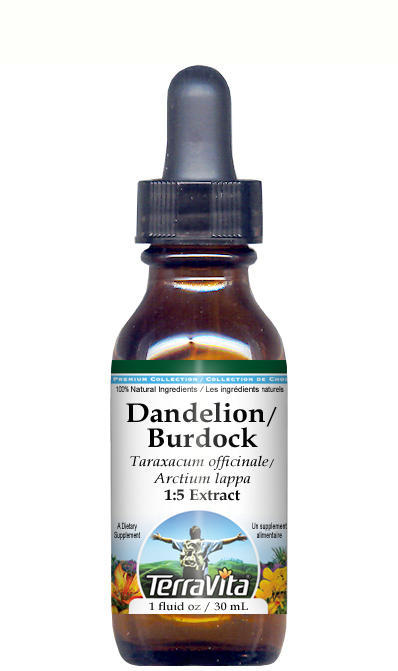
| Dandelion Root and Burdock Root - Glycerite Liquid Extract (1:5) | 1 fl oz - No Flavor | 428025 | $15.29 | |||
| 1 fl oz - Strawberry | 428026 | $15.29 | ||||
| Dandelion Root and Burdock Root - Salve Ointment | 2 oz | 428027 | $24.73 | |||
| Dandelion Root and Burdock Root - Cream | 2 oz | 428028 | $28.79 | |||
| Dandelion Root and Burdock Root - Glycerite Liquid Extract (1:5) | 1 fl oz - Chocolate | 428207 | $15.29 | |||
| 1 fl oz - Vanilla | 428231 | $15.29 | ||||
| 1 fl oz - No Flavor | 428264 | $15.29 | ||||
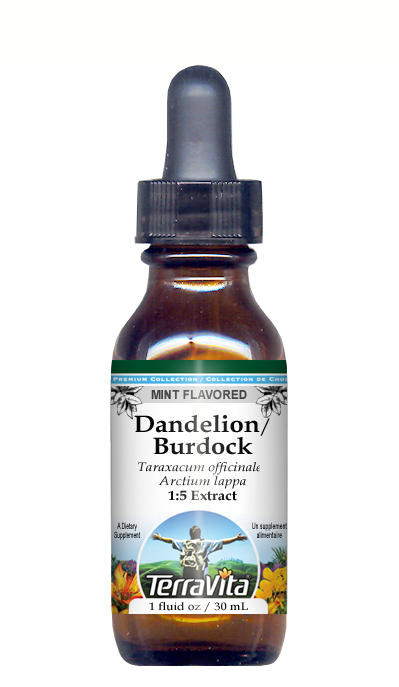
| 1 fl oz - Mint | 428288 | $11.90 | ||||
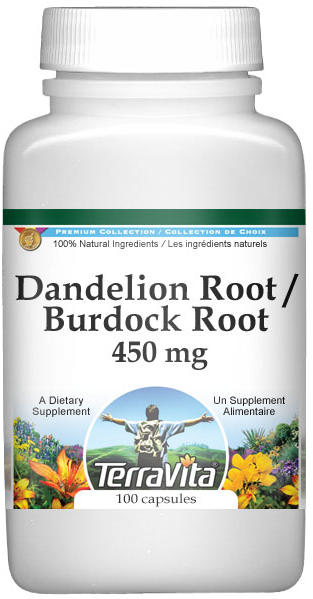
| Dandelion Root and Burdock Root - 450 mg | 100 capsules | 428029 | $24.29 | |||
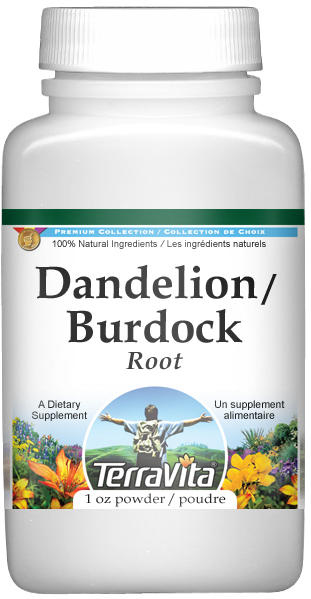
| Dandelion Root and Burdock Root Powder | 1 oz | 428030 | $11.30 | |||
| 4 oz | 428031 | $21.86 |
TerraVita is an exclusive line of premium-quality, natural source products that use only the finest, purest and most potent ingredients found around the world. TerraVita is hallmarked by the highest possible standards of purity, potency, stability and freshness. All of our products are prepared with the highest elements of quality control, from raw materials through the entire manufacturing process, up to and including the moment that the bottles or bags are sealed for freshness and shipped out to you. Our highest possible standards are certified by independent laboratories and backed by our personal guarantee.
TerraVita strives to make all of our products affordable and reliable and are constantly searching the market to maintain our affordability and to look for new ways to serve you and the ones you love. TerraVita has become a trusted household name for many families and can bring you and yours the very best herbal supplements, blends, teas and spices that are on the market today.
TerraVita is packed in tamper-proof, food-grade, recyclable containers.
ZooScape is proud to be the exclusive distributor of TerraVita teas, herbs and supplements in the United States, Canada and around the world. Please direct all wholesale and bulk inquiries to 1-844-449-0444.
Bianca Rosa is an exclusive line of premium-quality natural products sourced from only the finest and purest ingredients from around the world. Bianca Rosa is hallmarked by the highest possible standards of purity, stability and freshness. All Bianca Rosa products are prepared with the highest level of quality control, from the raw materials used through the entire manufacturing process, up to and including the moment that the finished product is sealed for freshness and shipped to you. Our highest possible standards backed by our personal guarantee.
Bianca Rosa makes all products as affordable as possible and we are constantly searching the market to maintain our affordability and to look for new ways to serve you. Bianca Rosa has been a trusted household name for many families throughout the world since the 1990s. Bianca Rosa is packed in tamper-proof, recyclable containers.
ZooScape is proud to be the exclusive distributor of all Bianca Rosa products, including creams, salves and oils in the United States, Canada and around the world. Please direct all wholesale and bulk inquiries to 1-844-449-0444.
These statements have not been evaluated by the Food and Drug Administration (FDA). Products are intended to support general well being and are not intended to treat, diagnose, prevent, or cure any condition or disease.
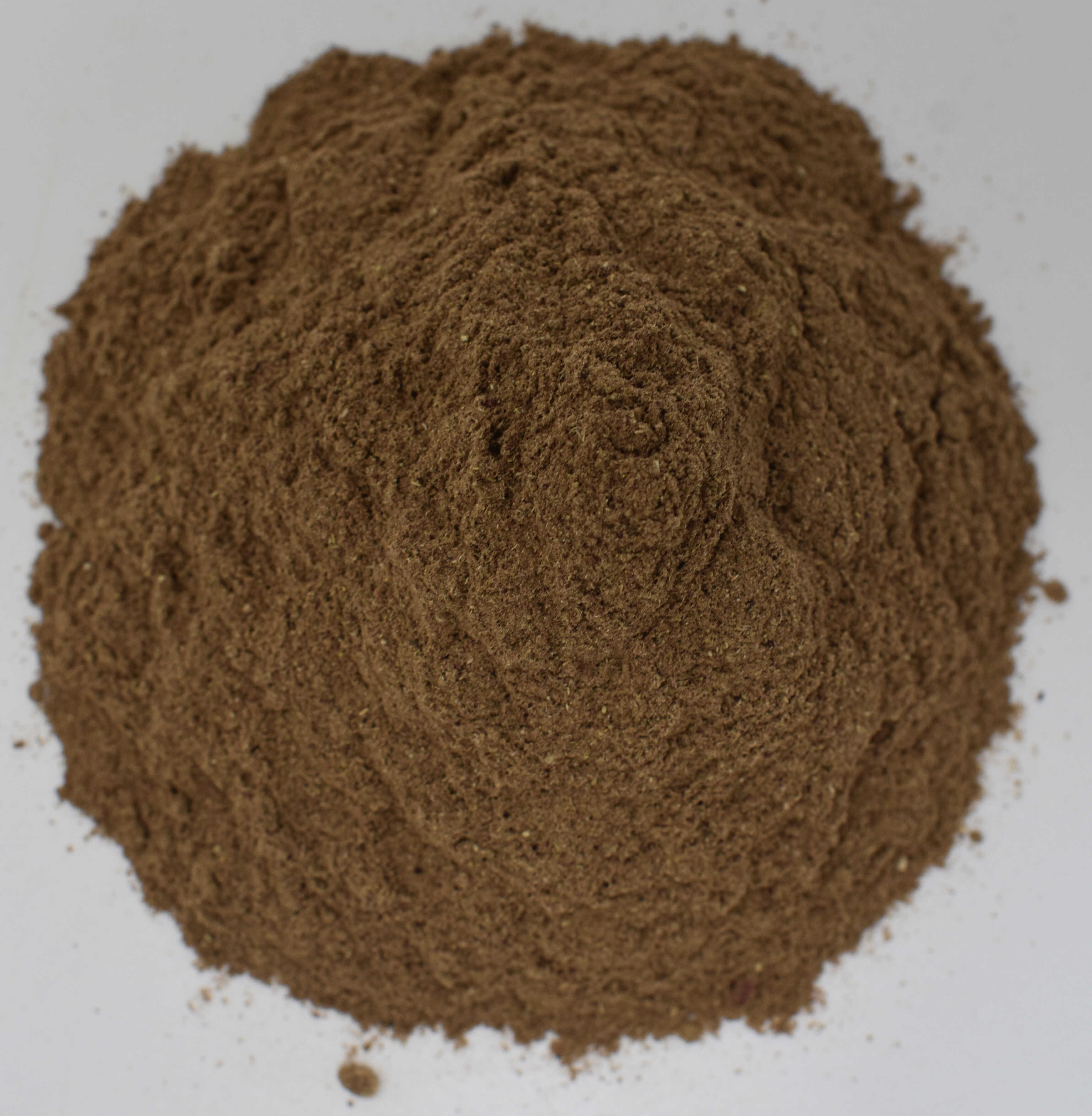
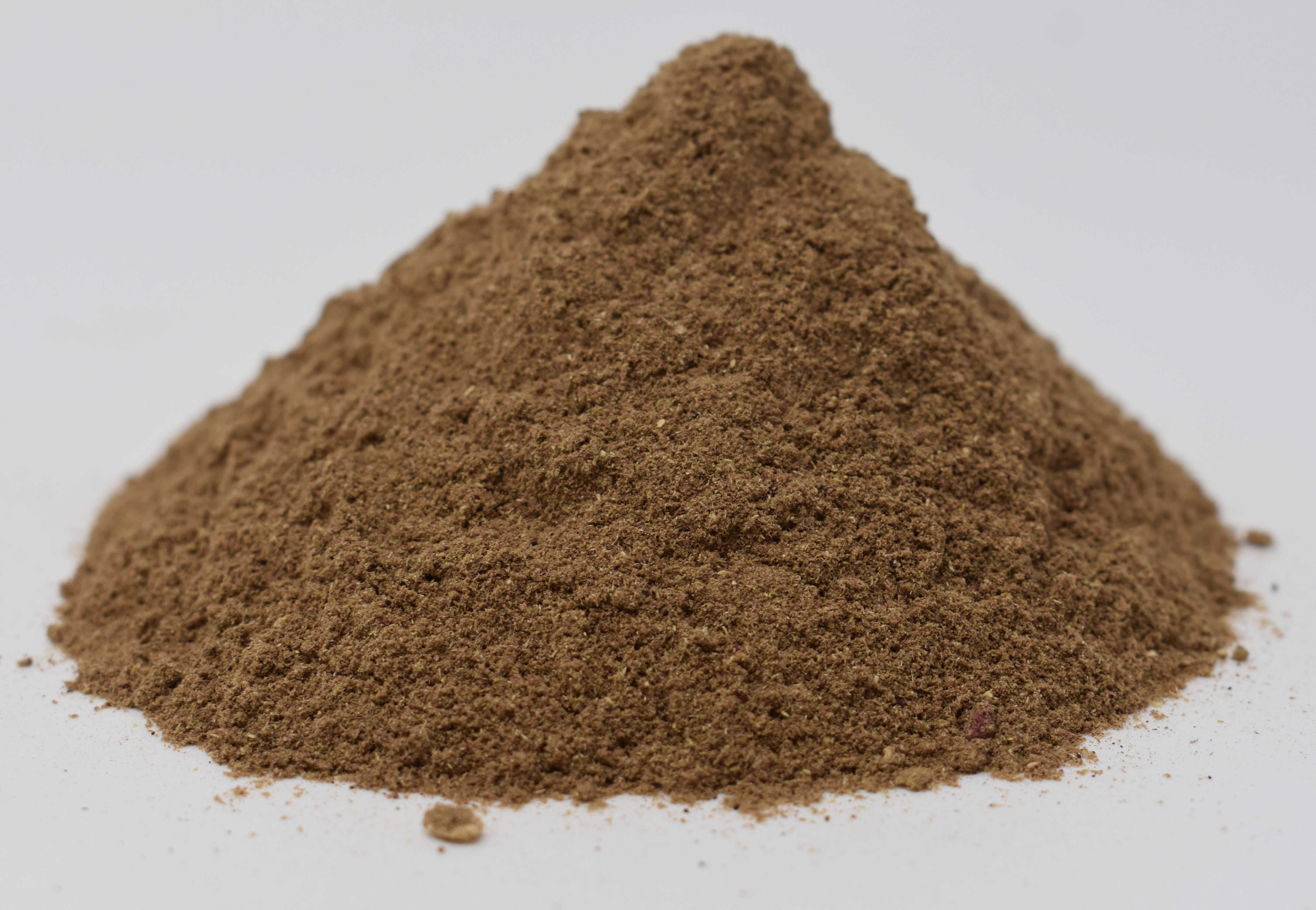
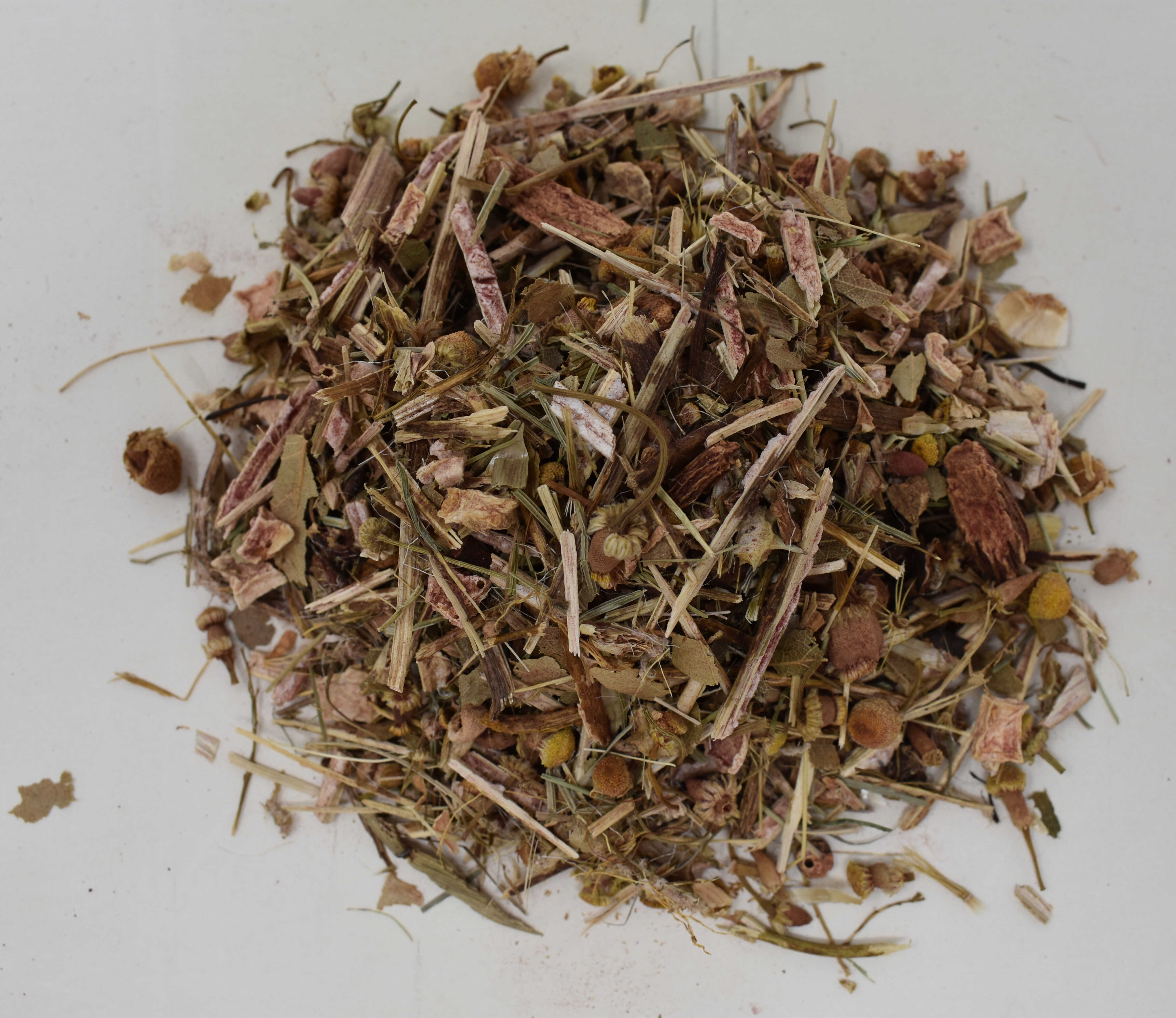
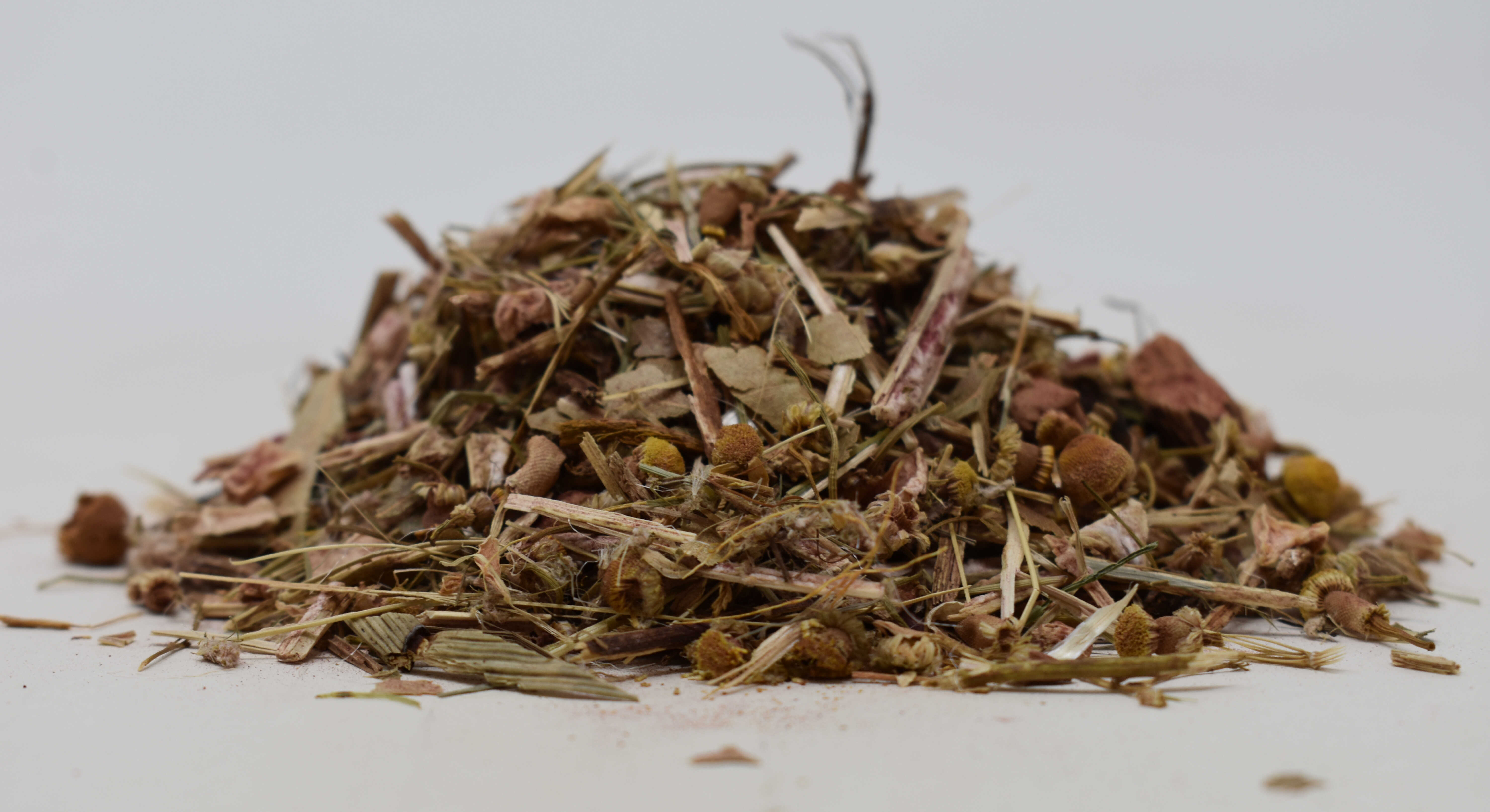
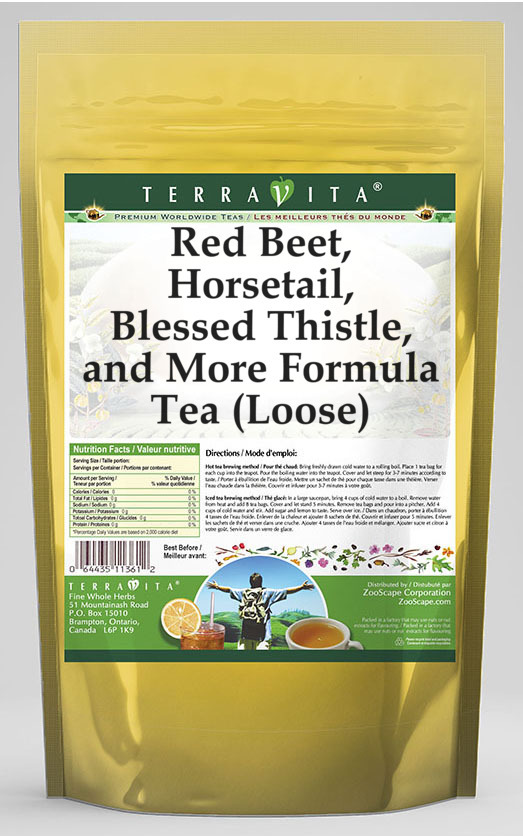
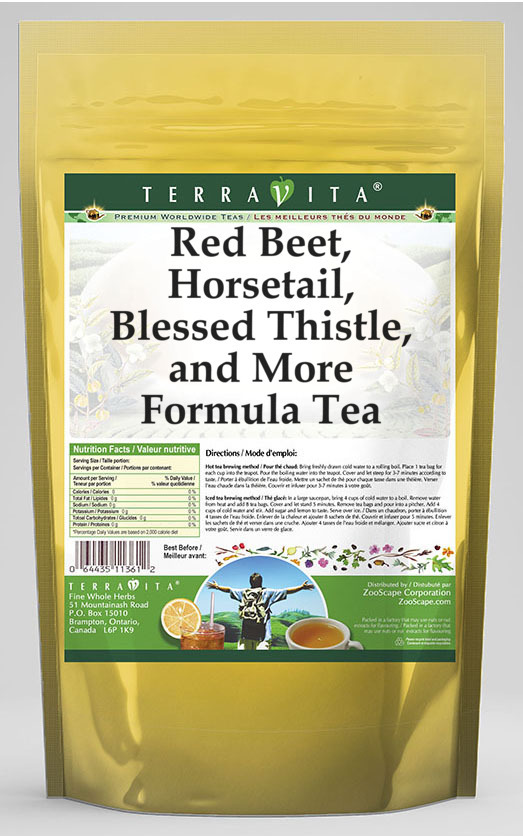
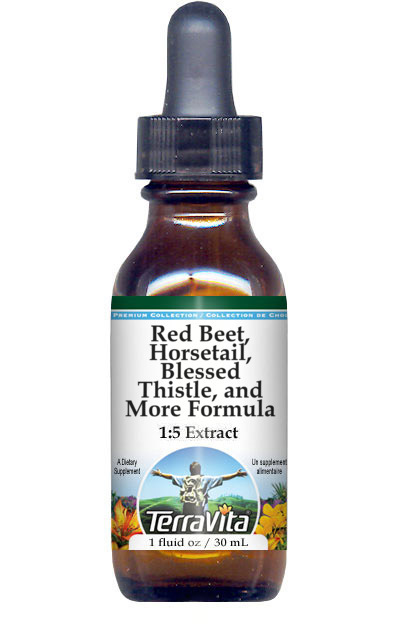
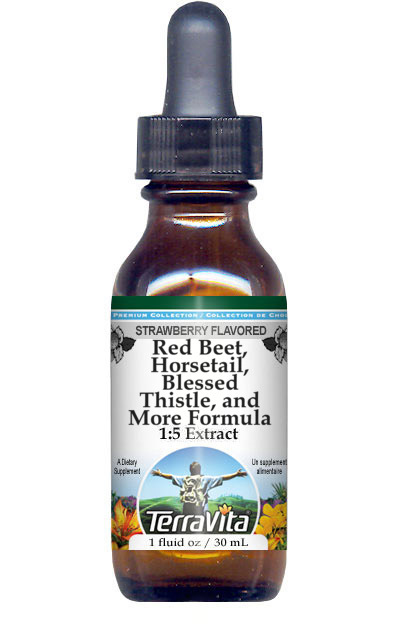
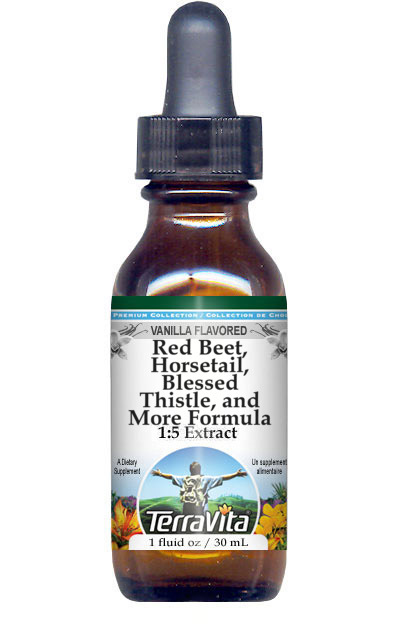
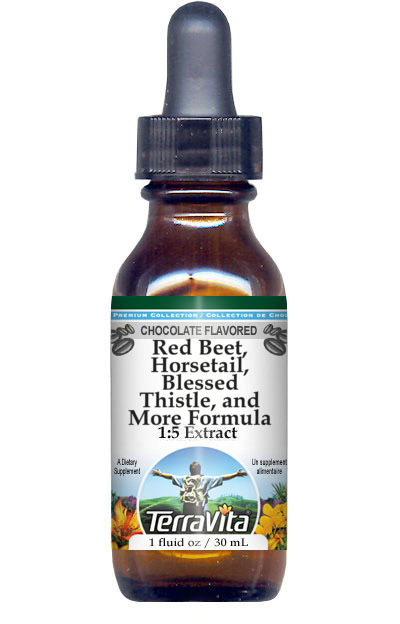
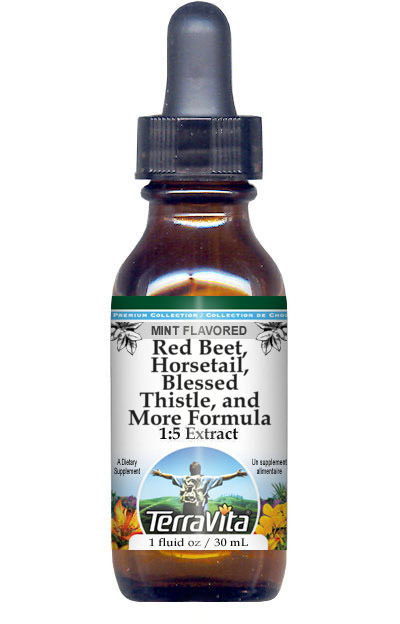
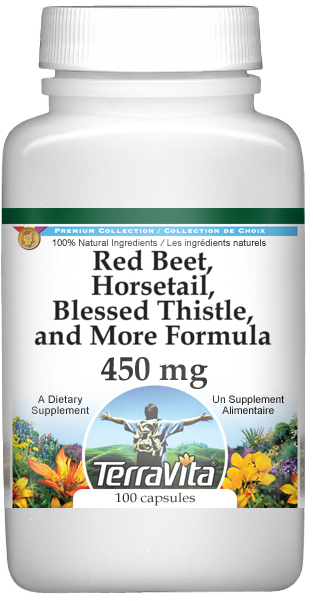
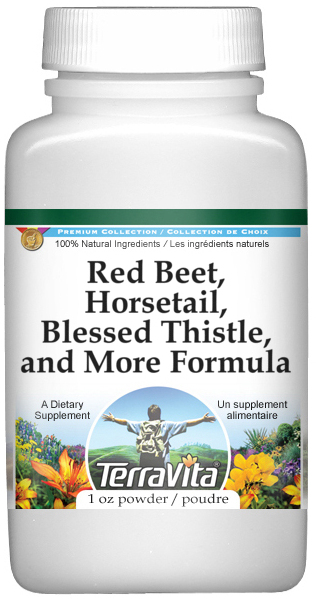
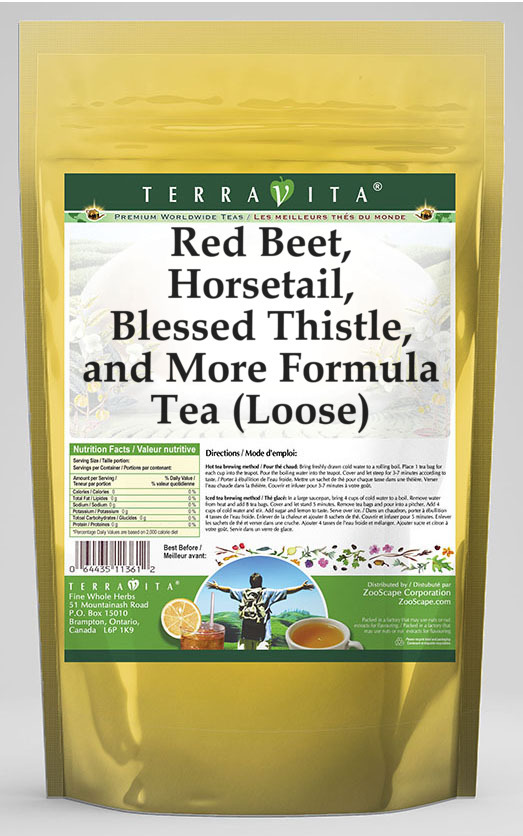
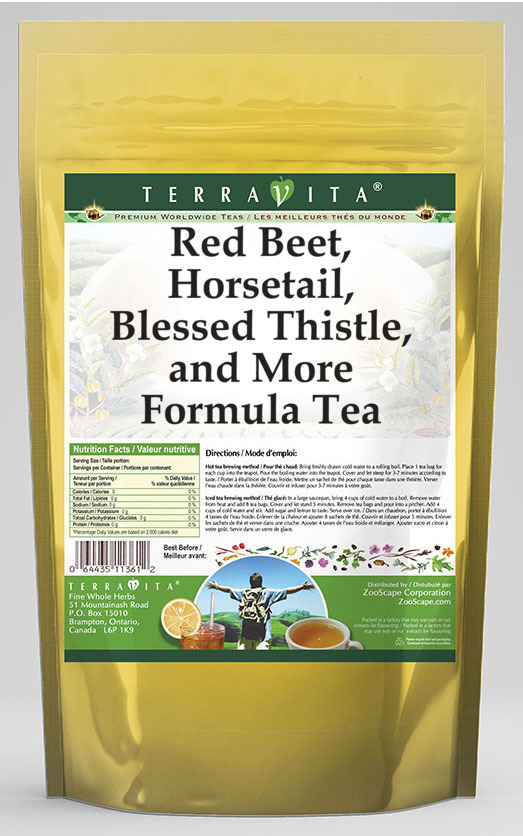
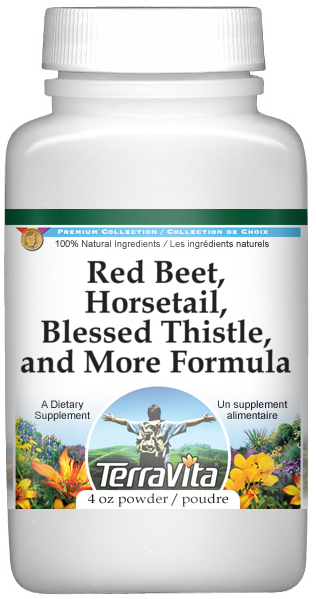
Red Beet, Horsetail, Blessed Thistle, and More Formula
| Images | Product Name | Size | ZIN | Price | Quantity | Add to Cart |
| Red Beet, Horsetail, Blessed Thistle, and More Formula Tea (Loose) | 4 oz | 512558 | $20.84 | |||
| 8 oz | 512559 | $34.05 | ||||
| Red Beet, Horsetail, Blessed Thistle, and More Formula Tea | 25 tea bags | 512560 | $22.81 | |||
| 50 tea bags | 512561 | $35.77 | ||||
| Red Beet, Horsetail, Blessed Thistle, and More Formula Glycerite Liquid Extract (1:5) | 1 oz - No Flavor | 523801 | $20.94 | |||
| 1 oz - Strawberry | 523802 | $23.15 | ||||
| 1 oz - Vanilla | 523803 | $23.15 | ||||
| 1 oz - Chocolate | 523804 | $23.15 | ||||
| 1 oz - Mint | 523805 | $23.15 | ||||
| Red Beet, Horsetail, Blessed Thistle, and More Formula - 450 mg | 100 capsules | 512555 | $24.24 | |||
| Red Beet, Horsetail, Blessed Thistle, and More Formula Powder | 4 oz | 512556 | $22.54 | |||
| 1 oz | 512557 | $10.95 |
TerraVita strives to make all of our products affordable and reliable and are constantly searching the market to maintain our affordability and to look for new ways to serve you and the ones you love. TerraVita has become a trusted household name for many families and can bring you and yours the very best herbal supplements, blends, teas and spices that are on the market today.
TerraVita is packed in tamper-proof, food-grade, recyclable containers.
ZooScape is proud to be the exclusive distributor of TerraVita teas, herbs and supplements in the United States, Canada and around the world. Please direct all wholesale and bulk inquiries to 1-844-449-0444.
These statements have not been evaluated by the Food and Drug Administration (FDA). Products are intended to support general well being and are not intended to treat, diagnose, prevent, or cure any condition or disease.
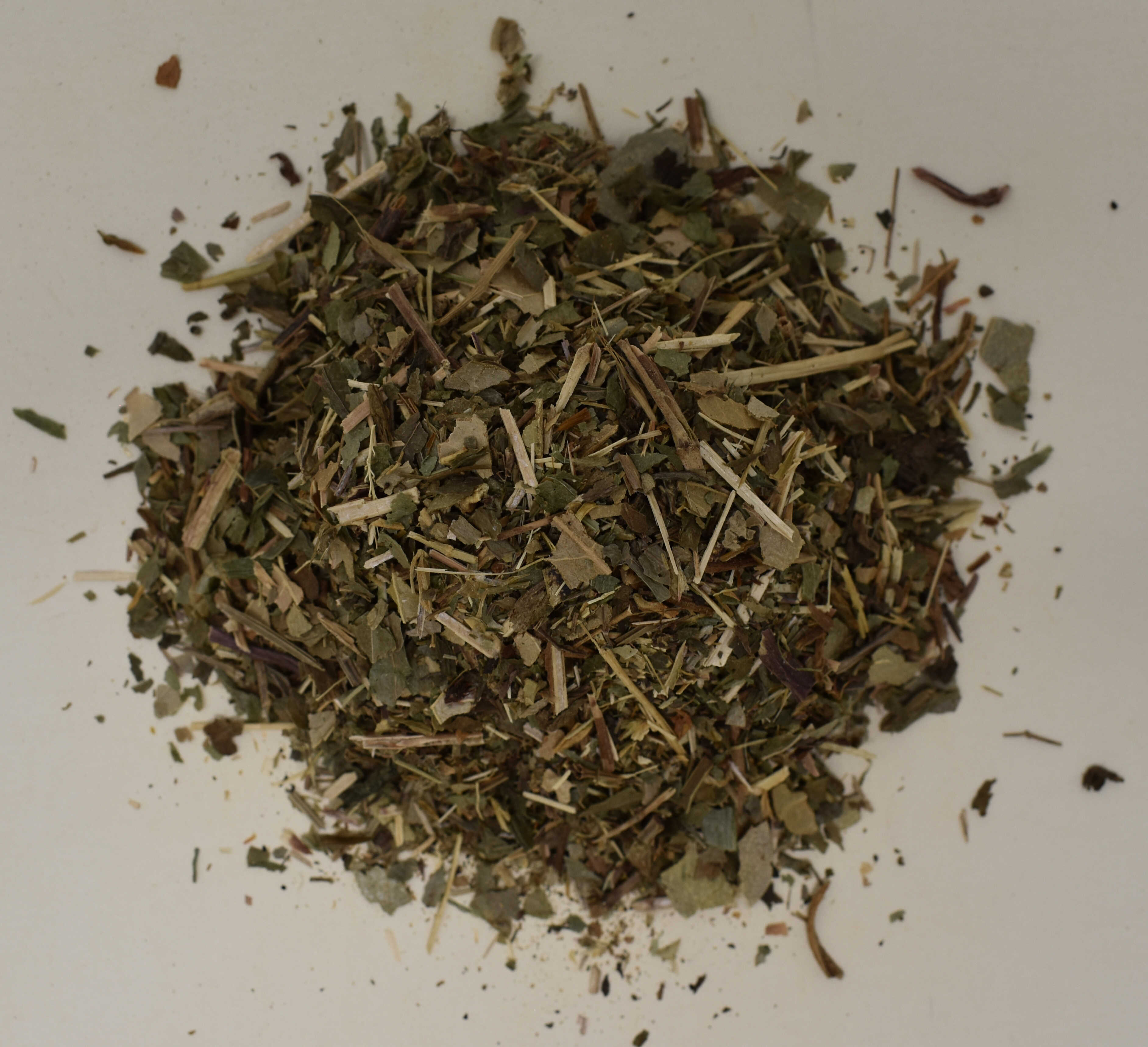
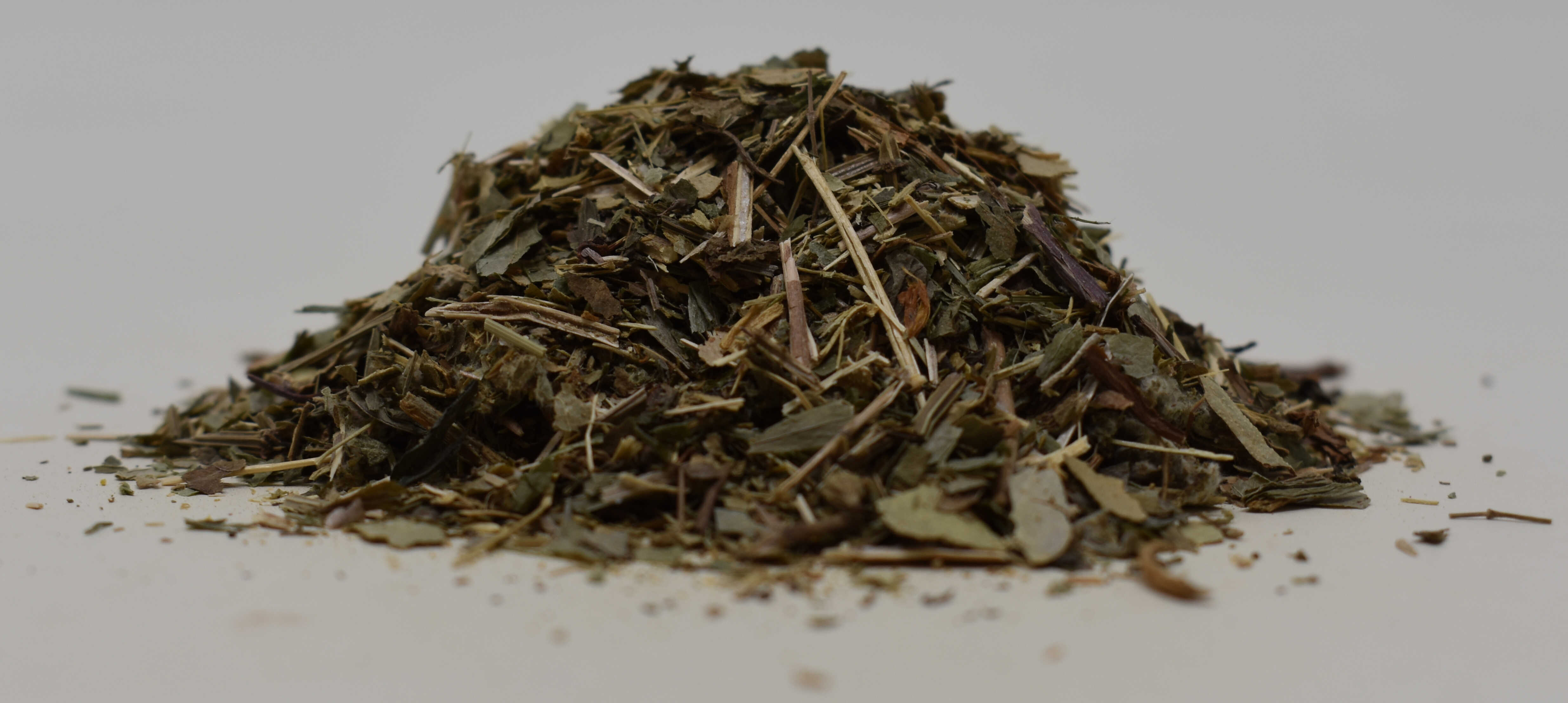
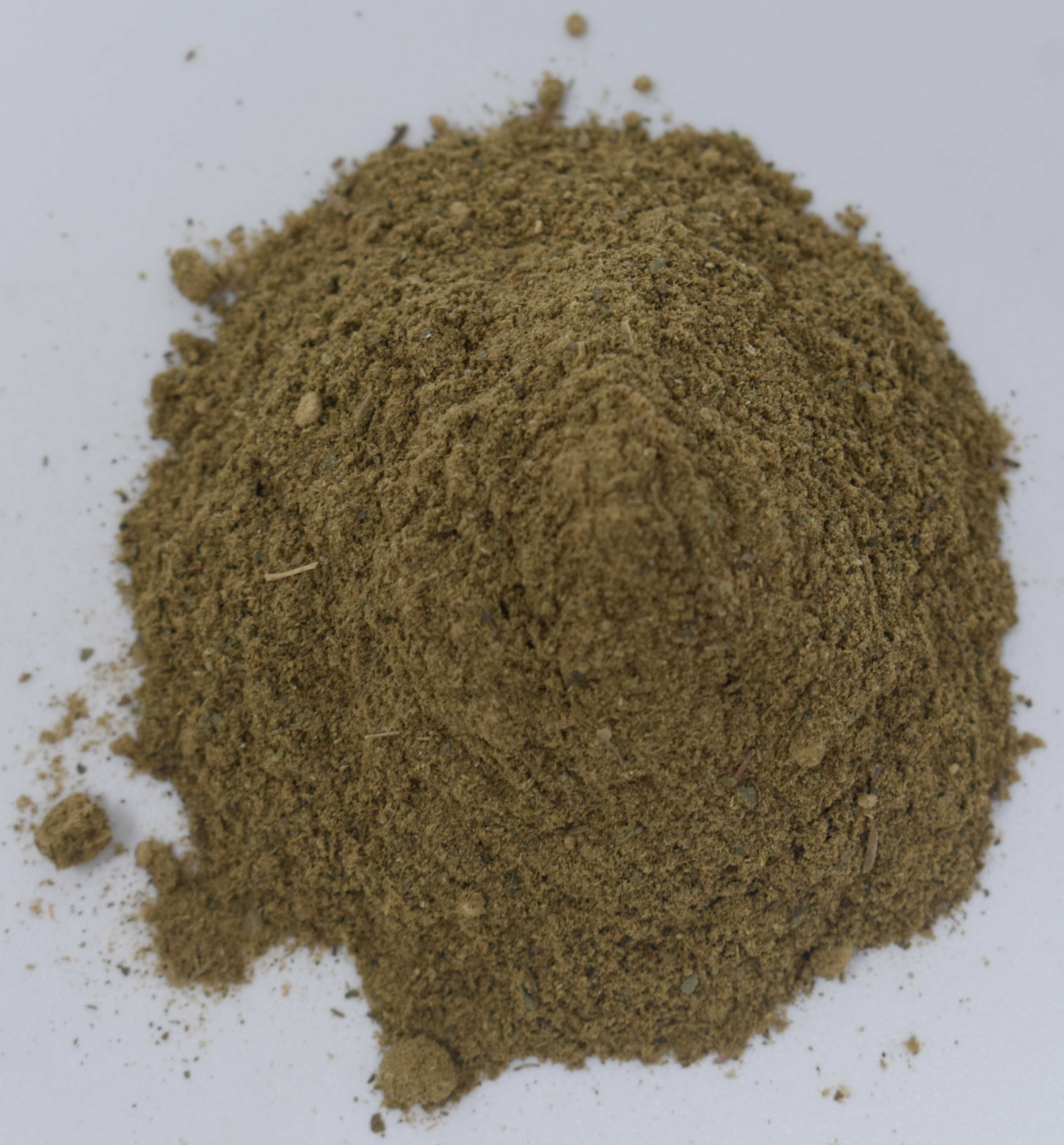
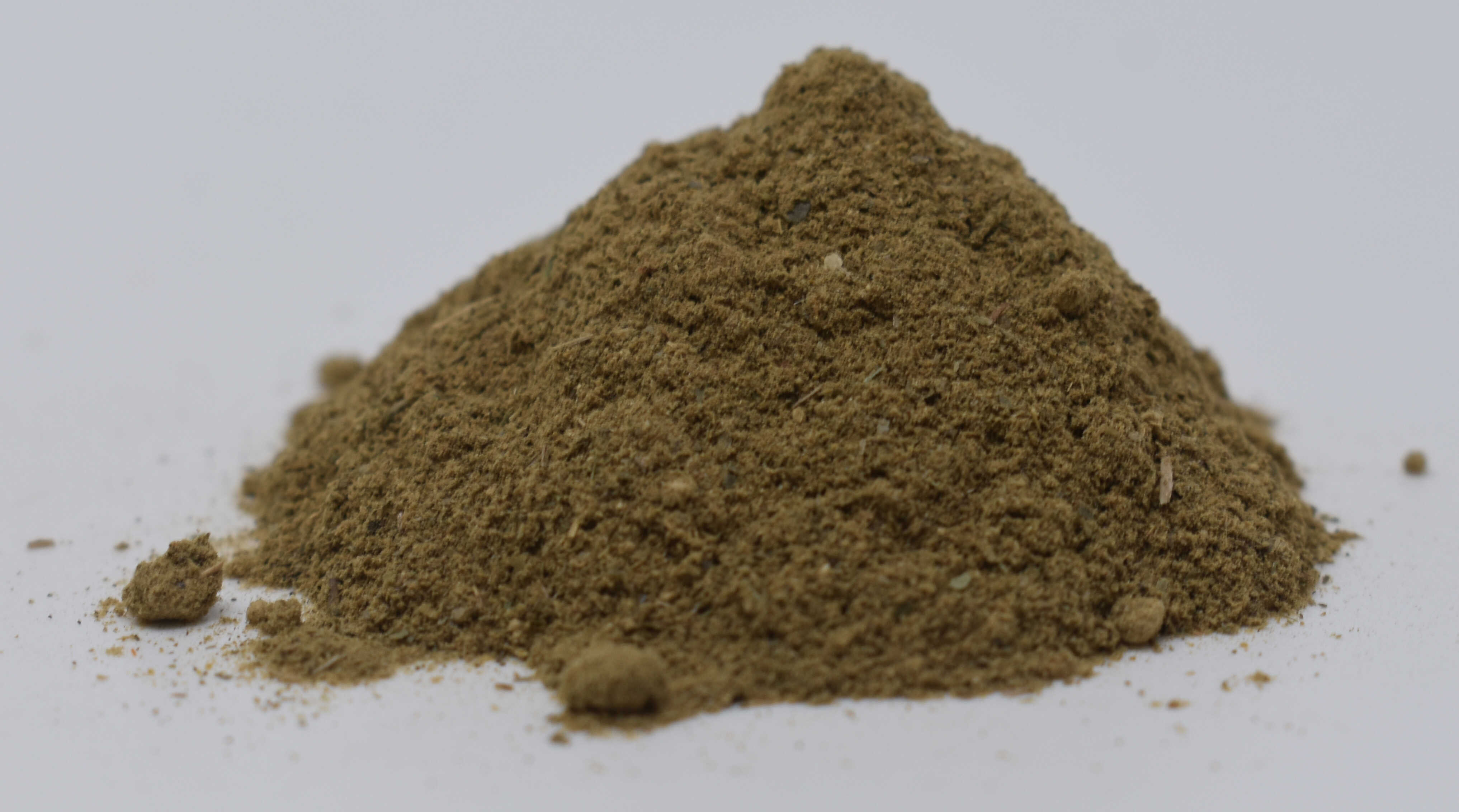
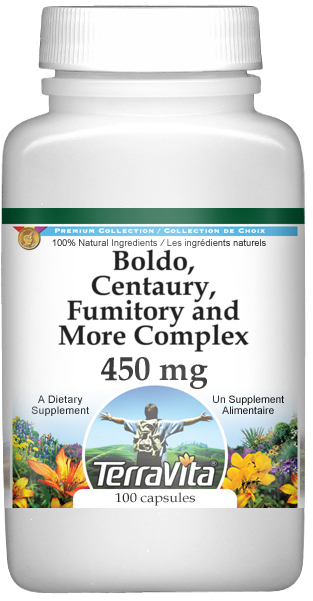
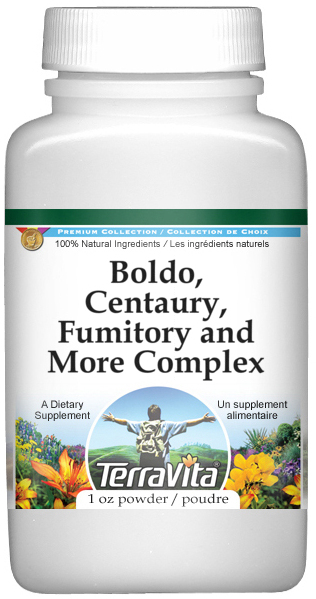
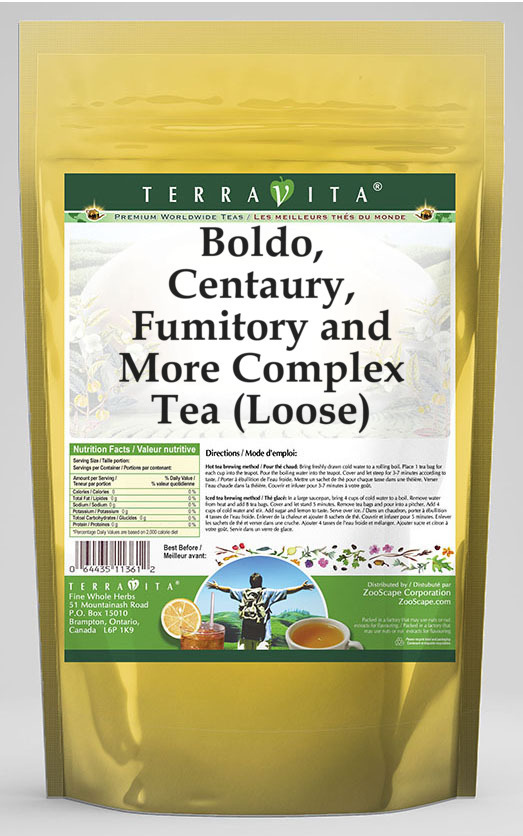
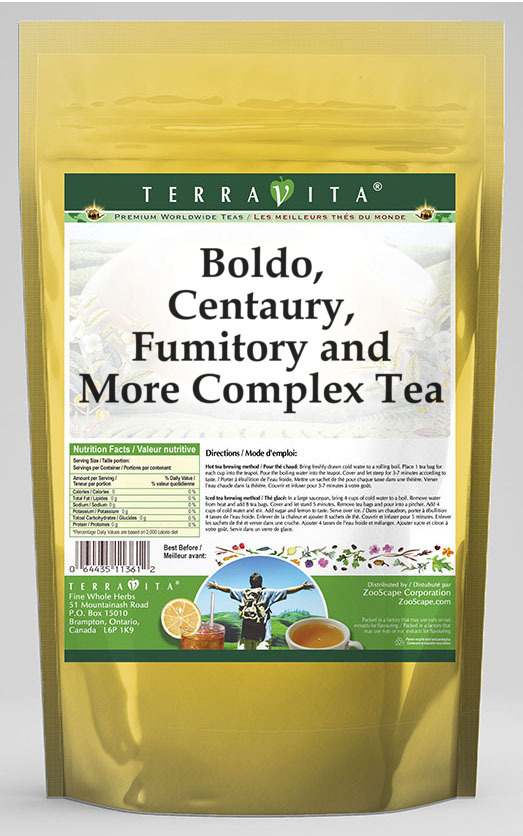
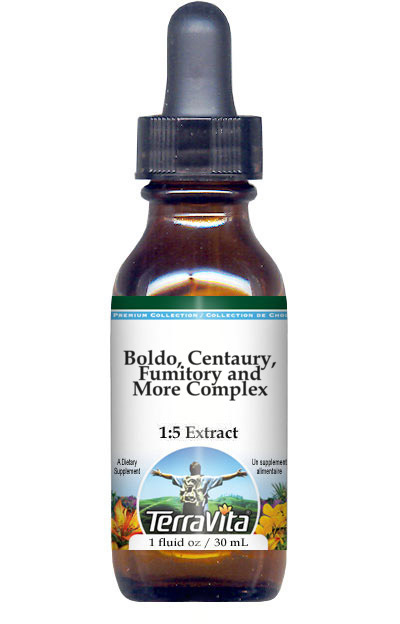
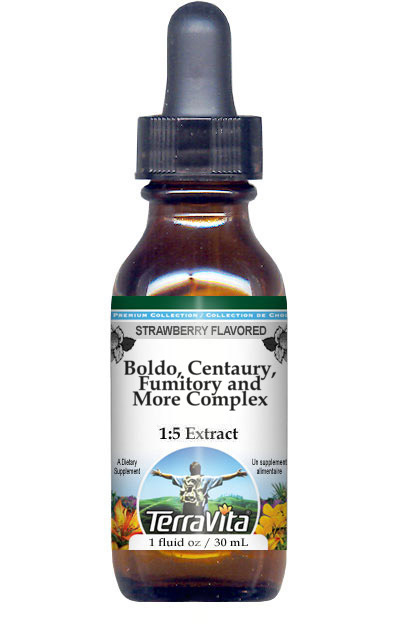
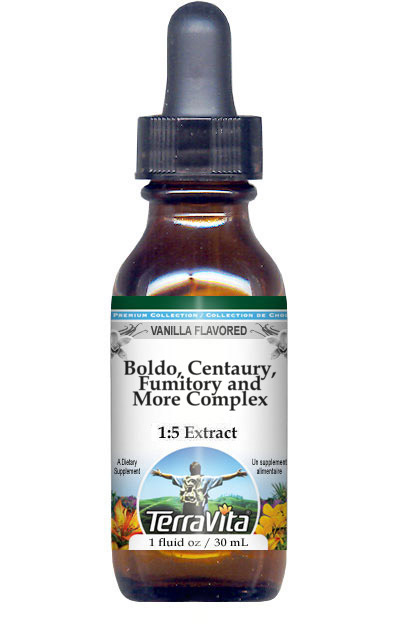
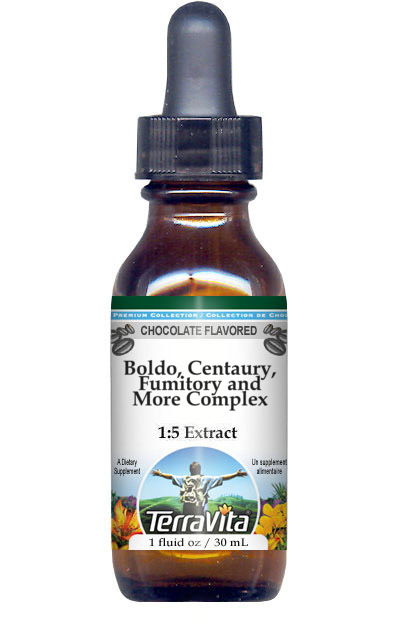
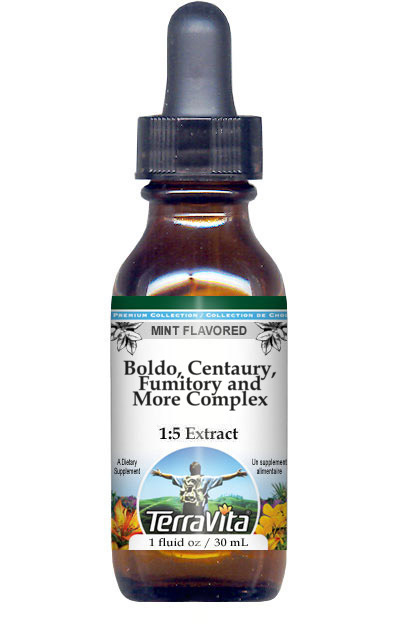
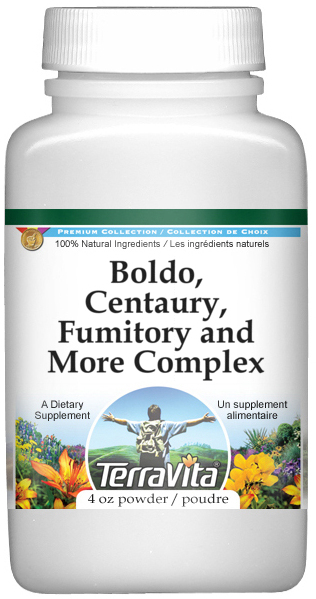
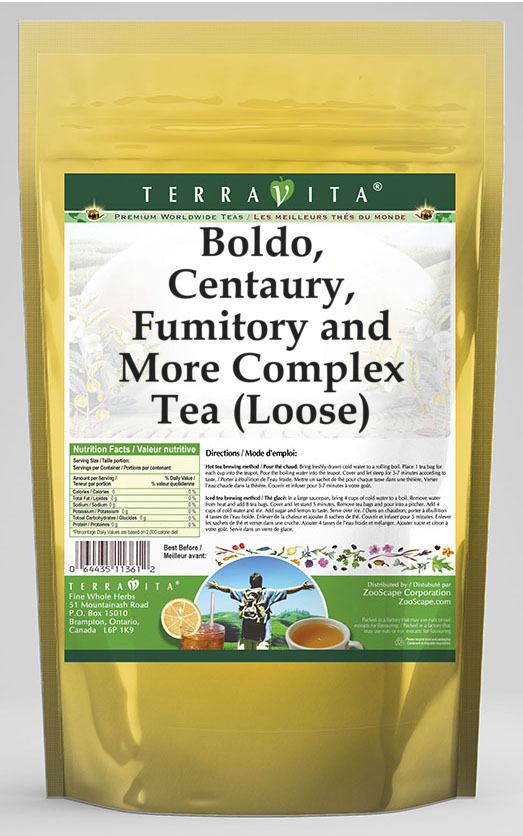
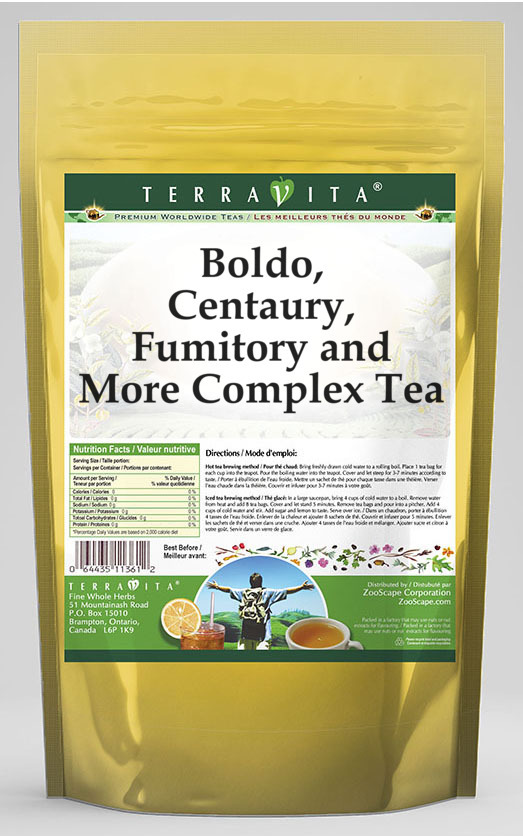
Boldo, Centaury, Fumitory and More Complex
| Images | Product Name | Size | ZIN | Price | Quantity | Add to Cart |
| Boldo, Centaury, Fumitory and More Complex - 450 mg | 100 capsules | 512170 | $22.90 | |||
| Boldo, Centaury, Fumitory and More Complex Powder | 4 oz | 512171 | $26.42 | |||
| 1 oz | 512172 | $14.26 | ||||
| Boldo, Centaury, Fumitory and More Complex Tea (Loose) | 4 oz | 512173 | $16.94 | |||
| 8 oz | 512174 | $25.22 | ||||
| Boldo, Centaury, Fumitory and More Complex Tea | 25 tea bags | 512175 | $17.05 | |||
| 50 tea bags | 512176 | $25.76 | ||||
| Boldo, Centaury, Fumitory and More Complex Glycerite Liquid Extract (1:5) | 1 oz - No Flavor | 523731 | $20.94 | |||
| 1 oz - Strawberry | 523732 | $23.15 | ||||
| 1 oz - Vanilla | 523733 | $23.15 | ||||
| 1 oz - Chocolate | 523734 | $23.15 | ||||
| 1 oz - Mint | 523735 | $23.15 |
TerraVita strives to make all of our products affordable and reliable and are constantly searching the market to maintain our affordability and to look for new ways to serve you and the ones you love. TerraVita has become a trusted household name for many families and can bring you and yours the very best herbal supplements, blends, teas and spices that are on the market today.
TerraVita is packed in tamper-proof, food-grade, recyclable containers.
ZooScape is proud to be the exclusive distributor of TerraVita teas, herbs and supplements in the United States, Canada and around the world. Please direct all wholesale and bulk inquiries to 1-844-449-0444.
These statements have not been evaluated by the Food and Drug Administration (FDA). Products are intended to support general well being and are not intended to treat, diagnose, prevent, or cure any condition or disease.
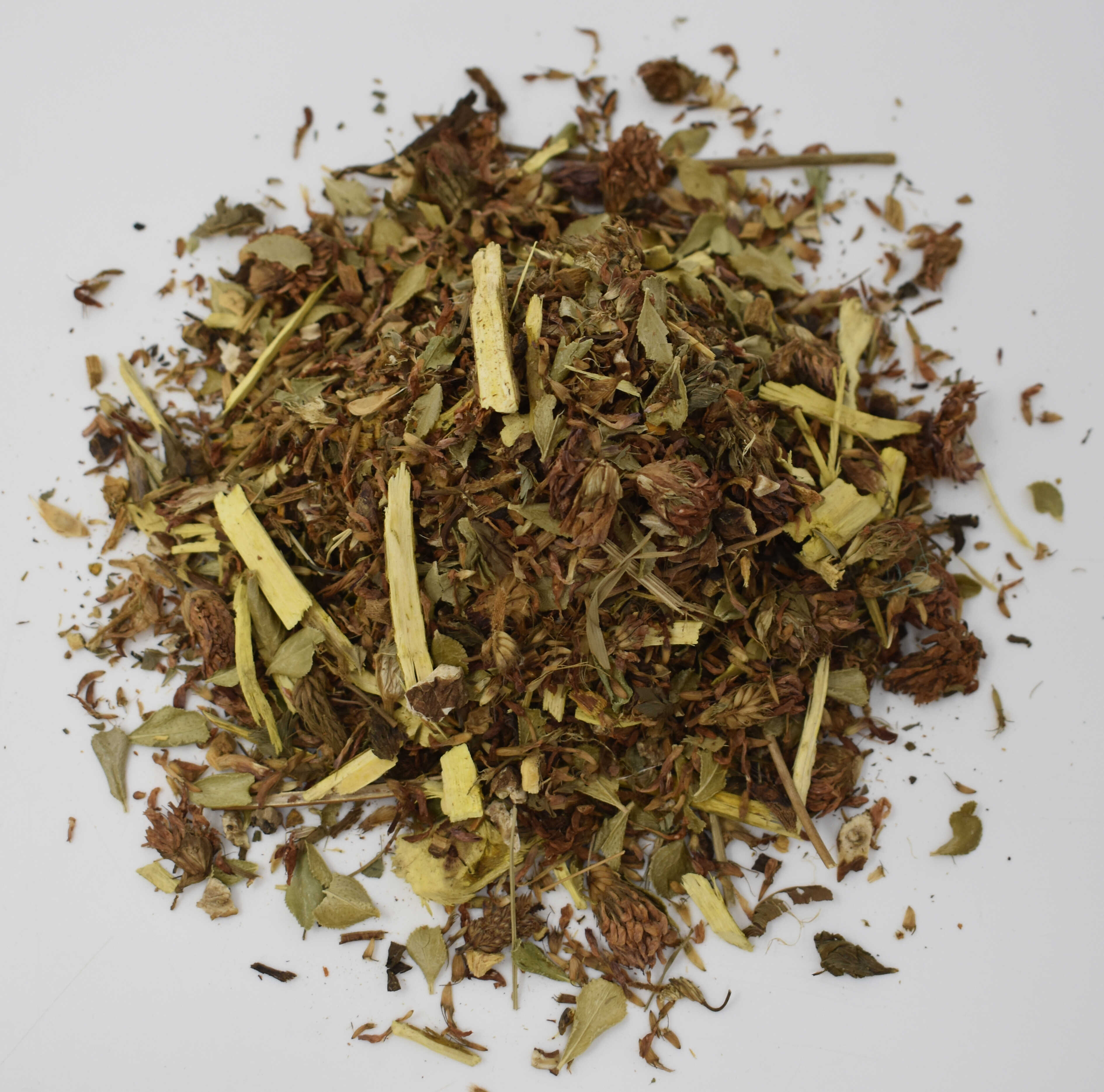
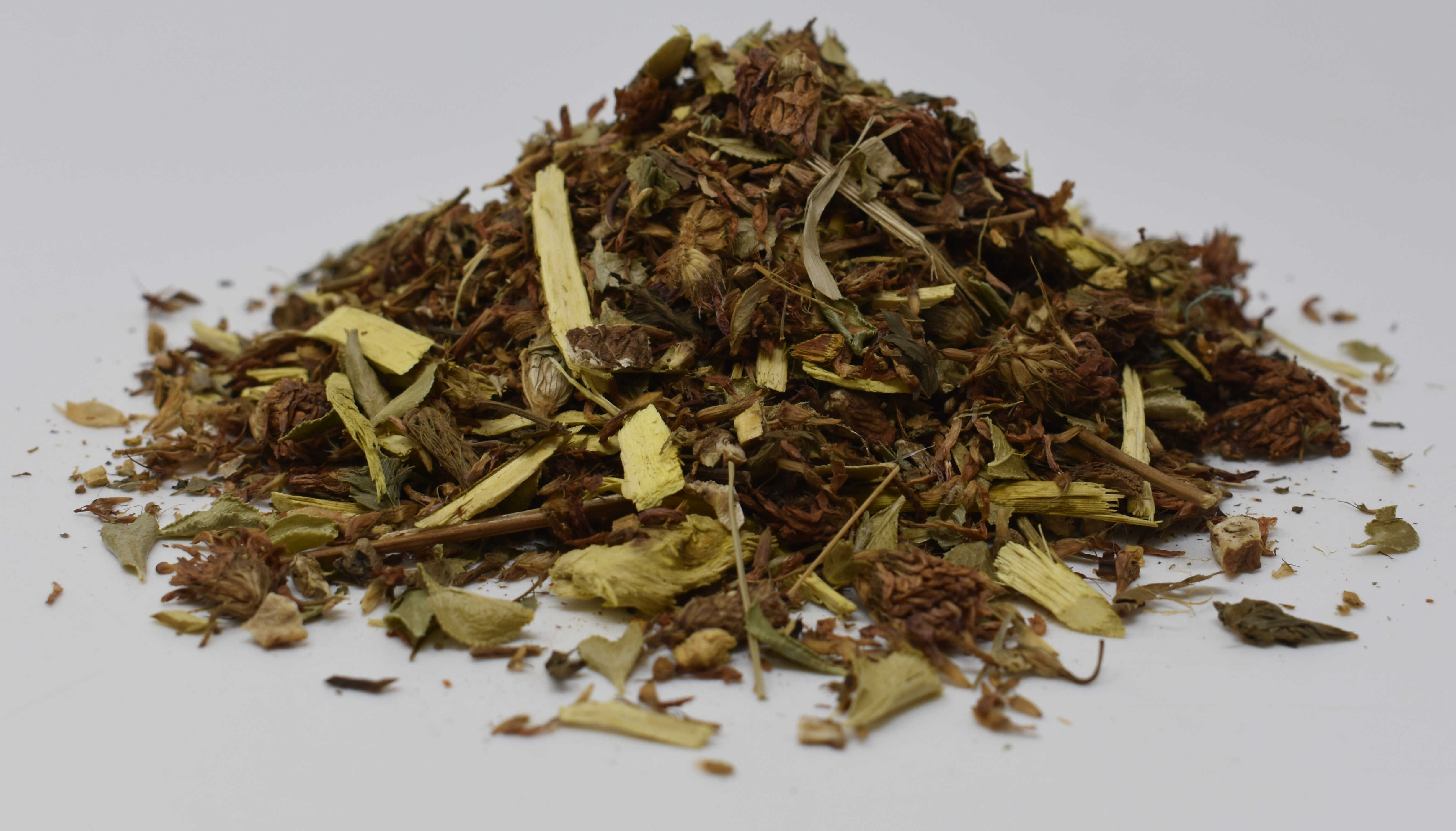
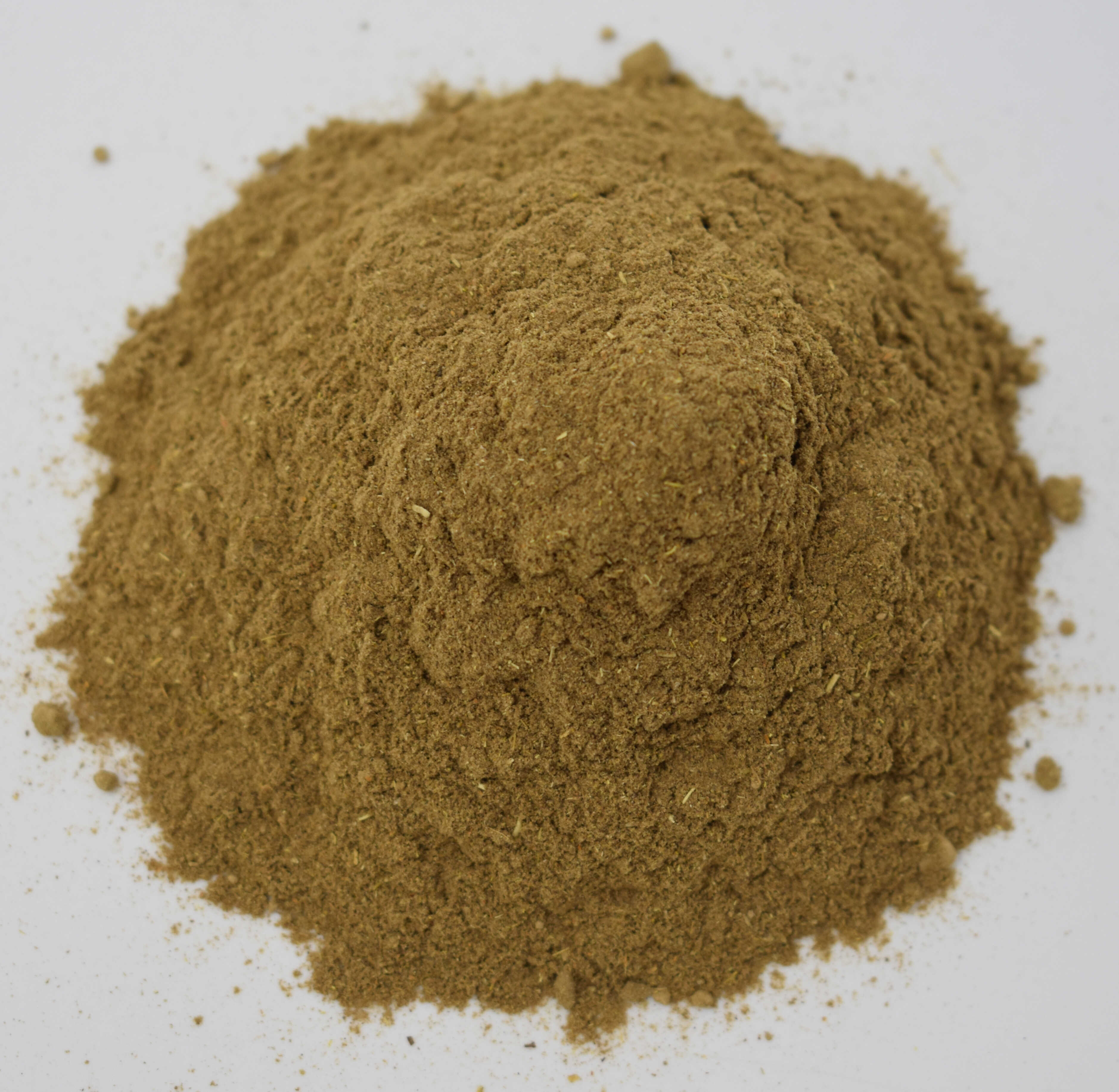
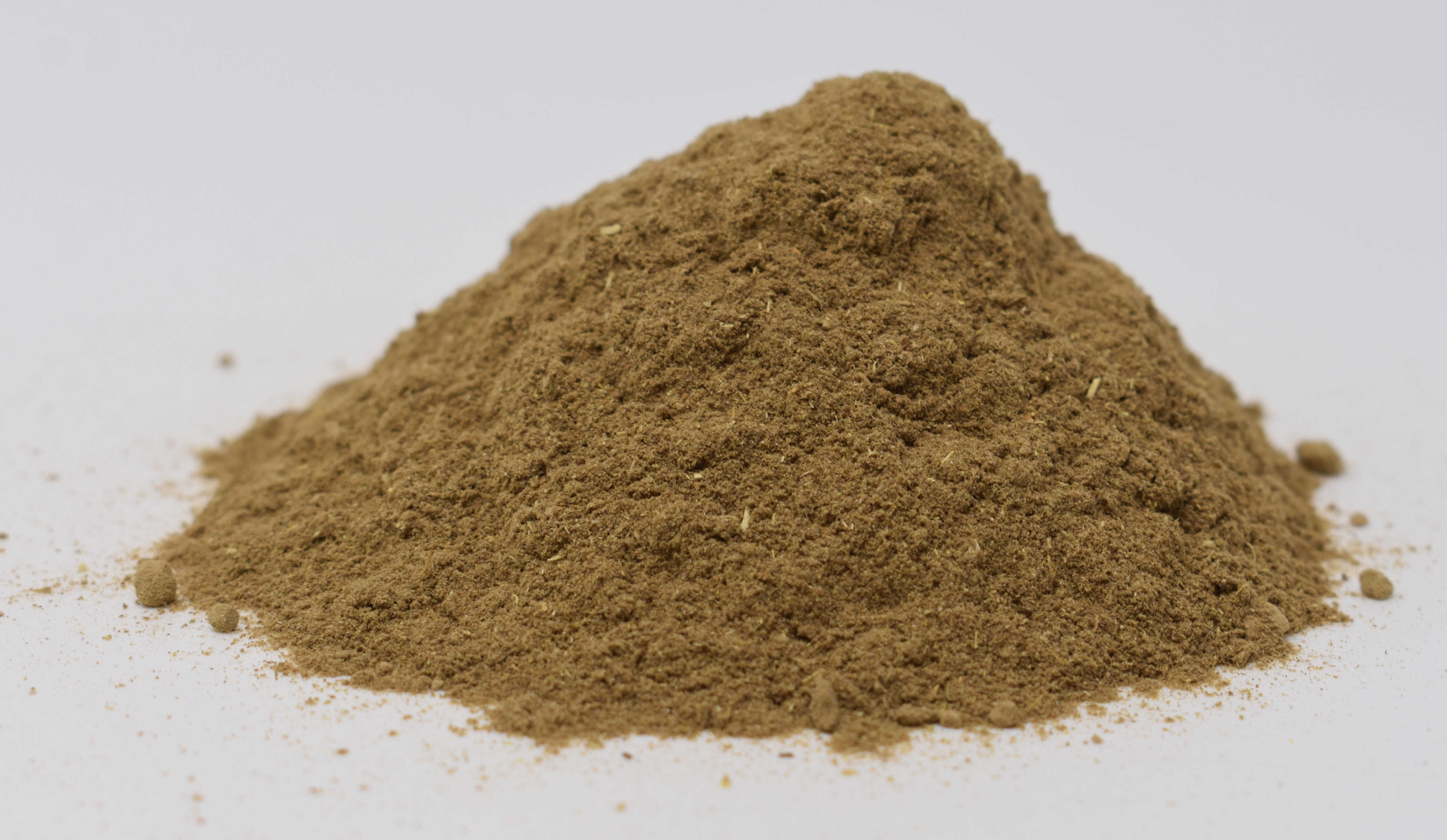
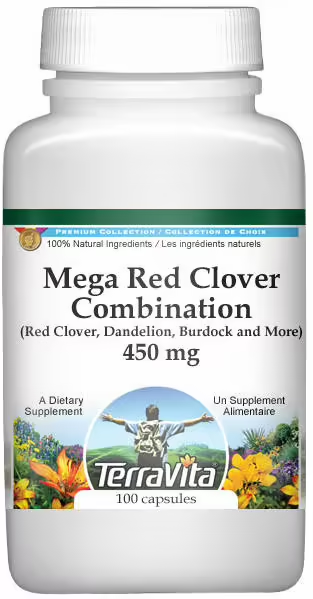
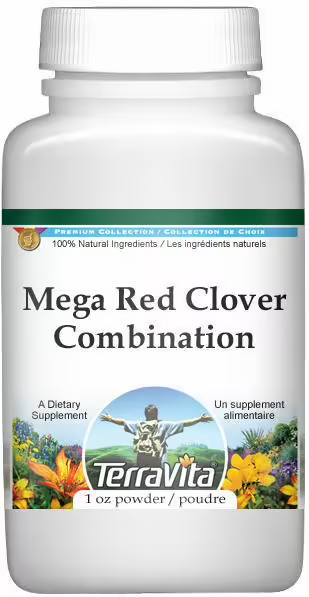
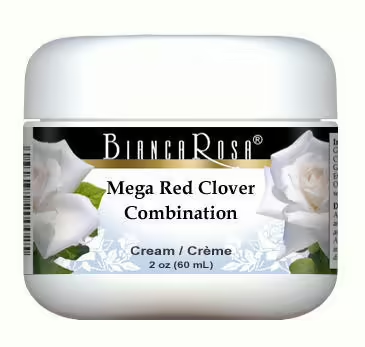
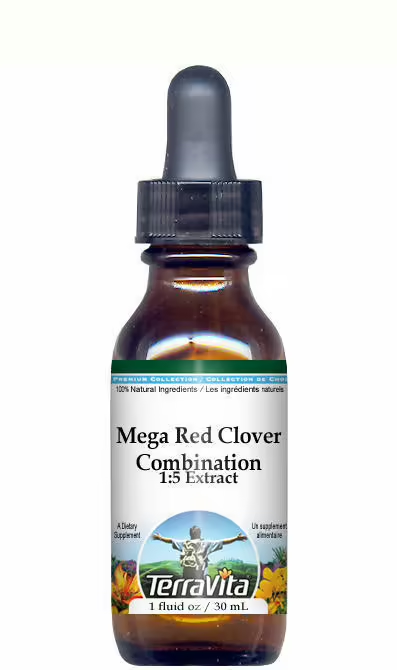
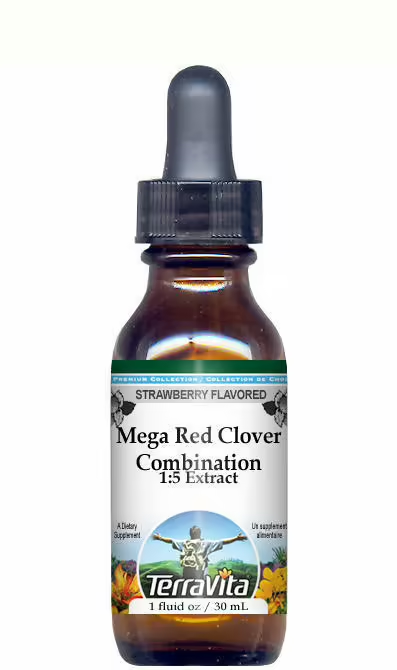
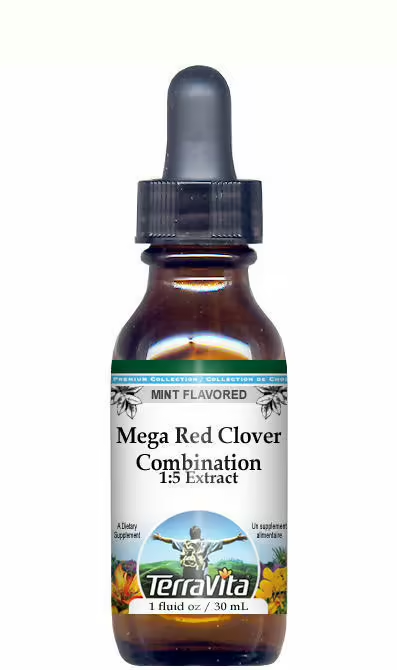
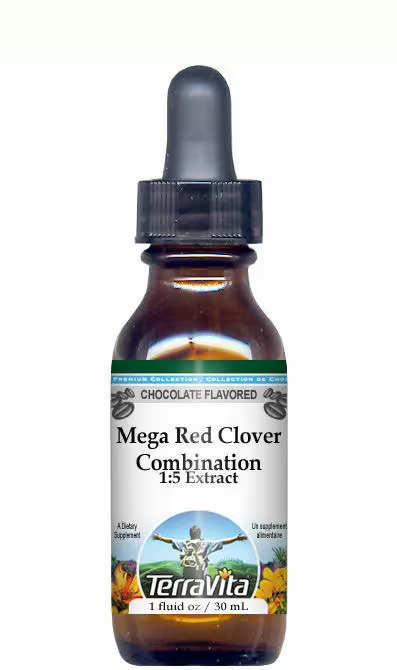
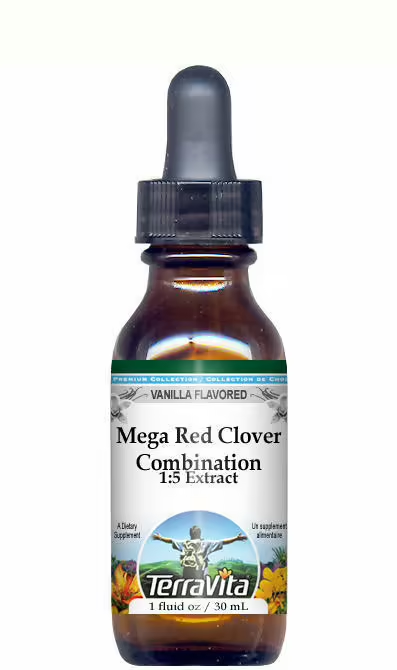
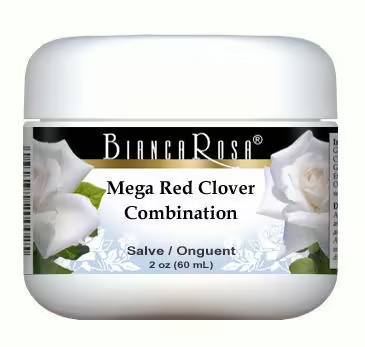
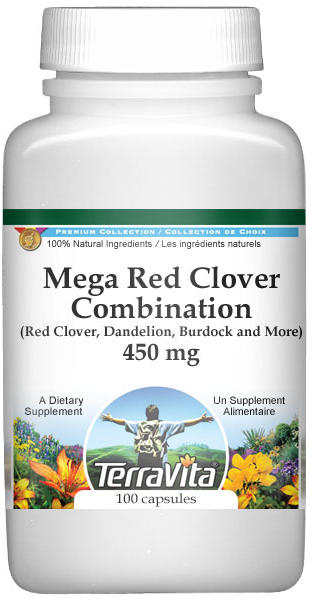
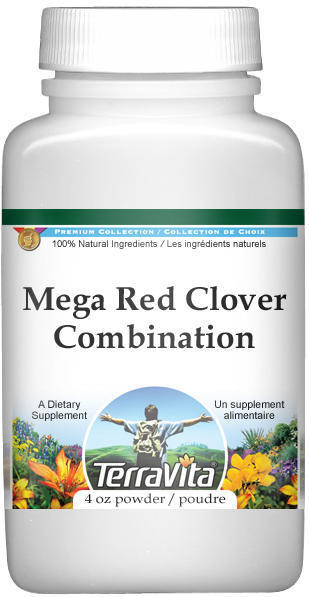
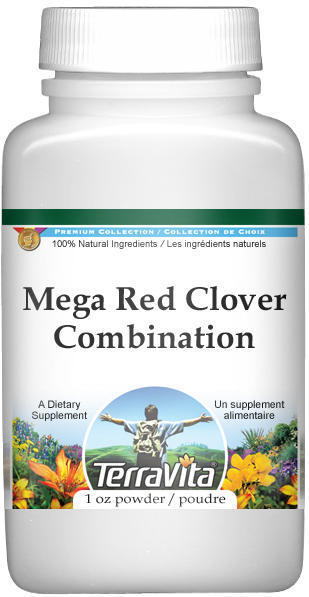
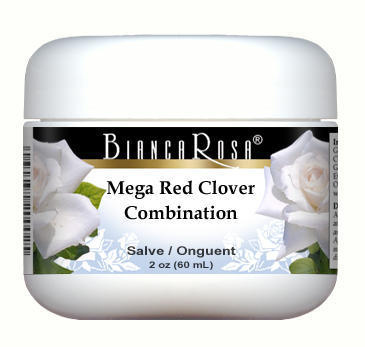
Mega Red Clover Combination
| Images | Product Name | Size | ZIN | Price | Quantity | Add to Cart |
| Mega Red Clover Combination - Red Clover, Dandelion, Burdock and More - 450 mg | 100 capsules | 515572 | $24.75 | |||
| Mega Red Clover Combination - Red Clover, Dandelion, Burdock and More - Powder | 4 oz | 515573 | $23.36 | |||
| 1 oz | 515574 | $11.18 | ||||
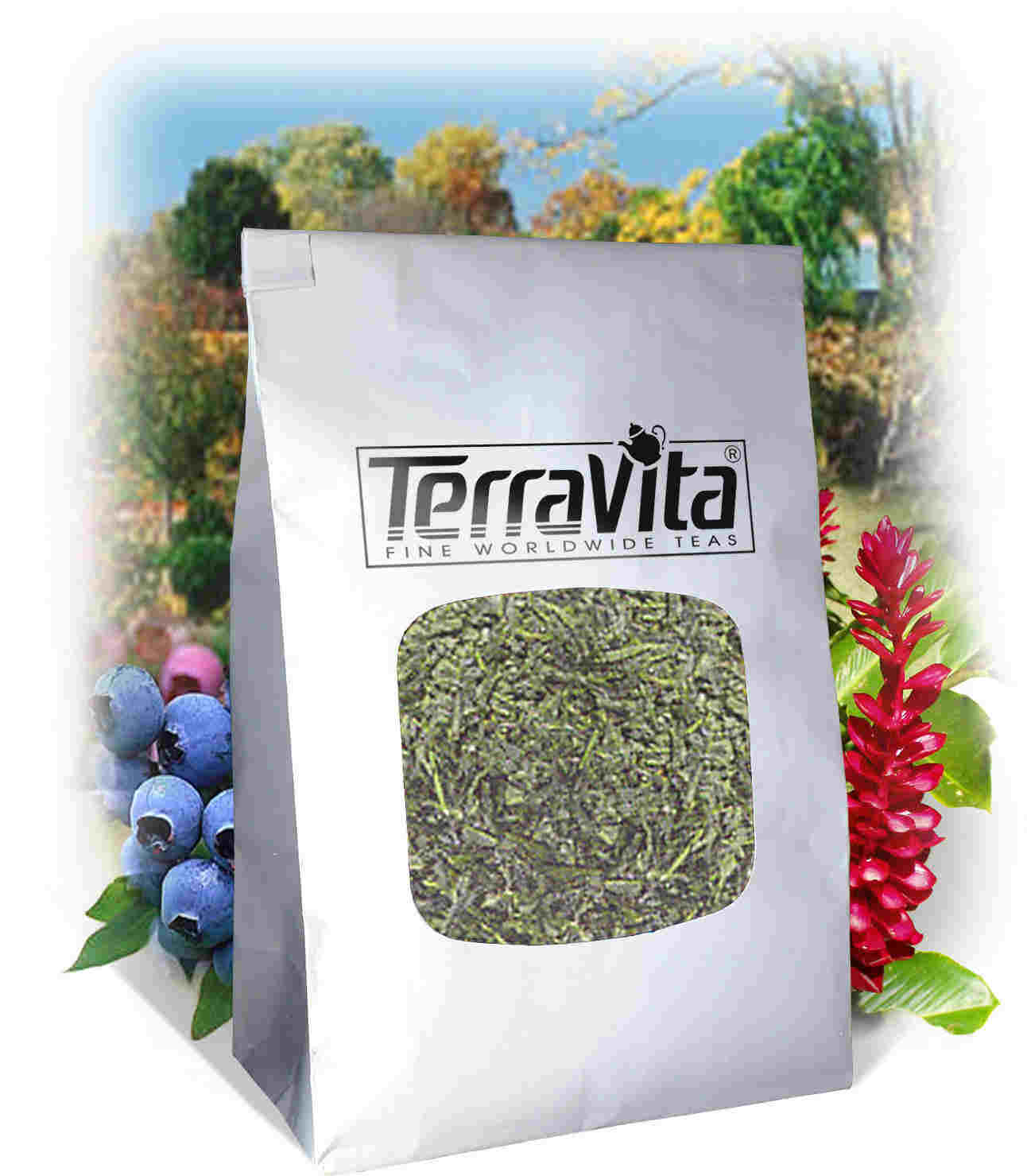
| Mega Red Clover Combination - Red Clover, Dandelion, Burdock and More - Tea (Loose) | 4 oz | 515575 | $20.91 | |||
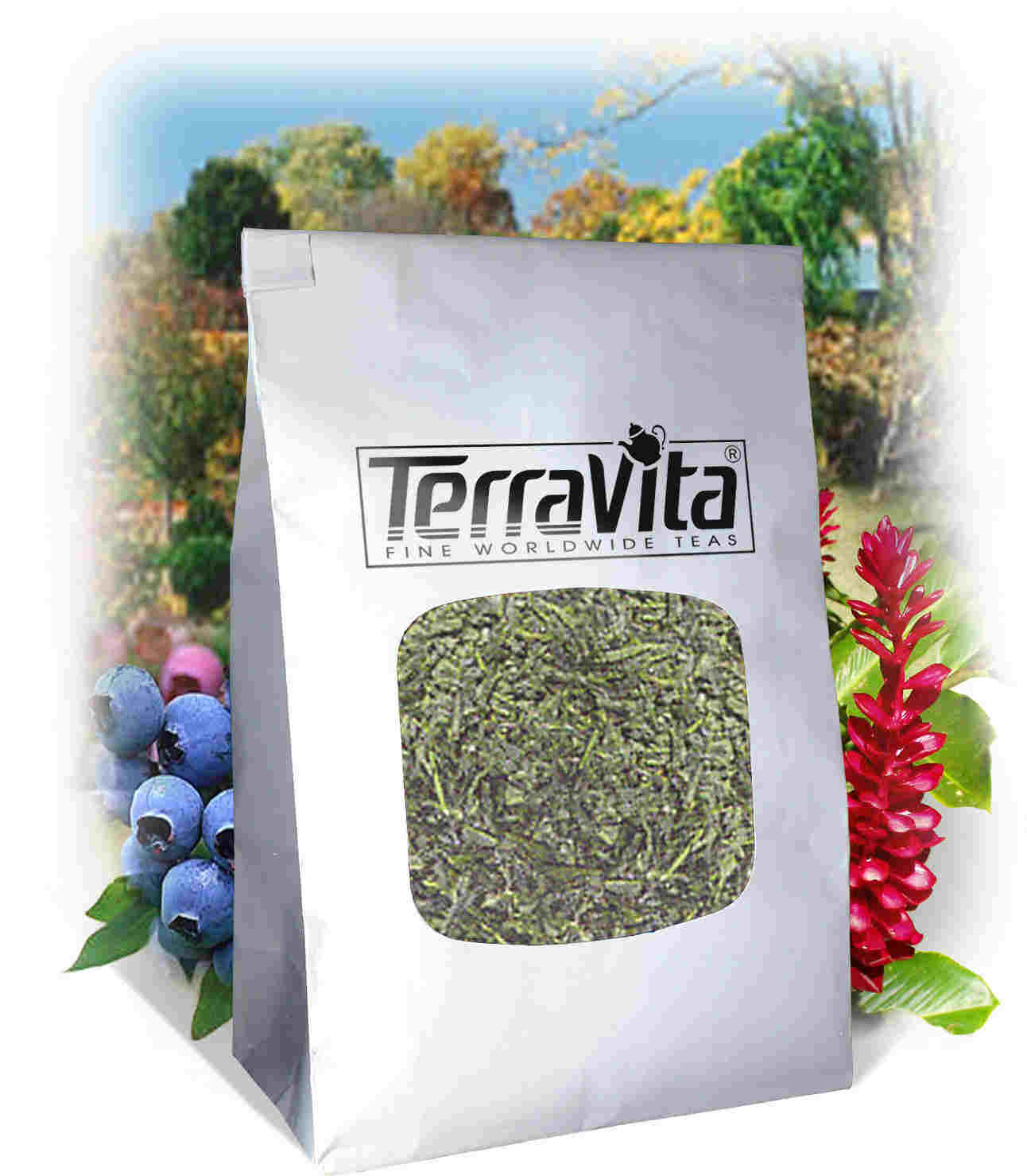
| 8 oz | 515576 | $34.35 | ||||
| Mega Red Clover Combination - Red Clover, Dandelion, Burdock and More - Tea | 25 tea bags | 515577 | $22.33 | |||
| 50 tea bags | 515578 | $35.02 | ||||
| Mega Red Clover Combination - Red Clover, Dandelion, Burdock and More - Cream | 2 oz | 515579 | $26.73 | |||
| Mega Red Clover Combination Glycerite Liquid Extract (1:5) | 1 oz - No Flavor | 515582 | $17.21 | |||
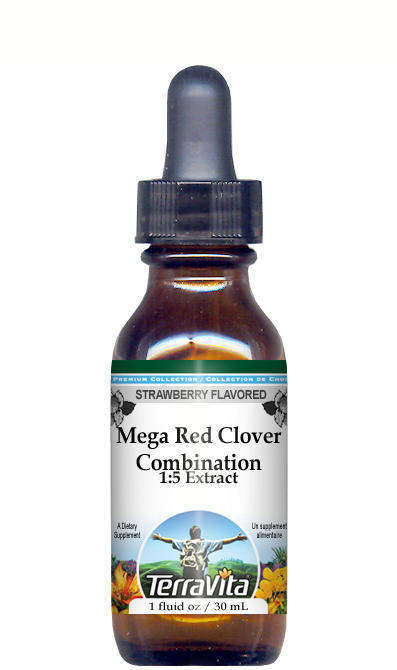
| 1 oz - Strawberry | 515583 | $18.06 | ||||
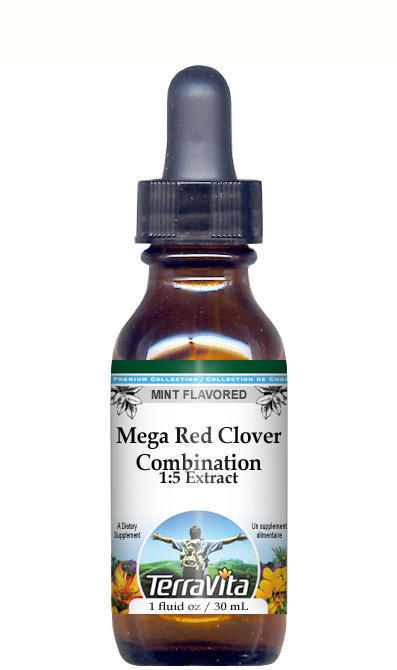
| 1 oz - Mint | 515584 | $18.06 | ||||
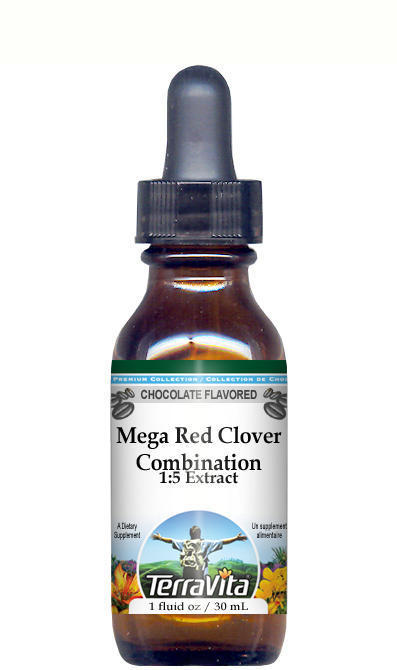
| 1 oz - Chocolate | 515585 | $18.06 | ||||
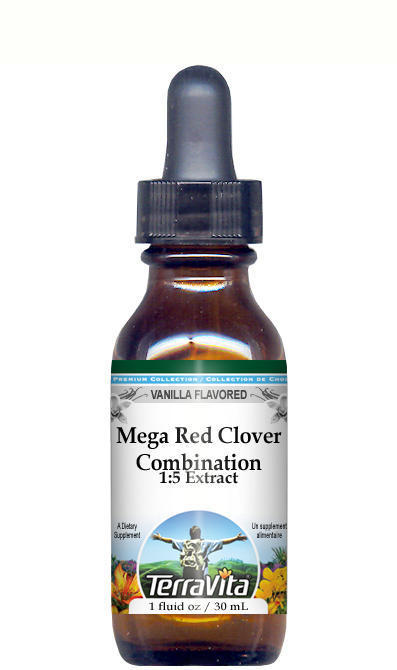
| 1 oz - Vanilla | 515586 | $18.06 | ||||
| Mega Red Clover Combination - Red Clover, Dandelion, Burdock and More - Salve Ointment | 2 oz | 515580 | $31.78 |
TerraVita strives to make all of our products affordable and reliable and are constantly searching the market to maintain our affordability and to look for new ways to serve you and the ones you love. TerraVita has become a trusted household name for many families and can bring you and yours the very best herbal supplements, blends, teas and spices that are on the market today.
TerraVita is packed in tamper-proof, food-grade, recyclable containers.
ZooScape is proud to be the exclusive distributor of TerraVita teas, herbs and supplements in the United States, Canada and around the world. Please direct all wholesale and bulk inquiries to 1-844-449-0444.
Bianca Rosa is an exclusive line of premium-quality natural products sourced from only the finest and purest ingredients from around the world. Bianca Rosa is hallmarked by the highest possible standards of purity, stability and freshness. All Bianca Rosa products are prepared with the highest level of quality control, from the raw materials used through the entire manufacturing process, up to and including the moment that the finished product is sealed for freshness and shipped to you. Our highest possible standards backed by our personal guarantee.
Bianca Rosa makes all products as affordable as possible and we are constantly searching the market to maintain our affordability and to look for new ways to serve you. Bianca Rosa has been a trusted household name for many families throughout the world since the 1990s. Bianca Rosa is packed in tamper-proof, recyclable containers.
ZooScape is proud to be the exclusive distributor of all Bianca Rosa products, including creams, salves and oils in the United States, Canada and around the world. Please direct all wholesale and bulk inquiries to 1-844-449-0444.
These statements have not been evaluated by the Food and Drug Administration (FDA). Products are intended to support general well being and are not intended to treat, diagnose, prevent, or cure any condition or disease.
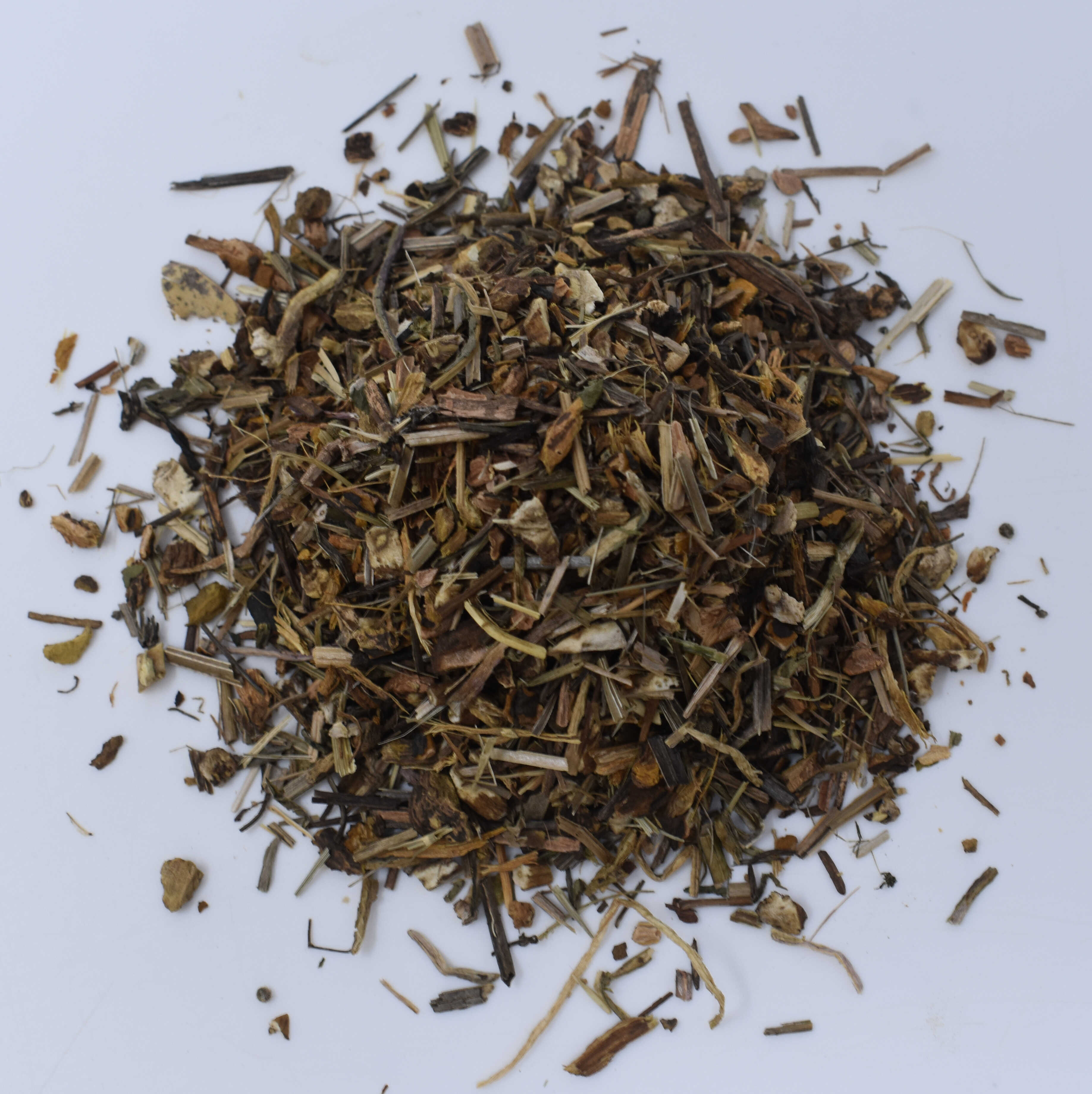
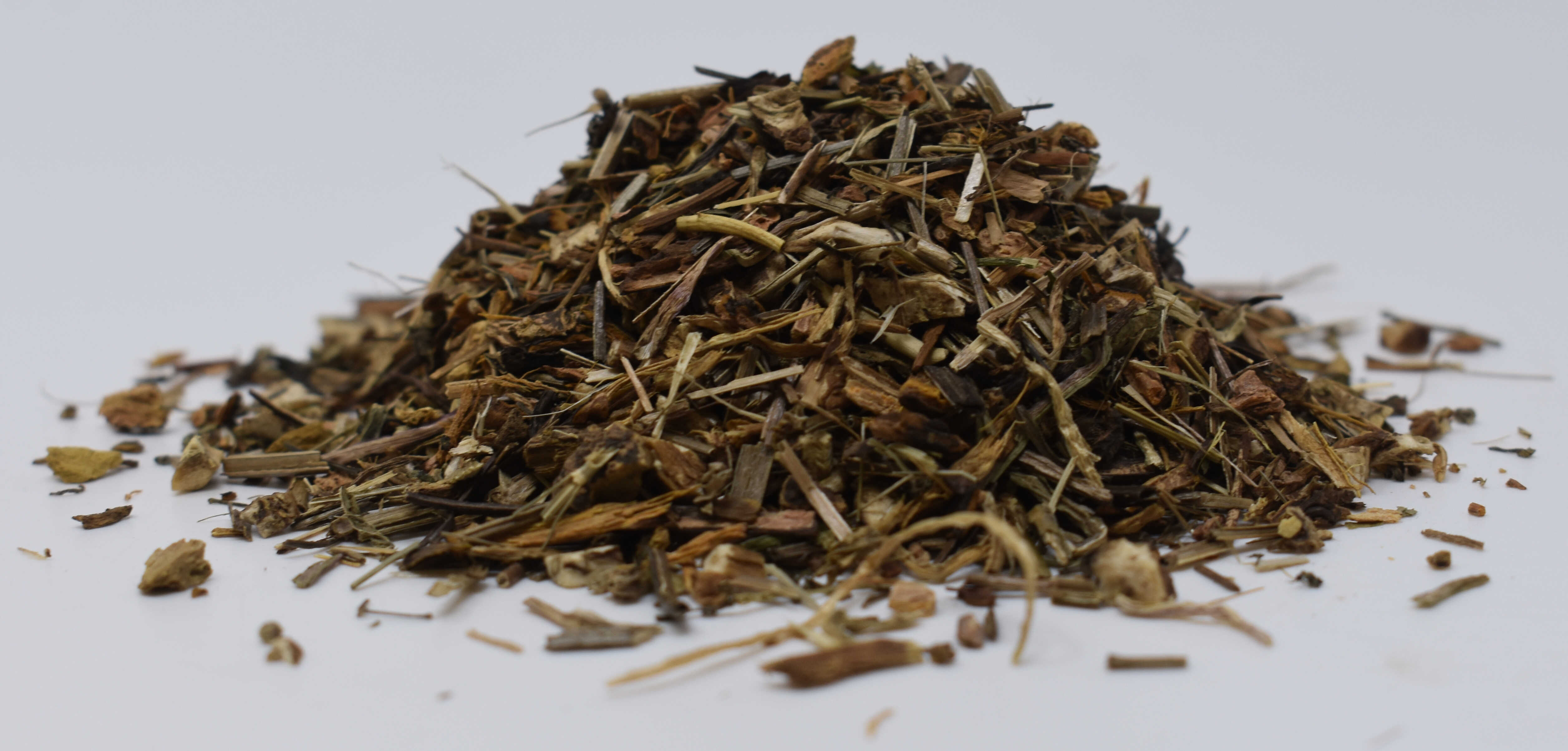
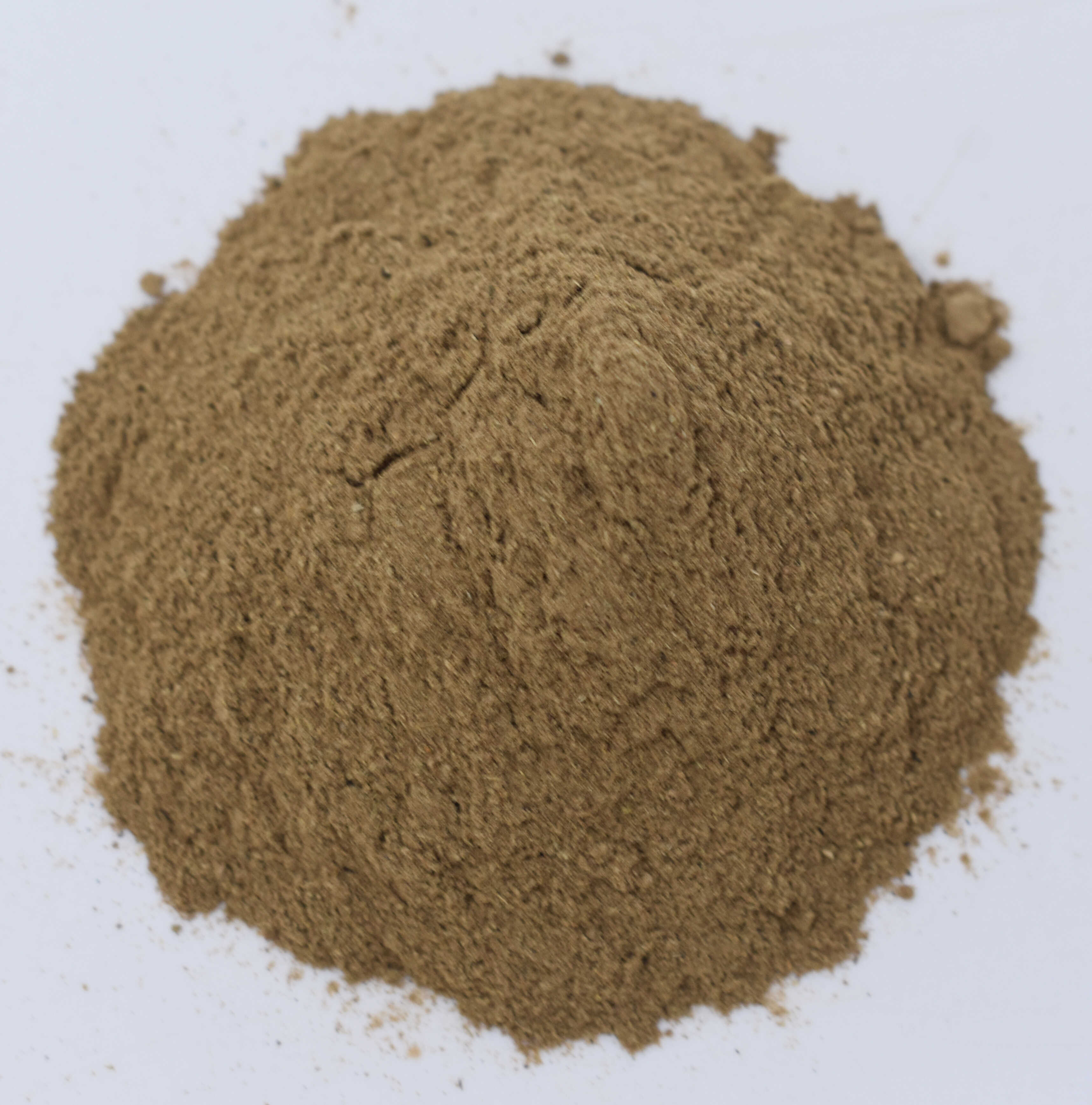
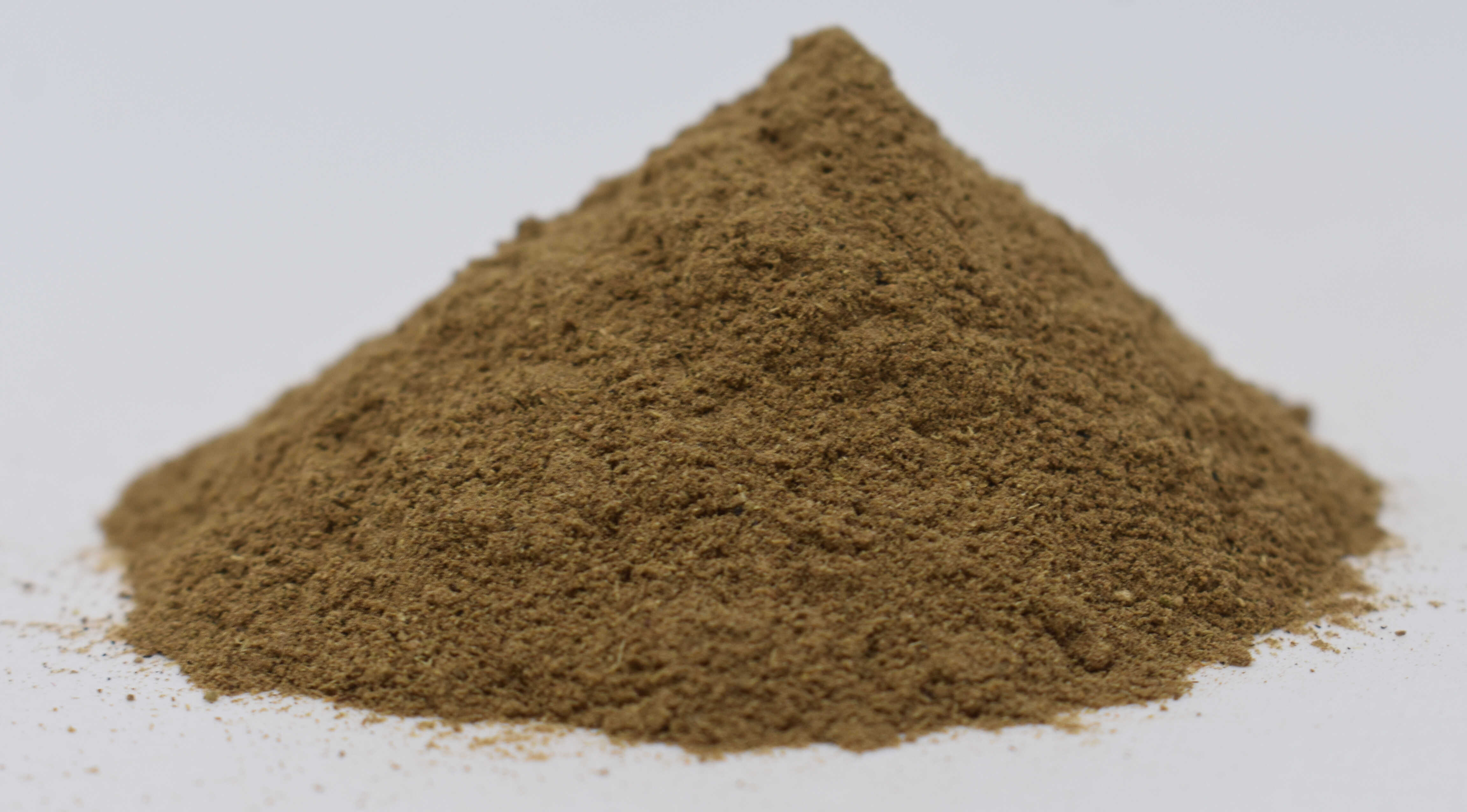
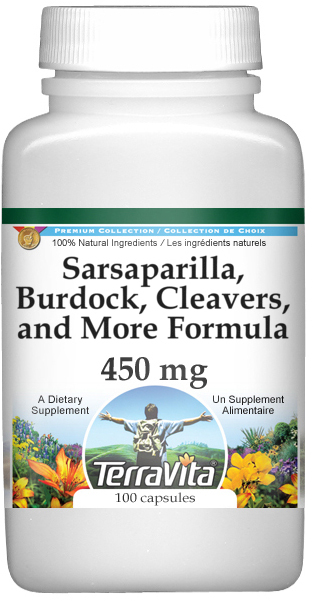
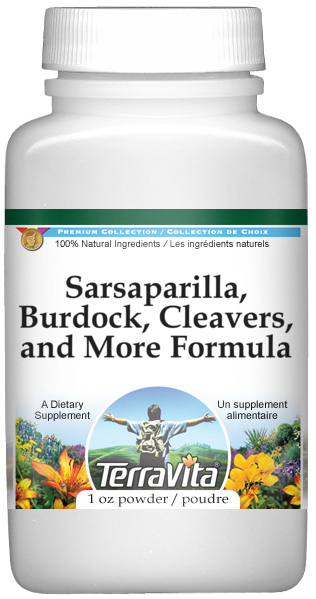
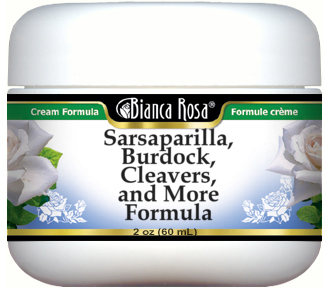
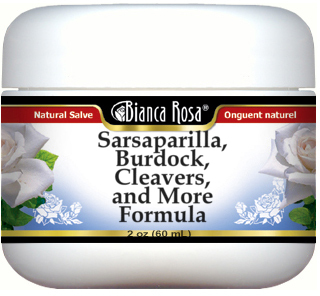
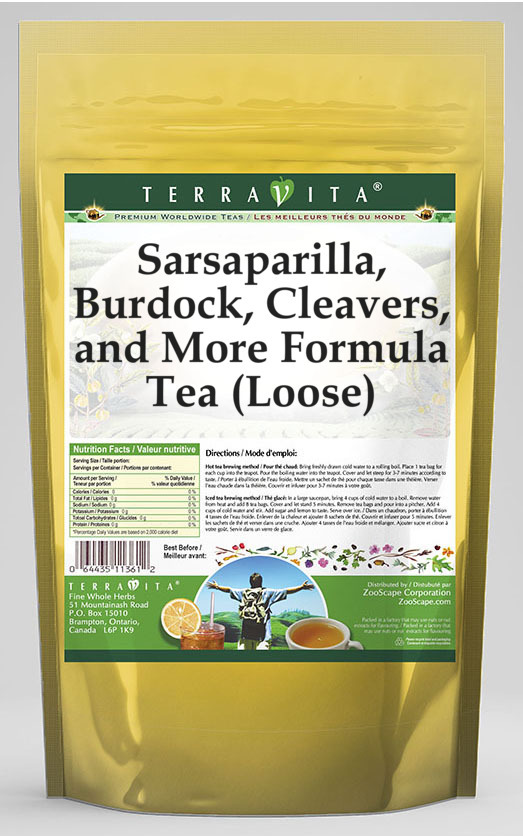
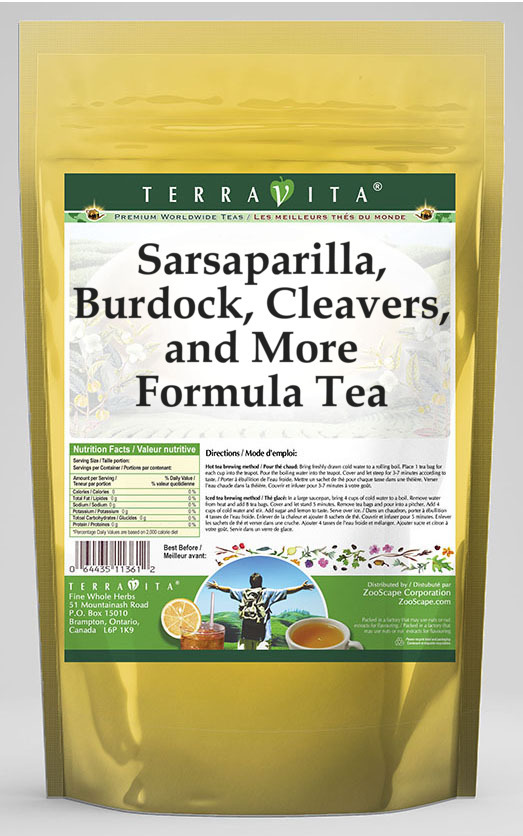
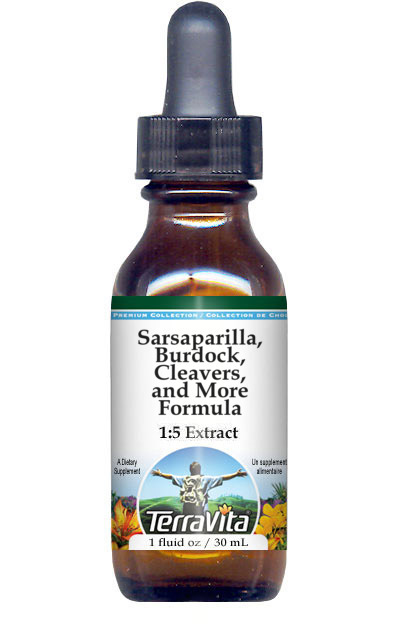
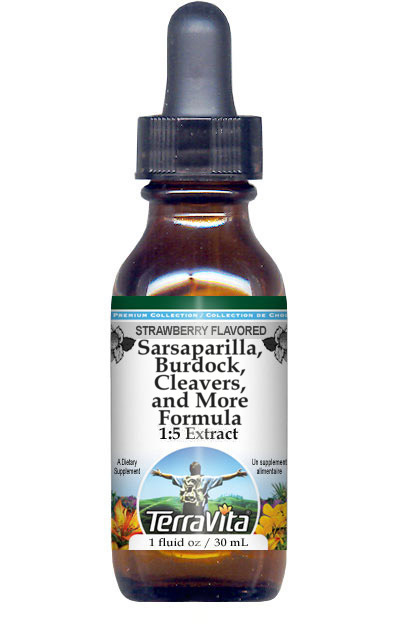
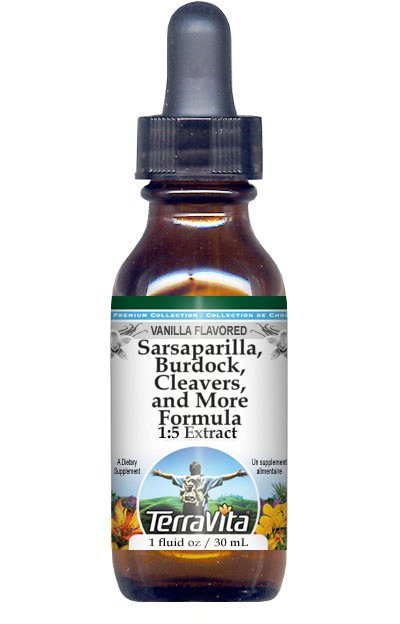
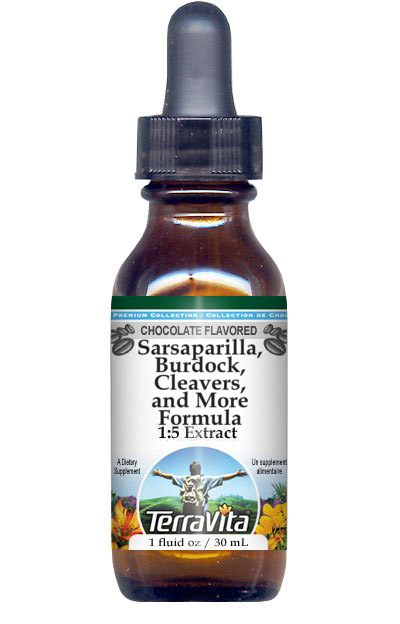
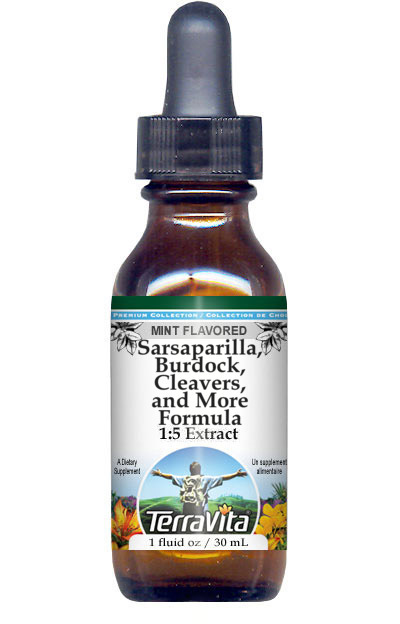
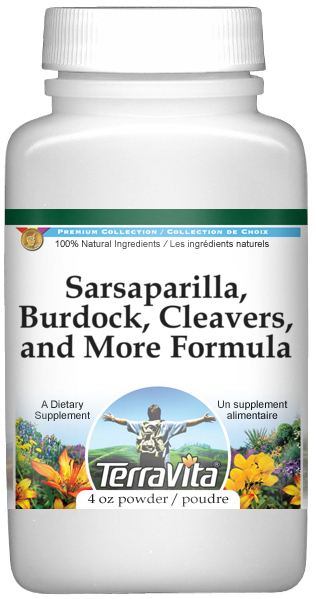
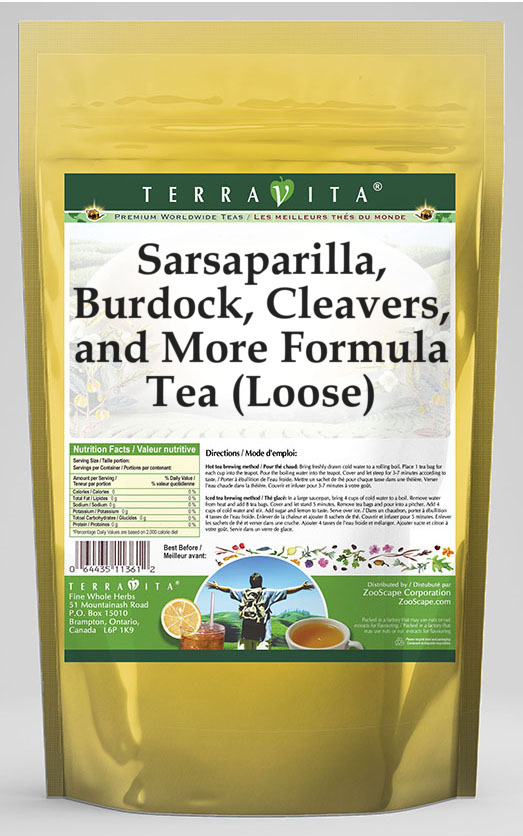
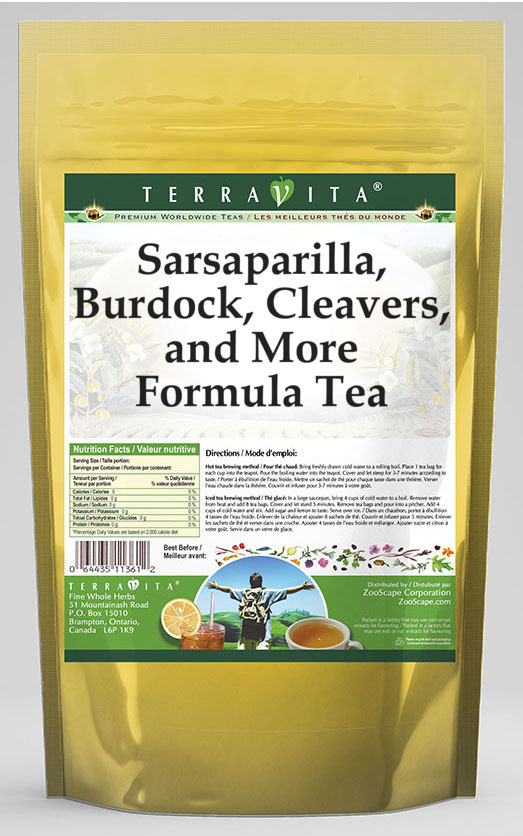
Sarsaparilla, Burdock, Cleavers, and More Formula
| Images | Product Name | Size | ZIN | Price | Quantity | Add to Cart |
| Sarsaparilla, Burdock, Cleavers, and More Formula - 450 mg | 100 capsules | 517052 | $24.31 | |||
| Sarsaparilla, Burdock, Cleavers, and More Formula Powder | 4 oz | 517053 | $21.89 | |||
| 1 oz | 517054 | $11.31 | ||||
| Sarsaparilla, Burdock, Cleavers, and More Formula Cream | 2 oz | 524261 | $22.45 | |||
| Sarsaparilla, Burdock, Cleavers, and More Formula Salve | 2 oz | 524262 | $24.62 | |||
| Sarsaparilla, Burdock, Cleavers, and More Formula Tea (Loose) | 4 oz | 517055 | $20.40 | |||
| 8 oz | 517056 | $33.40 | ||||
| Sarsaparilla, Burdock, Cleavers, and More Formula Tea | 25 tea bags | 517057 | $22.00 | |||
| 50 tea bags | 517058 | $34.41 | ||||
| Sarsaparilla, Burdock, Cleavers, and More Formula Glycerite Liquid Extract (1:5) | 1 oz - No Flavor | 523426 | $20.94 | |||
| 1 oz - Strawberry | 523427 | $23.15 | ||||
| 1 oz - Vanilla | 523428 | $23.15 | ||||
| 1 oz - Chocolate | 523429 | $23.15 | ||||
| 1 oz - Mint | 523430 | $23.15 |
TerraVita strives to make all of our products affordable and reliable and are constantly searching the market to maintain our affordability and to look for new ways to serve you and the ones you love. TerraVita has become a trusted household name for many families and can bring you and yours the very best herbal supplements, blends, teas and spices that are on the market today.
TerraVita is packed in tamper-proof, food-grade, recyclable containers.
ZooScape is proud to be the exclusive distributor of TerraVita teas, herbs and supplements in the United States, Canada and around the world. Please direct all wholesale and bulk inquiries to 1-844-449-0444.
Bianca Rosa is an exclusive line of premium-quality natural products sourced from only the finest and purest ingredients from around the world. Bianca Rosa is hallmarked by the highest possible standards of purity, stability and freshness. All Bianca Rosa products are prepared with the highest level of quality control, from the raw materials used through the entire manufacturing process, up to and including the moment that the finished product is sealed for freshness and shipped to you. Our highest possible standards backed by our personal guarantee.
Bianca Rosa makes all products as affordable as possible and we are constantly searching the market to maintain our affordability and to look for new ways to serve you. Bianca Rosa has been a trusted household name for many families throughout the world since the 1990s. Bianca Rosa is packed in tamper-proof, recyclable containers.
ZooScape is proud to be the exclusive distributor of all Bianca Rosa products, including creams, salves and oils in the United States, Canada and around the world. Please direct all wholesale and bulk inquiries to 1-844-449-0444.
These statements have not been evaluated by the Food and Drug Administration (FDA). Products are intended to support general well being and are not intended to treat, diagnose, prevent, or cure any condition or disease.
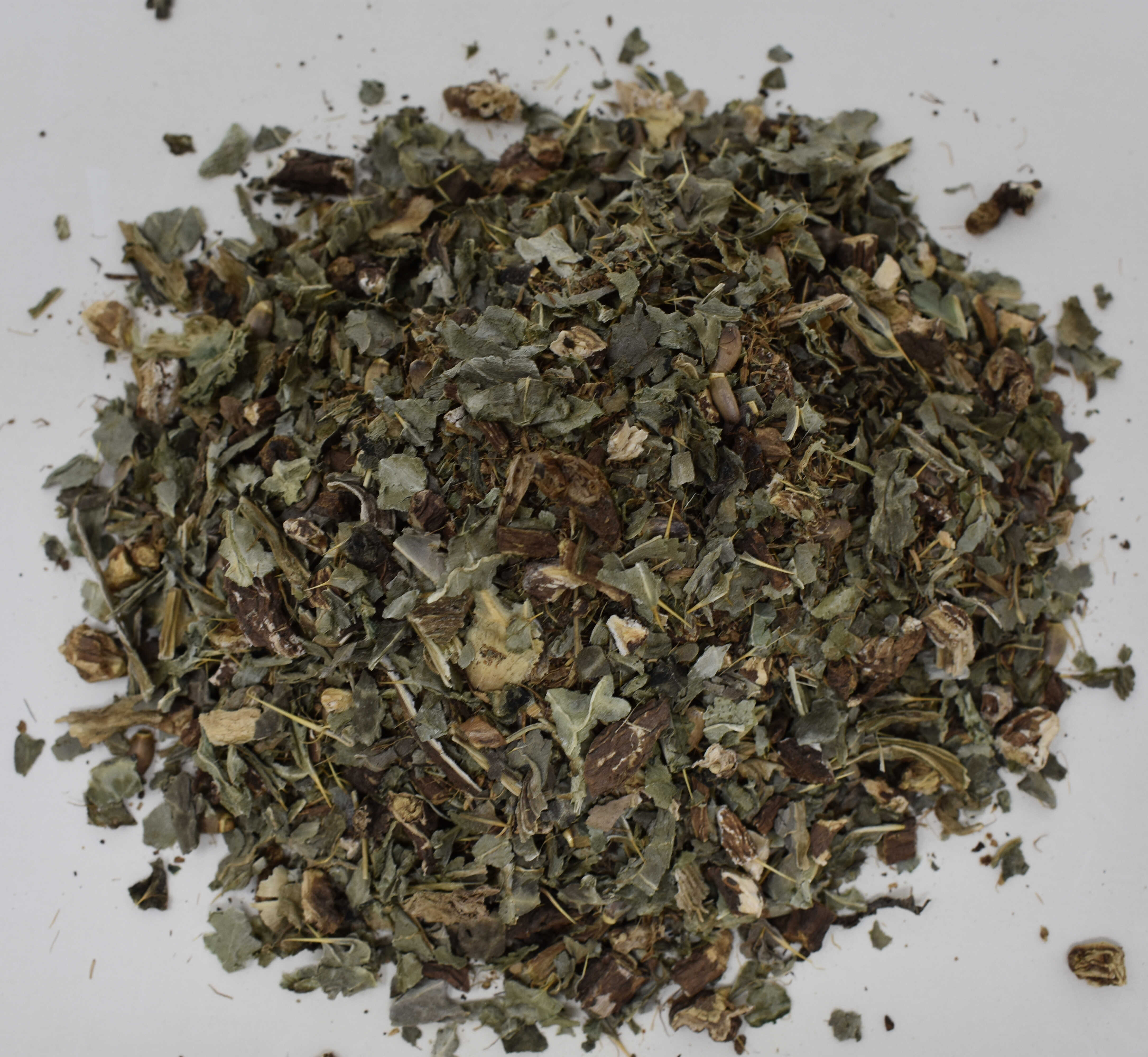
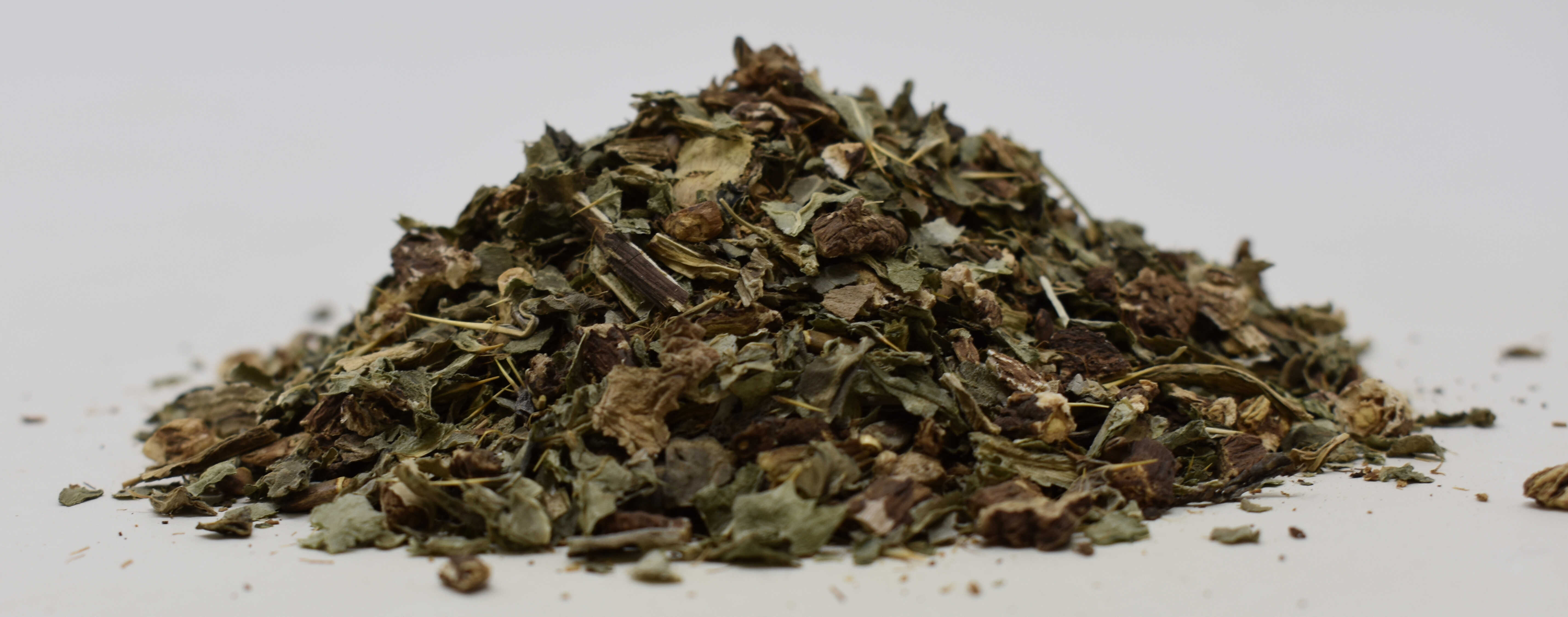
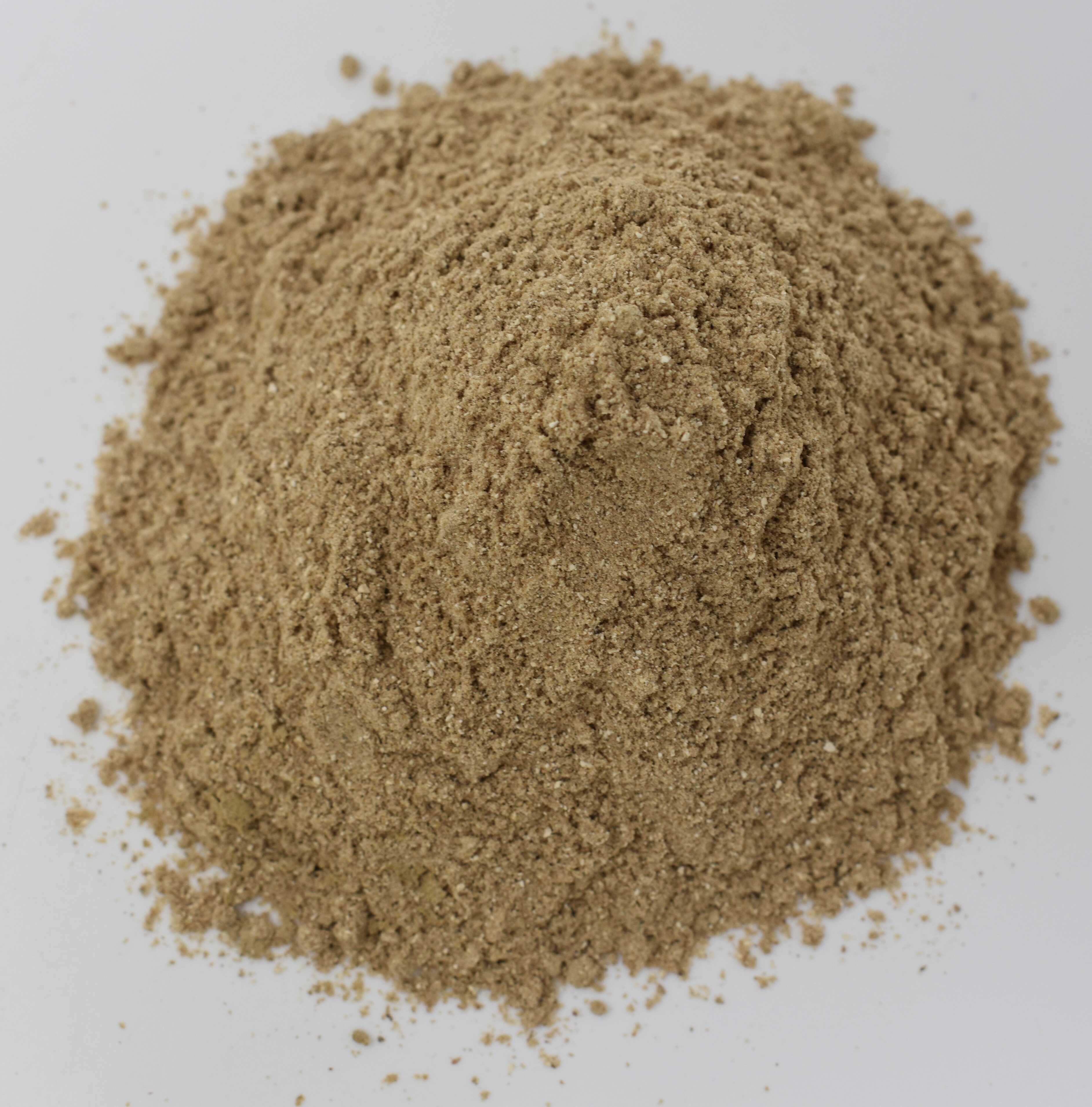
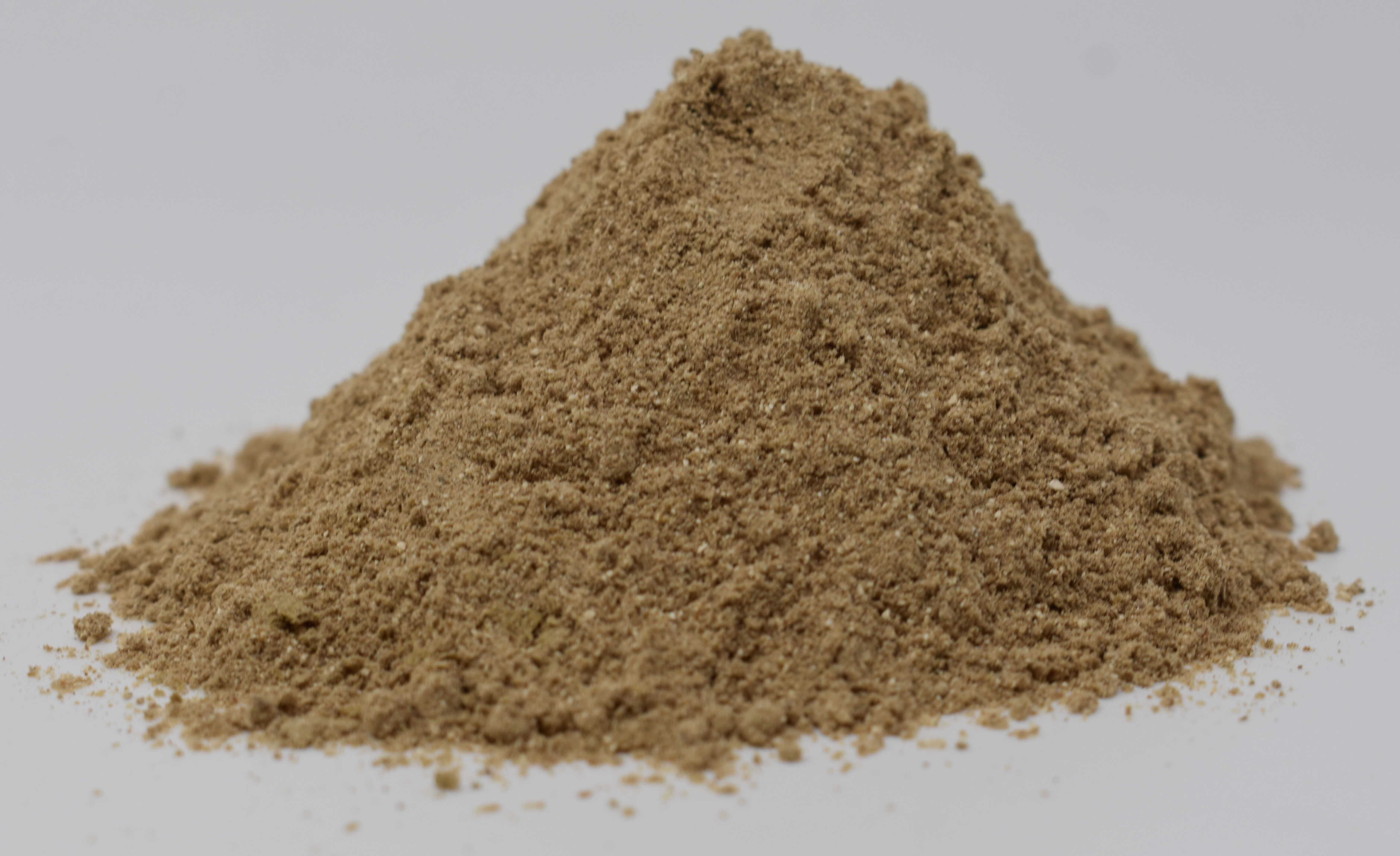
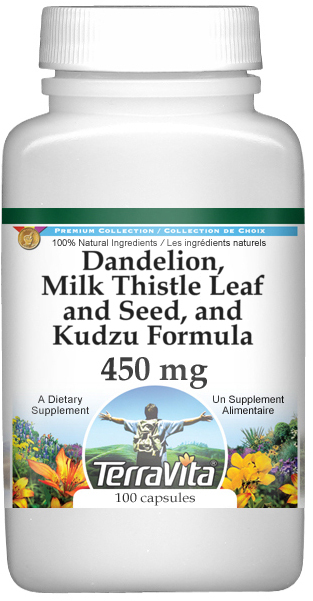
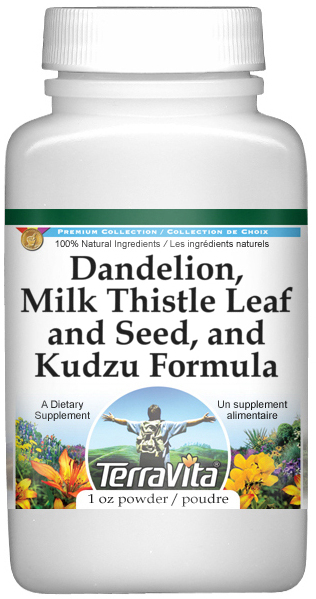
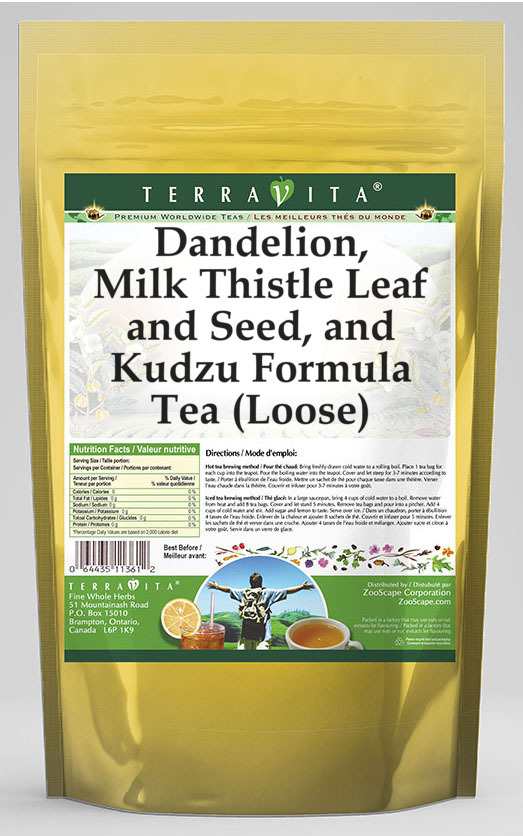
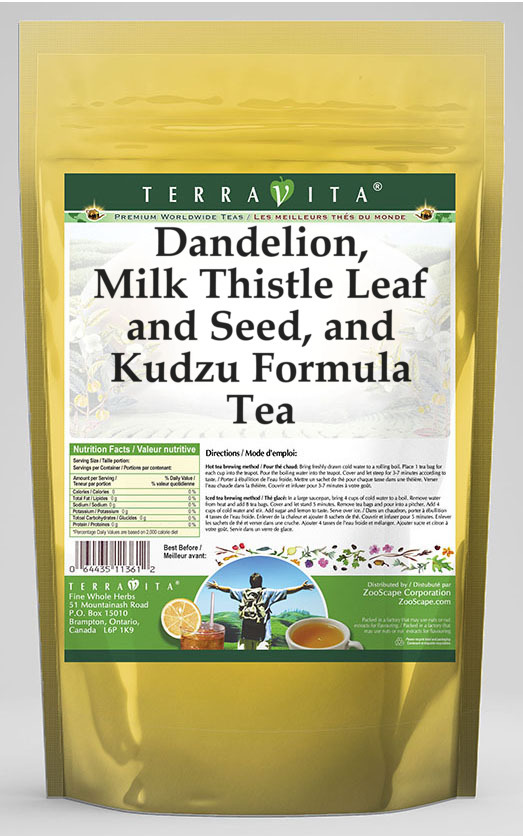
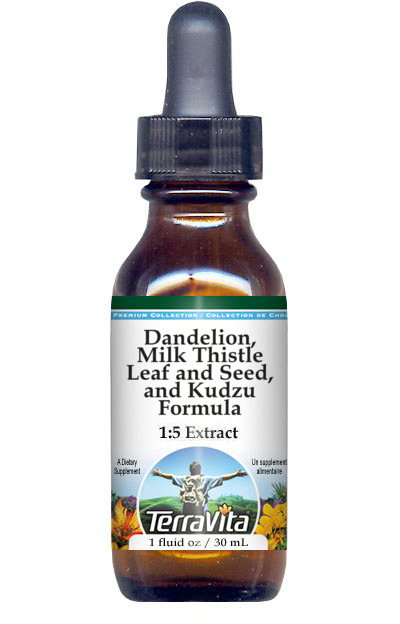
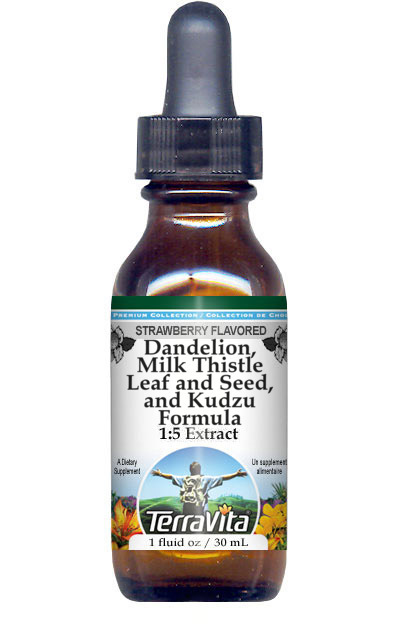
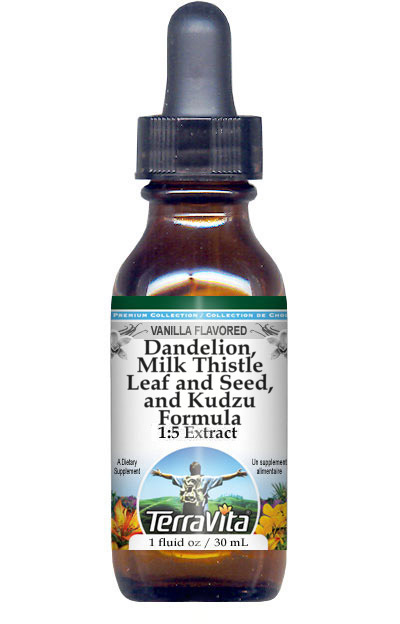
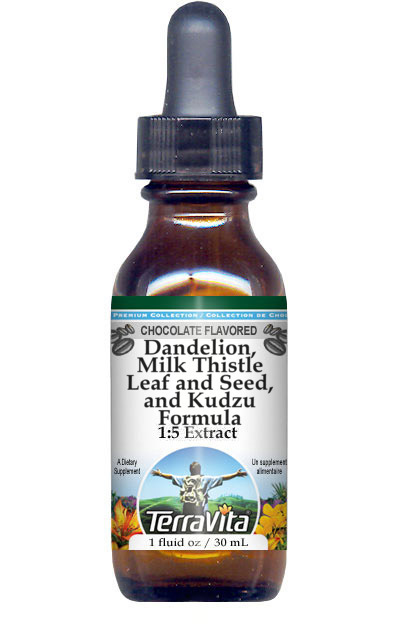
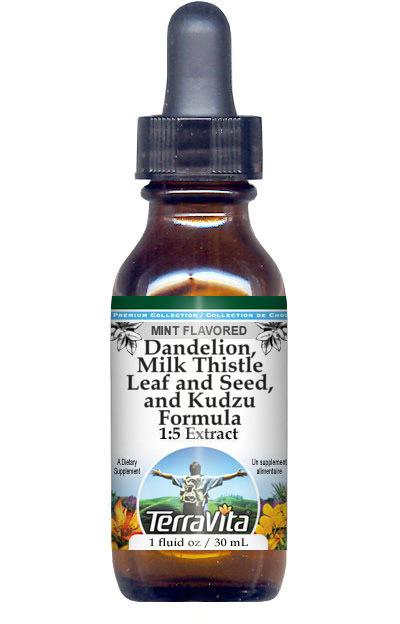
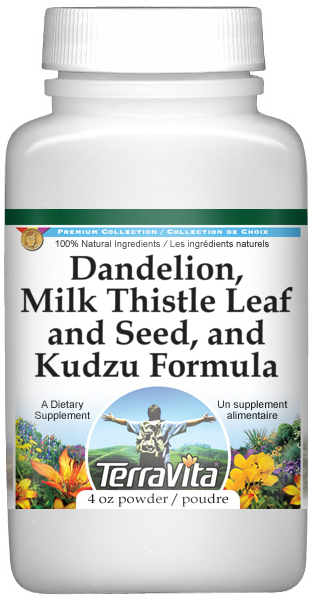
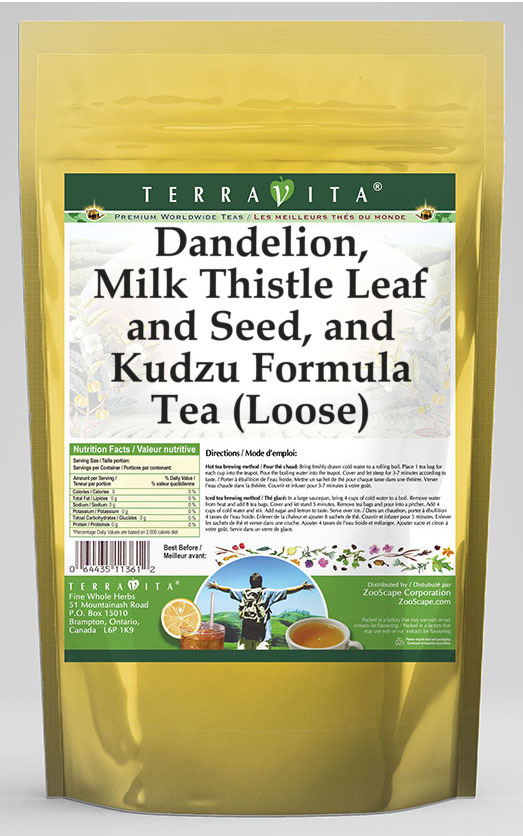
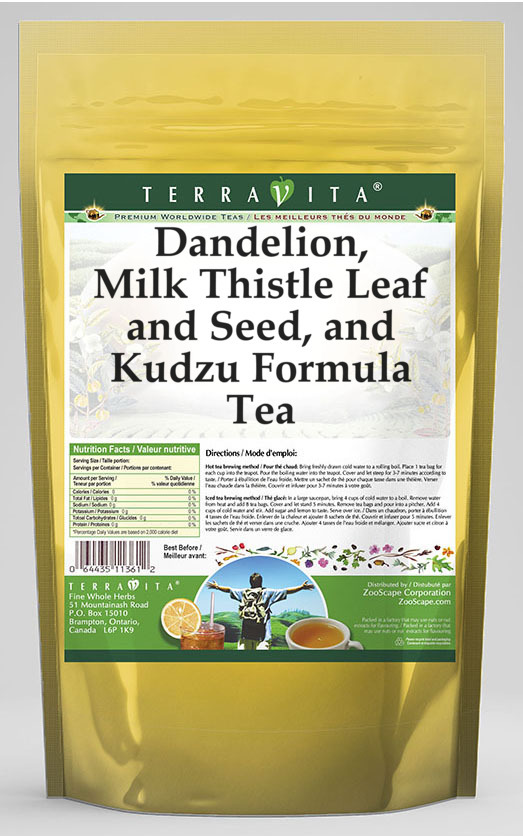
Dandelion, Milk Thistle Leaf and Seed, and Kudzu Formula
| Images | Product Name | Size | ZIN | Price | Quantity | Add to Cart |
| Dandelion, Milk Thistle Leaf and Seed, and Kudzu Formula - 450 mg | 100 capsules | 517121 | $24.57 | |||
| Dandelion, Milk Thistle Leaf and Seed, and Kudzu Formula Powder | 4 oz | 517122 | $23.08 | |||
| 1 oz | 517123 | $11.10 | ||||
| Dandelion, Milk Thistle Leaf and Seed, and Kudzu Formula Tea (Loose) | 4 oz | 517124 | $19.44 | |||
| 8 oz | 517125 | $31.65 | ||||
| Dandelion, Milk Thistle Leaf and Seed, and Kudzu Formula Tea | 25 tea bags | 517126 | $21.37 | |||
| 50 tea bags | 517127 | $33.30 | ||||
| Dandelion, Milk Thistle Leaf and Seed, and Kudzu Formula Glycerite Liquid Extract (1:5) | 1 oz - No Flavor | 523616 | $20.94 | |||
| 1 oz - Strawberry | 523617 | $23.15 | ||||
| 1 oz - Vanilla | 523618 | $23.15 | ||||
| 1 oz - Chocolate | 523619 | $23.15 | ||||
| 1 oz - Mint | 523620 | $23.15 |
TerraVita strives to make all of our products affordable and reliable and are constantly searching the market to maintain our affordability and to look for new ways to serve you and the ones you love. TerraVita has become a trusted household name for many families and can bring you and yours the very best herbal supplements, blends, teas and spices that are on the market today.
TerraVita is packed in tamper-proof, food-grade, recyclable containers.
ZooScape is proud to be the exclusive distributor of TerraVita teas, herbs and supplements in the United States, Canada and around the world. Please direct all wholesale and bulk inquiries to 1-844-449-0444.
These statements have not been evaluated by the Food and Drug Administration (FDA). Products are intended to support general well being and are not intended to treat, diagnose, prevent, or cure any condition or disease.
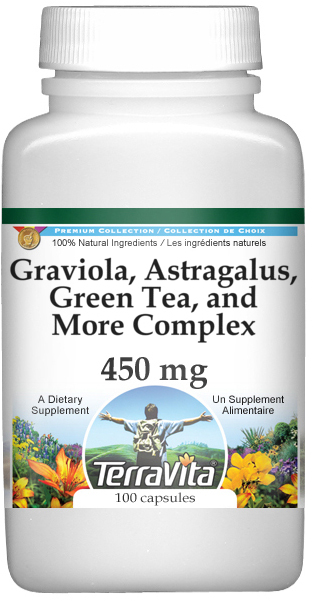
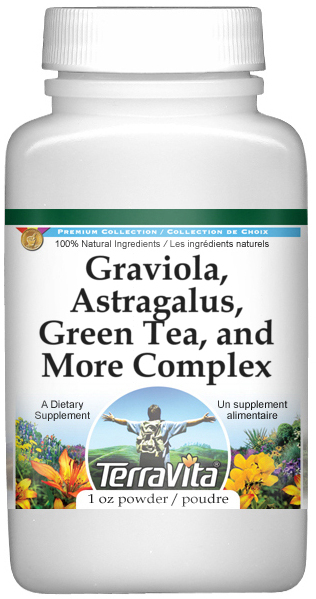
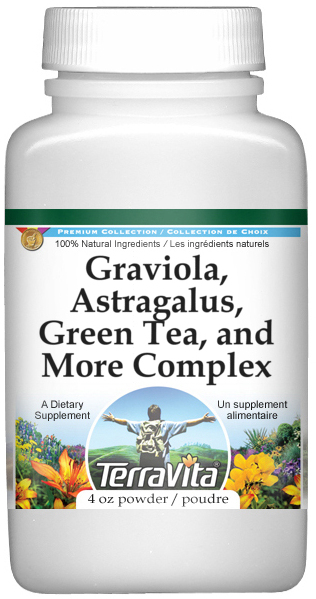
Graviola, Astragalus, Green, and More Complex
| Images | Product Name | Size | ZIN | Price | Quantity | Add to Cart |
| Graviola, Astragalus, Green Tea, and More Complex - 450 mg | 100 capsules | 517104 | $26.11 | |||
| Graviola, Astragalus, Green Tea, and More Complex Powder | 4 oz | 517105 | $25.62 | |||
| 1 oz | 517106 | $11.82 |
TerraVita strives to make all of our products affordable and reliable and are constantly searching the market to maintain our affordability and to look for new ways to serve you and the ones you love. TerraVita has become a trusted household name for many families and can bring you and yours the very best herbal supplements, blends, teas and spices that are on the market today.
TerraVita is packed in tamper-proof, food-grade, recyclable containers.
ZooScape is proud to be the exclusive distributor of TerraVita teas, herbs and supplements in the United States, Canada and around the world. Please direct all wholesale and bulk inquiries to 1-844-449-0444.
These statements have not been evaluated by the Food and Drug Administration (FDA). Products are intended to support general well being and are not intended to treat, diagnose, prevent, or cure any condition or disease.
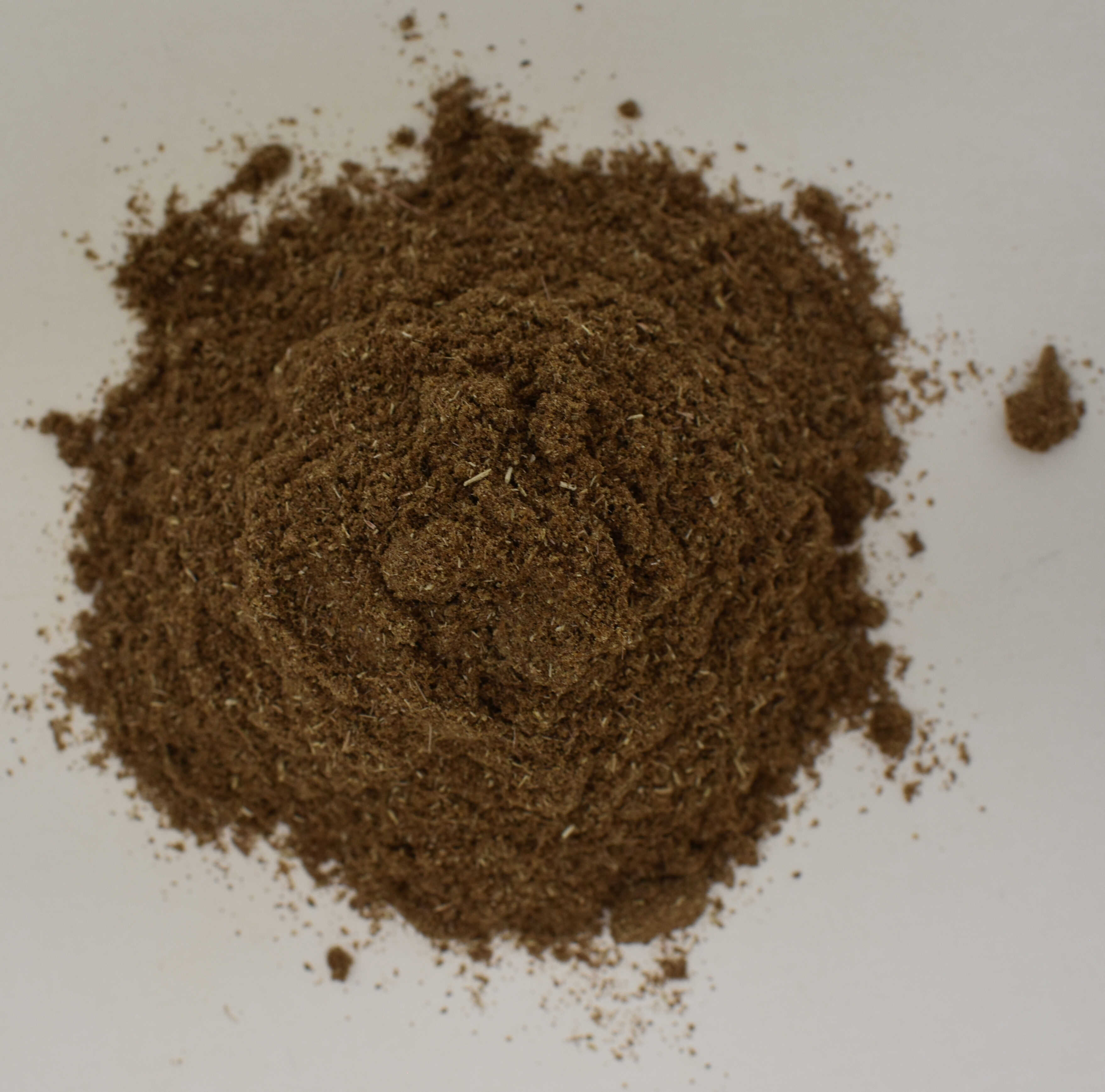
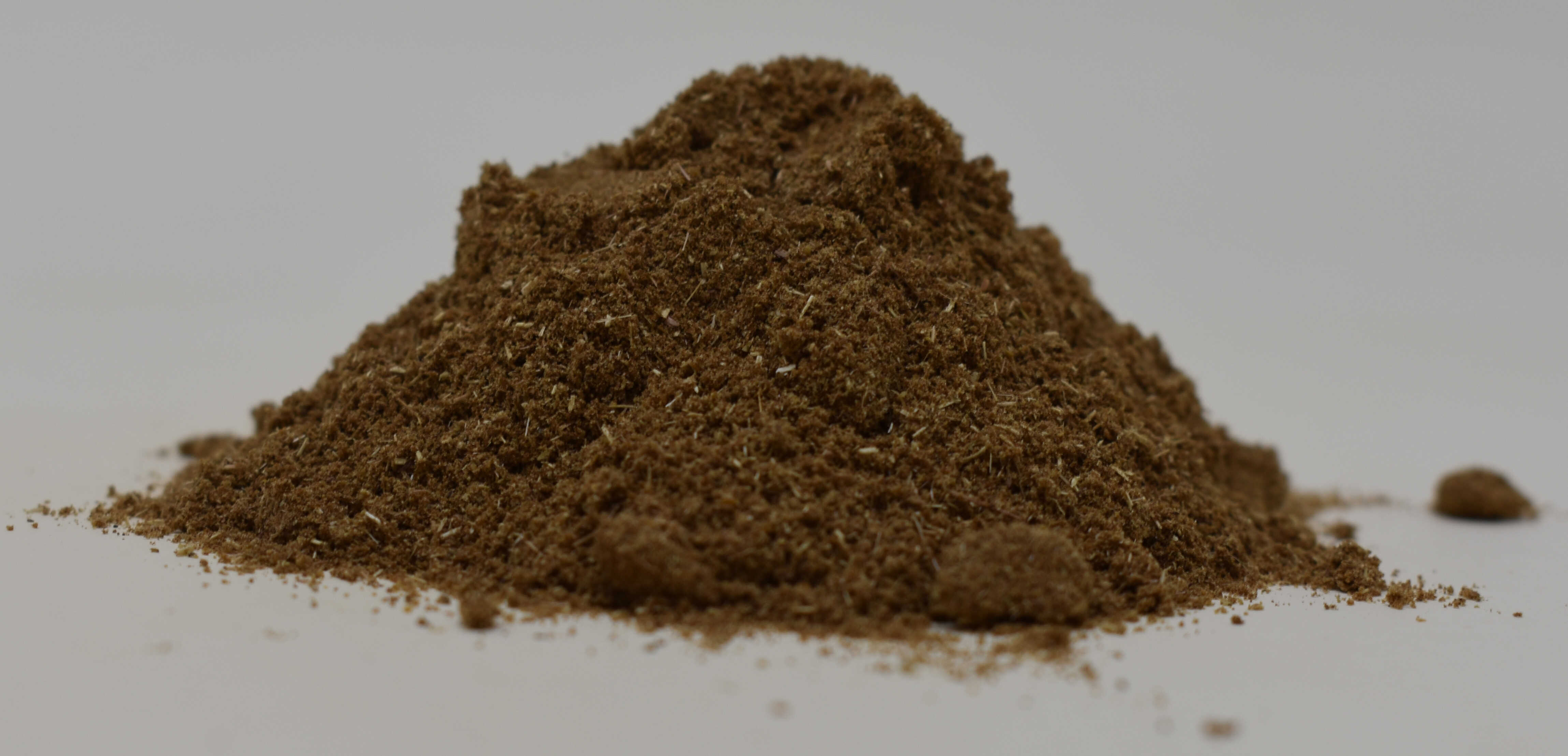
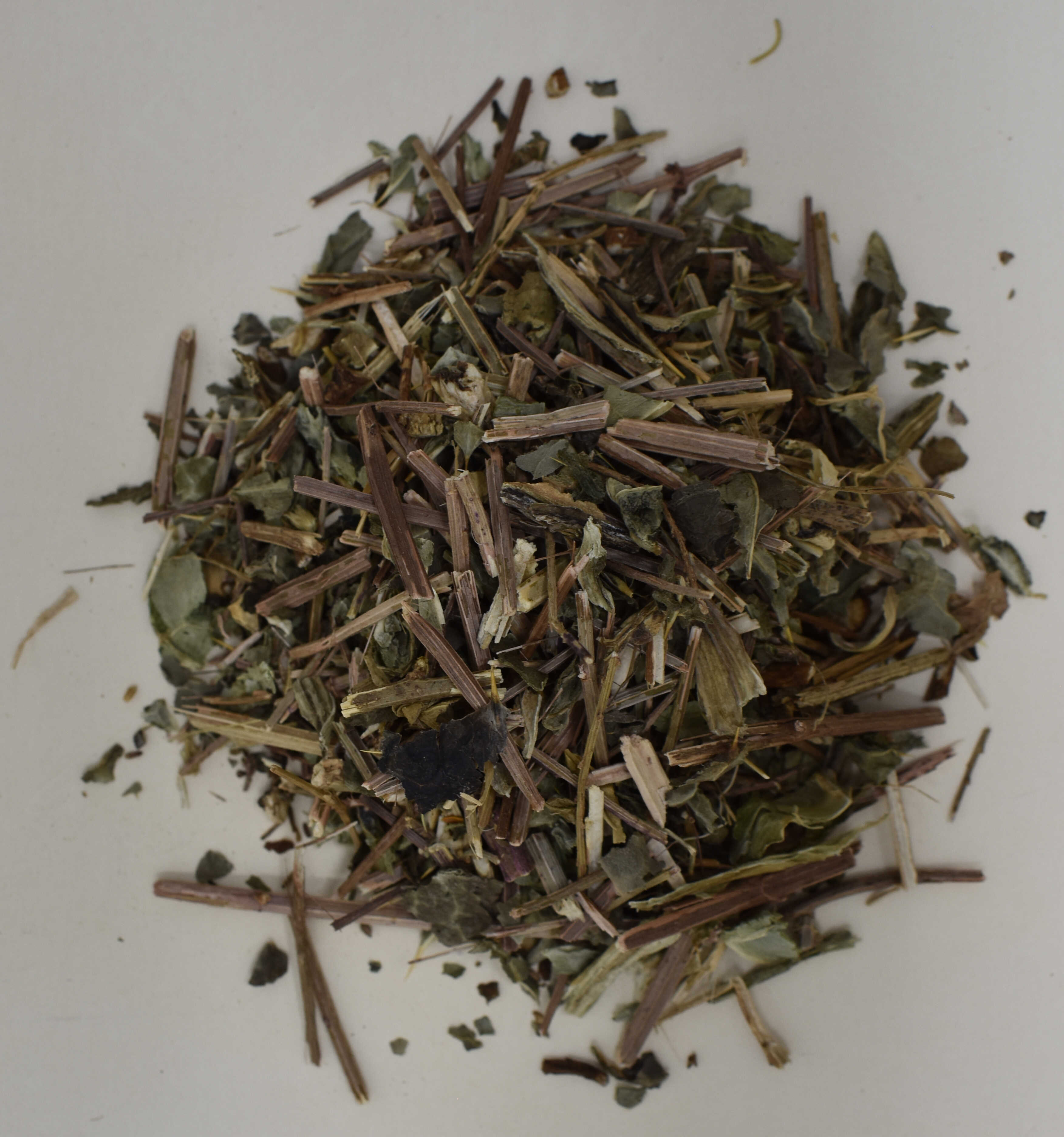
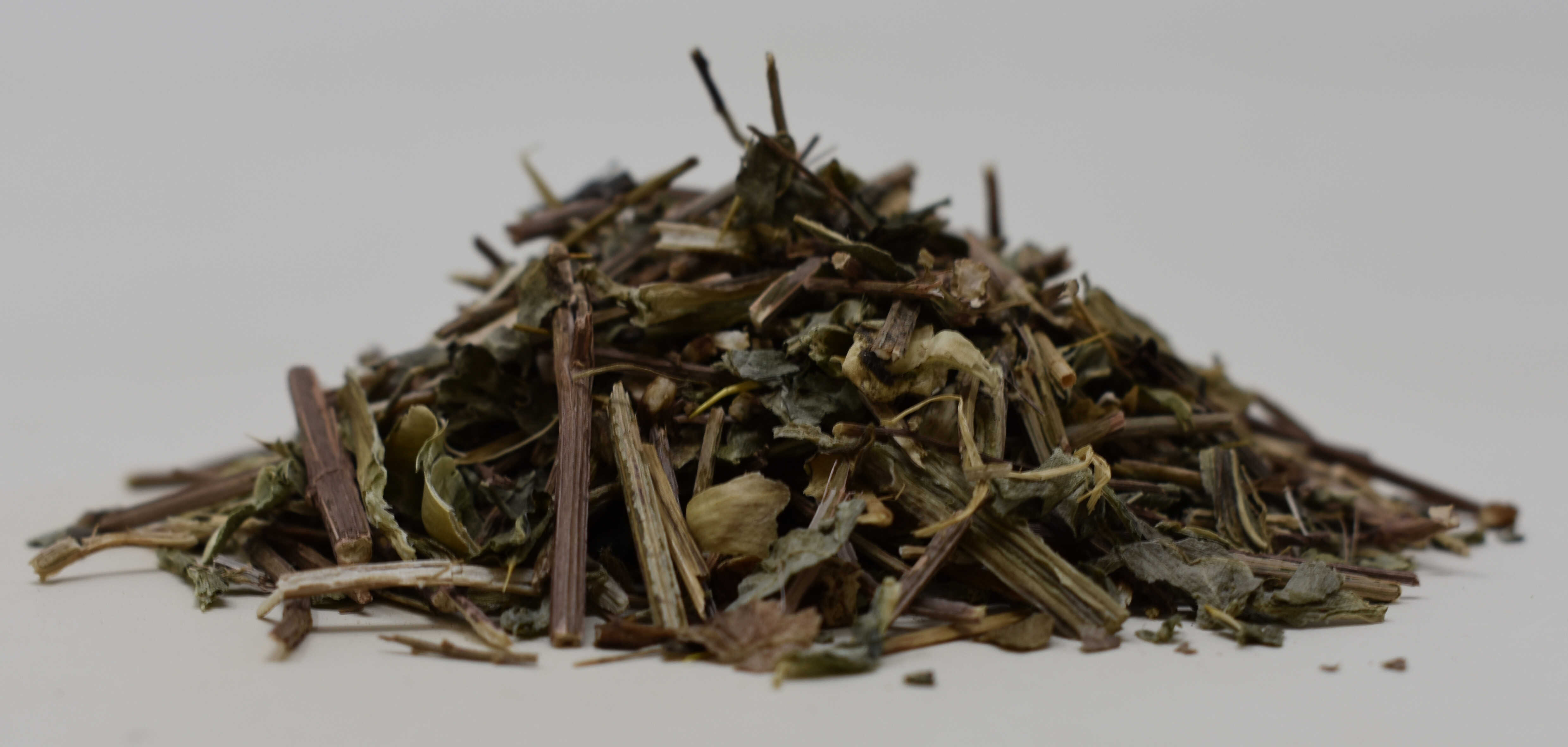
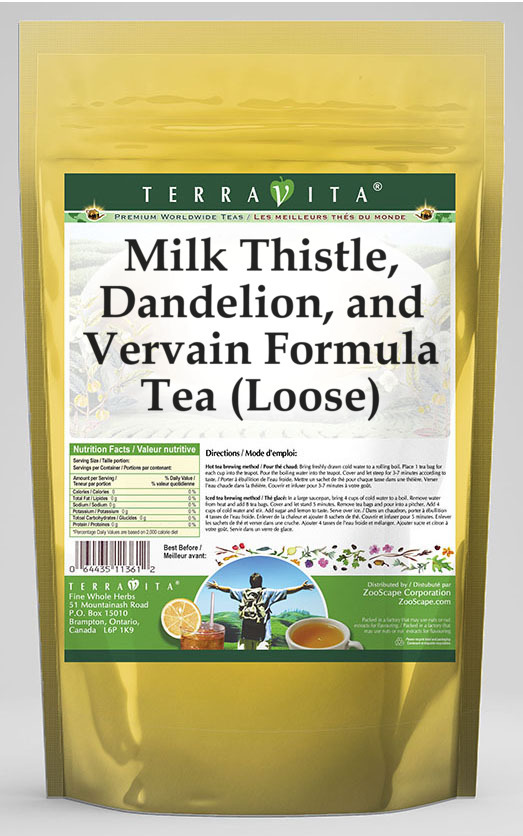
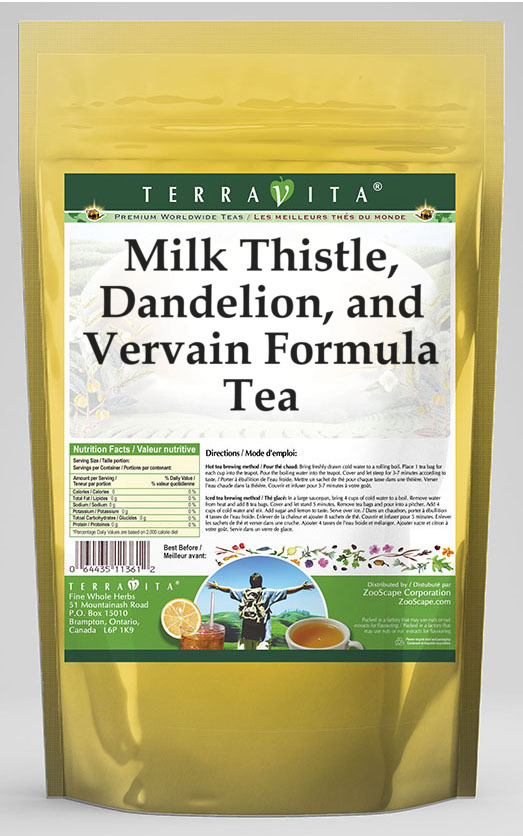
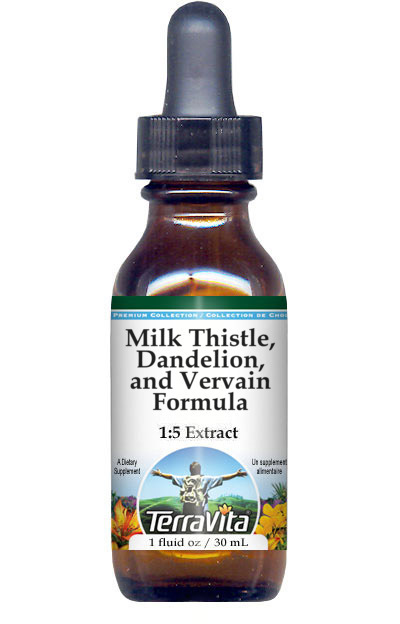
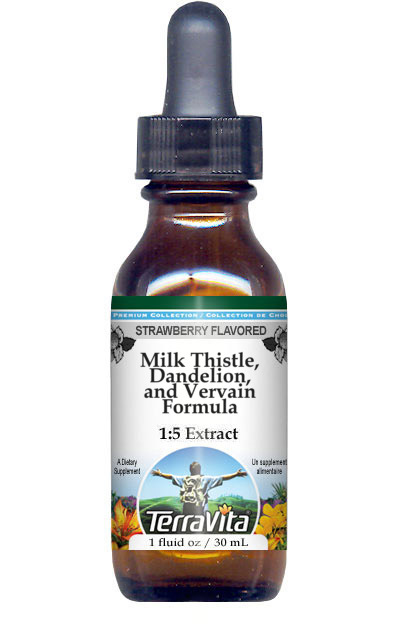
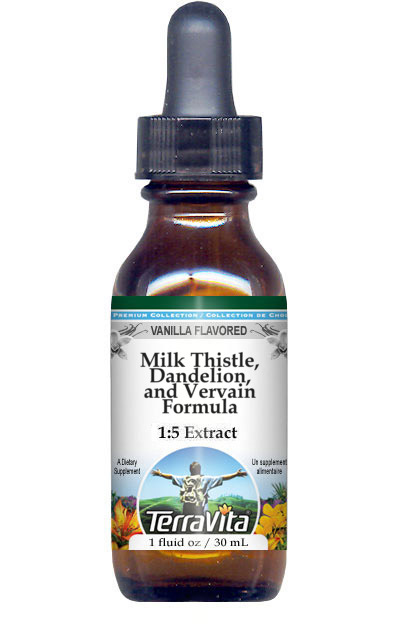
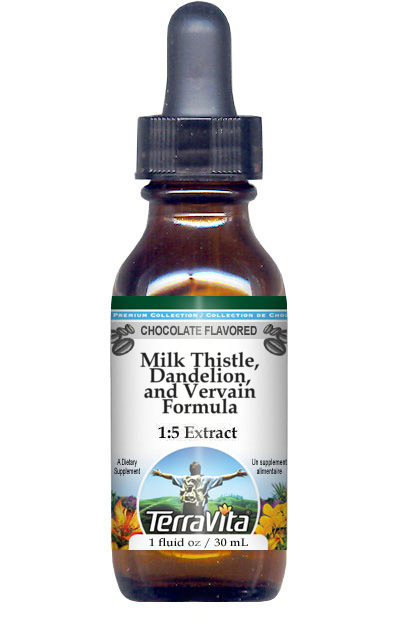
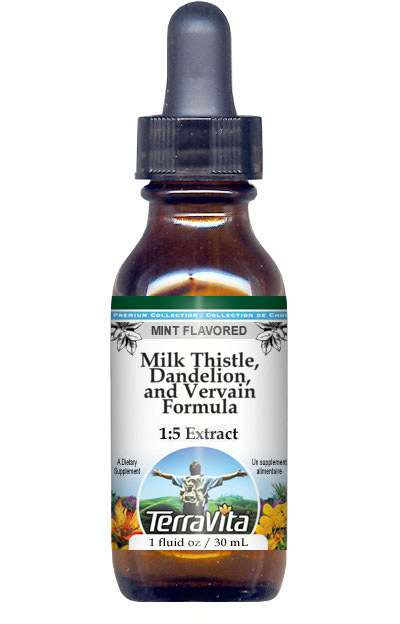
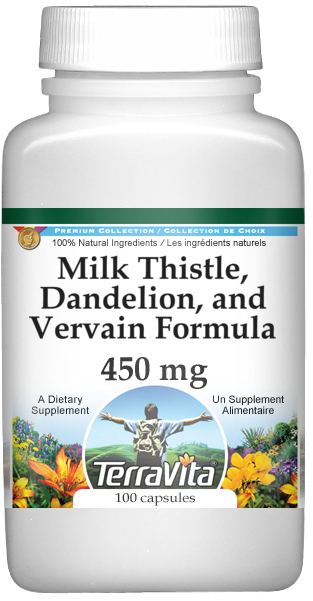
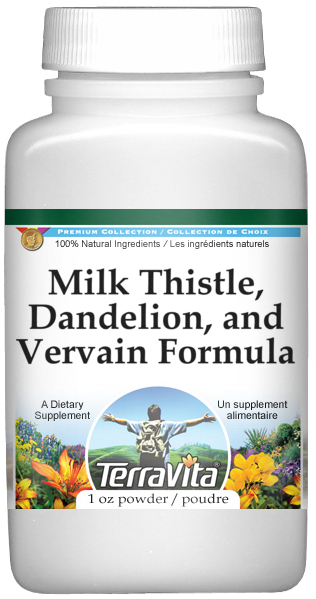
Milk Thistle, Dandelion, and Vervain Formula
| Images | Product Name | Size | ZIN | Price | Quantity | Add to Cart |
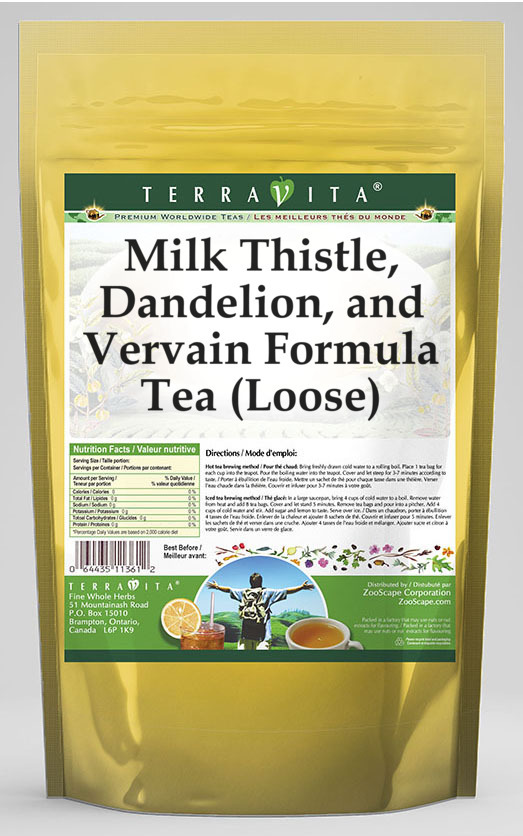
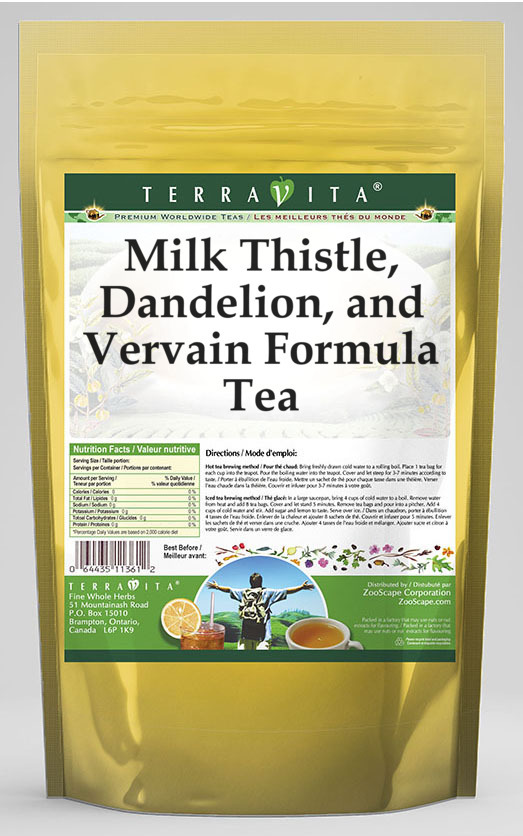
| Milk Thistle, Dandelion, and Vervain Formula Tea (Loose) | 4 oz | 517093 | $16.22 | |||
| 8 oz | 517094 | $23.88 | ||||
| Milk Thistle, Dandelion, and Vervain Formula Tea | 25 tea bags | 517095 | $16.69 | |||
| 50 tea bags | 517096 | $25.08 | ||||
| Milk Thistle, Dandelion, and Vervain Formula Glycerite Liquid Extract (1:5) | 1 oz - No Flavor | 523746 | $20.94 | |||
| 1 oz - Strawberry | 523747 | $23.15 | ||||
| 1 oz - Vanilla | 523748 | $23.15 | ||||
| 1 oz - Chocolate | 523749 | $23.15 | ||||
| 1 oz - Mint | 523750 | $23.15 | ||||
| Milk Thistle, Dandelion, and Vervain Formula - 450 mg | 100 capsules | 517090 | $25.16 | |||
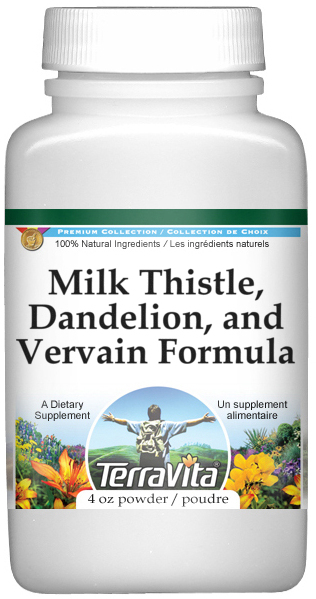
| Milk Thistle, Dandelion, and Vervain Formula Powder | 4 oz | 517091 | $24.03 | |||
| 1 oz | 517092 | $11.38 |
TerraVita strives to make all of our products affordable and reliable and are constantly searching the market to maintain our affordability and to look for new ways to serve you and the ones you love. TerraVita has become a trusted household name for many families and can bring you and yours the very best herbal supplements, blends, teas and spices that are on the market today.
TerraVita is packed in tamper-proof, food-grade, recyclable containers.
ZooScape is proud to be the exclusive distributor of TerraVita teas, herbs and supplements in the United States, Canada and around the world. Please direct all wholesale and bulk inquiries to 1-844-449-0444.
These statements have not been evaluated by the Food and Drug Administration (FDA). Products are intended to support general well being and are not intended to treat, diagnose, prevent, or cure any condition or disease.
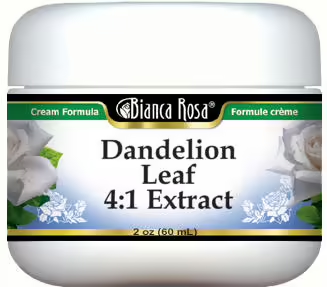
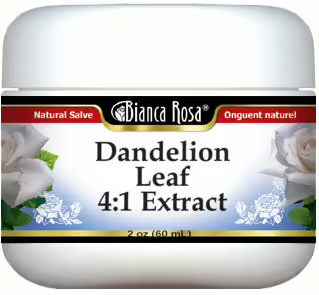
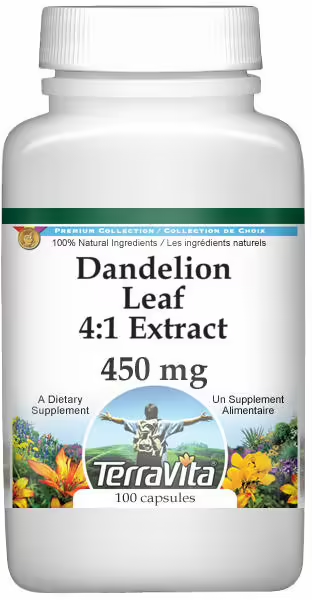
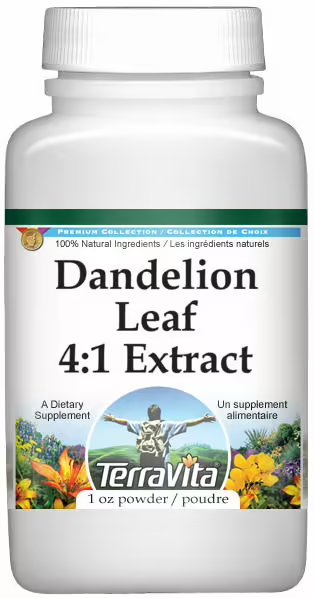
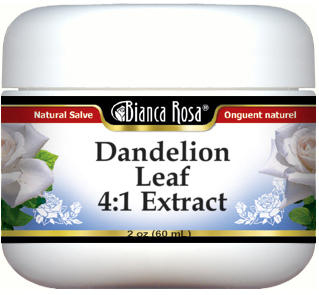
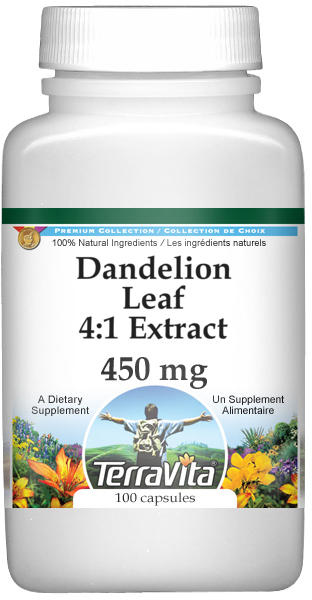
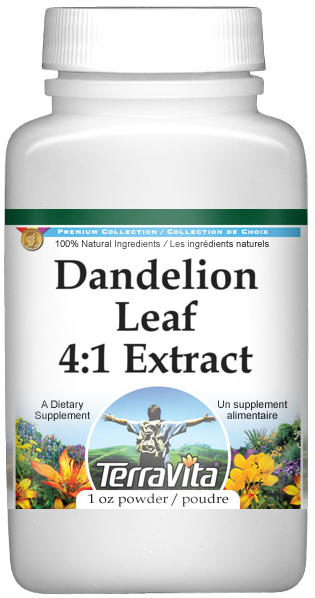
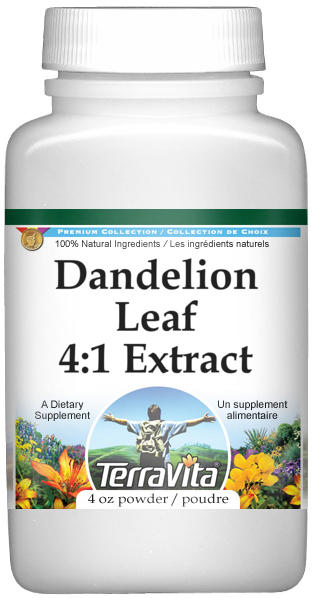
Dandelion Leaf 4:1 Extract
| Images | Product Name | Size | ZIN | Price | Quantity | Add to Cart |
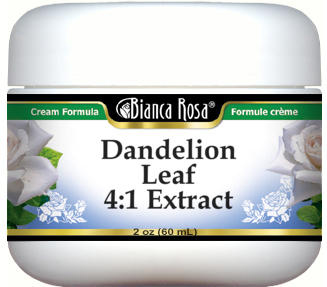
| Dandelion Leaf 4:1 Extract Cream | 2 oz | 523963 | $47.26 | |||
| Dandelion Leaf 4:1 Extract Salve | 2 oz | 523964 | $51.84 | |||
| Dandelion Leaf 4:1 Extract - 450 mg | 100 capsules | 520891 | $27.66 | |||
| Dandelion Leaf 4:1 Extract Powder | 1 oz | 513852 | $13.88 | |||
| 4 oz | 513853 | $33.15 |
Bianca Rosa makes all products as affordable as possible and we are constantly searching the market to maintain our affordability and to look for new ways to serve you. Bianca Rosa has been a trusted household name for many families throughout the world since the 1990s. Bianca Rosa is packed in tamper-proof, recyclable containers.
ZooScape is proud to be the exclusive distributor of all Bianca Rosa products, including creams, salves and oils in the United States, Canada and around the world. Please direct all wholesale and bulk inquiries to 1-844-449-0444.
TerraVita is an exclusive line of premium-quality, natural source products that use only the finest, purest and most potent ingredients found around the world. TerraVita is hallmarked by the highest possible standards of purity, potency, stability and freshness. All of our products are prepared with the highest elements of quality control, from raw materials through the entire manufacturing process, up to and including the moment that the bottles or bags are sealed for freshness and shipped out to you. Our highest possible standards are certified by independent laboratories and backed by our personal guarantee.
TerraVita strives to make all of our products affordable and reliable and are constantly searching the market to maintain our affordability and to look for new ways to serve you and the ones you love. TerraVita has become a trusted household name for many families and can bring you and yours the very best herbal supplements, blends, teas and spices that are on the market today.
TerraVita is packed in tamper-proof, food-grade, recyclable containers.
ZooScape is proud to be the exclusive distributor of TerraVita teas, herbs and supplements in the United States, Canada and around the world. Please direct all wholesale and bulk inquiries to 1-844-449-0444.
These statements have not been evaluated by the Food and Drug Administration (FDA). Products are intended to support general well being and are not intended to treat, diagnose, prevent, or cure any condition or disease.
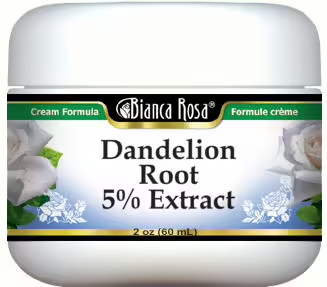
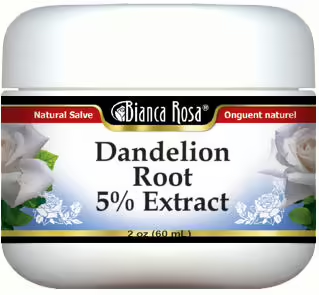
Dandelion Root 5% Extract
| Images | Product Name | Size | ZIN | Price | Quantity | Add to Cart |
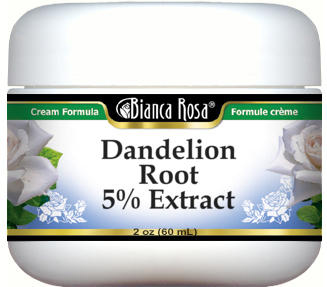
| Dandelion Root 5% Extract Cream | 2 oz | 523965 | $86.99 | |||
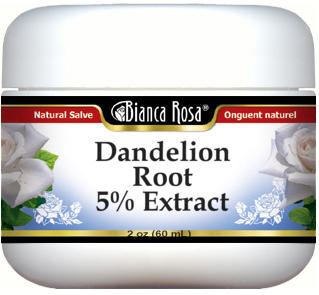
| Dandelion Root 5% Extract Salve | 2 oz | 523966 | $95.42 |
Bianca Rosa makes all products as affordable as possible and we are constantly searching the market to maintain our affordability and to look for new ways to serve you. Bianca Rosa has been a trusted household name for many families throughout the world since the 1990s. Bianca Rosa is packed in tamper-proof, recyclable containers.
ZooScape is proud to be the exclusive distributor of all Bianca Rosa products, including creams, salves and oils in the United States, Canada and around the world. Please direct all wholesale and bulk inquiries to 1-844-449-0444.
These statements have not been evaluated by the Food and Drug Administration (FDA). Products are intended to support general well being and are not intended to treat, diagnose, prevent, or cure any condition or disease.
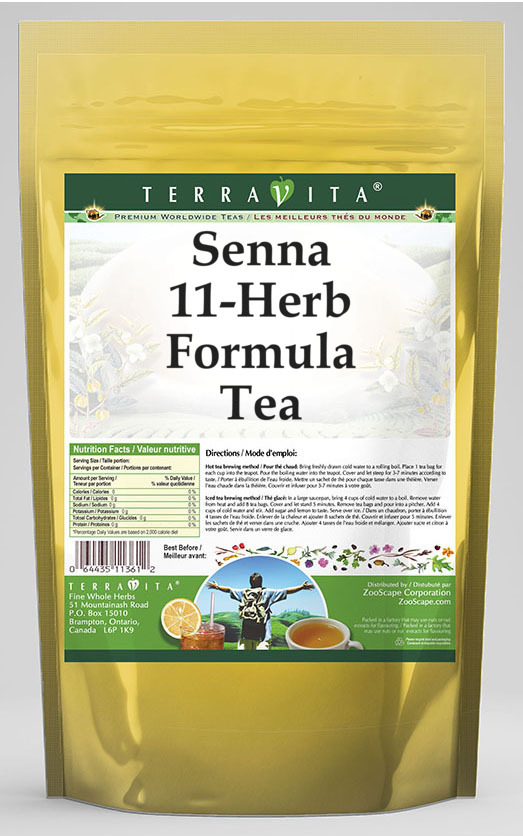
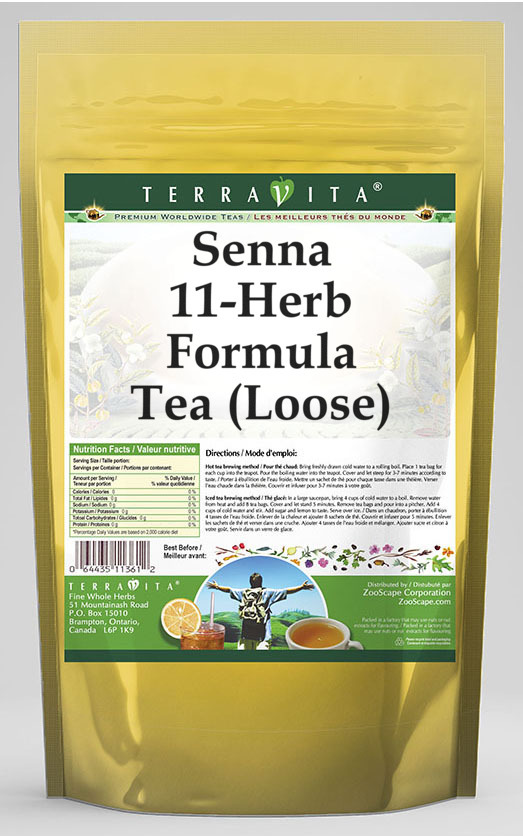
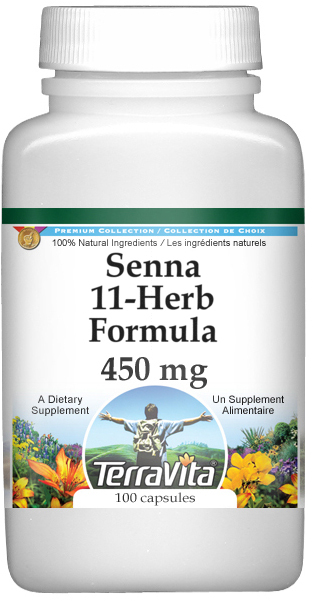
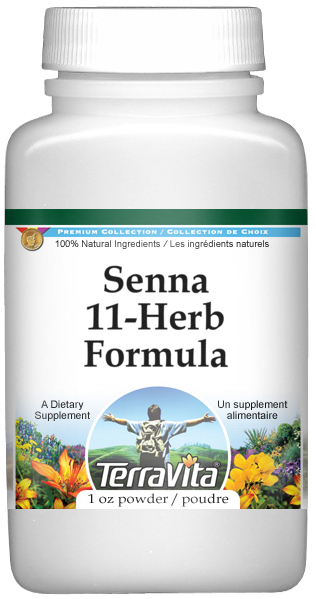
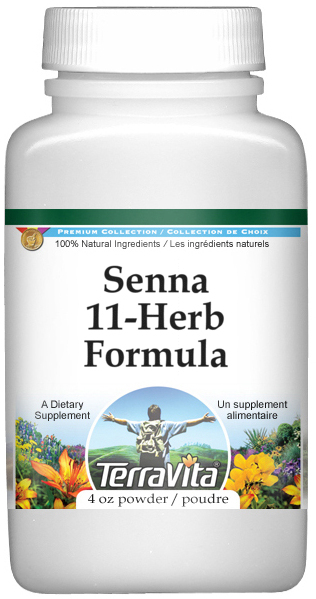
Senna 11-Herb Formula
| Images | Product Name | Size | ZIN | Price | Quantity | Add to Cart |
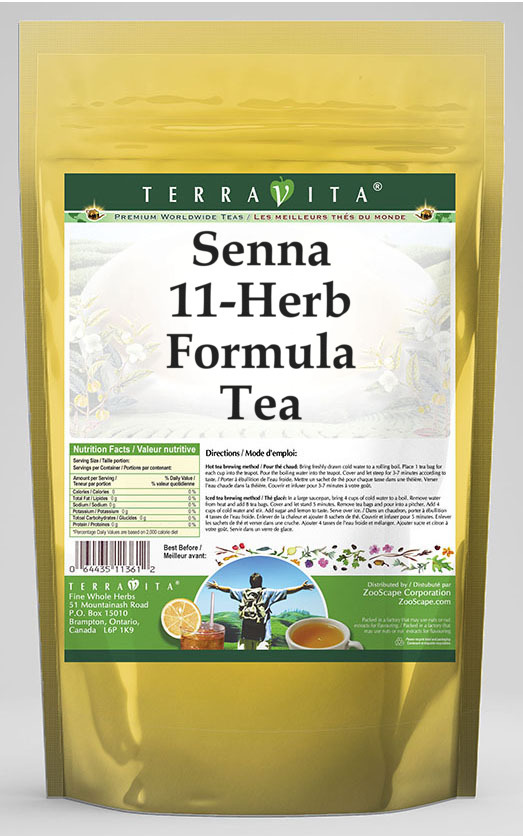
| Senna 11-Herb Formula Tea | 25 tea bags | 428762 | $19.57 | |||
| 50 tea bags | 428763 | $26.35 | ||||
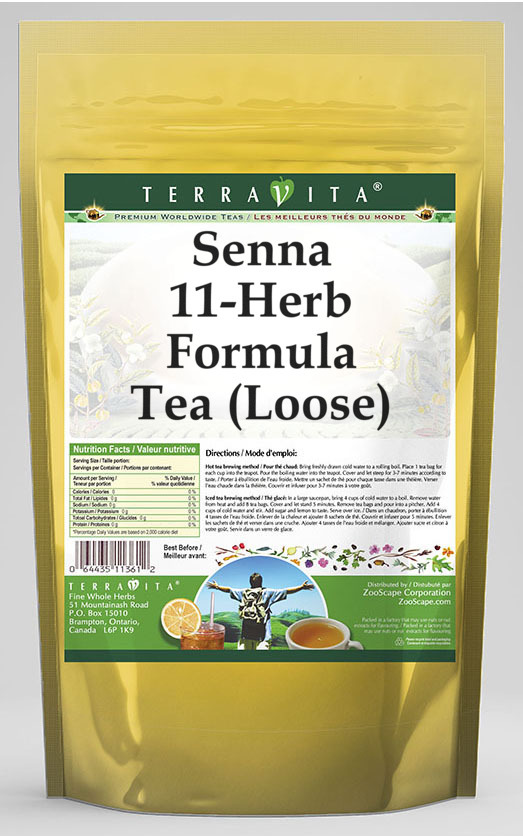
| Senna 11-Herb Formula Tea (Loose) | 4 oz | 428764 | $12.54 | |||
| 8 oz | 428765 | $19.11 | ||||
| Senna 11-Herb Formula - 450 mg | 100 capsules | 428768 | $23.23 | |||
| Senna 11-Herb Formula Powder | 1 oz | 428767 | $10.79 | |||
| 4 oz | 428766 | $13.41 |
TerraVita strives to make all of our products affordable and reliable and are constantly searching the market to maintain our affordability and to look for new ways to serve you and the ones you love. TerraVita has become a trusted household name for many families and can bring you and yours the very best herbal supplements, blends, teas and spices that are on the market today.
TerraVita is packed in tamper-proof, food-grade, recyclable containers.
ZooScape is proud to be the exclusive distributor of TerraVita teas, herbs and supplements in the United States, Canada and around the world. Please direct all wholesale and bulk inquiries to 1-844-449-0444.
These statements have not been evaluated by the Food and Drug Administration (FDA). Products are intended to support general well being and are not intended to treat, diagnose, prevent, or cure any condition or disease.
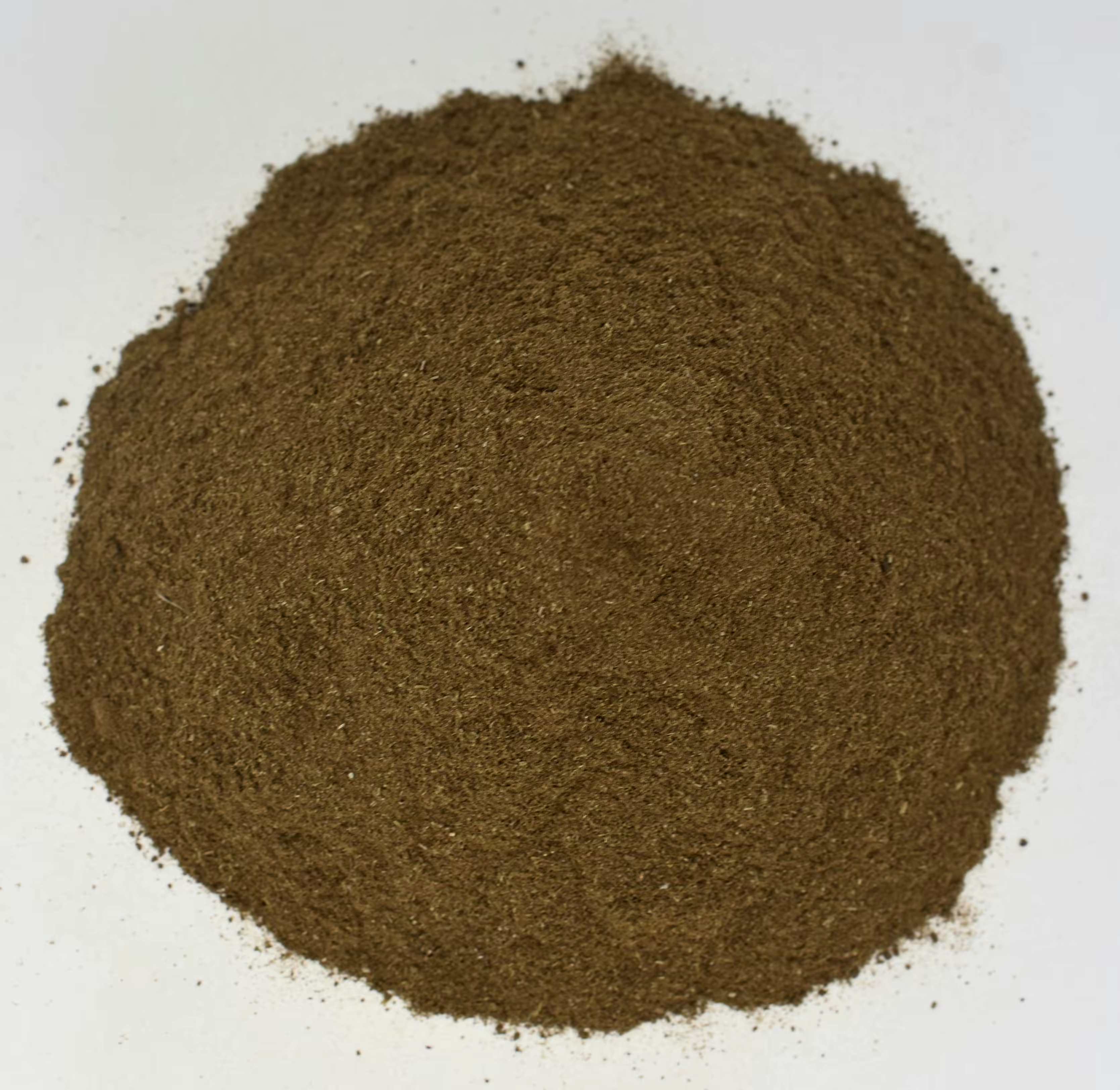
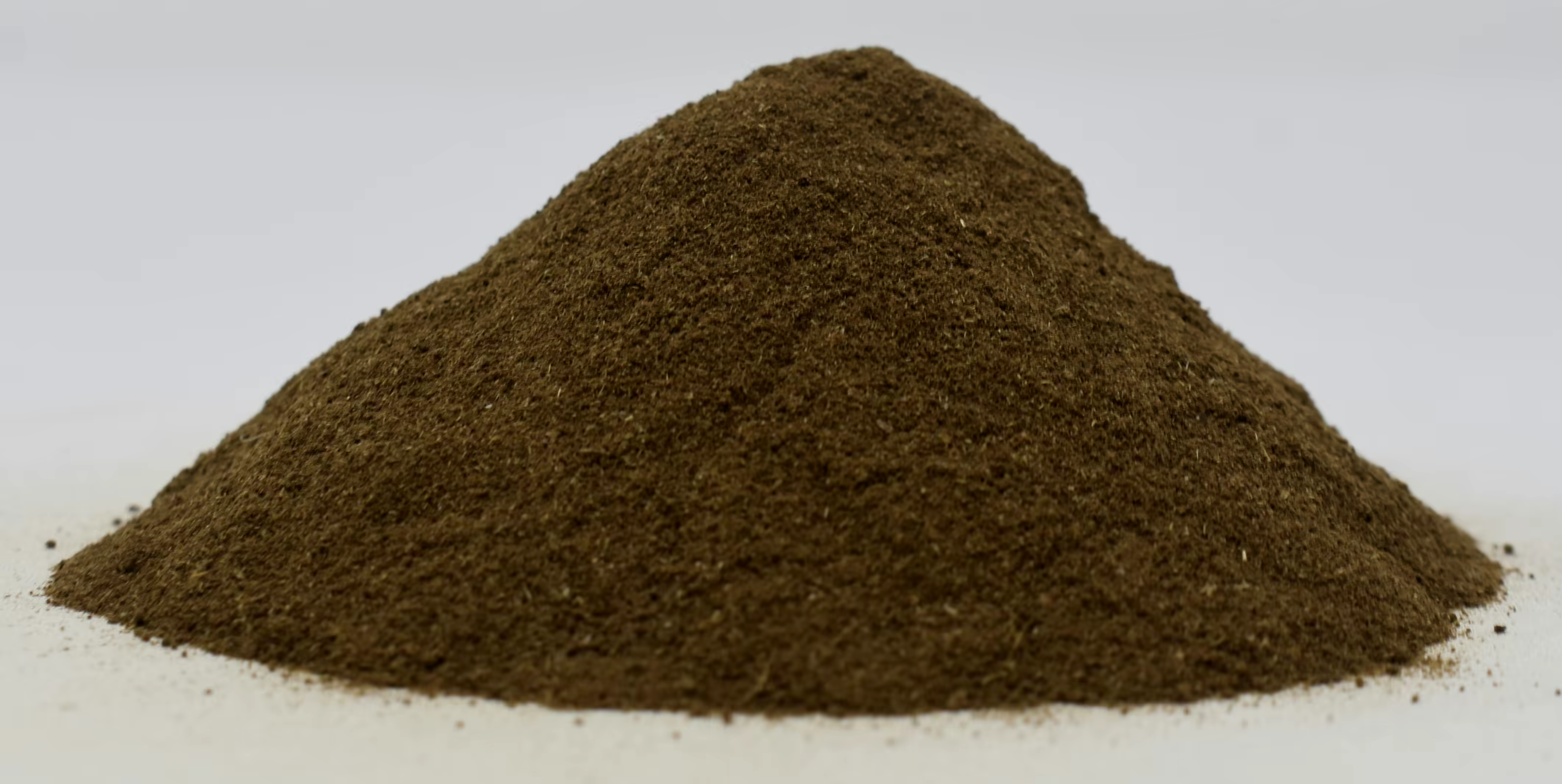
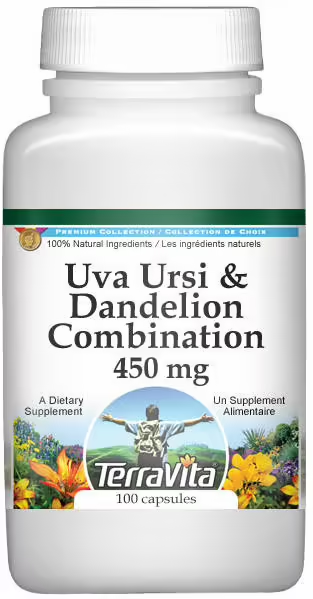
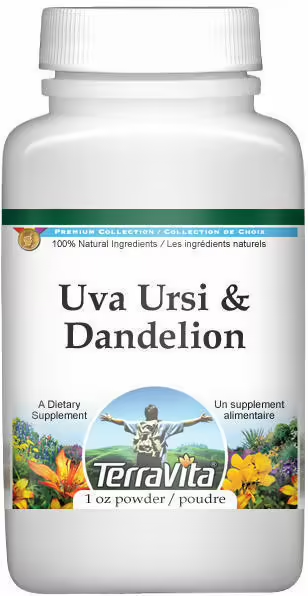
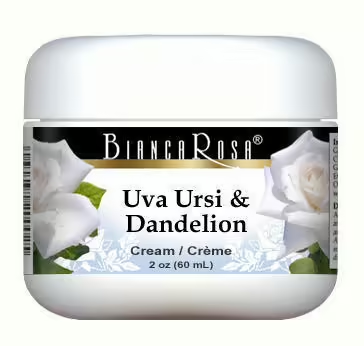
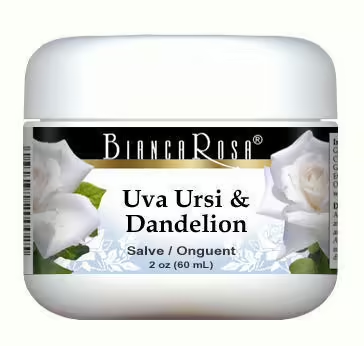
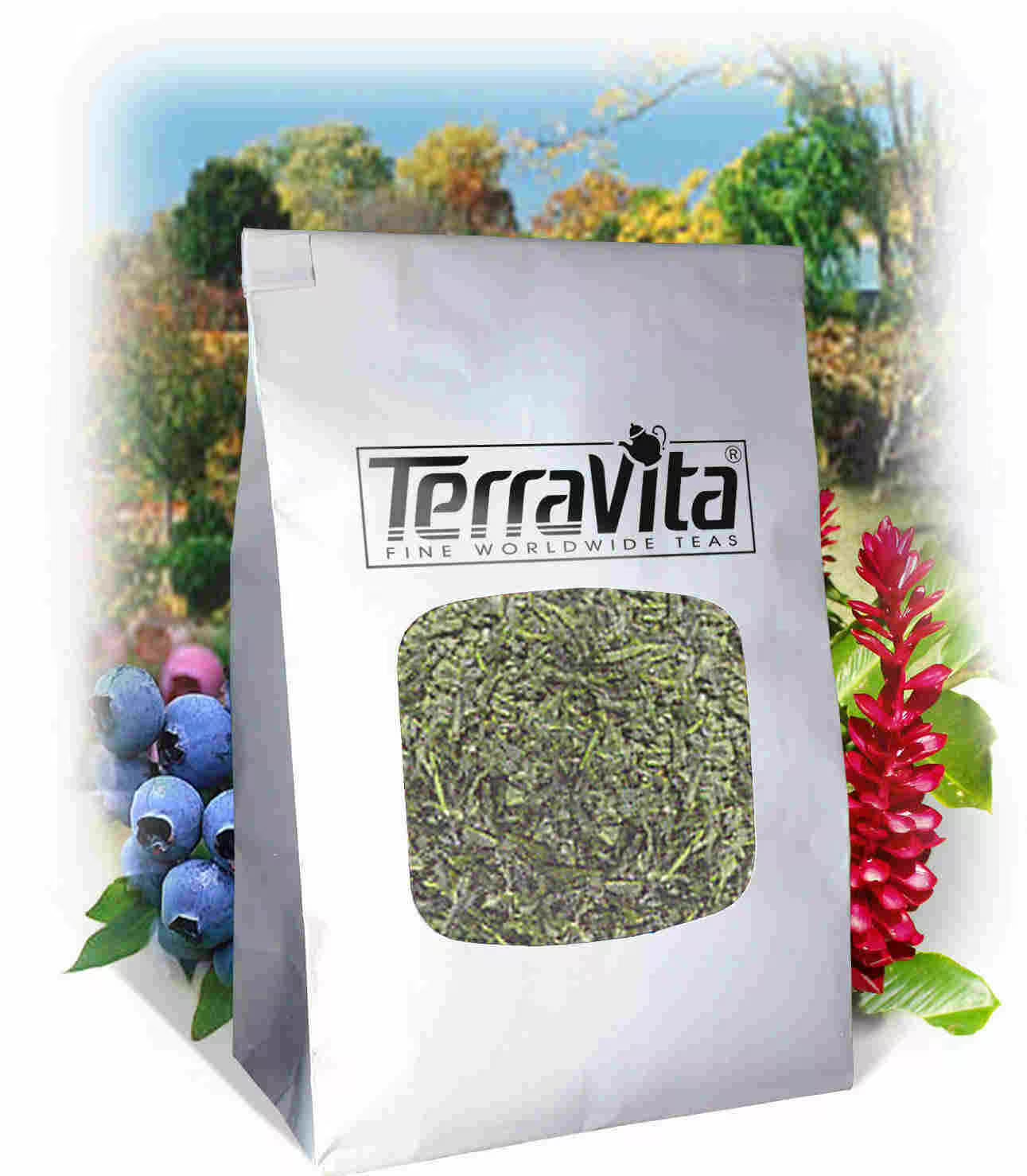
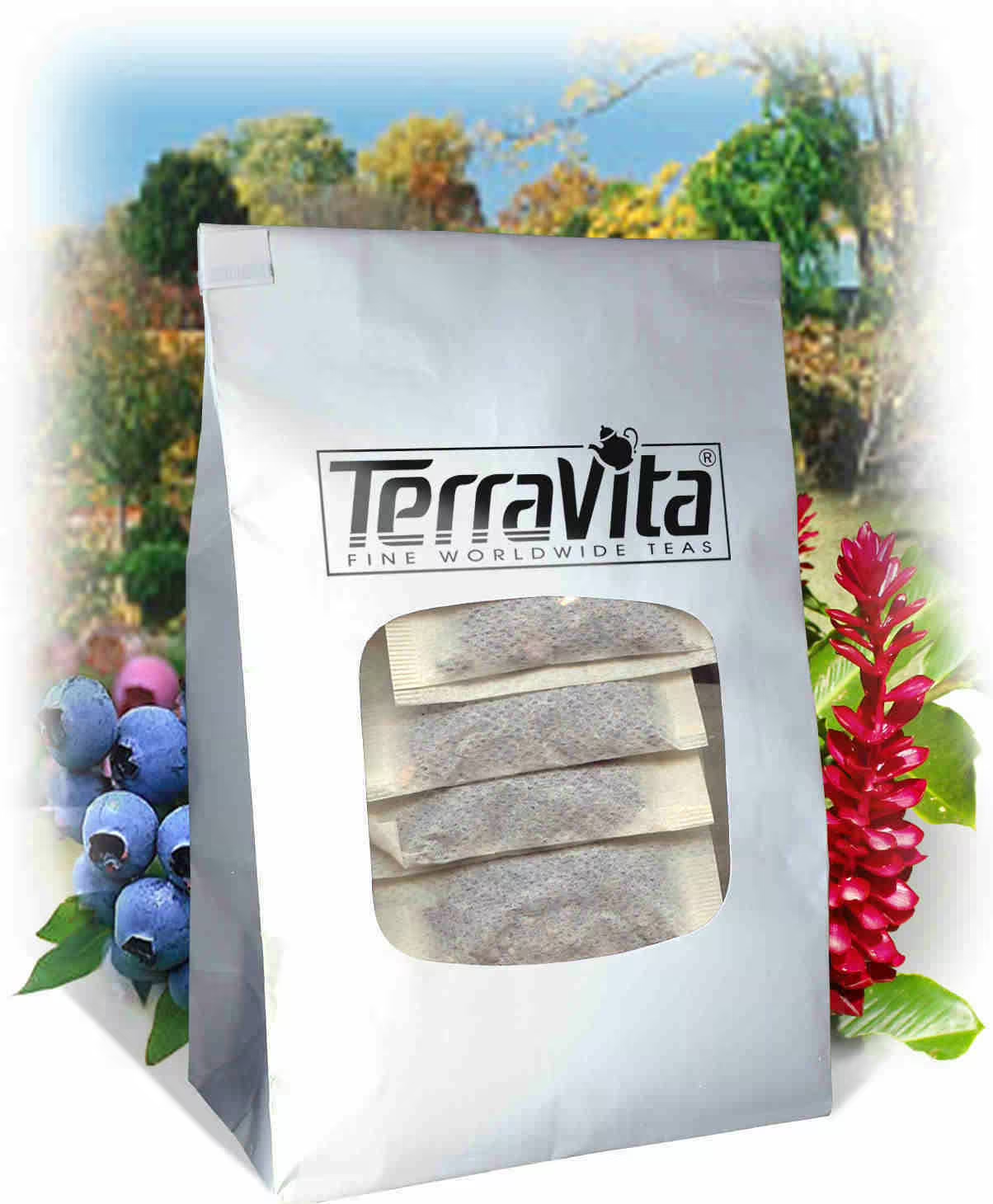
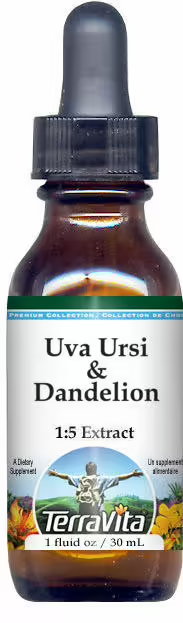
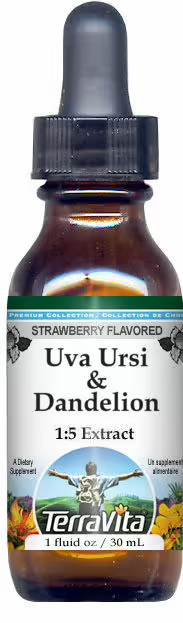
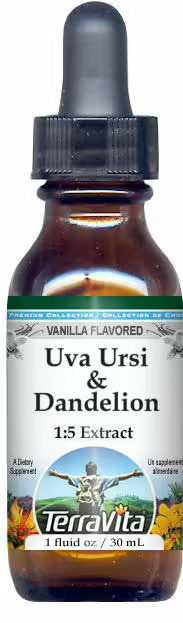
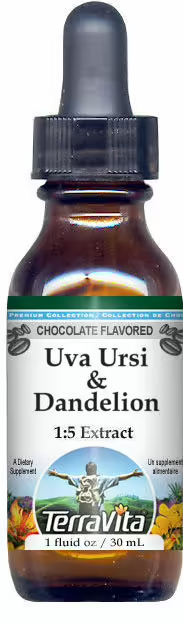
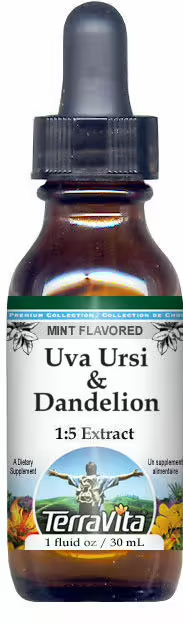
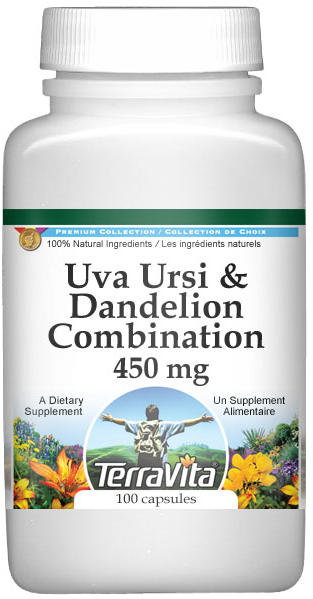
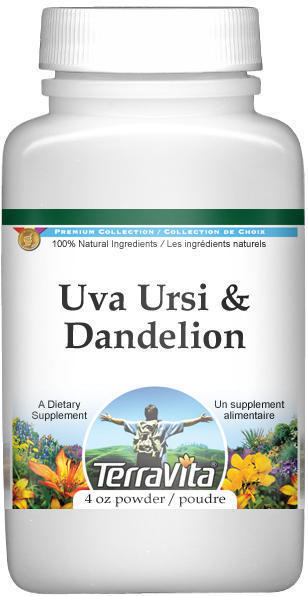
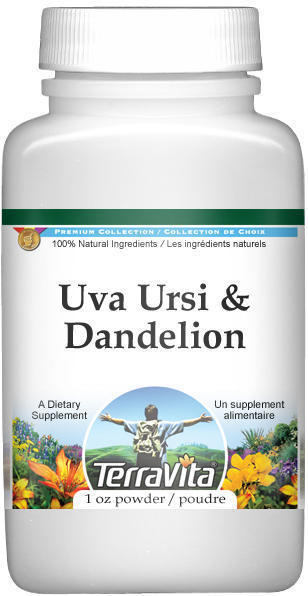
Uva Ursi and Dandelion
| Images | Product Name | Size | ZIN | Price | Quantity | Add to Cart |
| Uva Ursi and Dandelion Combination - 450 mg | 100 capsules | 513000 | $22.43 | |||
| Uva Ursi and Dandelion Combination Powder | 4 oz | 513001 | $25.21 | |||
| 1 oz | 513002 | $13.91 | ||||
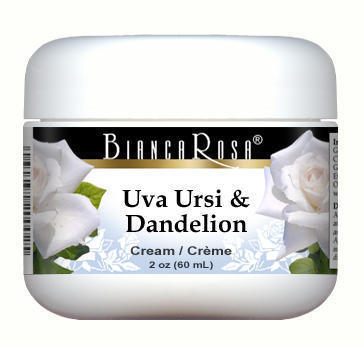
| Uva Ursi and Dandelion Combination Cream | 2 oz | 513007 | $28.74 | |||
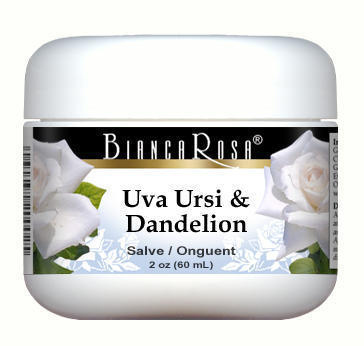
| Uva Ursi and Dandelion Combination - Salve Ointment | 2 oz | 513008 | $35.72 | |||
| Uva Ursi and Dandelion Combination Tea (Loose) | 4 oz | 513003 | $18.52 | |||
| 8 oz | 513004 | $29.75 | ||||
| Uva Ursi and Dandelion Combination Tea | 25 tea bags | 513005 | $21.33 | |||
| 50 tea bags | 513006 | $33.10 | ||||
| Uva Ursi & Dandelion Glycerite Liquid Extract (1:5) | 1 oz - No Flavor | 523122 | $20.94 | |||
| 1 oz - Strawberry | 523123 | $23.15 | ||||
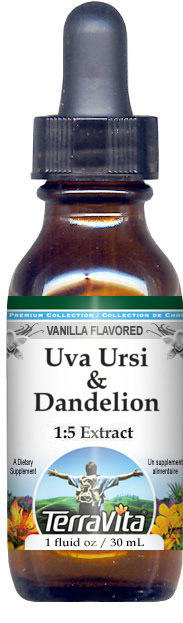
| 1 oz - Vanilla | 523124 | $23.15 | ||||
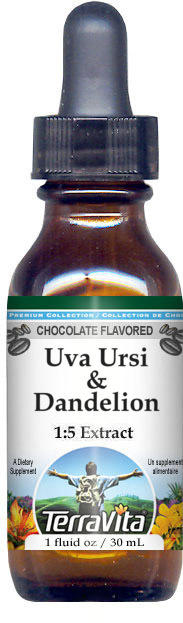
| 1 oz - Chocolate | 523125 | $23.15 | ||||
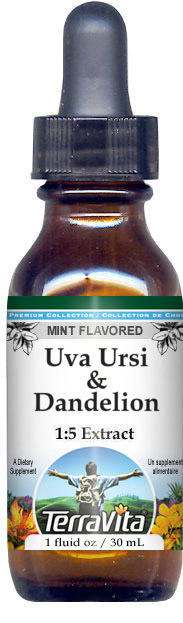
| 1 oz - Mint | 523126 | $23.15 |
TerraVita strives to make all of our products affordable and reliable and are constantly searching the market to maintain our affordability and to look for new ways to serve you and the ones you love. TerraVita has become a trusted household name for many families and can bring you and yours the very best herbal supplements, blends, teas and spices that are on the market today.
TerraVita is packed in tamper-proof, food-grade, recyclable containers.
ZooScape is proud to be the exclusive distributor of TerraVita teas, herbs and supplements in the United States, Canada and around the world. Please direct all wholesale and bulk inquiries to 1-844-449-0444.
Bianca Rosa is an exclusive line of premium-quality natural products sourced from only the finest and purest ingredients from around the world. Bianca Rosa is hallmarked by the highest possible standards of purity, stability and freshness. All Bianca Rosa products are prepared with the highest level of quality control, from the raw materials used through the entire manufacturing process, up to and including the moment that the finished product is sealed for freshness and shipped to you. Our highest possible standards backed by our personal guarantee.
Bianca Rosa makes all products as affordable as possible and we are constantly searching the market to maintain our affordability and to look for new ways to serve you. Bianca Rosa has been a trusted household name for many families throughout the world since the 1990s. Bianca Rosa is packed in tamper-proof, recyclable containers.
ZooScape is proud to be the exclusive distributor of all Bianca Rosa products, including creams, salves and oils in the United States, Canada and around the world. Please direct all wholesale and bulk inquiries to 1-844-449-0444.
These statements have not been evaluated by the Food and Drug Administration (FDA). Products are intended to support general well being and are not intended to treat, diagnose, prevent, or cure any condition or disease.
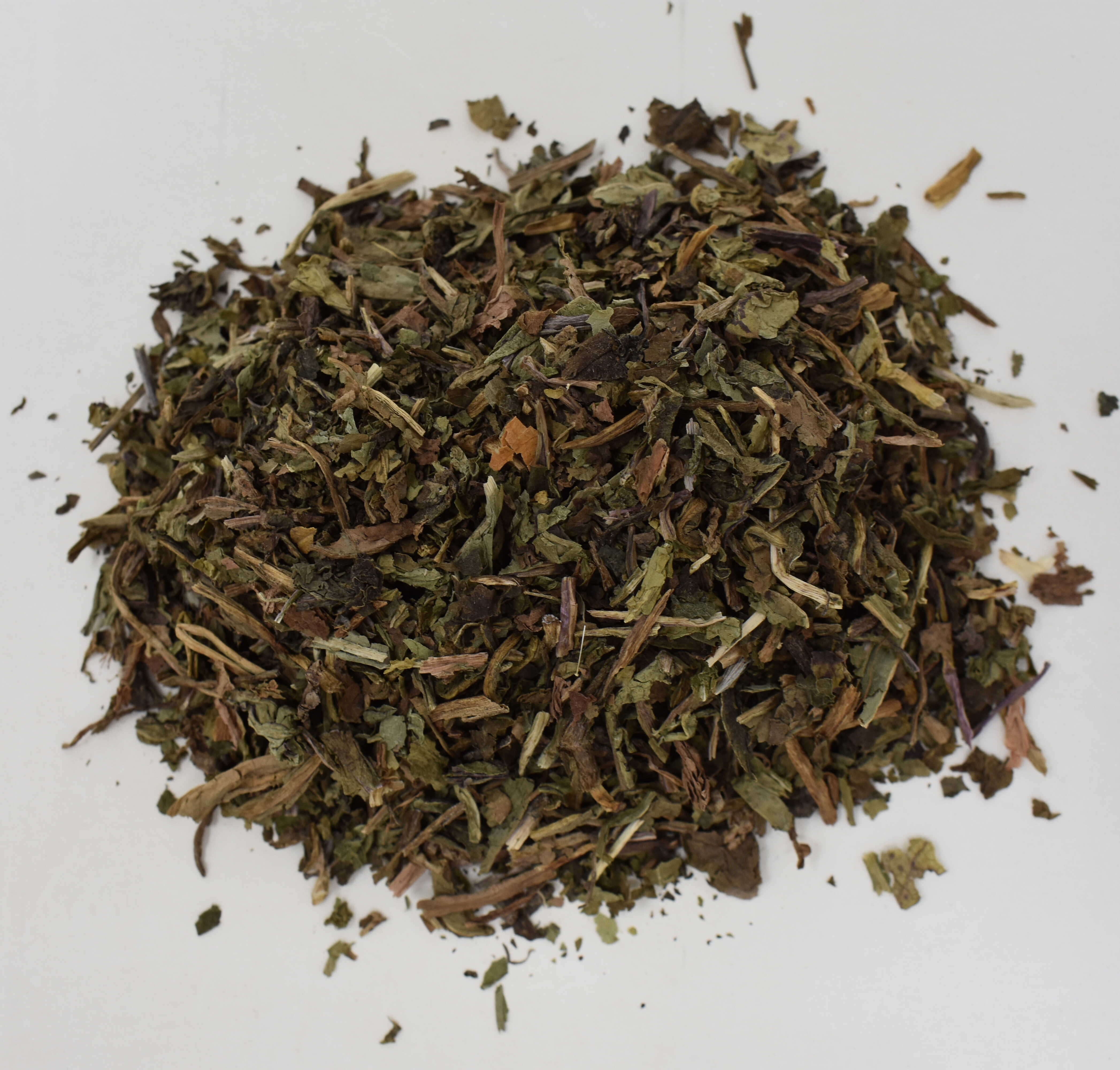
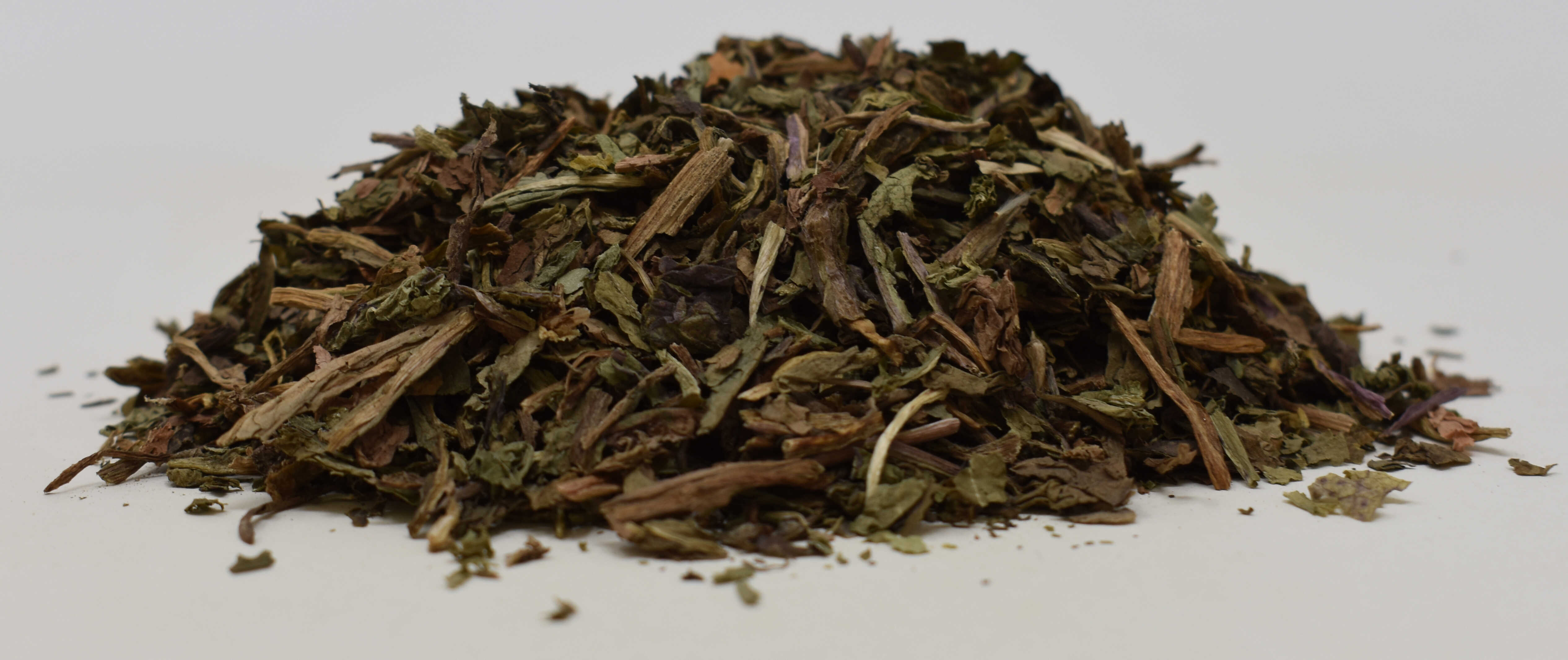
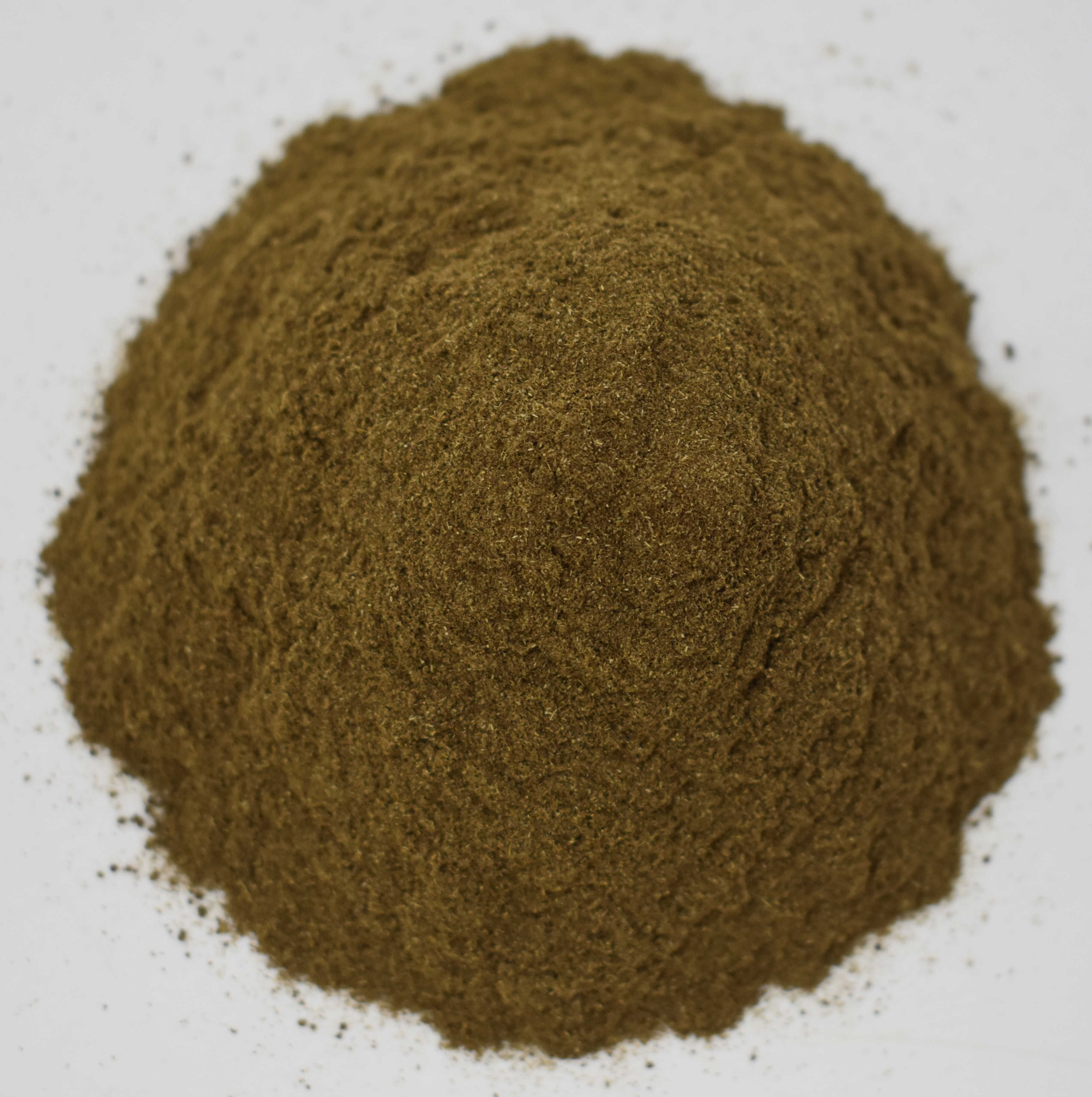
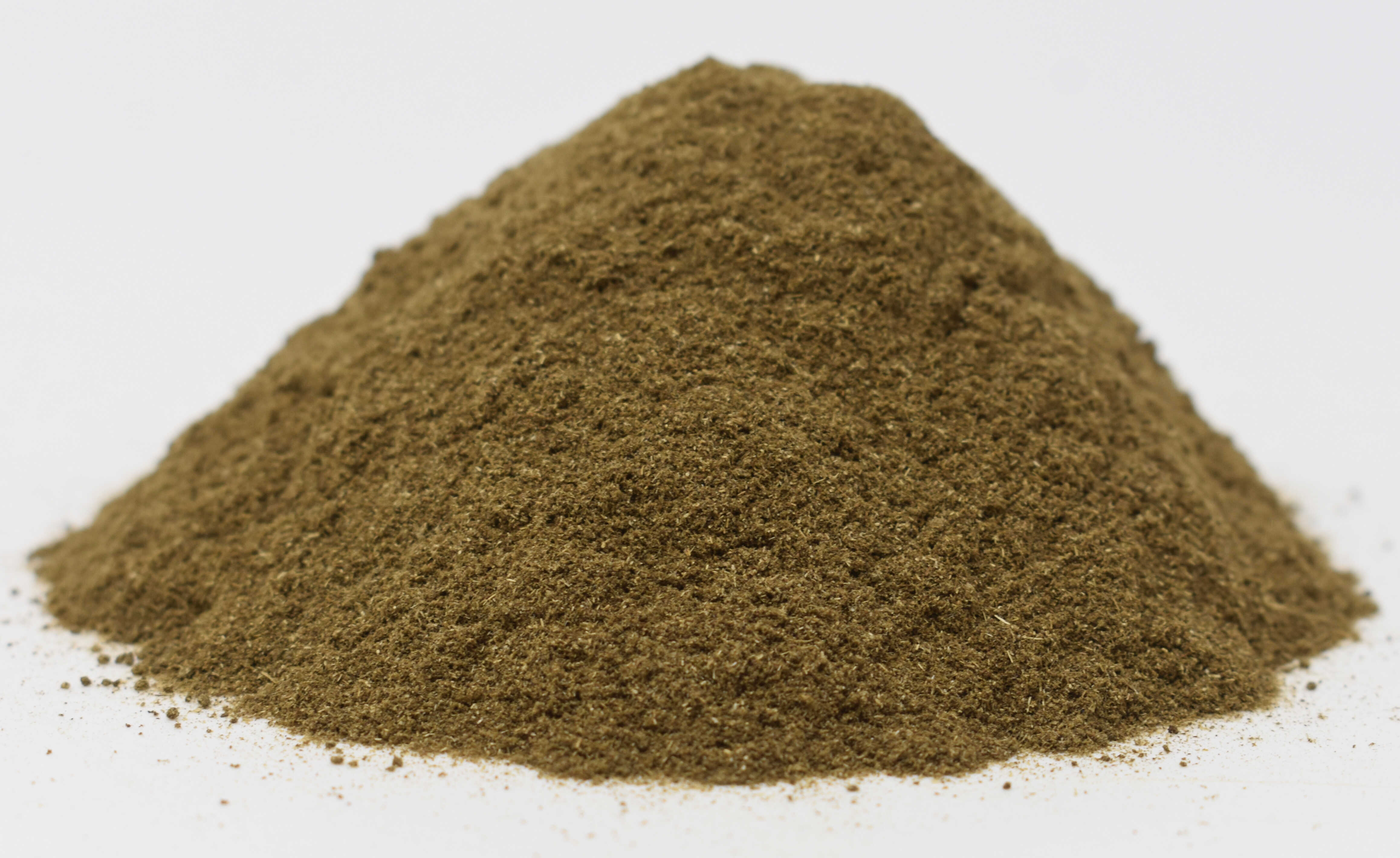
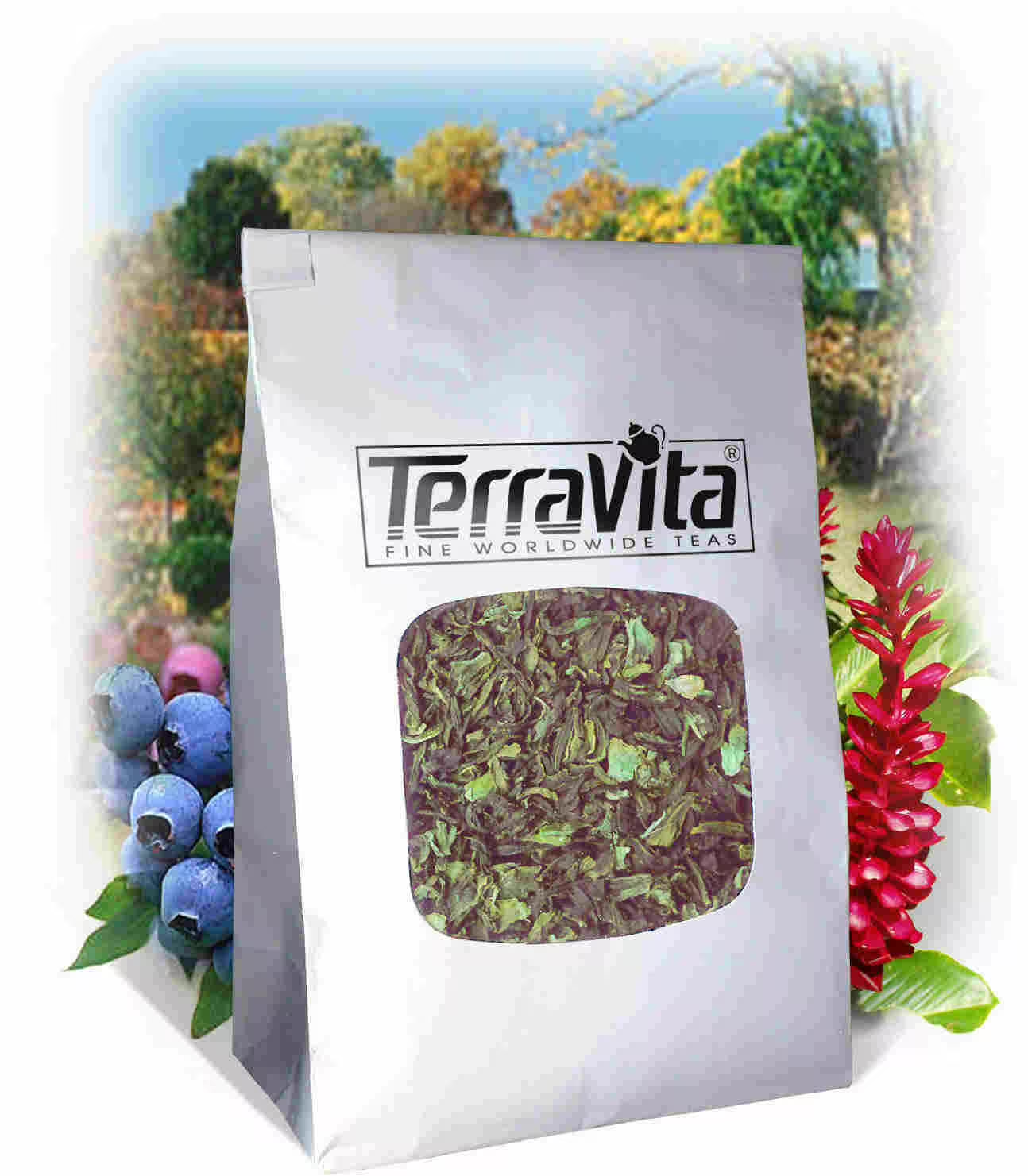
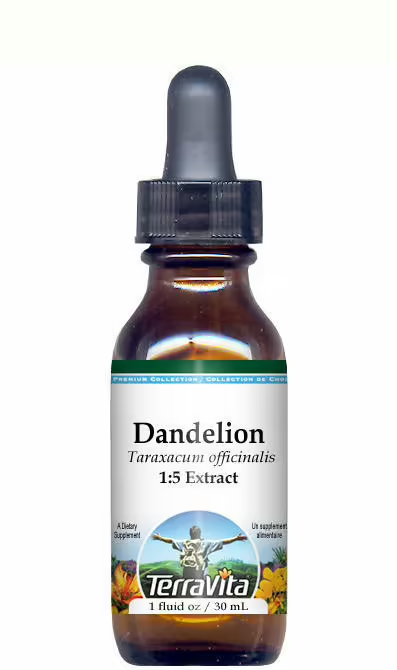
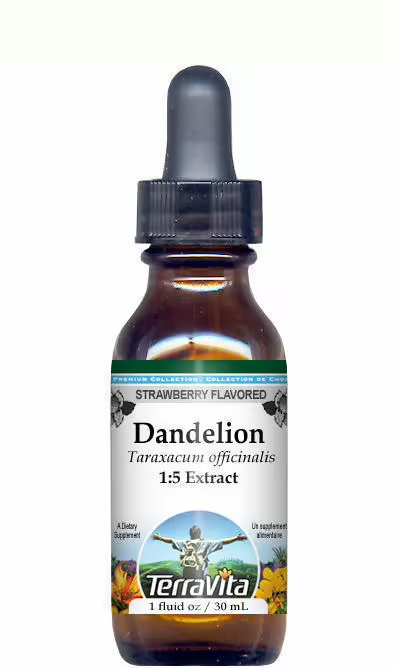
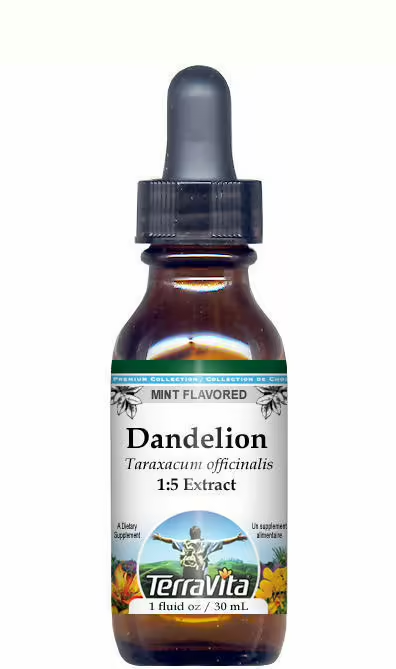
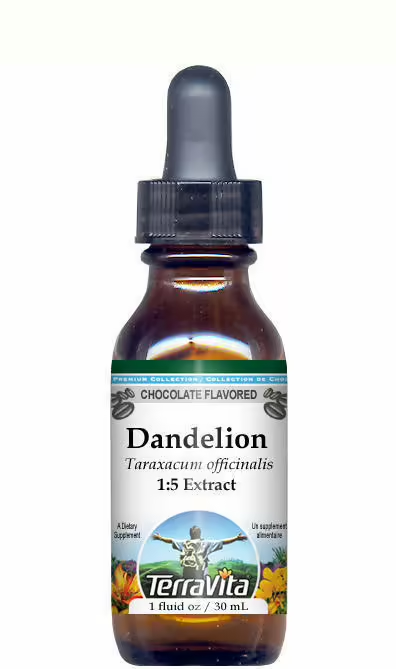
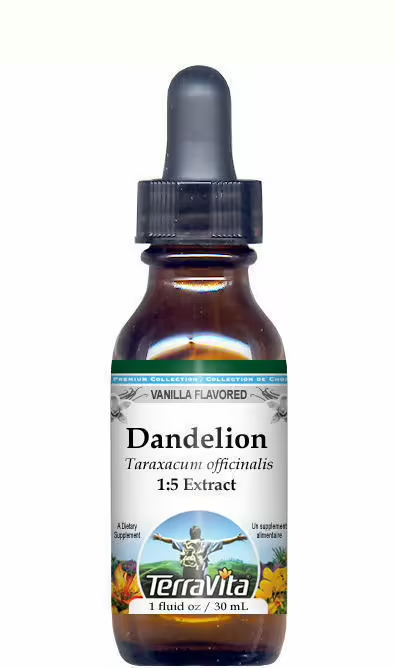
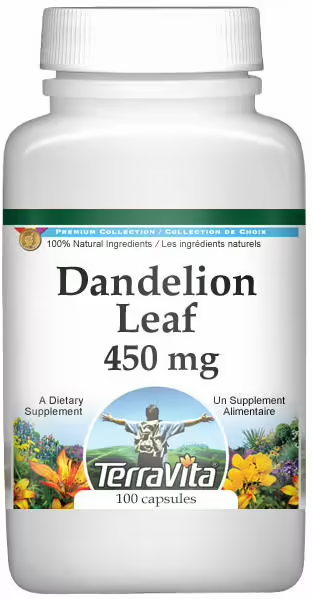
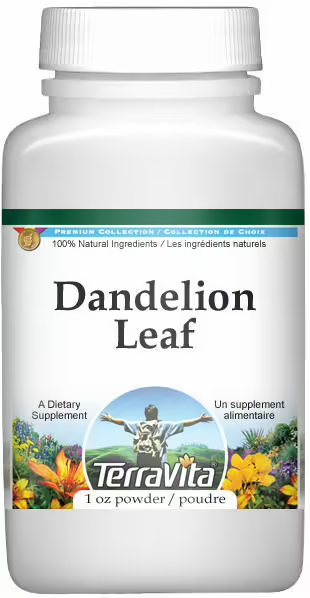
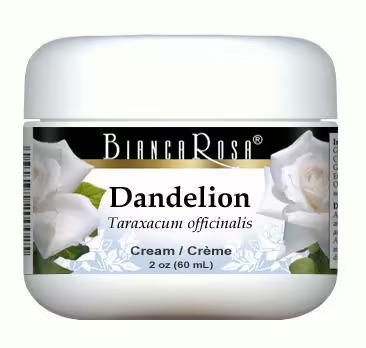
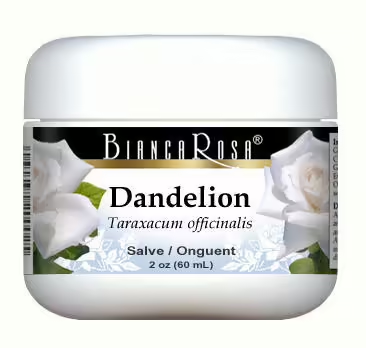
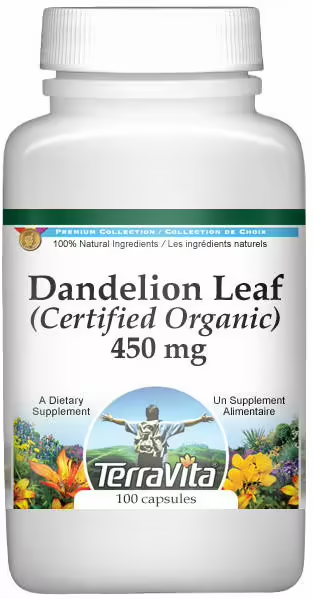
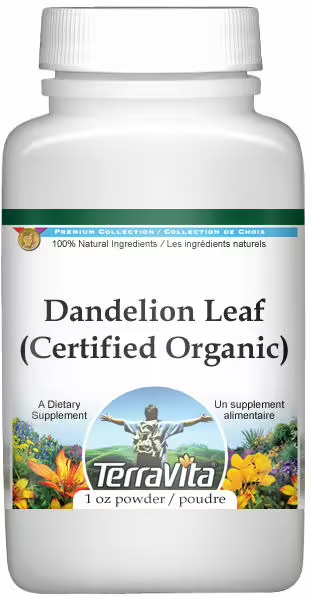
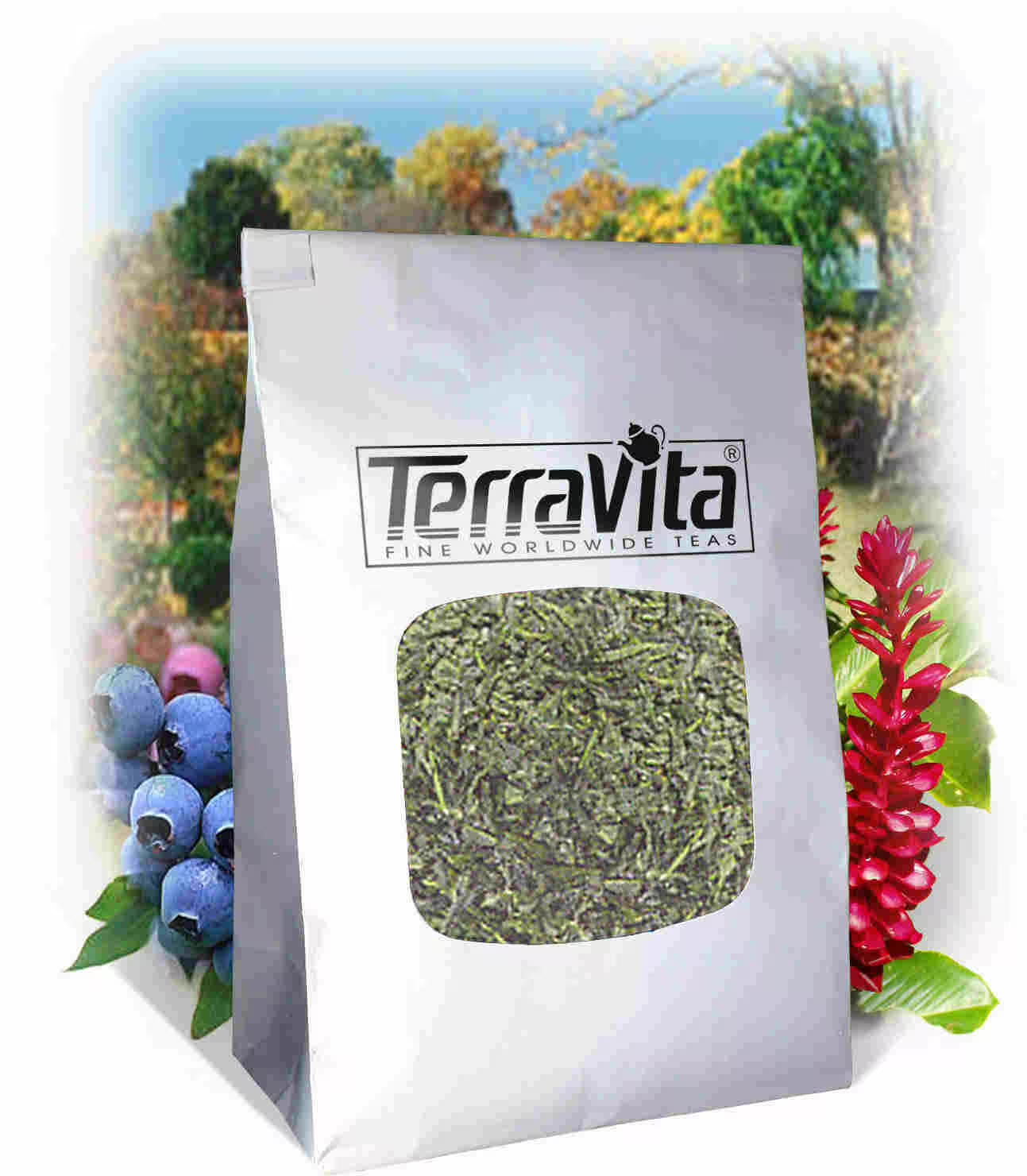
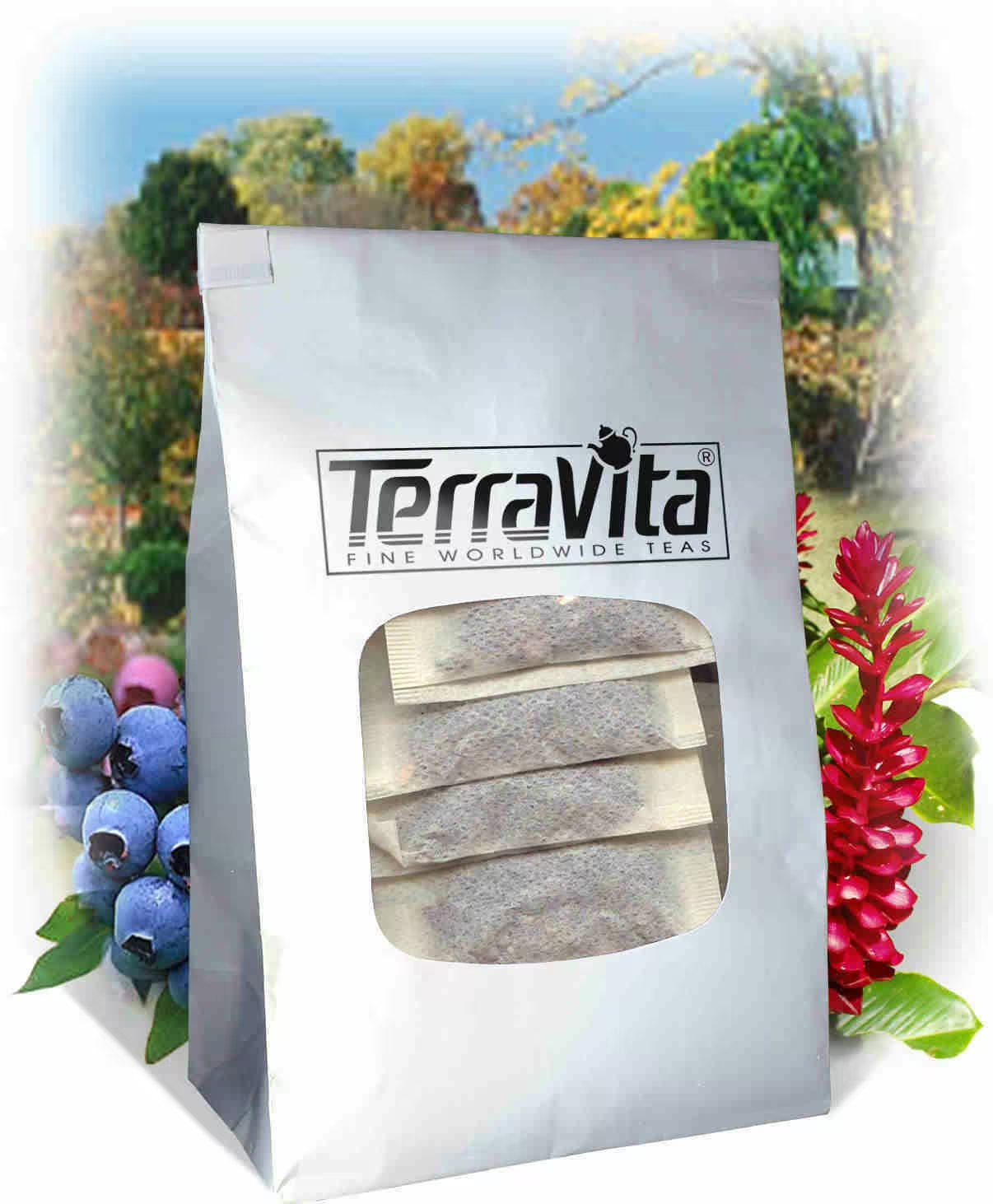
Dandelion Leaf
| Images | Product Name | Size | ZIN | Price | Quantity | Add to Cart |
| Dandelion Leaves Tea | 50 tea bags | 427115 | $29.34 | |||
| Dandelion Leaves Tea (Loose) | 4 oz | 427112 | $15.25 | |||
| 8 oz | 427113 | $23.70 | ||||
| Dandelion Leaves Tea | 25 tea bags | 427114 | $19.24 | |||
| Dandelion Leaf Glycerite Liquid Extract (1:5) | 1 oz - No Flavor | 512799 | $18.57 | |||
| 1 oz - Strawberry | 512800 | $19.50 | ||||
| 1 oz - Mint | 513183 | $19.50 | ||||
| 1 oz - Chocolate | 513184 | $19.50 | ||||
| 1 oz - Vanilla | 513185 | $19.50 | ||||
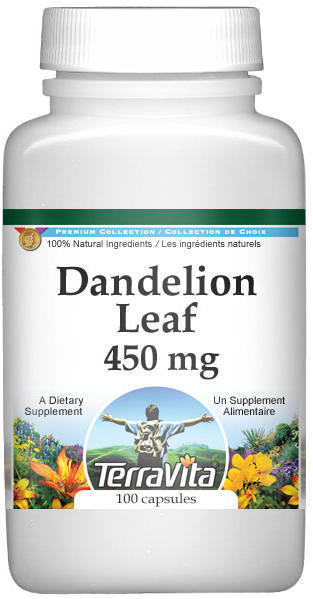
| Dandelion Leaf - 450 mg | 100 capsules | 511209 | $22.84 | |||
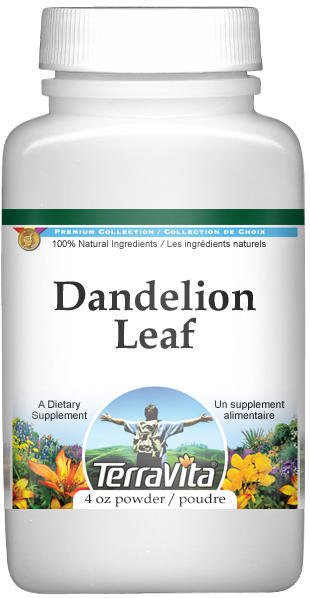
| Dandelion Leaf Powder | 4 oz | 511210 | $19.34 | |||
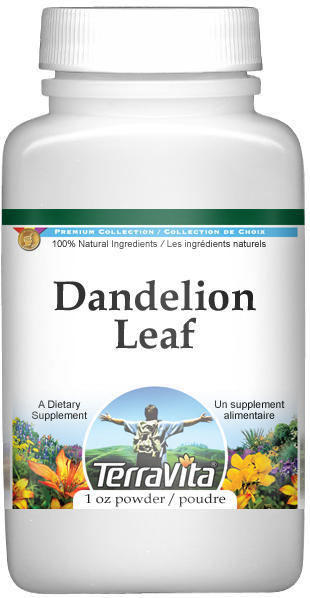
| 1 oz | 511211 | $10.61 | ||||
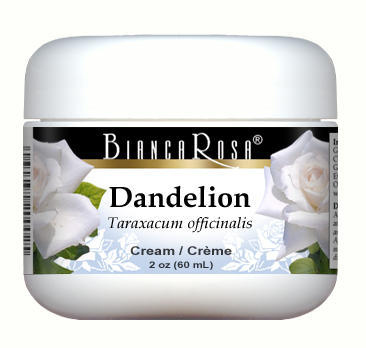
| Dandelion Leaf Cream | 2 oz | 512797 | $28.71 | |||
| Dandelion Leaf - Salve Ointment | 2 oz | 512798 | $35.69 | |||
| Dandelion Leaf (Certified Organic) - 450 mg | 100 capsules | 517633 | $22.84 | |||
| Dandelion Leaf (Certified Organic) Powder | 4 oz | 517634 | $19.34 | |||
| 1 oz | 517635 | $10.61 | ||||
| Dandelion Leaf (Certified Organic) Tea (Loose) | 4 oz | 517636 | $17.17 | |||
| 8 oz | 517637 | $27.25 | ||||
| Dandelion Leaf (Certified Organic) Tea | 25 tea bags | 517638 | $20.47 | |||
| 50 tea bags | 517639 | $31.55 |
TerraVita is an exclusive line of premium-quality, natural source products that use only the finest, purest and most potent ingredients found around the world. TerraVita is hallmarked by the highest possible standards of purity, potency, stability and freshness. All of our products are prepared with the highest elements of quality control, from raw materials through the entire manufacturing process, up to and including the moment that the bottles or bags are sealed for freshness and shipped out to you. Our highest possible standards are certified by independent laboratories and backed by our personal guarantee.
TerraVita strives to make all of our products affordable and reliable and are constantly searching the market to maintain our affordability and to look for new ways to serve you and the ones you love. TerraVita has become a trusted household name for many families and can bring you and yours the very best herbal supplements, blends, teas and spices that are on the market today.
TerraVita is packed in tamper-proof, food-grade, recyclable containers.
ZooScape is proud to be the exclusive distributor of TerraVita teas, herbs and supplements in the United States, Canada and around the world. Please direct all wholesale and bulk inquiries to 1-844-449-0444.
Bianca Rosa is an exclusive line of premium-quality natural products sourced from only the finest and purest ingredients from around the world. Bianca Rosa is hallmarked by the highest possible standards of purity, stability and freshness. All Bianca Rosa products are prepared with the highest level of quality control, from the raw materials used through the entire manufacturing process, up to and including the moment that the finished product is sealed for freshness and shipped to you. Our highest possible standards backed by our personal guarantee.
Bianca Rosa makes all products as affordable as possible and we are constantly searching the market to maintain our affordability and to look for new ways to serve you. Bianca Rosa has been a trusted household name for many families throughout the world since the 1990s. Bianca Rosa is packed in tamper-proof, recyclable containers.
ZooScape is proud to be the exclusive distributor of all Bianca Rosa products, including creams, salves and oils in the United States, Canada and around the world. Please direct all wholesale and bulk inquiries to 1-844-449-0444.
These statements have not been evaluated by the Food and Drug Administration (FDA). Products are intended to support general well being and are not intended to treat, diagnose, prevent, or cure any condition or disease.
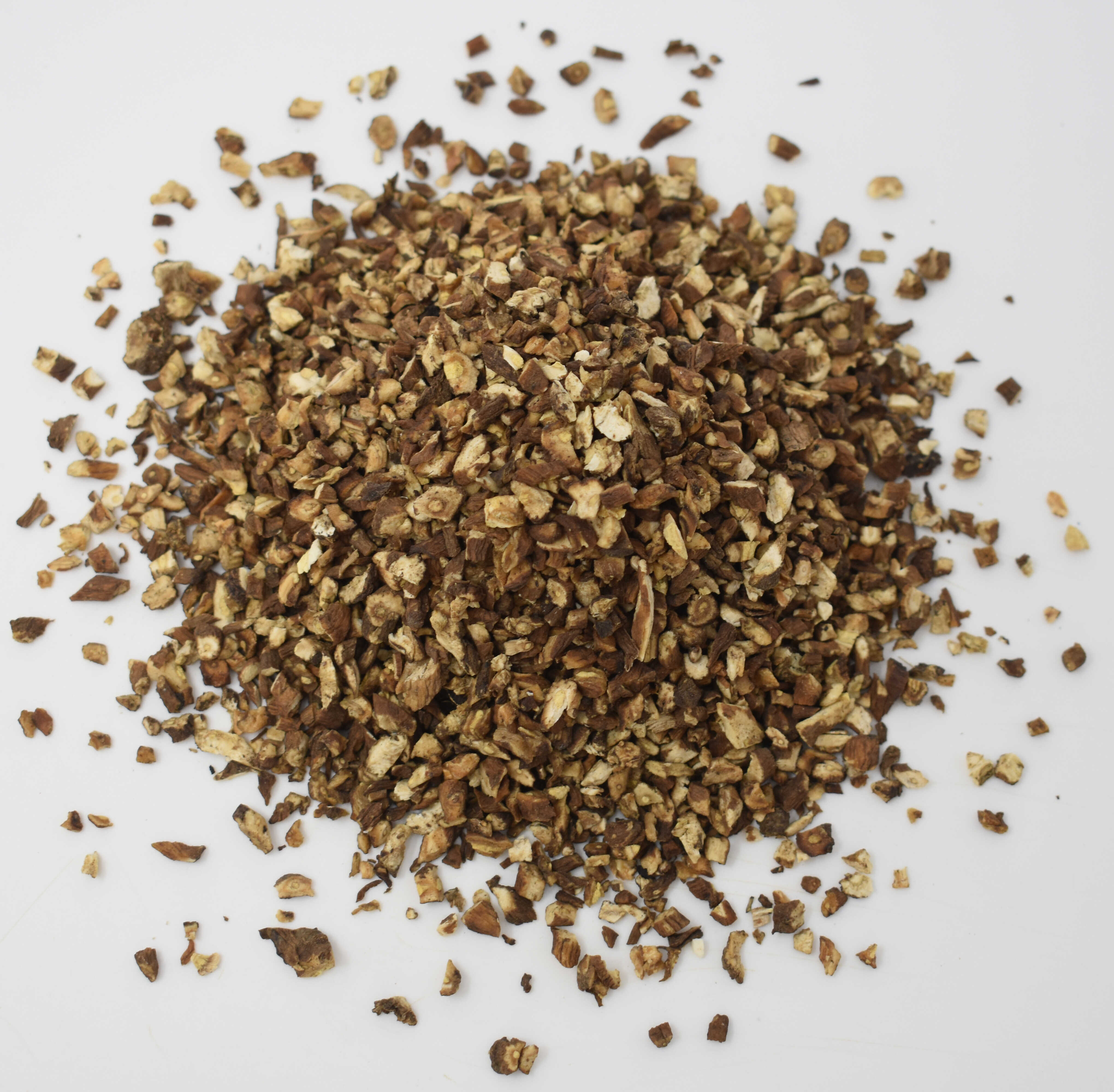
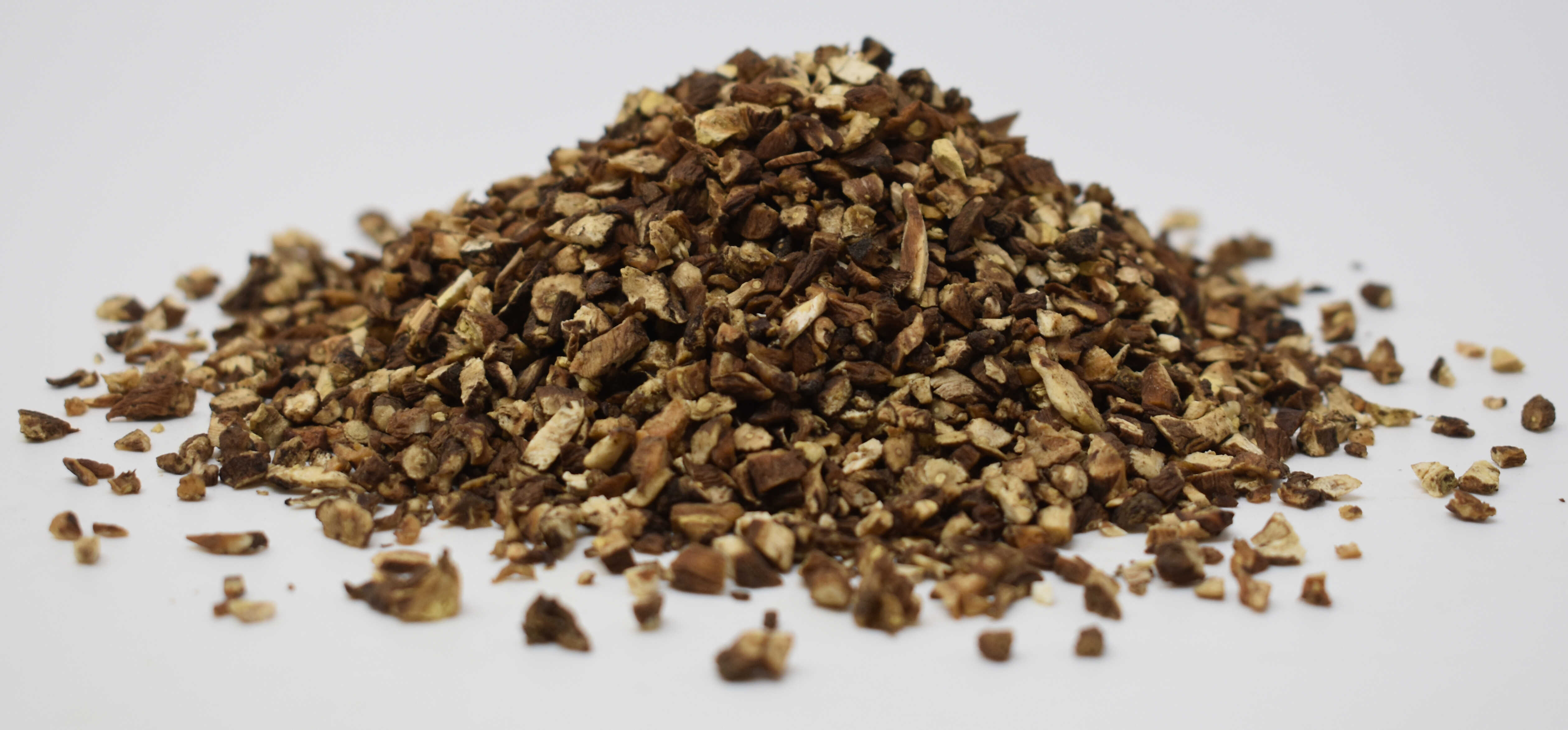
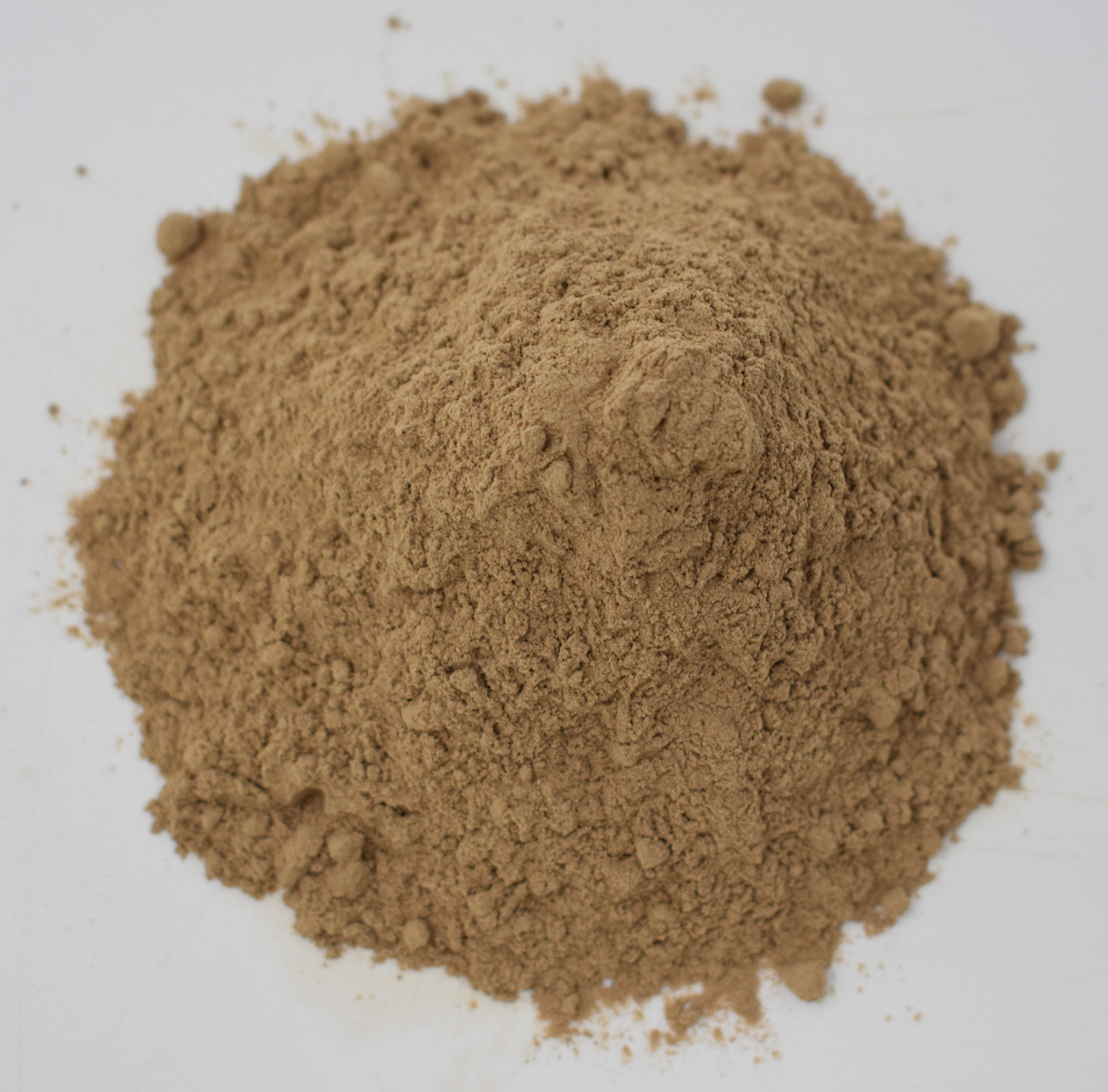
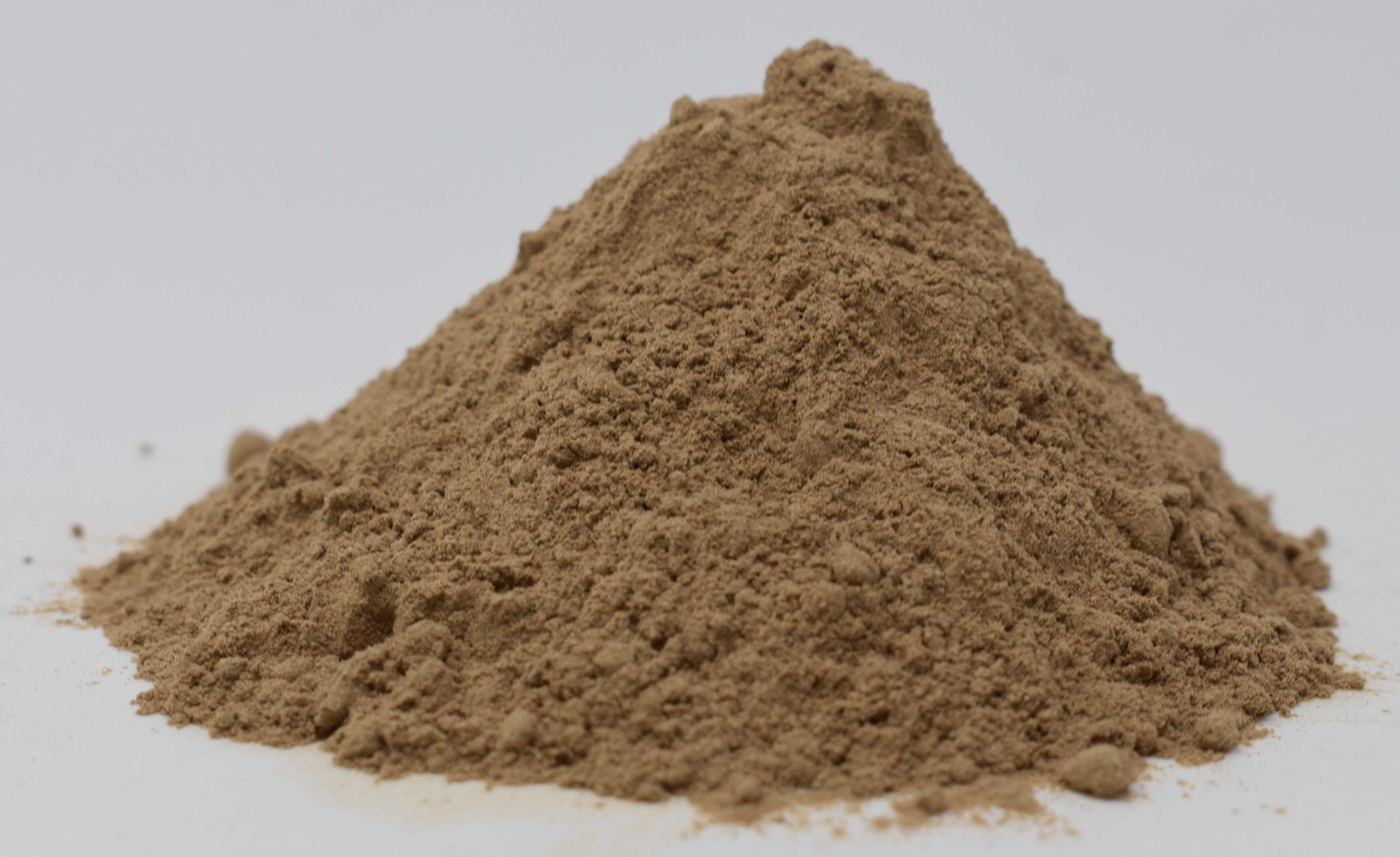
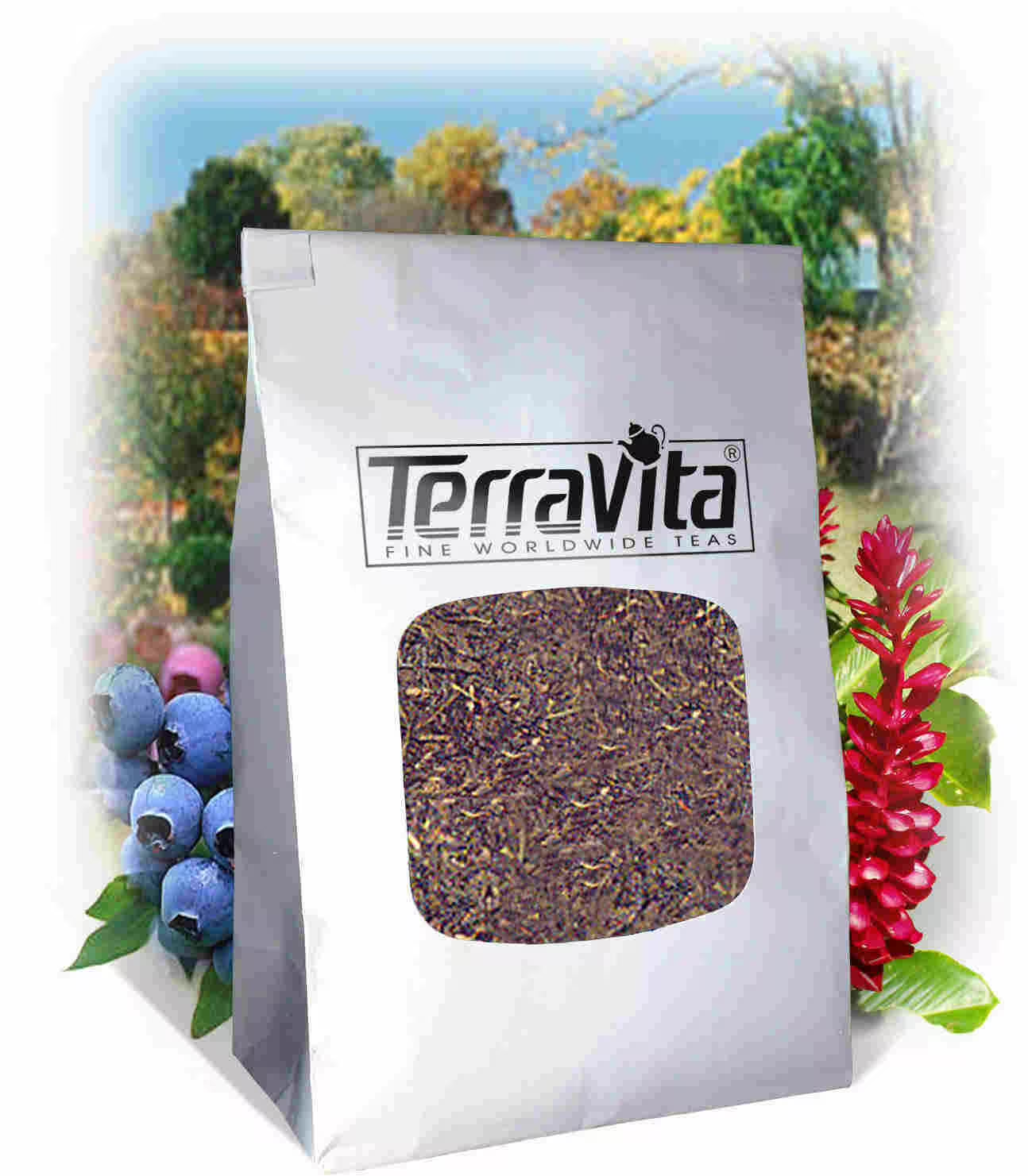
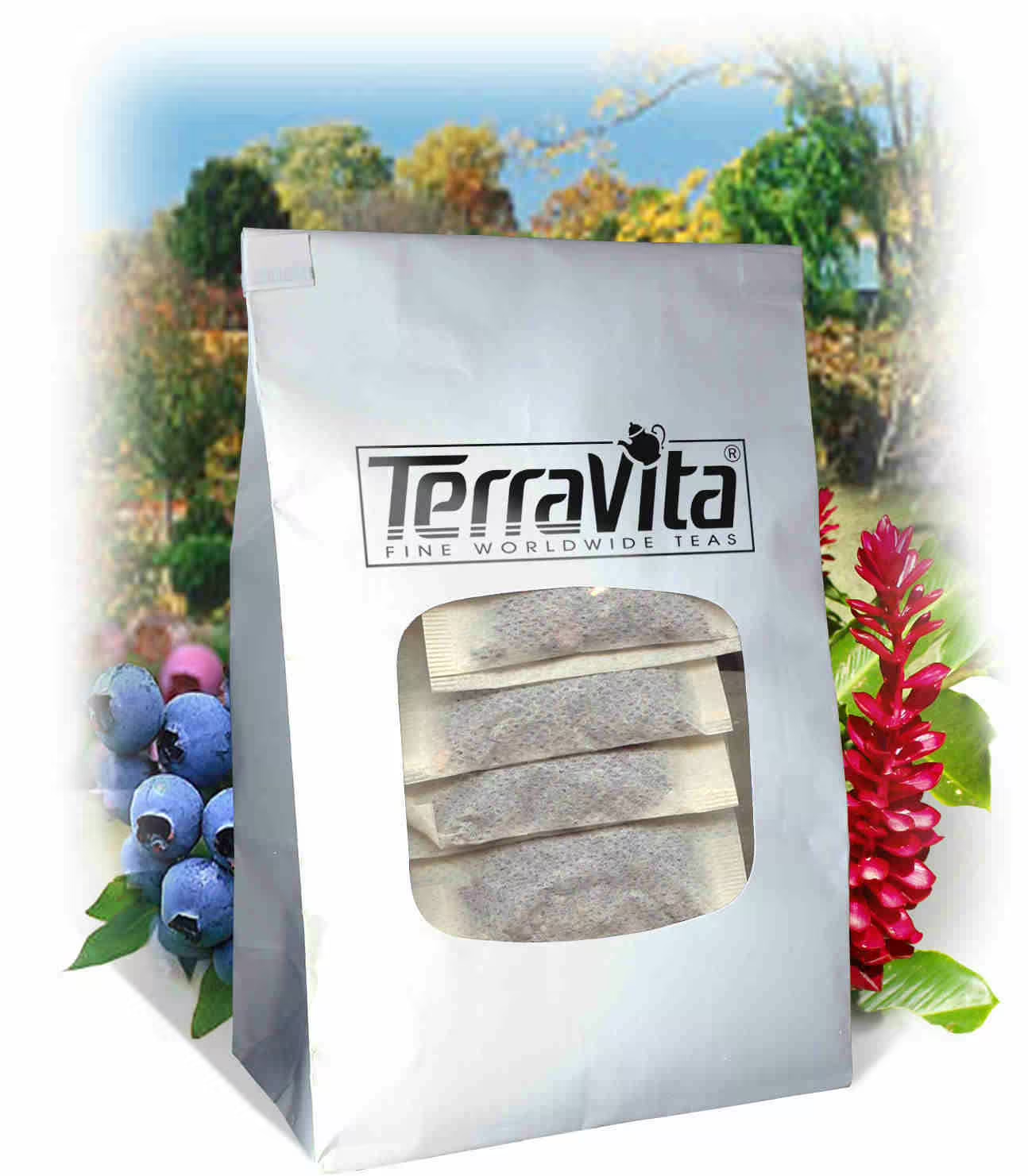
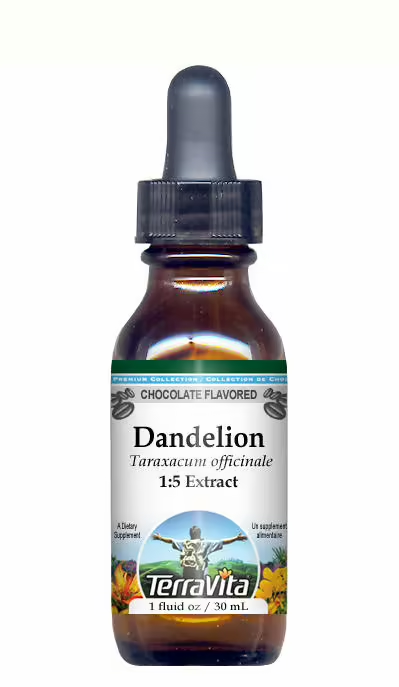
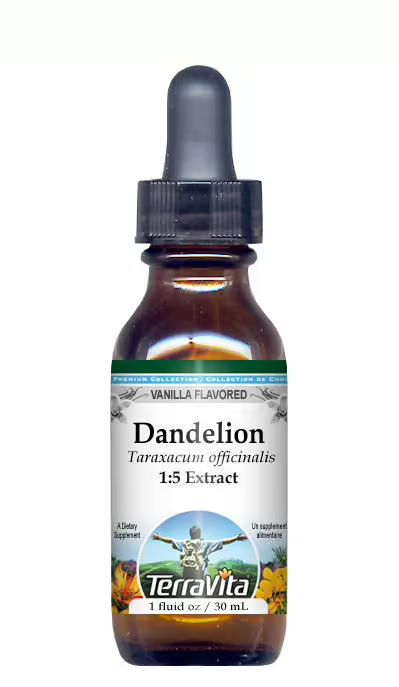
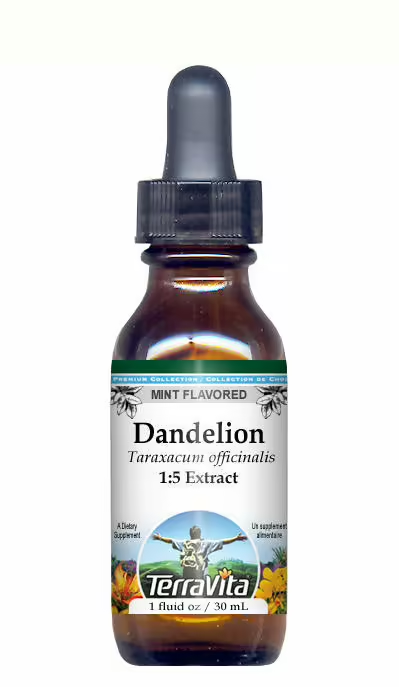
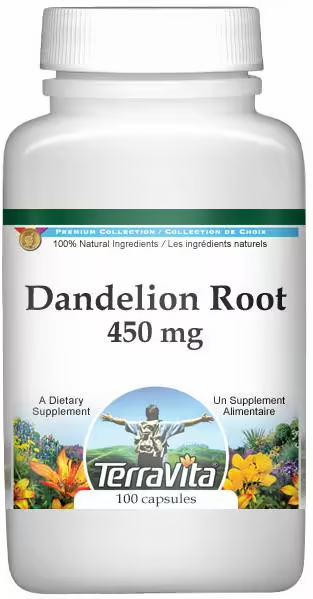
Dandelion Root
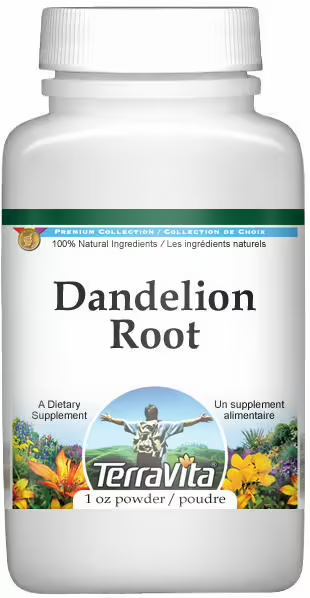
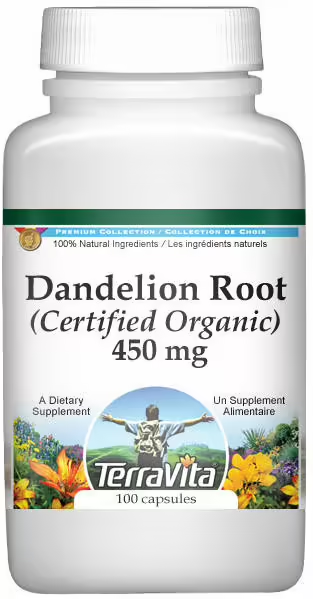
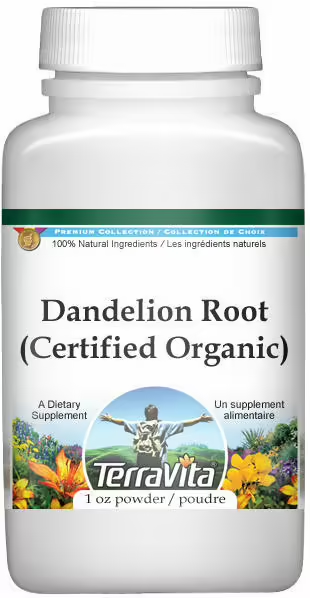
| Images | Product Name | Size | ZIN | Price | Quantity | Add to Cart |
| Dandelion Root Tea (Loose) | 4 oz | 427116 | $18.64 | |||
| 8 oz | 427117 | $29.97 | ||||
| Dandelion Root Tea | 50 tea bags | 427119 | $33.24 | |||
| 25 tea bags | 427118 | $21.40 | ||||
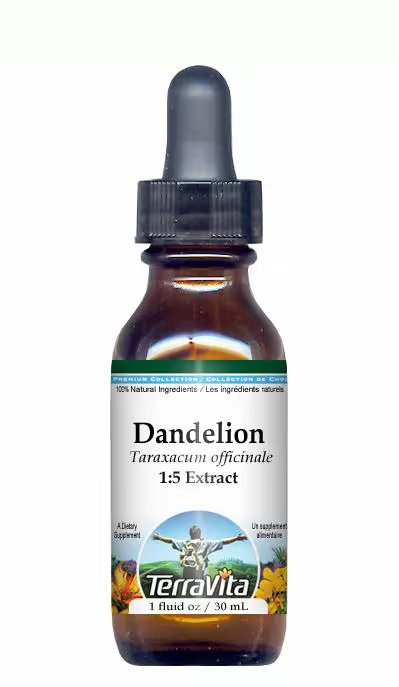
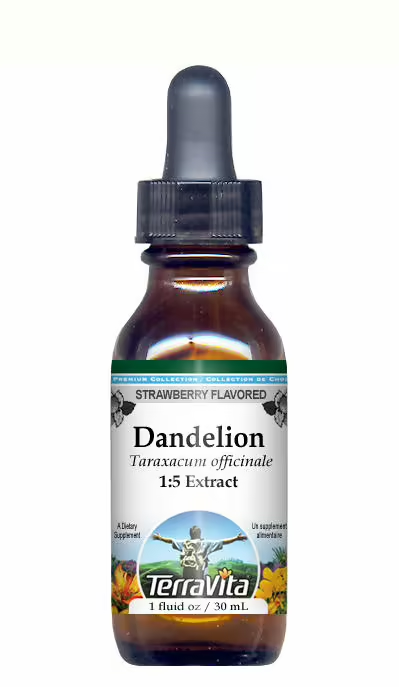
| Dandelion Root - Glycerite Liquid Extract (1:5) | 1 fl oz - No Flavor | 428036 | $18.69 | |||
| 1 fl oz - Strawberry | 428037 | $19.62 | ||||
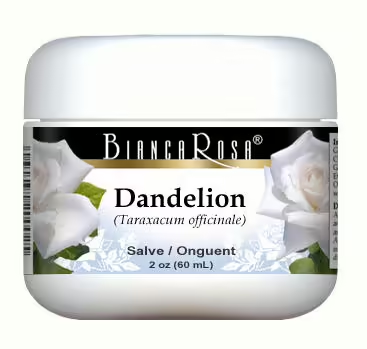
| Dandelion Root - Salve Ointment | 2 oz | 428038 | $35.72 | |||
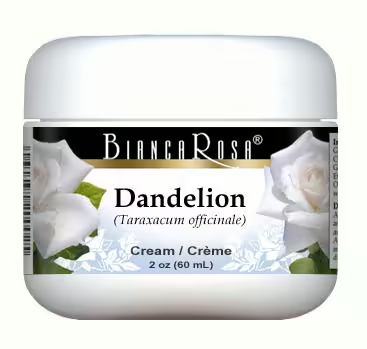
| Dandelion Root - Cream | 2 oz | 428039 | $28.76 | |||
| Dandelion Root - Glycerite Liquid Extract (1:5) | 1 fl oz - Chocolate | 428209 | $19.62 | |||
| 1 fl oz - Vanilla | 428233 | $19.50 | ||||
| 1 fl oz - Mint | 428290 | $19.50 | ||||
| Dandelion Root - 450 mg | 100 capsules | 511212 | $23.51 | |||
| Dandelion Root Powder | 4 oz | 511213 | $20.48 | |||
| 1 oz | 511214 | $10.92 | ||||
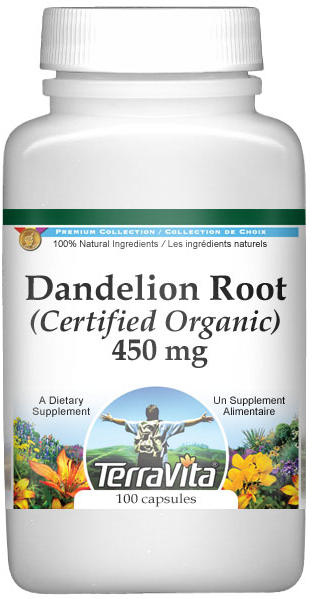
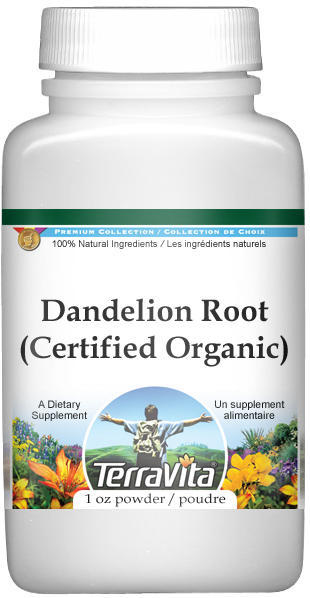
| Dandelion Root (Certified Organic) - 450 mg | 100 capsules | 517640 | $25.42 | |||
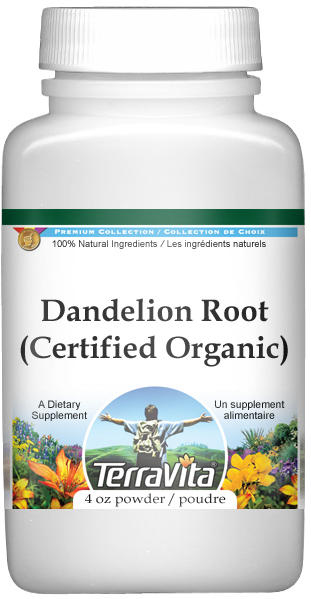
| Dandelion Root (Certified Organic) Powder | 4 oz | 517641 | $24.47 | |||
| 1 oz | 517642 | $11.49 |
TerraVita is an exclusive line of premium-quality, natural source products that use only the finest, purest and most potent ingredients found around the world. TerraVita is hallmarked by the highest possible standards of purity, potency, stability and freshness. All of our products are prepared with the highest elements of quality control, from raw materials through the entire manufacturing process, up to and including the moment that the bottles or bags are sealed for freshness and shipped out to you. Our highest possible standards are certified by independent laboratories and backed by our personal guarantee.
TerraVita strives to make all of our products affordable and reliable and are constantly searching the market to maintain our affordability and to look for new ways to serve you and the ones you love. TerraVita has become a trusted household name for many families and can bring you and yours the very best herbal supplements, blends, teas and spices that are on the market today.
TerraVita is packed in tamper-proof, food-grade, recyclable containers.
ZooScape is proud to be the exclusive distributor of TerraVita teas, herbs and supplements in the United States, Canada and around the world. Please direct all wholesale and bulk inquiries to 1-844-449-0444.
Bianca Rosa is an exclusive line of premium-quality natural products sourced from only the finest and purest ingredients from around the world. Bianca Rosa is hallmarked by the highest possible standards of purity, stability and freshness. All Bianca Rosa products are prepared with the highest level of quality control, from the raw materials used through the entire manufacturing process, up to and including the moment that the finished product is sealed for freshness and shipped to you. Our highest possible standards backed by our personal guarantee.
Bianca Rosa makes all products as affordable as possible and we are constantly searching the market to maintain our affordability and to look for new ways to serve you. Bianca Rosa has been a trusted household name for many families throughout the world since the 1990s. Bianca Rosa is packed in tamper-proof, recyclable containers.
ZooScape is proud to be the exclusive distributor of all Bianca Rosa products, including creams, salves and oils in the United States, Canada and around the world. Please direct all wholesale and bulk inquiries to 1-844-449-0444.
These statements have not been evaluated by the Food and Drug Administration (FDA). Products are intended to support general well being and are not intended to treat, diagnose, prevent, or cure any condition or disease.