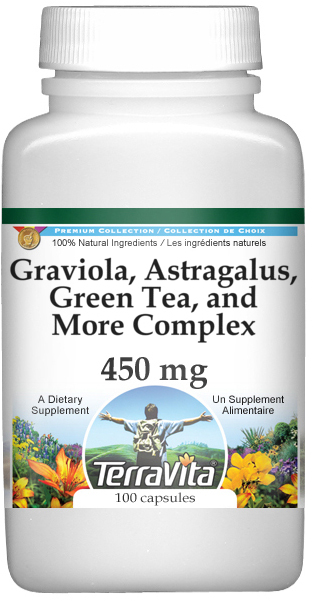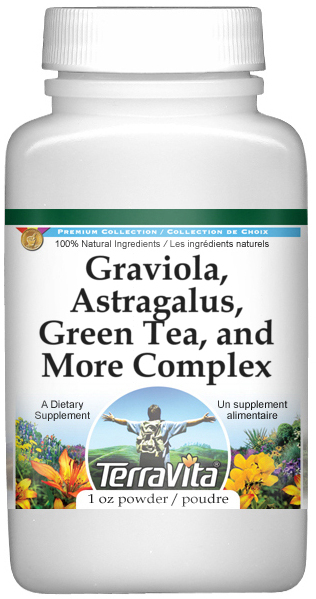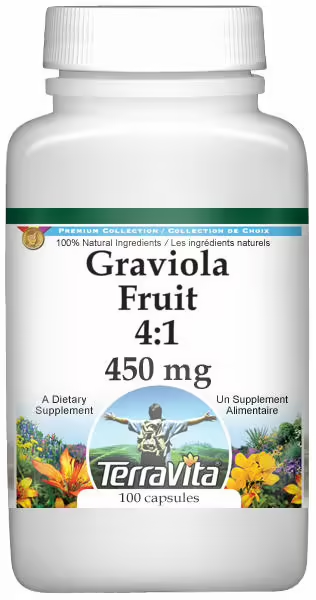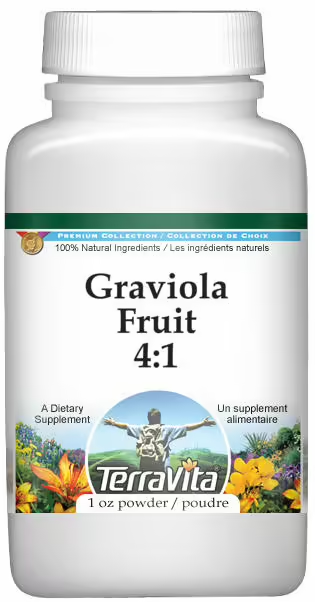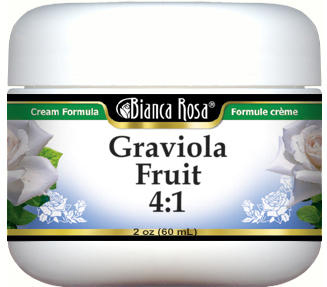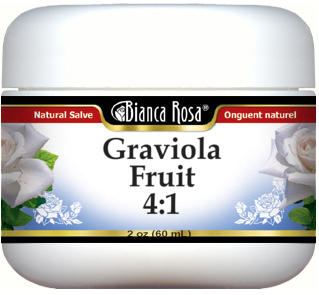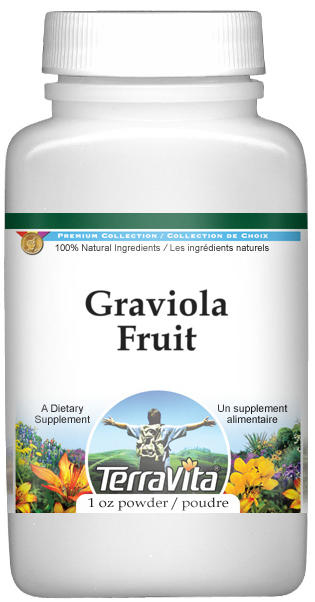
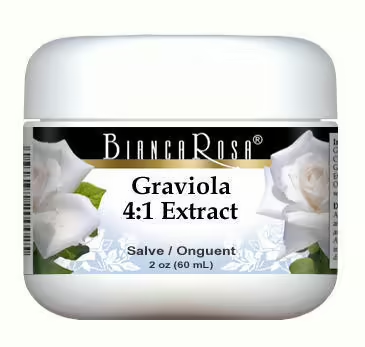

Extra Strength Graviola (Soursop) 4:1 Extract - 1800 mg,TerraVita,buy,purchase,graveola,graviloa,gravola,soursop,soursap,sour sop,sour s
Books
Sign In | View Cart Cart | Wish List | Help
ToysHealthPersonalAdultBaby
Home & Garden
Checkout Now »
Cart Cart Cart
0 Items
Cart
100% Safe and Private!
Search     for:    
Phone - 1-800-760-8783
Books
You are here: Home > Health > Herbs > G > GraviolaHealth

Herbs
G
Galangal
Garcinia Cambogia HCA Citrimax
Garlic
Gelatin
Gentian Root
Geranium Root
Ginger Root
Ginkgo Biloba
Ginseng, American (Panax qui.)
Ginseng, Asian (Panax gin.)
Ginseng, Siberian (Eleuthero)
GLA (Gamma Linolenic Acid)
Glucomannan (Konjac)
Glucosamine
Goldenrod
Goldenseal
Gotu Kola
Grape Seed Extract / Skins
Grape Vine
Grapefruit Seed Extract
Gravel Root
Graviola
Green Cabbage
Green Tea Extract
Grindelia
Guar Gum
Guarana
Guggulipid (Commiphora mukul)
Gymnema Sylvestre


Questions?

Telephone Us Now!

1-800-760-8783
1-905-494-1785

Email us now!
 
All Products - #3 of 12:   Previous  Previous  Next  Next
View: All Products (12) | Pill Blends (1) | Pills (2) | Powder Blends (2) | Powders (4) | Creams, Salves and Gels (2)

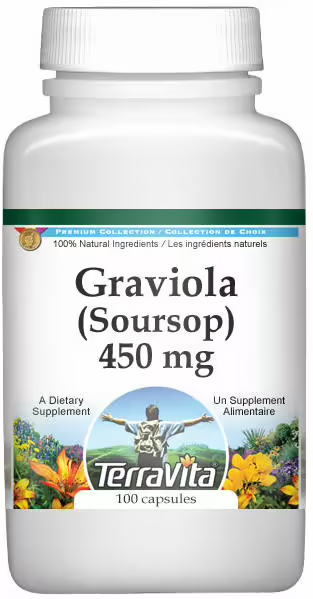
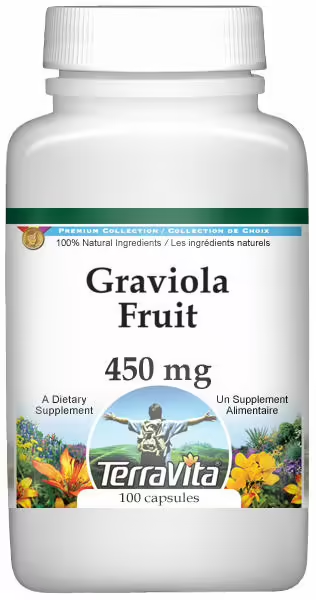
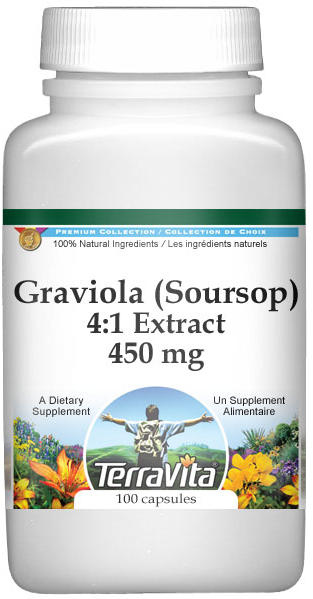
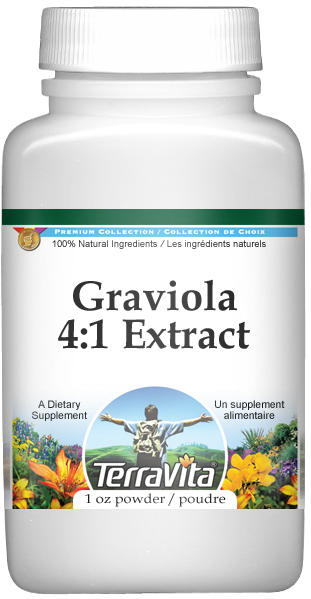
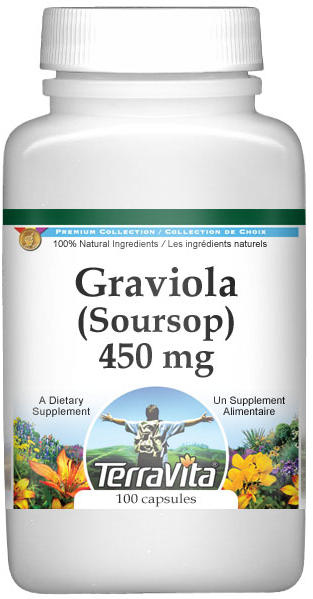
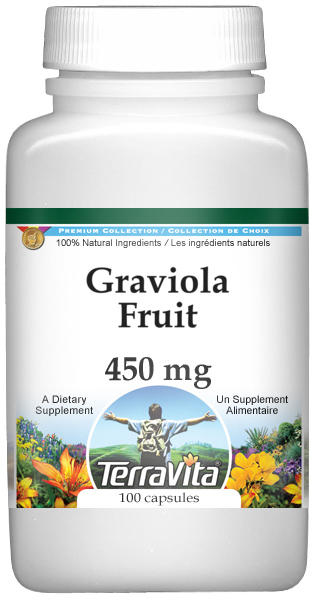
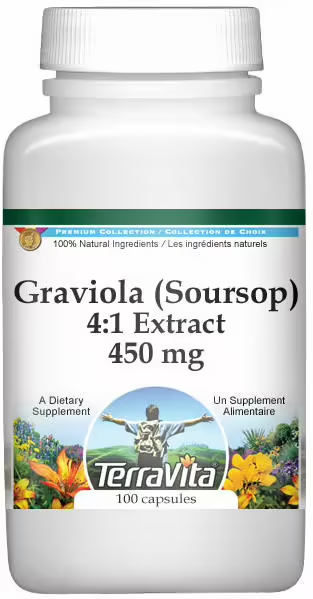
Extra Strength Graviola (Soursop) 4:1 Extract - 1800 mg
Graviola Has A Long, Rich History In Herbal Medicine! *
100 capsules

Extra Strength Graviola (Soursop) 4:1 Extract - 1800 mg

Enlarge Photo
Label Photograph
 
Traditionally used to treat diarrhea, dysentry, head lice, neuralgia, heart conditions, asthma, hypertension, parasites and much more! *


Graviola (Soursop)
"A must product for those with diabetis."  -- Barron (Consultant)

More Info below.
 
  Our Price: $28.30 US
  
Click button to Buy.  
  In Stock - Ships Right Now!Add To Wish ListAdd To Wish List  

Specifications

ZIN Product Number: 511048
Size: 100 capsules
Weight: 0.20 lbs (0.09 KG)
Size (inches): 1.77" X 1.77" X 3.94"
Size (cm): 4.5 cm X 4.5 cm X 10.0 cm

Manufacturer:
TerraVita

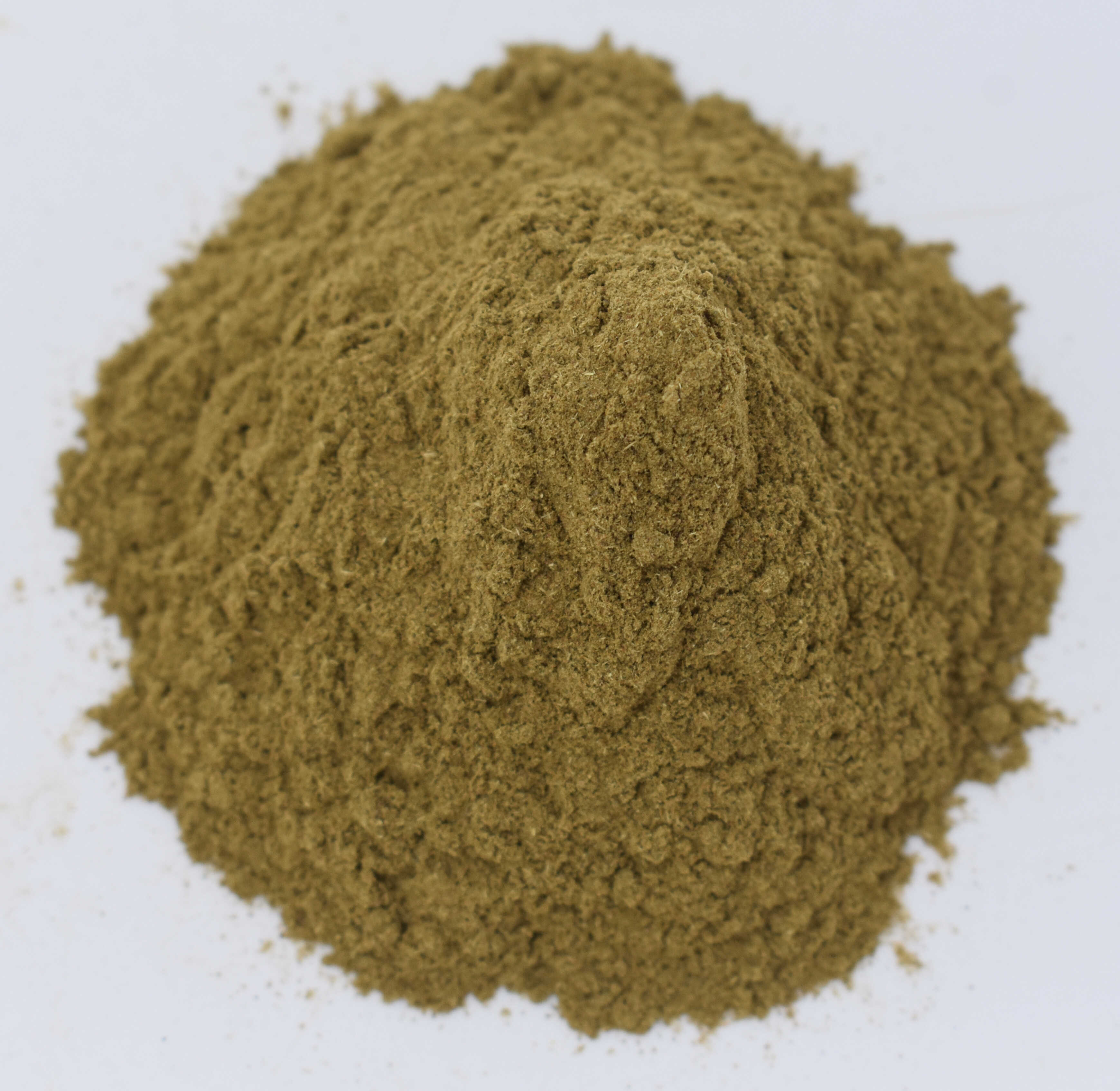
Ingredients: Graviola (Soursop) (1800 mg) (Standardized Extract) (4:1)

Other Ingredients: Gelatin, Water

* Please Note: Traditional Use information is provided as a courtesy only. Although we have done our best to review the validity of these uses and we continue to revise this information as new data emerges, the traditional uses indicated on this page for this product may be wrong. This information is based on Traditional and Folklore Medicine which uses natural materials to support health. This information has not been evaluated or approved by the FDA and is not necessarily based on scientific evidence from any source. These statements have not been evaluated by the Food and Drug Administration (FDA). These products are intended to support general well being and are not intended to treat, diagnose, mitigate, prevent, or cure any condition or disease. If conditions persist, please seek advice from your medical doctor.
Add To Wish ListAdd To Wish List  


Description

Graviola is a small, upright evergreen tree, 5-6 m high, with large, glossy, dark green leaves. It produces a large, heart-shaped, edible fruit that is 15-23 cm in diameter, is yellow-green in color, and has white flesh inside. Graviola is indigenous to most of the warmest tropical areas in South and North America, including the Amazon. The fruit is sold in local markets in the tropics, where it is called guanbana in Spanish-speaking countries and graviola in Brazil. The fruit pulp is excellent for making drinks and sherbets and, though slightly sour-acid, can be eaten out of hand.

All parts of the graviola tree are used in natural medicine in the tropics, including the bark, leaves, roots, fruit, and fruit seeds. Different properties and uses are attributed to the different parts of the tree. Generally, the fruit and fruit juice are taken for worms and parasites, to cool fevers, as a lactagogue (to increase mother's milk after childbirth), and as an astringent for diarrhea and dysentery. The crushed seeds are used as a vermifuge and anthelmintic against internal and external parasites, head lice, and worms. The bark, leaves, and roots are considered sedative, antispasmodic, hypotensive, and nervine, and a tea is made for various disorders toward those effects.

Graviola has a long, rich history of use in herbal medicine as well as lengthy recorded indigenous use. In the Peruvian Andes, a leaf tea is used for catarrh (inflammation of mucous membranes) and the crushed seed is used to kill parasites. In the Peruvian Amazon the bark, roots, and leaves are used for diabetes and as a sedative and antispasmodic. Indigenous tribes in Guyana use a leaf and/or bark tea as a sedative and heart tonic. In the Brazilian Amazon a leaf tea is used for liver problems, and the oil of the leaves and unripe fruit is mixed with olive oil and used externally for neuralgia, rheumatism, and arthritis pain. In Jamaica, Haiti, and the West Indies, the fruit and/or fruit juice is used for fevers, parasites and diarrhea, and as a lactagogue; the bark or leaf is used as an antispasmodic, sedative, and nervine for heart conditions, coughs, grippe, difficult childbirth, asthma, asthenia, hypertension, and parasites.

Many bioactive compounds and phytochemicals have been found in graviola, as scientists have been studying its properties since the 1940s. Its many uses in natural medicine have been validated by scientific research. Several studies by different researchers demonstrated that the bark as well as the leaves had hypotensive, antispasmodic, anticonvulsant, vasodilator, smooth-muscle relaxant, and cardiodepressant activities in animals. Researchers verified graviola leaf's hypotensive properties in rats again in 1991. Several studies over the years have demonstrated that leaf, bark, root, stem, and seed extracts of graviola are antibacterial in vitro against numerous pathogens, and that the bark has antifungal properties. Graviola seeds demonstrated active antiparasitic properties in a 1991 study, and a leaf extract showed to be active against malaria in two other studies (in 1990 and 1993). The leaves, root, and seeds of graviola demonstrated insecticidal properties, with the seeds demonstrating strong insecticidal activity in an early 1940 study. In a 1997 clinical study, novel alkaloids found in graviola fruit exhibited antidepressive effects in animals.

In a 1976 plant screening program by the National Cancer Institute, graviola leaves and stem showed active cytotoxicity against cancer cells and researchers have been following up on these findings since. Much of the cancer research on graviola focuses on a novel set of phyto-chemicals called Annonaceous acetogenins. Graviola produces these natural compounds in its leaf and stem, bark, and fruit seeds. Three separate research groups have isolated these acetogenin compounds in graviola which have demonstrated significant antitumorous and anticancerous properties, and selective toxicity against various types of cancer cells (without harming healthy cells) publishing eight clinical studies on their findings. Many of the acetogenins have demonstrated selective toxicity to tumor cells at very low dosages - as little as 1 part per million. Four studies were published in 1998 which further specify phytochemicals and acetogenins which are demonstrating the strongest anticancerous, antitumorous, and antiviral properties. Thus far, specific acetogenins in graviola have been reported to be selectively toxic to these types of tumor cells: lung carcinoma cell lines; human breast solid tumor lines; prostate adenocarcinoma; pancreatic carcinoma cell lines; colon adenocarcinoma cell lines; liver cancer cell lines; human lymphoma cell lines; and multi-drug resistant human breast adenocarcinoma.

Annonaceous acetogenins are only found in the Annonaceae family (to which graviola belongs). In general, various Annonaceous acetogenins in the plant family have been documented with antitumorous, antiparasitic, pesticidal, antiprotozoal, antifeedant, anthelmintic, and antimicrobial activities. Mode of action studies in three separate laboratories have recently determined that these acetogenins are superb inhibitors of enzyme processes that are only found in the membranes of cancerous tumor cells. Purdue University, in West Lafayette, Indiana, has conducted a great deal of the research on the acetogenins, much of which has been funded by The National Cancer Institute and/or the National Institute of Health (NIH). Thus far, Purdue University and/or its staff have filed at least nine U.S. and/or international patents on their work around the antitumorous and insecticidal properties and uses of these acetogenins. In one of their reviews, titled "Recent Advances in Annonaceous Acetogenins," they state, "Recently, we reported that the Annonaceous acetogenins can selectively inhibit the growth of cancerous cells and also inhibit the growth of adriamycin resistant tumor cells. As more acetogenins have been isolated and additional cytotoxicity assays have been conducted, we have noticed that, although most of acetogenins have high potencies among several solid human tumor cell lines, some of the derivatives within the different structural types and some positional isomers showed remarkable selectivities among certain cell lines; e.g., against prostate cancer (PC-3). We now understand the primary modes of action for the acetogenins. They are potent inhibitors of NADH: ubiquinone oxidoreductase, which is in an essential enzyme in complex I leading to oxidative phosphorylation in mitochondria. A recent report showed that they act directly at the ubiquinone-catalytic site(s) within complex I and in microbial glucose dehydrogenase. They also inhibit the ubiquinone-linked NADH oxidase that is peculiar to the plasma membranes of cancerous cells."

In 1997, Purdue University published information with promising news that several of the Annonaceous acetogenins ". . . not only are effective in killing tumors that have proven resistant to anticancer agents, but also seem to have a special affinity for such resistant cells." In several interviews after this information was publicized, the head pharmacologist in Purdue's research explained how this worked. As he explains it, cancer cells that survive chemotherapy can develop resistance to the agent originally used as well as to other, even unrelated, drugs. This phenomenon is called multi-drug resistance (MDR). One of the ways that cancer cells develop resistance to chemotherapy drugs is by creating an intercellular efflux pump called a P-glycoprotein mediated pump. These types of pumps are capable of pushing anticancer agents out of the cell before they can kill it. On average, only about two percent of the cancer cells in any given person might develop this pump - but they are the two percent that can eventually grow and expand to create multi-drug-resistant tumors. Some of the latest research on acetogenins reported that they were capable of shutting down these intercellular pumps, thereby killing MDR tumors. Purdue researchers reported that the acetogenins preferentially killed multi-drug-resistant cancer cells by blocking the transfer of ATP - the chief source of cellular energy - into them. A tumor cell needs energy to grow and reproduce, and a great deal more to run its pump and expel attacking agents. By inhibiting energy to the cell, it can no longer run its pump. When acetogenins block ATP to the tumor cell over time, the cell no longer has enough energy to operate sustaining processes - and it dies. Normal cells seldom develop such a pump; therefore, they don't require large amounts of energy to run a pump and, generally, are not adversely affected by ATP inhibitors. Purdue researchers reported that 14 different acetogenins tested thus far demonstrate potent ATP blocking properties (including several found only in graviola). They also reported that 13 of these 14 acetogenins tested were more potent against MDR breast cancer cells than all three of the standard drugs (adriamycin, vincristine, and vinblastine) they used as controls.

An interesting in vivo study was published in March of 2002 by researchers in Japan, who were studying various acetogenins found in several species of plants. They inoculated mice with Lewis lung carcinoma cancer cells. One third received nothing, one third received the chemotherapy drug adriamycin, and one third received the main graviola acetogenin, annonacin (at a dosage of 10 mg/kg). At the end of two weeks, five of the six in the untreated control group were still alive and lung tumor sizes were then measured. The adriamycin group showed a 54.6% reduction of tumor mass over the control group - but 50% of the animals had died from toxicity (three of six). The mice receiving annonacin were all still alive, and the tumors were inhibited by 57.9% - slightly better than adriamycin - and without toxicity. This led the researchers to summarize; "This suggested that annonacin was less toxic in mice. On considering the antitumor activity and toxicity, annonacin might be used as a lead to develop a potential anticancer agent." Its important to note, however, that annonacin only inhibited the normal growth of the lung tumors during this two-week period; it did not eradicate the tumors nor stop their growth altogether.

Cancer research is ongoing on these important plants and plant chemicals, as several pharmaceutical companies and universities continue to research, test, patent, and attempt to synthesize these chemicals into new chemotherapeutic drugs. In addition, researchers have reported that NADH dehydrogenase inhibitors can suppress HIV infection. As this is a familiar property of Annonaceous acetogenins, several acetogenins found in graviola and other Annona plants have been submitted to the NIH anti-AIDS screening program by Purdue University; research work is continuing in this area as well.

One researcher summarized his work eloquently: "At the time of preparation (August 1998) of this current review, over 350 Annonaceous acetogenins have been isolated from 37 species. Our preliminary efforts show that about 50%, of over 80 Annonaceous species screened, are significantly bioactive and are worthy of fractionation; thus, this class of compounds can be expected to continue to grow at an exponential rate in the future, provided that financial support for such research efforts can be found. With the demise of the world's tropical rain forests, such work is compelling before the great chemical diversity, contained within these endangered species, is lost." Perhaps - if enough people believe that the possible cure for cancer or AIDS truly is locked away in a rainforest plant - we will take the steps needed to protect our remaining rainforests from destruction.
 

User Group Forum
Share your questions and information with the ZooScape community!
Anonymous - May 15, 2006, 17:16#10000499
QuestionCan I take this product 'Extra Strength Graviola (Soursop) 4:1 Extract - 1800 mg' with other products like Reishi? I'm interested about different anti-cancer products
Regards Pawe& #322; from Poland
ZooScape Moderator - May 17, 2006, 12:06#10001386
There are no documented specific drug interactions for graviola extract. However, because of its hypotensive, vasodilator, and cardiodepressant activities demonstrated in animal studies, graviola is contraindicated for people with low blood pressure. Large single doses have elicited effects that include nausea, vomiting, and uterine stimulation in animals. Graviola may enhance the antihypertensive and cardiac depressant effects of certain drugs. It may also have an influence on some antidepressant drugs and interfere with MAO-inhibitor drugs.

Reishi may interfere with certain anti-coagulant or anti-platelet medications like heparin and warfarin, so these should be avoided. Reishi, like graviola, may also cause additional hypotensive effects if combined with certain antihypertensives.

As far as interactions with one another, there doesn't seem to be any documented evidence why graviola and reishi cannot be taken together. It would be advisable to consult a qualified healthcare practitioner before attempting to put into place an alternative healthcare program; any potential side effects or adverse reactions from medications can be foreseen and avoided.

Red clover is another herb that has frequently been used for cancer treatments; studies have shown how compounds in red clover may not only shrink enlarge prostates, but can kill prostate cancer cells in the early stages. Laboratory studies have shown that curcumin, the substance found in the spice turmeric, interferes with melanoma cells and may be valuable in the fight against skin cancer. Essiac and Ojibwa 4-herb and 8-herb tea have been used with great success by many people, although there doesn't seem to be any documented scientific evidence to support their claims as a 'cancer remedy.'
Anonymous - April 25, 2006, 14:17#10000189
QuestionI need supplements that are free of allergens and toxins such as mercury. Is the graviola allergen free? Is it toxin free?
ZooScape Moderator - April 26, 2006, 23:06#10001308
Please allow me to provide you with the specifications taken directly from the Certificate of Analysis for Graviola 4:1 Extract. These certificates consist of thorough specifications and microbiological results acquired by an independent laboratory. They accompany every TerraVita product we receive from the manufacturer to satisfy us that we can deliver a product that meets our standards of purity, potency, freshness, and safety.

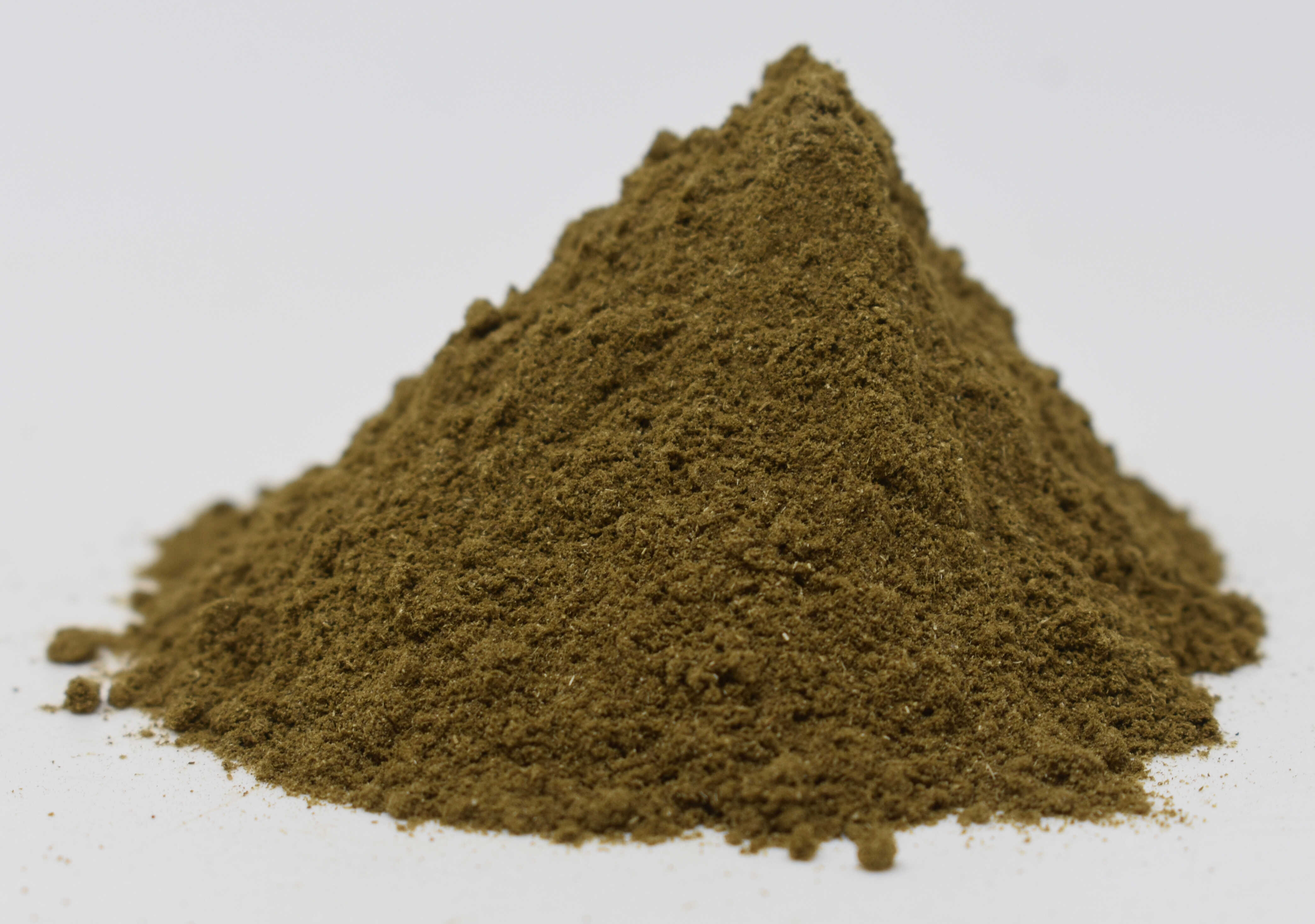
This Graviola powder, ground from the leaves of Annona muricata, is sourced from Ecuador and undergoes a meticulous analysis before it is ever put into capsules and bottled:

* The powder is tested for heavy metals with a tolerance of less than 10ppm (parts per million);

* it is examined to insure that the active compounds (annonaceous acetogenins, annocatalin, annohexocin, annomonicin, annomontacin, and annomuricatin A and B) are in the exact 4:1 extract ratio;

* the moisture content must fall between 3% and 5% (it is most often just over 3%);

* test results for E. coli, salmonella, psedomonas aeruginosa, and staphylococcus aureus must all be negative;

* total plate count must be & lt; 10,000 cfu/g or < 10,000 colony forming units per gram (it is most often < 10 cfu/g);

* yeast and mold results must be < 200 cfu/g (it is most often < 10 cfu/g).

TerraVita gelatin capules are derived from bovine and pork, the most commonly used source for all gelatin capsules on the market used by all manufacturers of prescription and non-prescription encapsulated products. Therefore, anyone with these specific allergies, or those looking for vegetarian supplements should avoid gelatin capsules and only use products encapsulated in the more expensive and less common 'VegiCaps'.


Directions

Take 1 capsule, 3 times daily, with meals.
 

Additional Information

TerraVita is an exclusive line of premium-quality, natural source products that use only the finest, purest and most potent ingredients found around the world. TerraVita is hallmarked by the highest possible standards of purity, potency, stability and freshness. All of our products are prepared with the highest elements of quality control, from raw materials through the entire manufacturing process, up to and including the moment that the bottles or bags are sealed for freshness and shipped out to you. Our highest possible standards are certified by independent laboratories and backed by our personal guarantee.

TerraVita exists to meet and ensure your family's health and wellness without the harmful effects or chemicals and prescription medications. We strive to make all of our products affordable and reliable and are constantly searching the market to maintain our affordability and to look for new ways to serve you and the ones you love. TerraVita has become a trusted household name for many families and can bring you and yours the very best herbal supplements, blends, teas and spices that are on the market today.

TerraVita is packed in childproof, tamper-proof pharmaceutical-grade recyclable containers.

ZooScape is proud to be the exclusive distributor of TerraVita teas, herbs and supplements in the United States, Canada and around the world. Please direct all wholesale and bulk inquiries to Simona Heather at 905-494-1785.


Share Your Review!

Click here to share a review!

Number of Reviews: 2    Average Rating: 5.0

Graviola (Soursop)  Extra Strength Graviola (Soursop) 4:1 Extract - 1800 mg

A must product for those with diabetis.

-- Barron (Profession: Consultant)


  Extra Strength Graviola (Soursop) 4:1 Extract - 1800 mg

-- Mfaique


  Our Price: $28.30 US
  
Click button to Buy.  
  In Stock - Ships Right Now!Add To Wish ListAdd To Wish List  


   People Like You Also Bought...

You may also be interested in:
 
Grape Seed Extract - 50 mg
 
Grape Seed Extract - 50 mg
A-Z Browse!
Vitamins (A-Z)
Herbs (A-Z)
Homeopathy (A-Z)
Essential Oils (A-Z)
Health Interests (A-H)
Health Interests (I-Z)

Share A Review!
Number of Reviews
for this Product:
2
Average Rating
for this Product:
5 Stars
AwfulWonderful  

1

2

3

4

5

Happy Customers
Stinging Nettle Leaf Tea
Nettle Tea Review
PhytoVieOrdering was easy, delivery was quick, service from what I have encountered (no issues) was good. T  [continues ...]

-- NA

Stinging Nettle Leaf Tea

 
Thyme Leaf Tea
Thyme Leaf Tea - 25 tea bags
PhytoVieI was thrilled to be able to buy thyme in bags instead of filling my own tea bags. That's a great ti  [continues ...]

-- Katrina

Thyme Leaf Tea

Bestsellers!
Extra Strength Graviola (Soursop) 4:1 Extract - 1800 mg

TerraVita

 
Graviola (Soursop) - 600 mg

Raintree

 
Graviola (Soursop) - 500 mg - Healthy Cell Support

Now

News!
"Global affect of Asia's pollution."
March 6, 2007
BBC News
Related to: Water


"VIASPACE Delivers Hydrogen Fuel Cell Humidity Sensor."
February 28, 2007
VIASPACE Inc.
Related to: Water


"Corsair Steps Up Performance on USB Drives."
February 28, 2007
Corsair
Related to: Water


Your Special Deal!
Milk Thistle Leaf Tea

TerraVita

Save $3.80
Price: $11.41 US


Make $1 per sale -
Link to ZooScape.com!


These statements have not been evaluated by the Food and Drug Administration (FDA). Products are intended to support general well being and are not intended to treat, diagnose, mitigate, prevent, or cure any condition or disease. If conditions persist, please seek advice from your medical doctor. The essence of the current American rule on Traditional Uses is, as stated by FTC, "Claims based on historical or traditional use should be substantiated by confirming scientific evidence, or should be presented in such a way that consumers understand that the sole basis for the claim is a history of use of the product for a particular purpose."
FTC - Dietary Supplements: An Advertising Guide for Industry


Sign In  |  Shipping  |  Returns  |  Where to Buy  |  About Us  |  Contact Us  |  1-800-760-8783
ZooScape.com

Copyright 1995 - 2008 - ZooScape.com
 
ZooScape.com