
* Please Note: This information is based partly on Traditional Medicine which uses natural materials to support health. This information has not been evaluated or approved by the FDA. These statements have not been evaluated by the Food and Drug Administration (FDA). These products are intended to support general well being and are not intended to treat, diagnose, mitigate, prevent, or cure any condition or disease. If conditions persist, please seek advice from your medical doctor.
Description
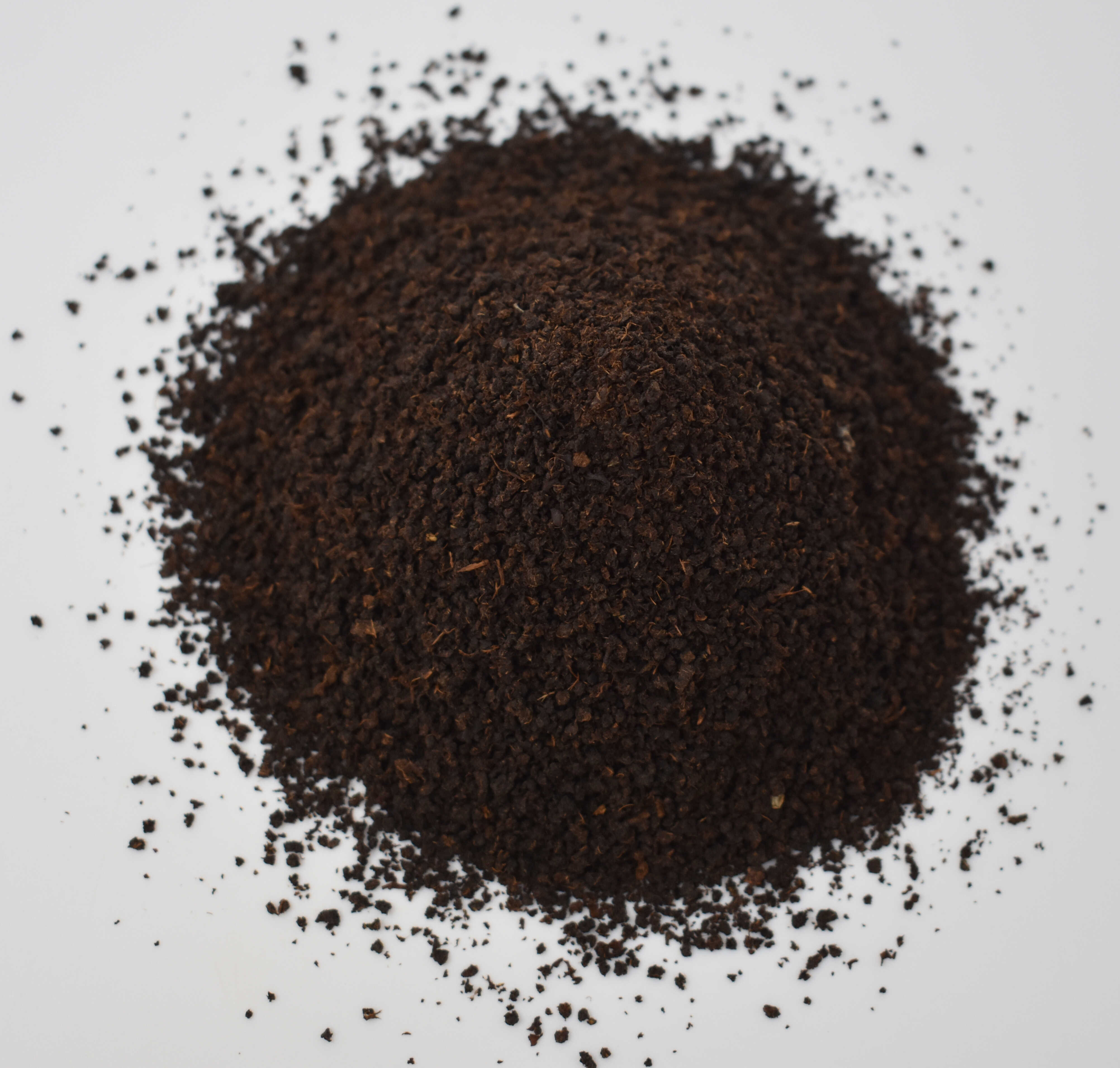
Organic tea is produced without the input of chemical fertilizers or pesticides and herbicides. Normally the yield per acre is lower that when fertilizers or others inputs are utilized, and the leaf can be slightly more mixed than non organic teas. Nevertheless with good manufacturing techniques the cup characteristics can be maintained at a high level. Such is the case with this tea.
Tanzania is a poor country and the use of pesticides and fertilizers is rare even in the Usambara region. In view of this the step to organic husbandry was fairly simple.
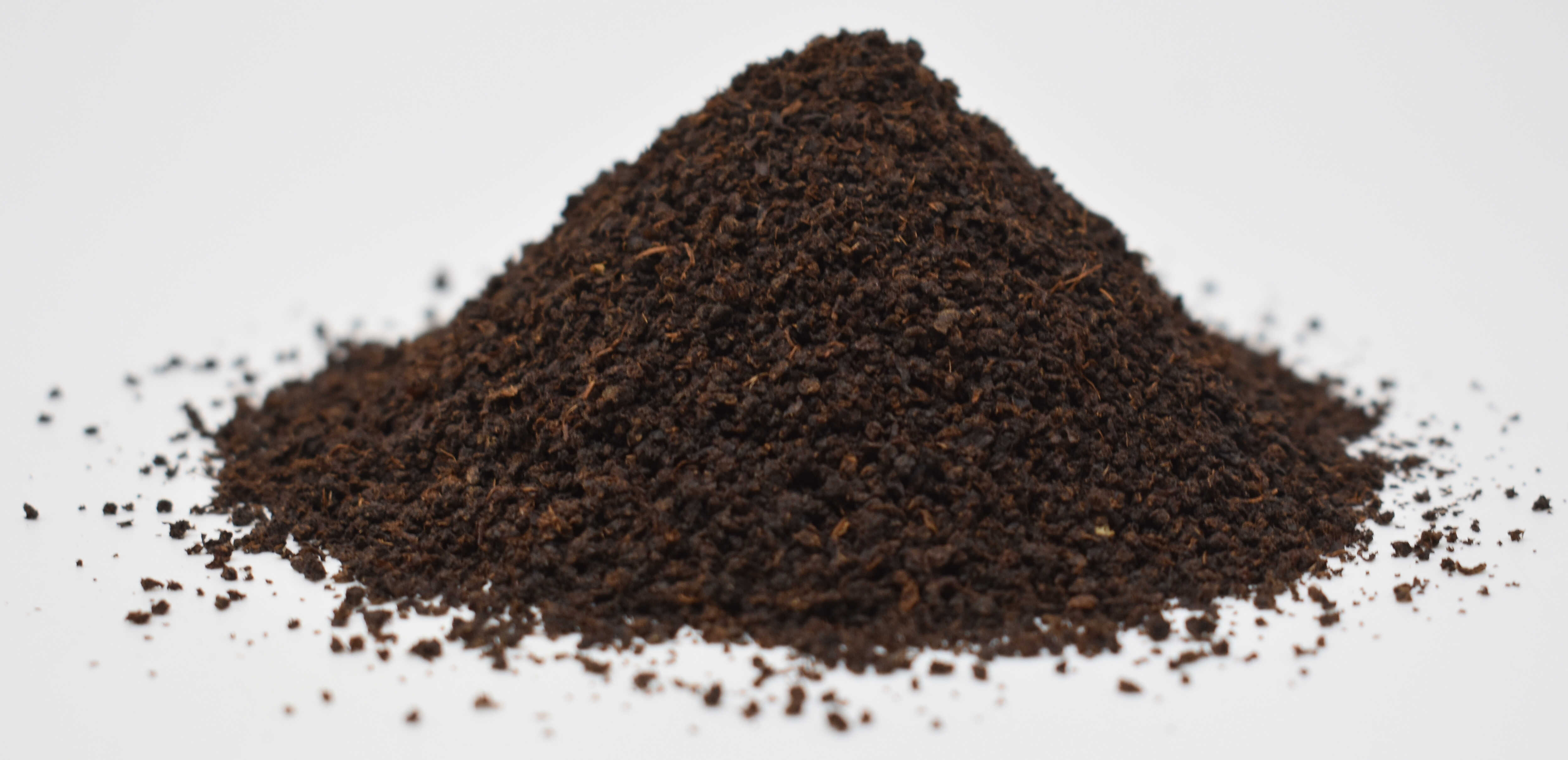
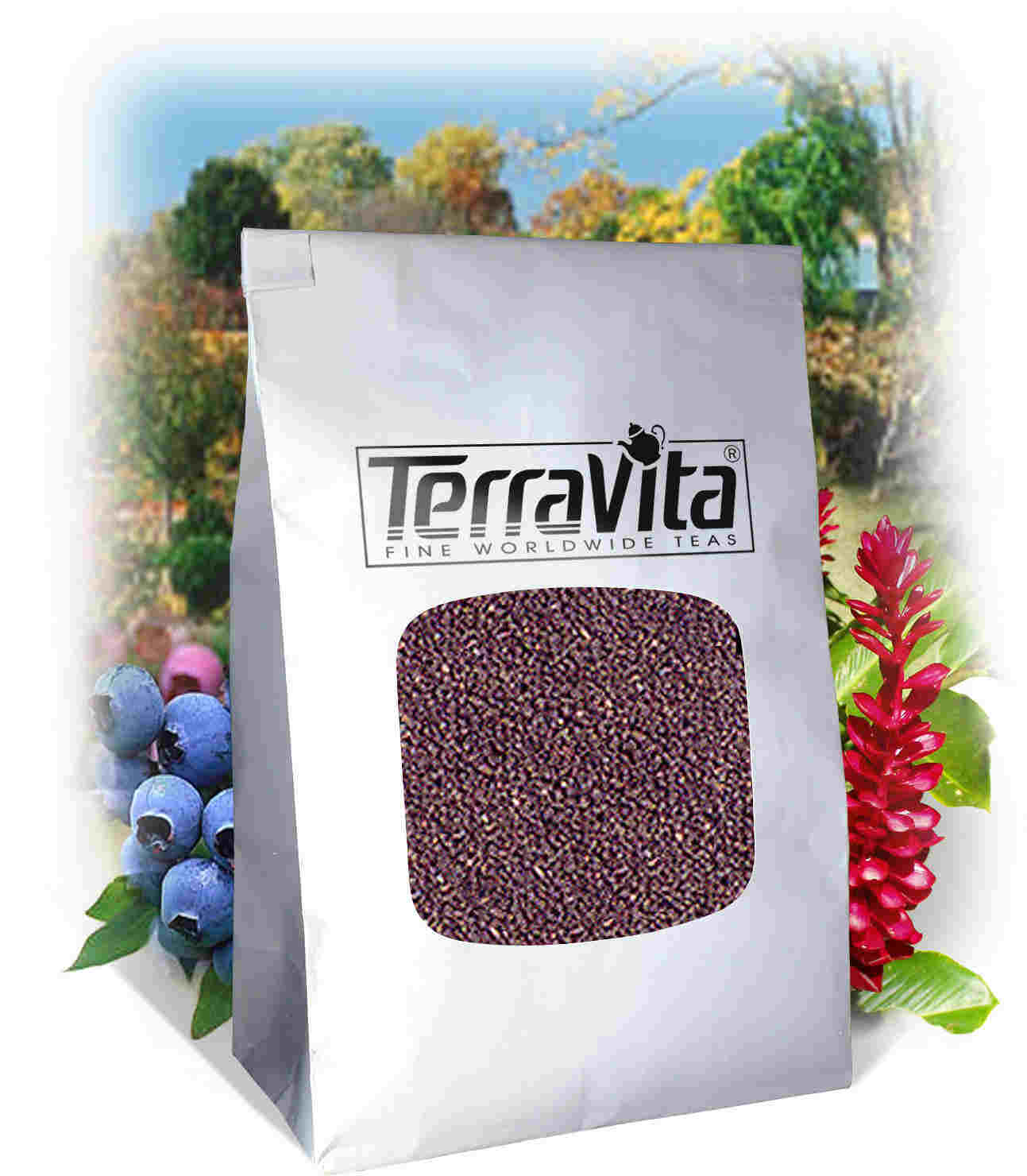
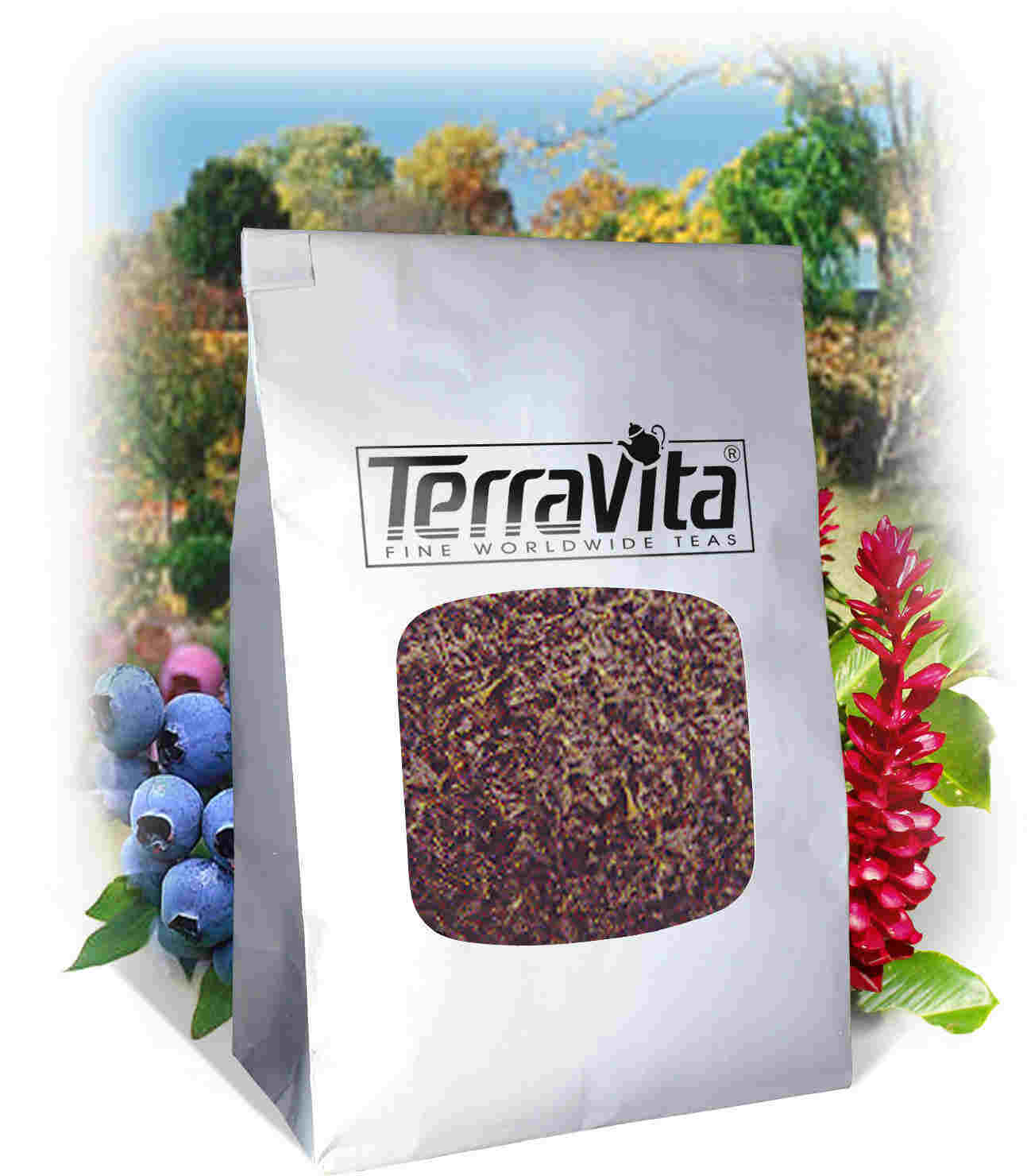
Tanzania is a relatively small producer of tea in world terms. The teas produced are somewhat similar to Kenyan teas in that they have malty tending fruity/flavory characteristics. The production is primarily CTC (cut, torn and curled) which produces a fuller bodied tea but a non traditional (from a specialty tea perspective) visual appearance. This tea is produced in northern Tanzania close to the Kenyan border and not far from a wild life area called The Ngorongo Crater. The soil conditions and altitude combine to give the tea the flavor notes. An interesting and flavory tea which is perfect for afternoon tea or early morning "cuppas."
User Group Forum
Share your questions and information with the ZooScape community!
Be the first to post!
Directions
Hot tea brewing method: Use 2-4 teaspoons of tea per 4 cup tea pot (you vary the strength by the amount of tea used); pour in boiling water that has been freshly drawn. (Do not overboil the water as this will de-oxygenate the water and affect the flavor of the tea). Steep the tea for 2-7 minutes depending upon the strength desired. Stir after 2 minutes (if you used boiling water virtually all the leaves will sink to the bottom), let it stand for another 1 to 5 minutes and then gently pour into your cup. Milk and a dash of sugar will help capture the malty character, but it is perfectly acceptable to consume this tea "straight-up."
Iced tea brewing method: (to make 1liter/quart): Place 5 teaspoons of tea into a teapot or heat resistant pitcher. Pour 1 1/4 cups of freshly boiled water over the tea. Steep for 5 minutes. Quarter fill a serving pitcher with cold water. Pour the tea into your serving pitcher straining the leaves. Add ice and top-up the pitcher with cold water. Garnish and sweeten to taste. A rule of thumb when preparing fresh brewed iced tea is to double the strength of hot tea since it will be poured over ice and diluted with cold water. This tea tends to "cloud" or go "milky" when poured over ice. This commonly happens with high quality teas.
Label Information
Shipping Port: Tanga
Altitude: between 4500 and 5600 above sea level
Manufacture Type: CTC (Cut Torn Curled)
Cup Characteristics: A full bodied malty character with some fruity hints. Takes milk very well
Infusion: Bright, reddish coppery color
Additional Information
ZooScape is proud to be the exclusive distributor of TerraVita teas, herbs and supplements in the United States, Canada and around the world. Please direct all wholesale and bulk inquiries to Simona Heather at 905-494-1785.
These statements have not been evaluated by the Food and Drug Administration (FDA). Products are intended to support general well being and are not intended to treat, diagnose, mitigate, prevent, or cure any condition or disease. If conditions persist, please seek advice from your medical doctor. The essence of the current American rule on Traditional Uses is, as stated by FTC, "Claims based on historical or traditional use should be substantiated by confirming scientific evidence, or should be presented in such a way that consumers understand that the sole basis for the claim is a history of use of the product for a particular purpose."