
* Please Note: This information is based partly on Traditional Medicine which uses natural materials to support health. This information has not been evaluated or approved by the FDA. These statements have not been evaluated by the Food and Drug Administration (FDA). These products are intended to support general well being and are not intended to treat, diagnose, mitigate, prevent, or cure any condition or disease. If conditions persist, please seek advice from your medical doctor.
Description
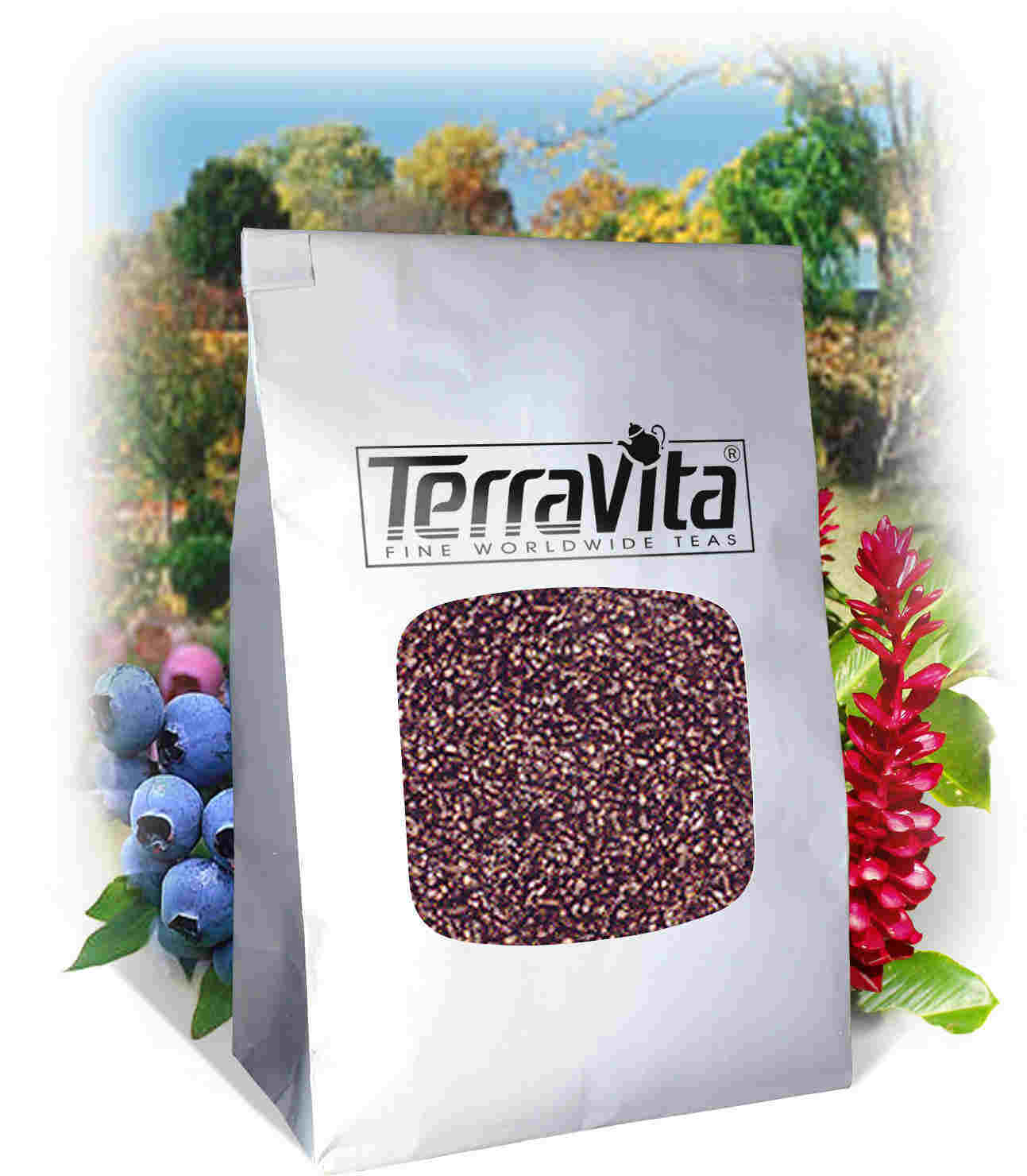
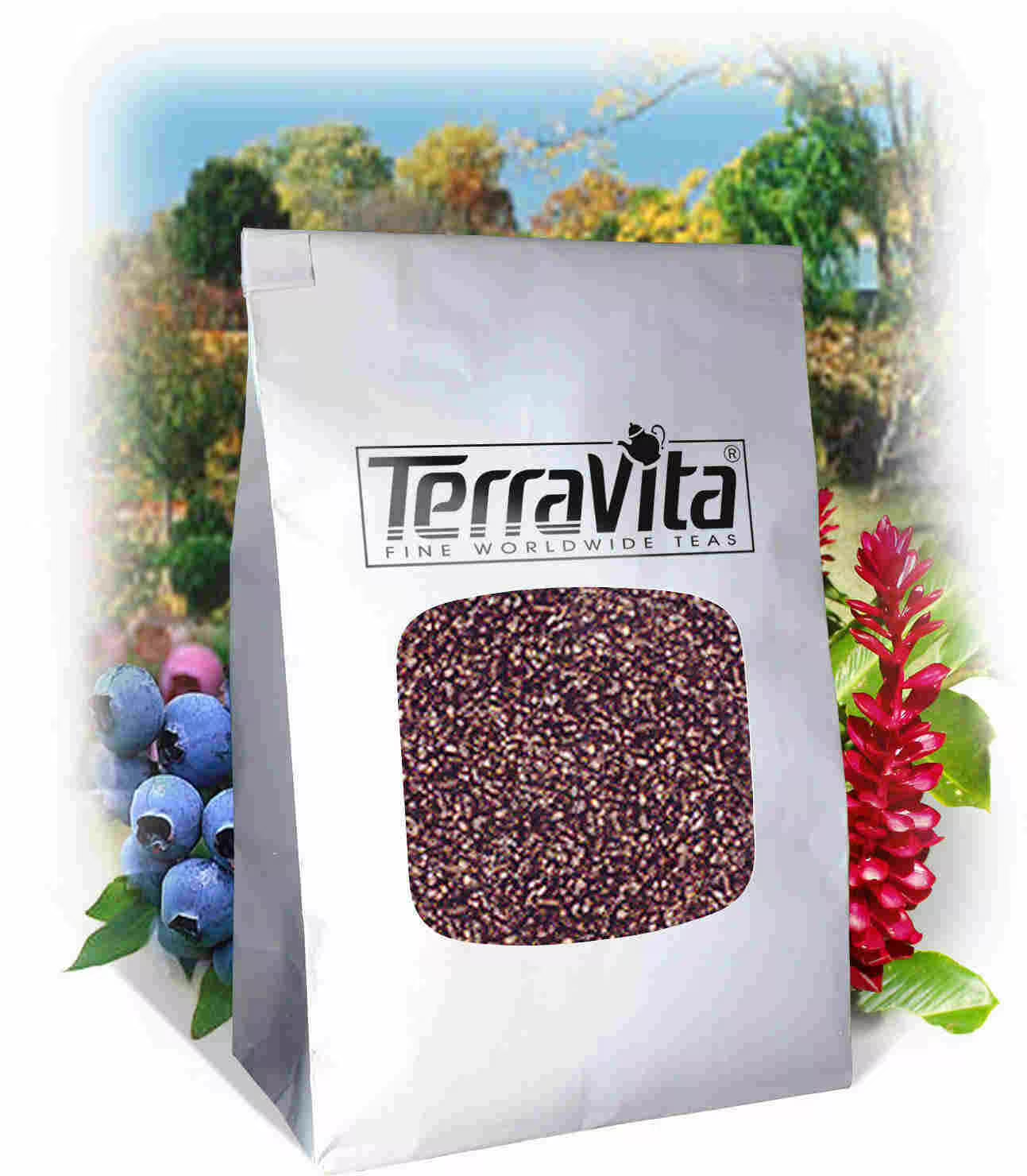
Chisunga is one of Malawi's better known teas. It is used quite extensively by the large tea blenders the world over. It has a character that tends to be somewhat malty but not overpowering. In tea tasting and tea blenders jargon, Malawi's (Malawi teas) are somewhat flavor neutral with reddish color, tending to mimic a Kenyan and generally slightly less expensive than a Kenya. Malawis are good for iced tea blends since they give good color and tend not to make the iced tea become cloudy.
Malawi, one of the more interesting tea producing nations is a landlocked country, bordered by Zambia, Zimbabwe, Mozambique, and Tanzania. The shortest distance to the sea from the center of landlocked Malawi is due south through Mozambique to the port of Beira. Regrettably, this route is fraught with danger. Mozambique has a considerable amount of guerrilla and anti-government activity (regardless of which government is in power). In the past it was not uncommon for rail lines and road links to be blown up or convoys attacked. As such, all the products from and for Malawi now take the following circuitous route. In the example of tea, it is trucked from Blantyre through a 150 mile corridor of Zimbabwe and then south to Johannesburg and finally by rail to the seaport at Durban, an overland route that is 1500 miles long compared to the 150 miles direct from Limbe to Beira. These problems were witnessed first-hand during a trip to Malawi in the late 1980's. During a stay at a tea estate called Zoa (on the border with Mozambique), there was a 6 hour battle taking place between two factions (the battle took place just 3000 yards down the road and across the river in Mozambique) Heavy caliber machine guns, mortars and two airplanes all entered into the fray. According to the estate owner, "Don't worry this goes on quite often."
User Group Forum
Share your questions and information with the ZooScape community!
Be the first to post!
Directions
Hot tea brewing method: Bring freshly drawn cold water to a rolling boil. Place 1 tea bag for each cup into the teapot. Pour the boiling water into the teapot. Cover and let steep for 3-7 minutes according to taste (the longer the steeping time the stronger the tea). Add milk and sugar to taste.
Iced tea brewing method: (to make 1 liter/quart): Place 5 tea bags into a teapot or heat resistant pitcher. Pour 1 1/4 cups of freshly boiled water over the tea. Steep for 5 minutes. Quarter fill a serving pitcher with cold water. Pour the tea into your serving pitcher straining the bags. Add ice and top-up the pitcher with cold water. Garnish and sweeten to taste. [A rule of thumb when preparing fresh brewed iced tea is to double the strength of hot tea since it will be poured over ice and diluted with cold water].
Label Information
Shipping Port: Durban via Lilongwe and Johannesburg
Altitude: 3000 feet above sea level
Manufacture Type: CTC (Cut Torn and Curled)
Cup Characteristics: A medium bodied cup of tea that is best enjoyed in the morning or after dinner
Infusion: Bright, tending coppery
Additional Information
ZooScape is proud to be the exclusive distributor of TerraVita teas, herbs and supplements in the United States, Canada and around the world. Please direct all wholesale and bulk inquiries to Simona Heather at 905-494-1785.
These statements have not been evaluated by the Food and Drug Administration (FDA). Products are intended to support general well being and are not intended to treat, diagnose, mitigate, prevent, or cure any condition or disease. If conditions persist, please seek advice from your medical doctor. The essence of the current American rule on Traditional Uses is, as stated by FTC, "Claims based on historical or traditional use should be substantiated by confirming scientific evidence, or should be presented in such a way that consumers understand that the sole basis for the claim is a history of use of the product for a particular purpose."