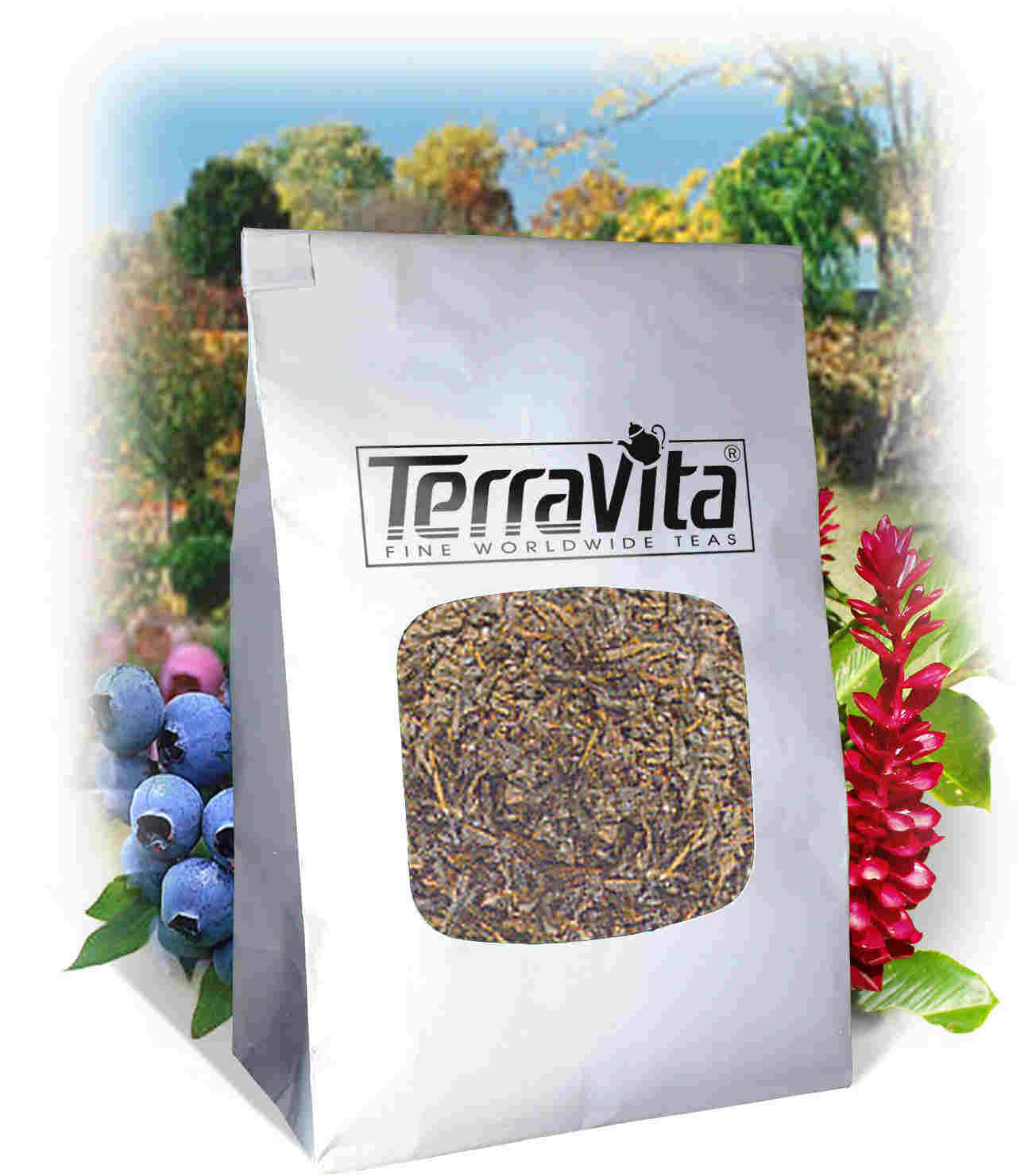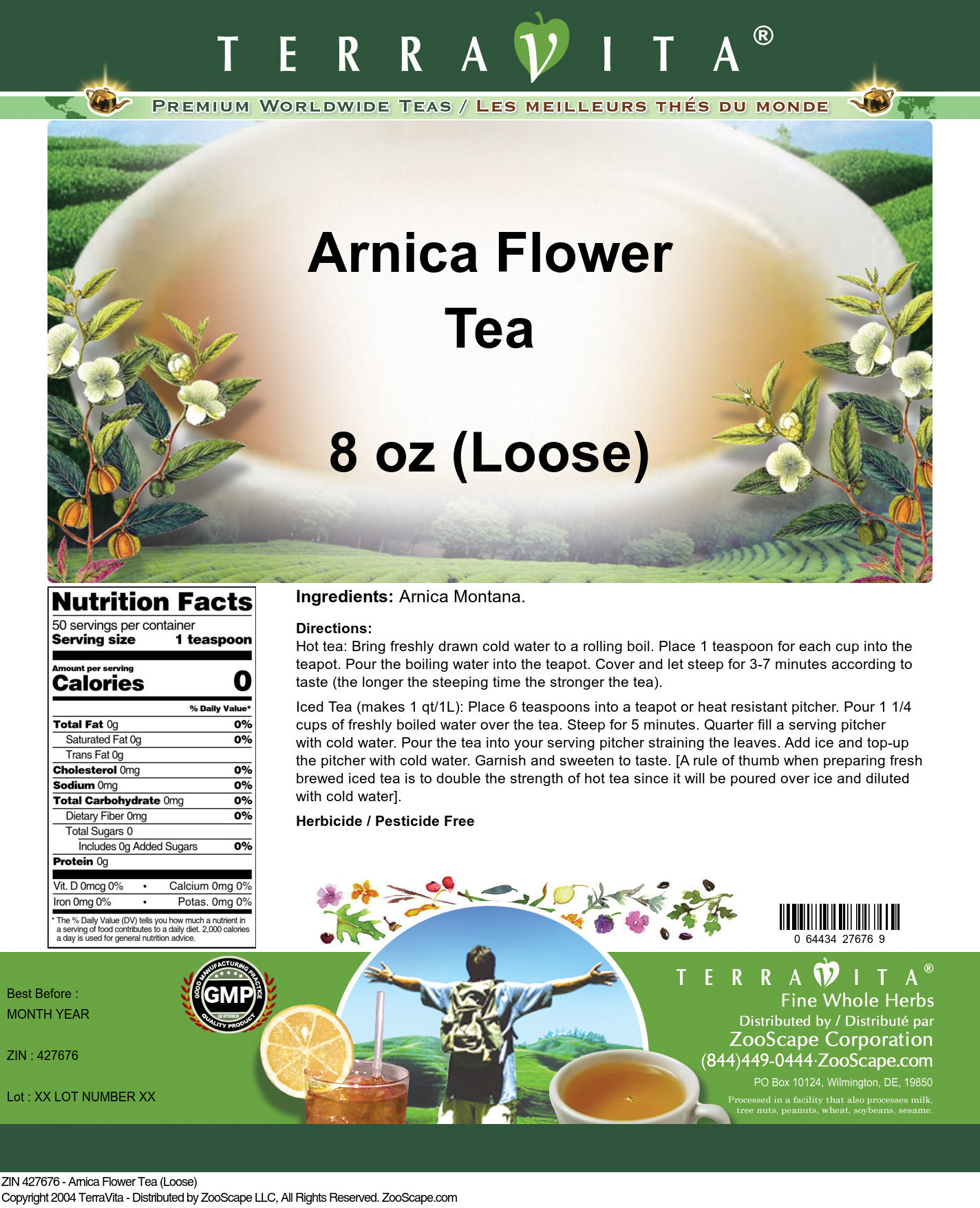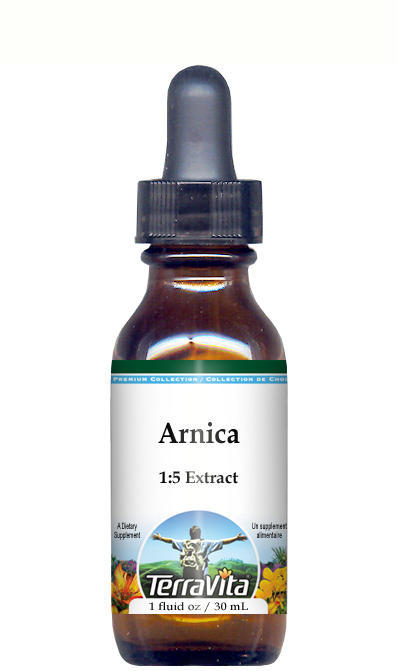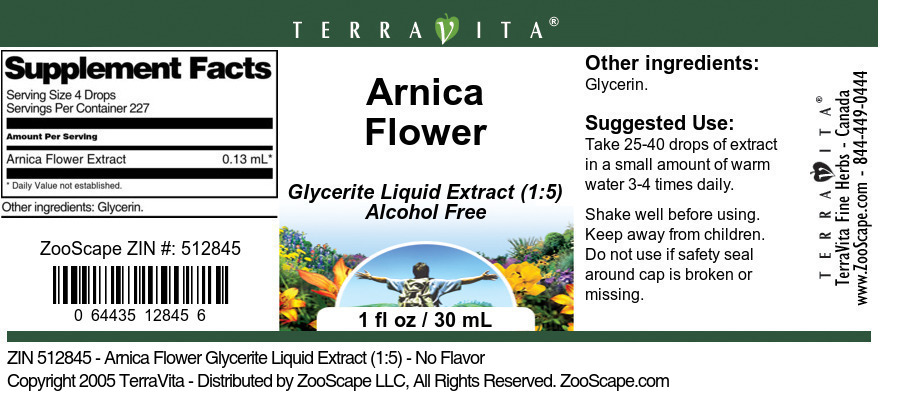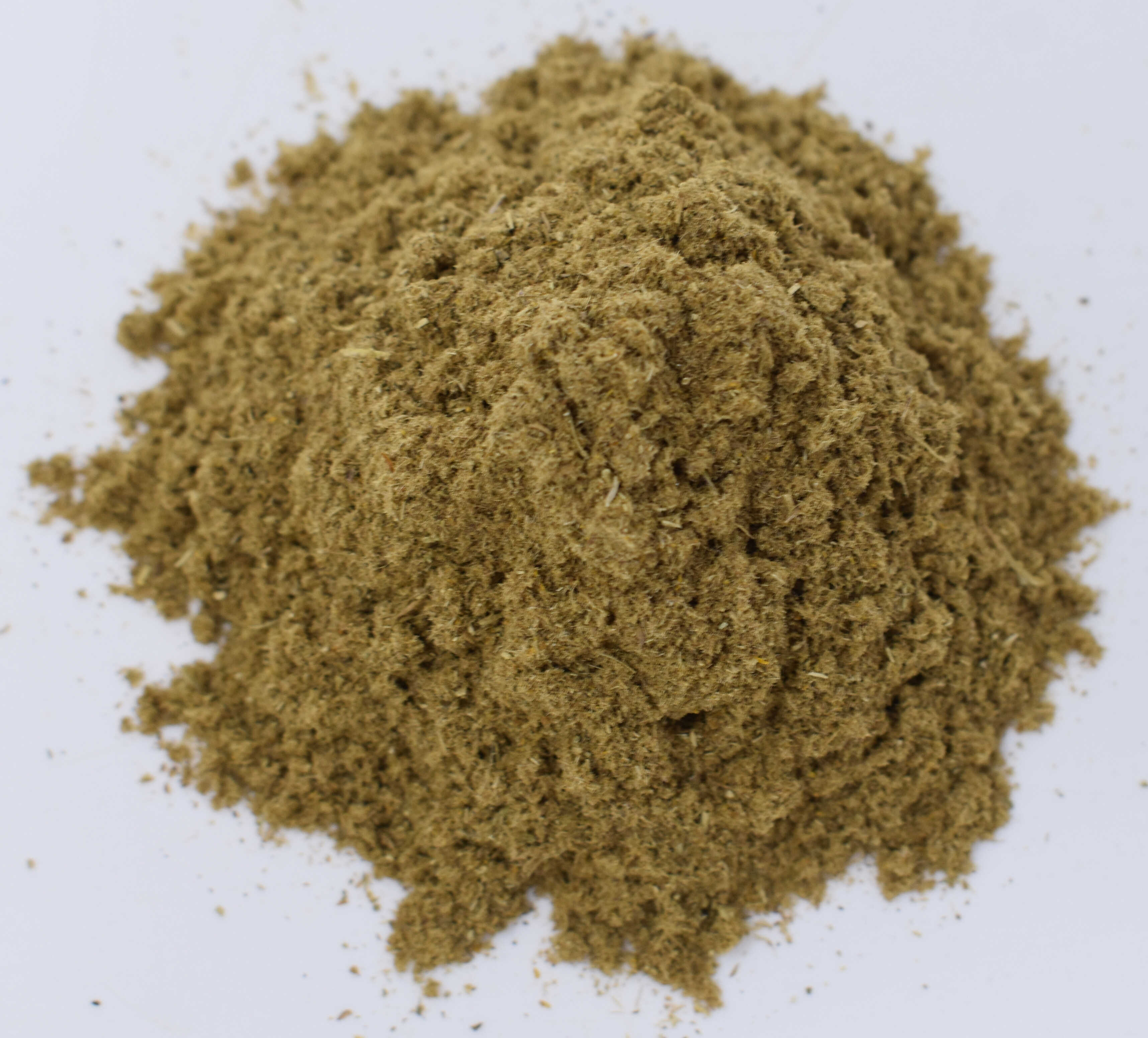
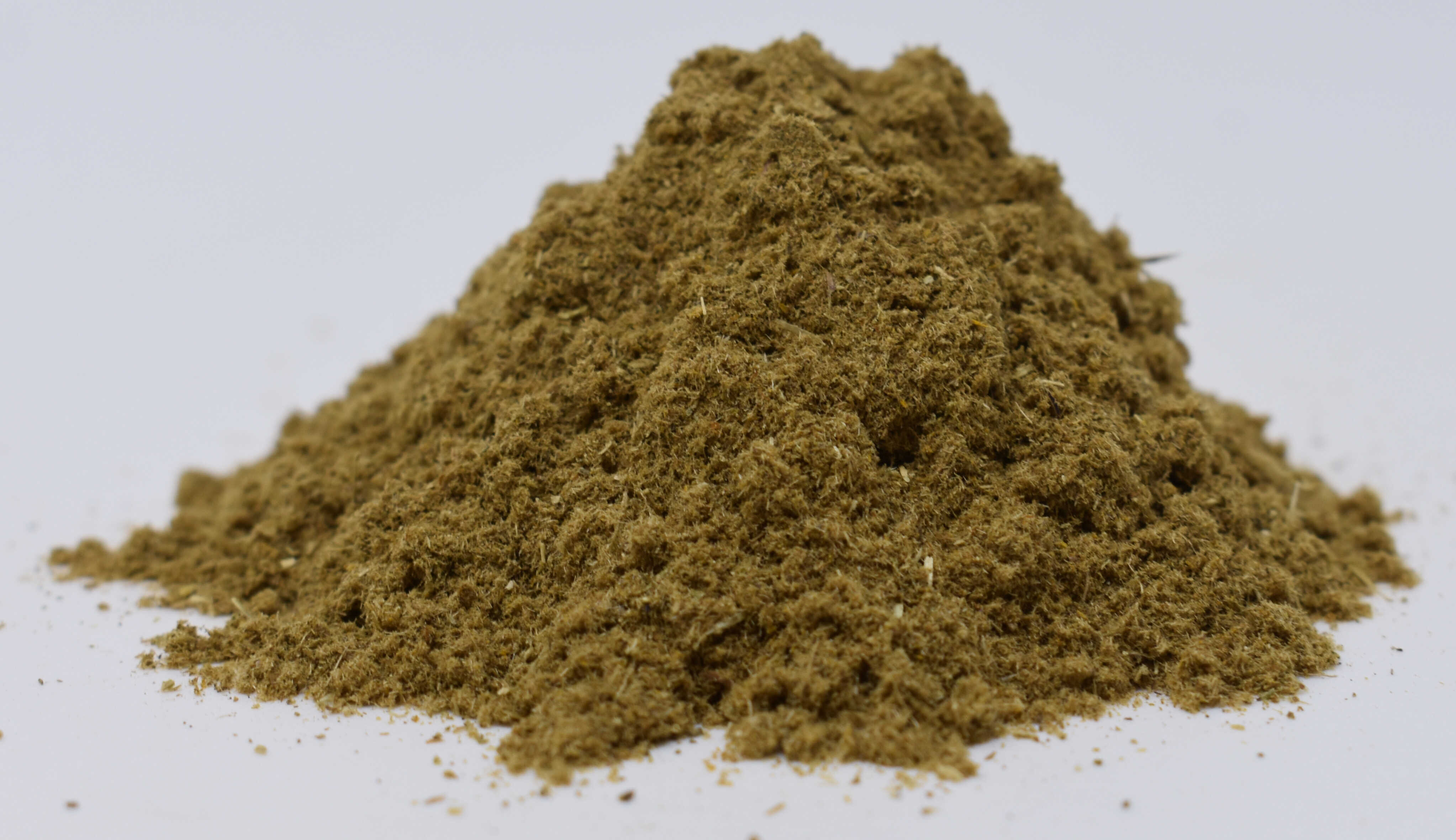
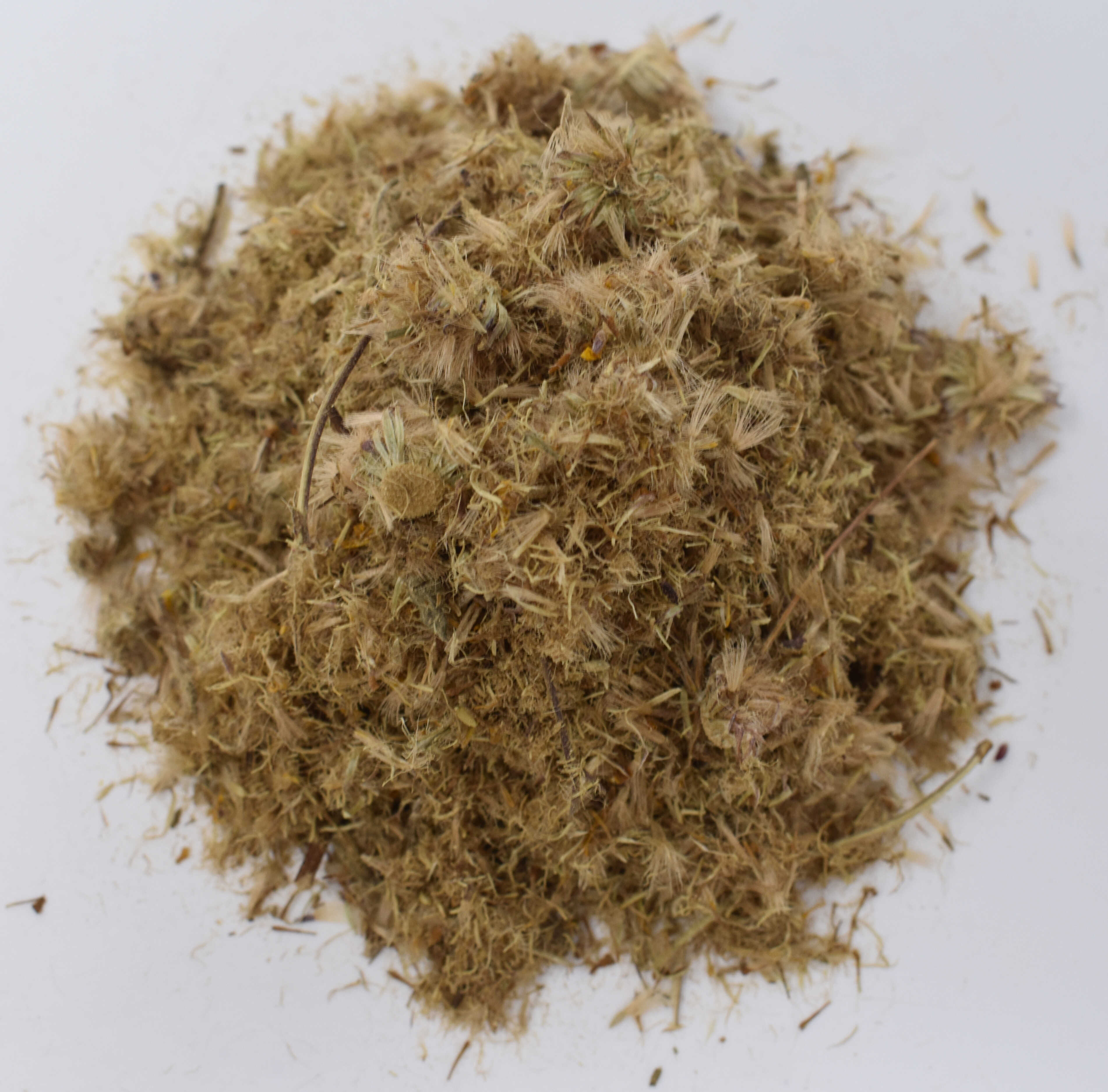
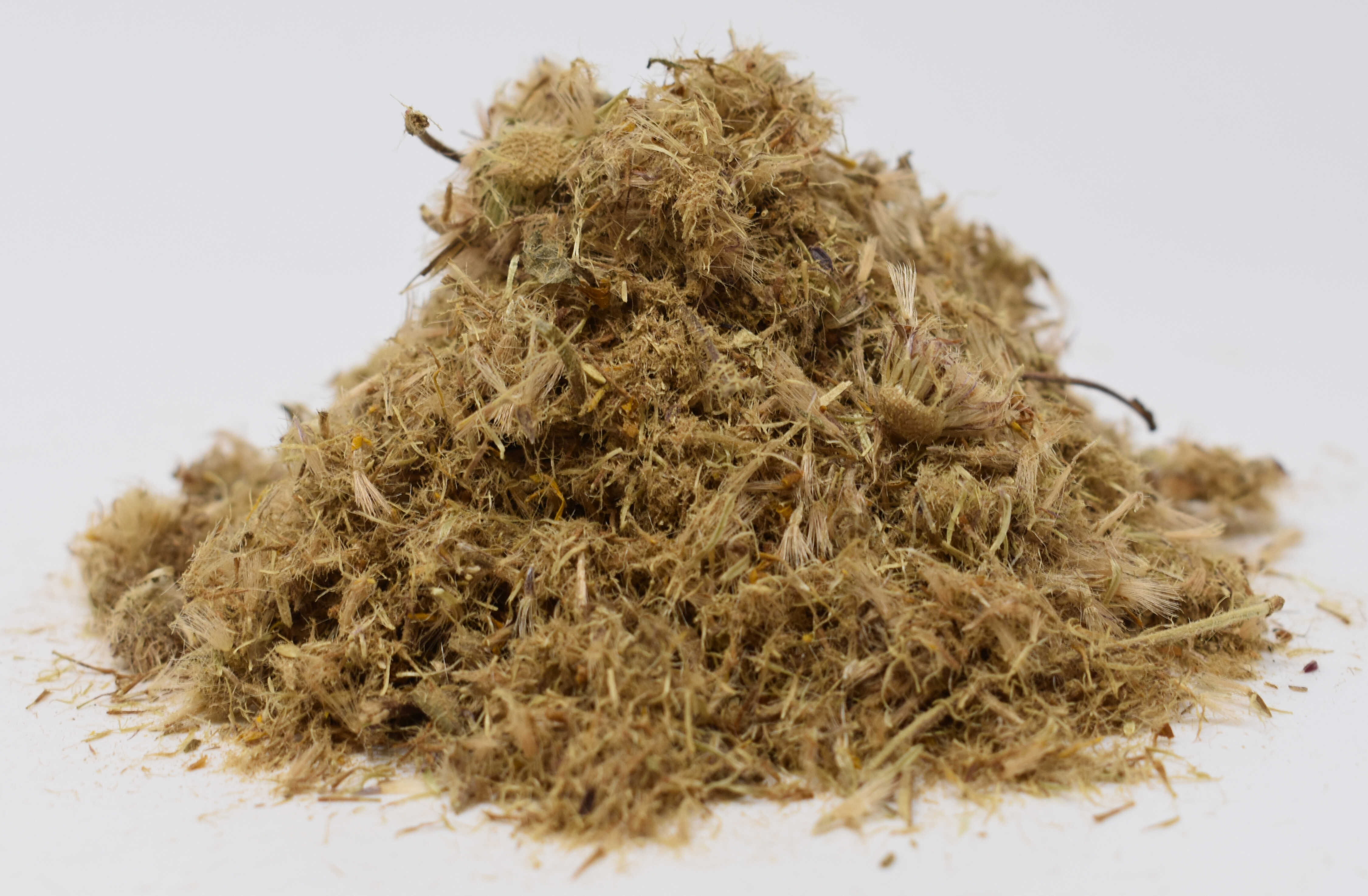



Arnica Flower
| Images | Product Name | Size | ZIN | Price | Quantity | Add to Cart |
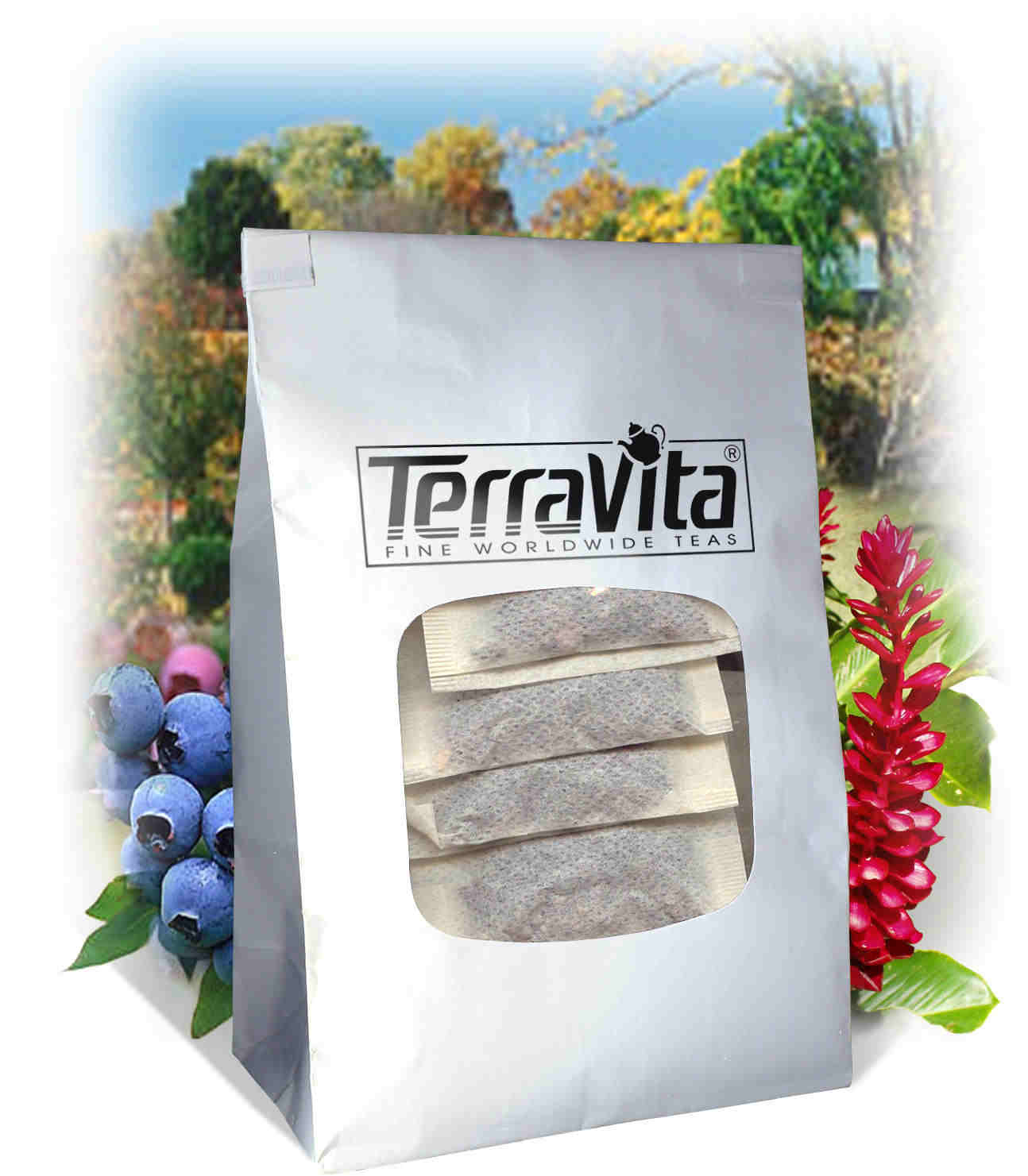
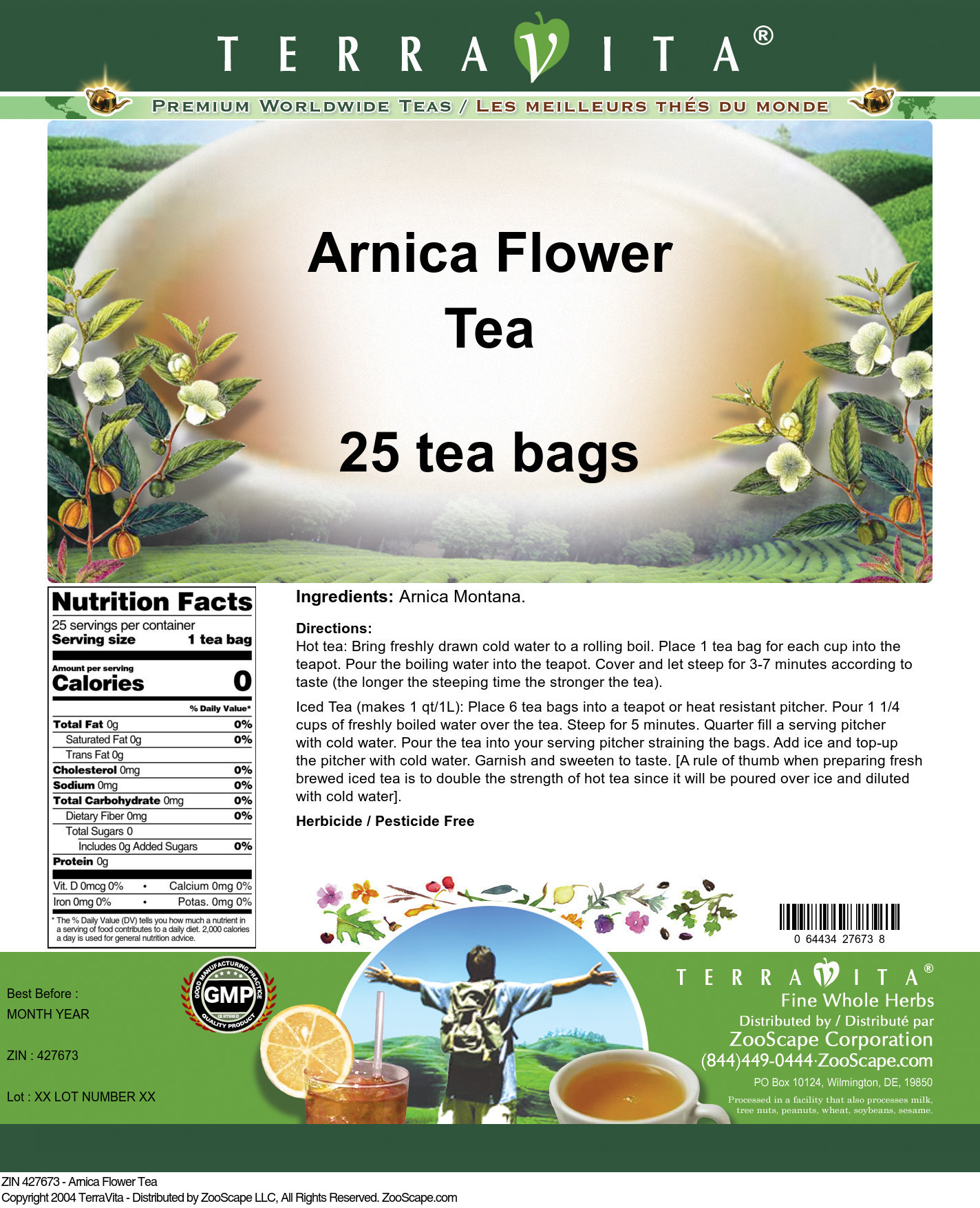
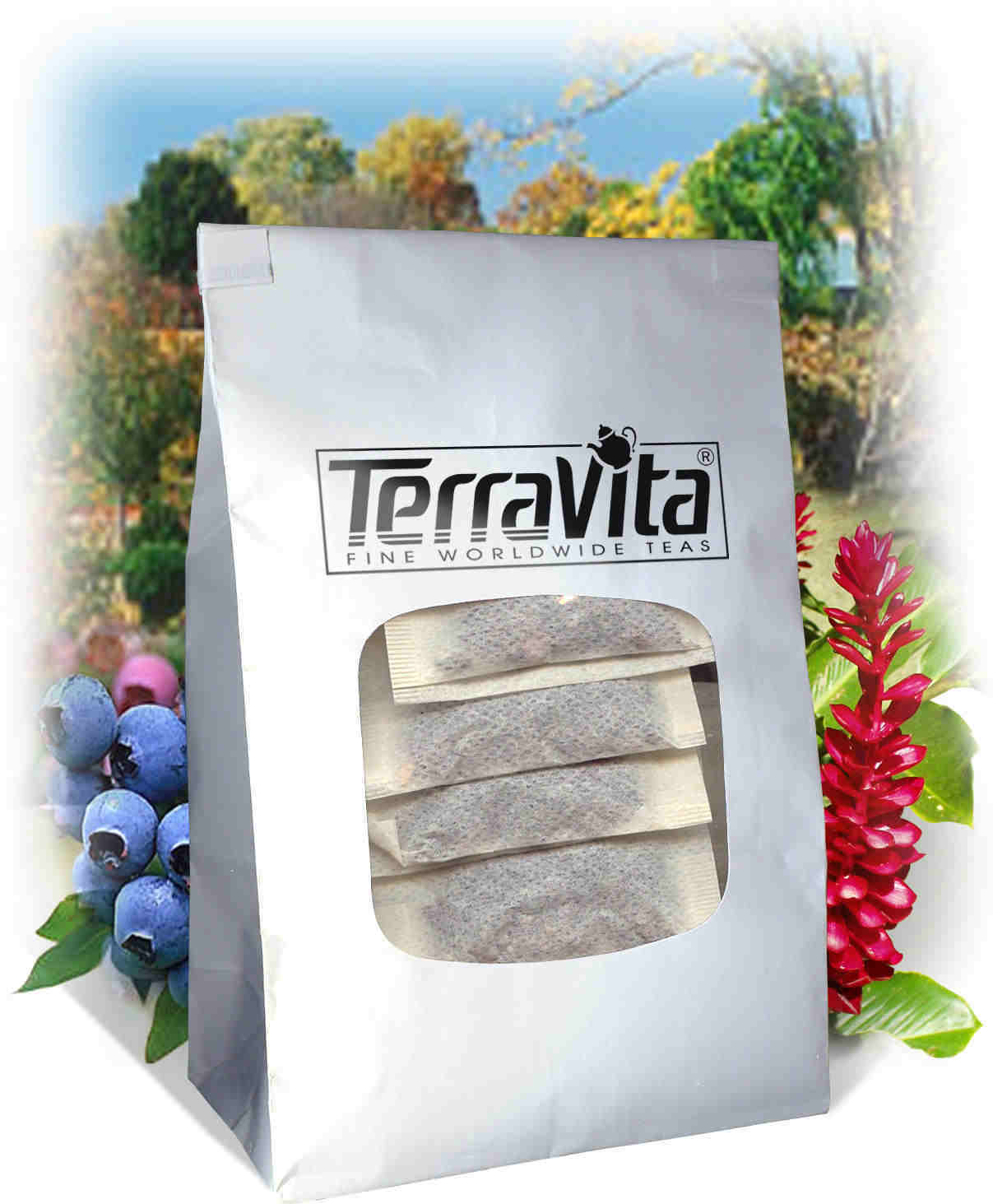
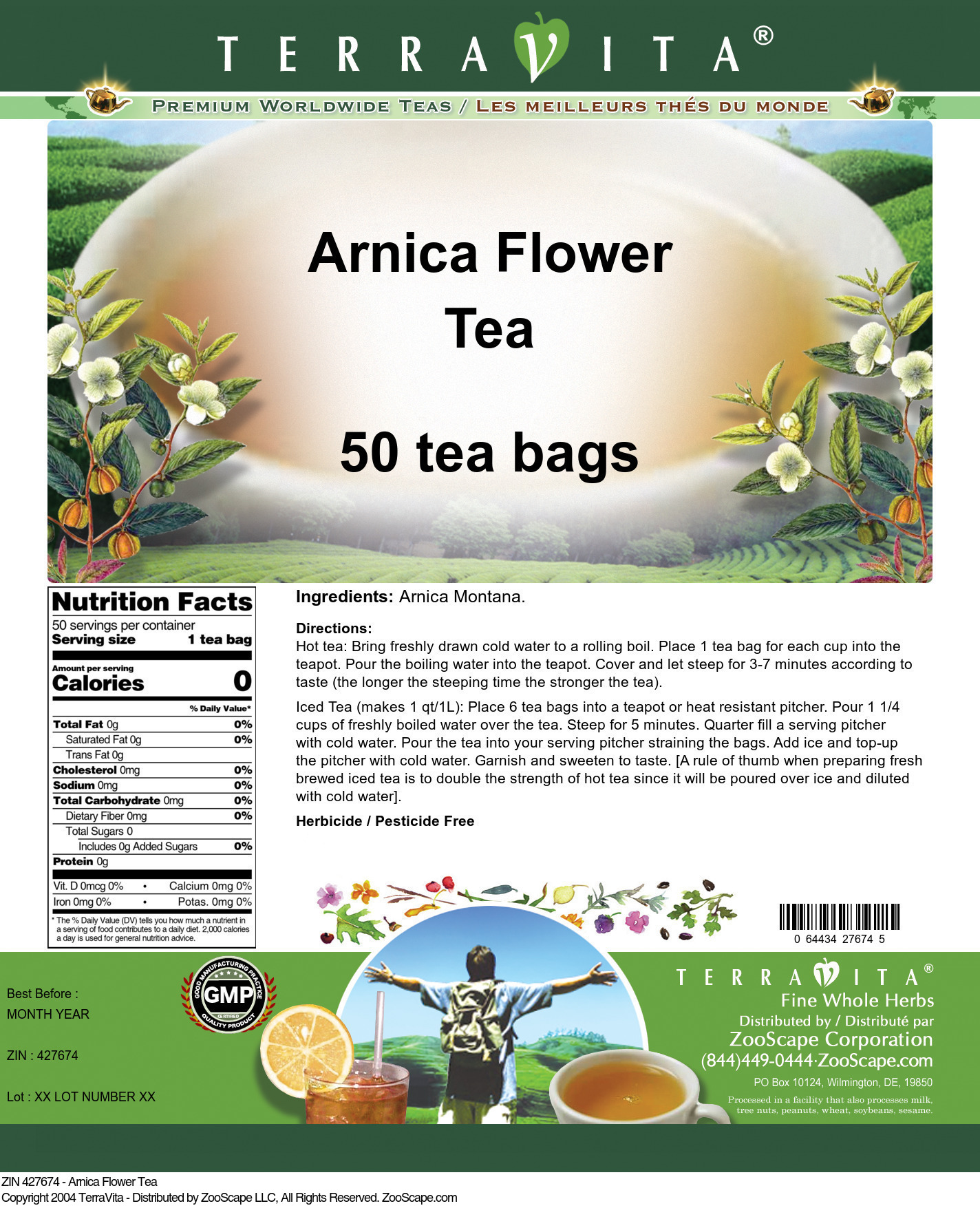
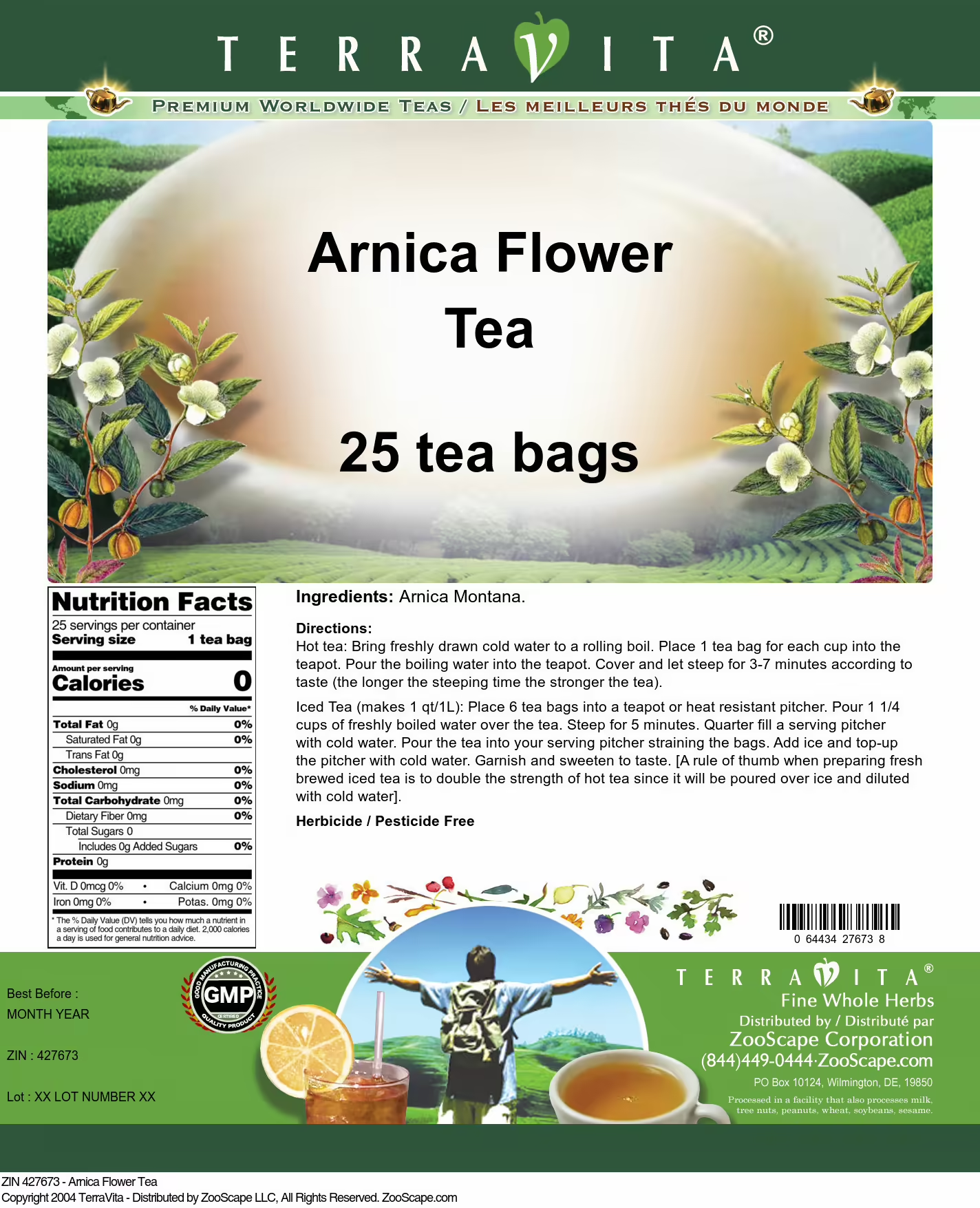
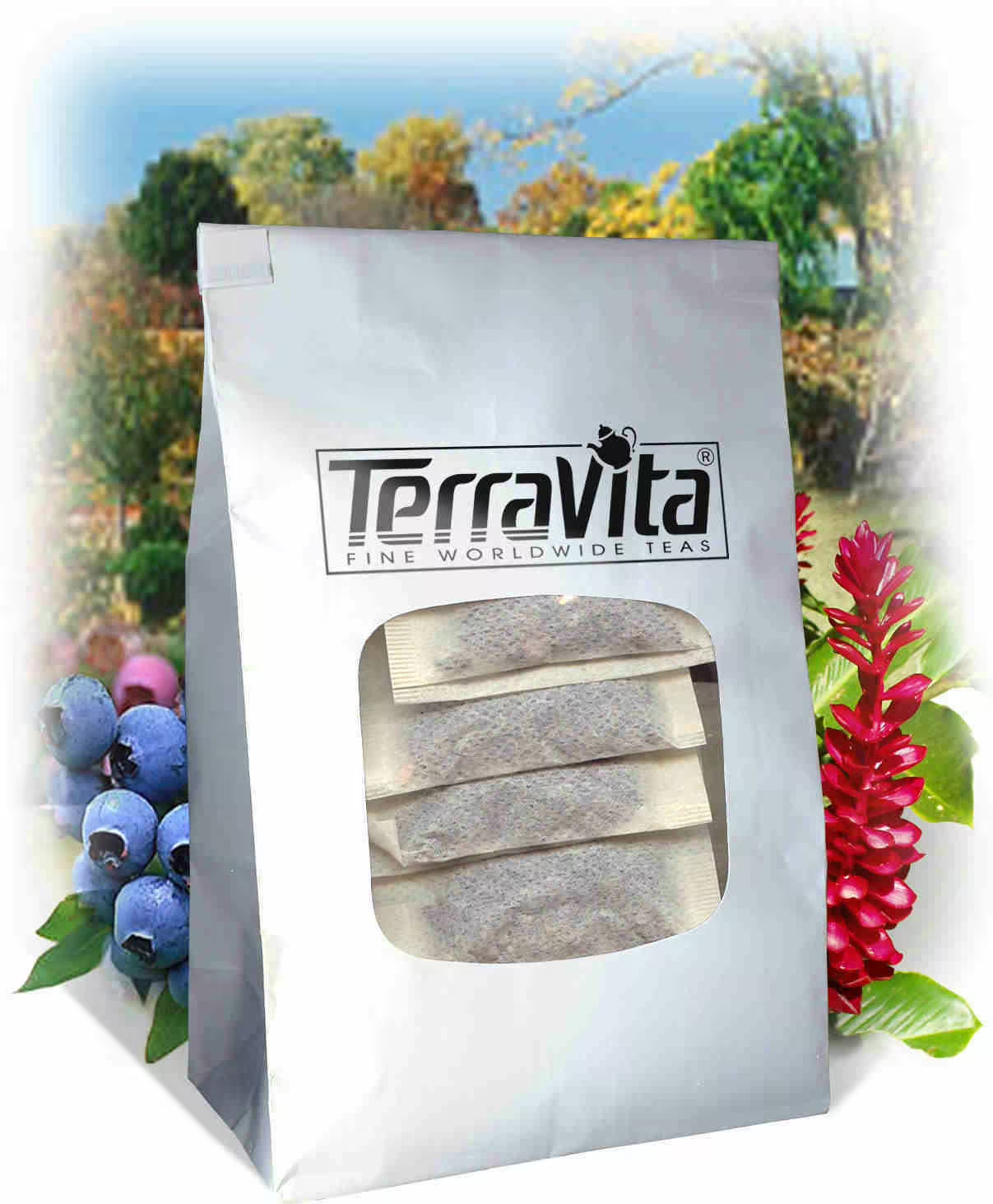
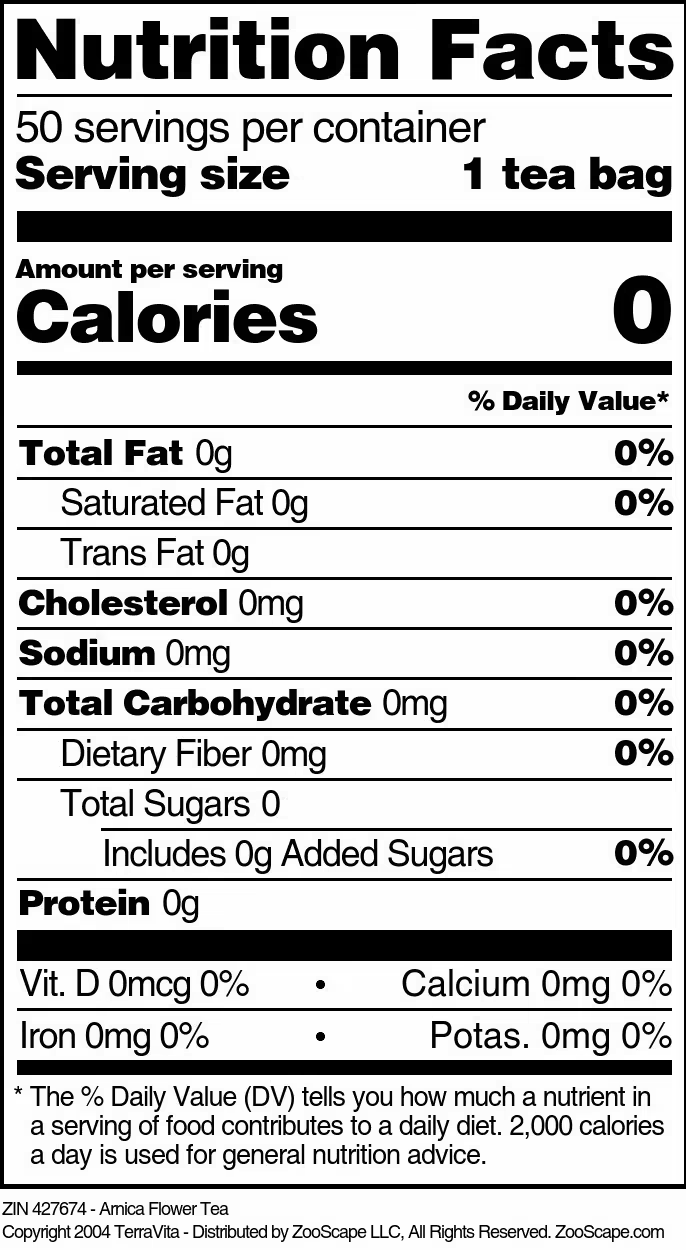
| Arnica Flower Tea | 25 tea bags | 427673 | $19.70 | |||
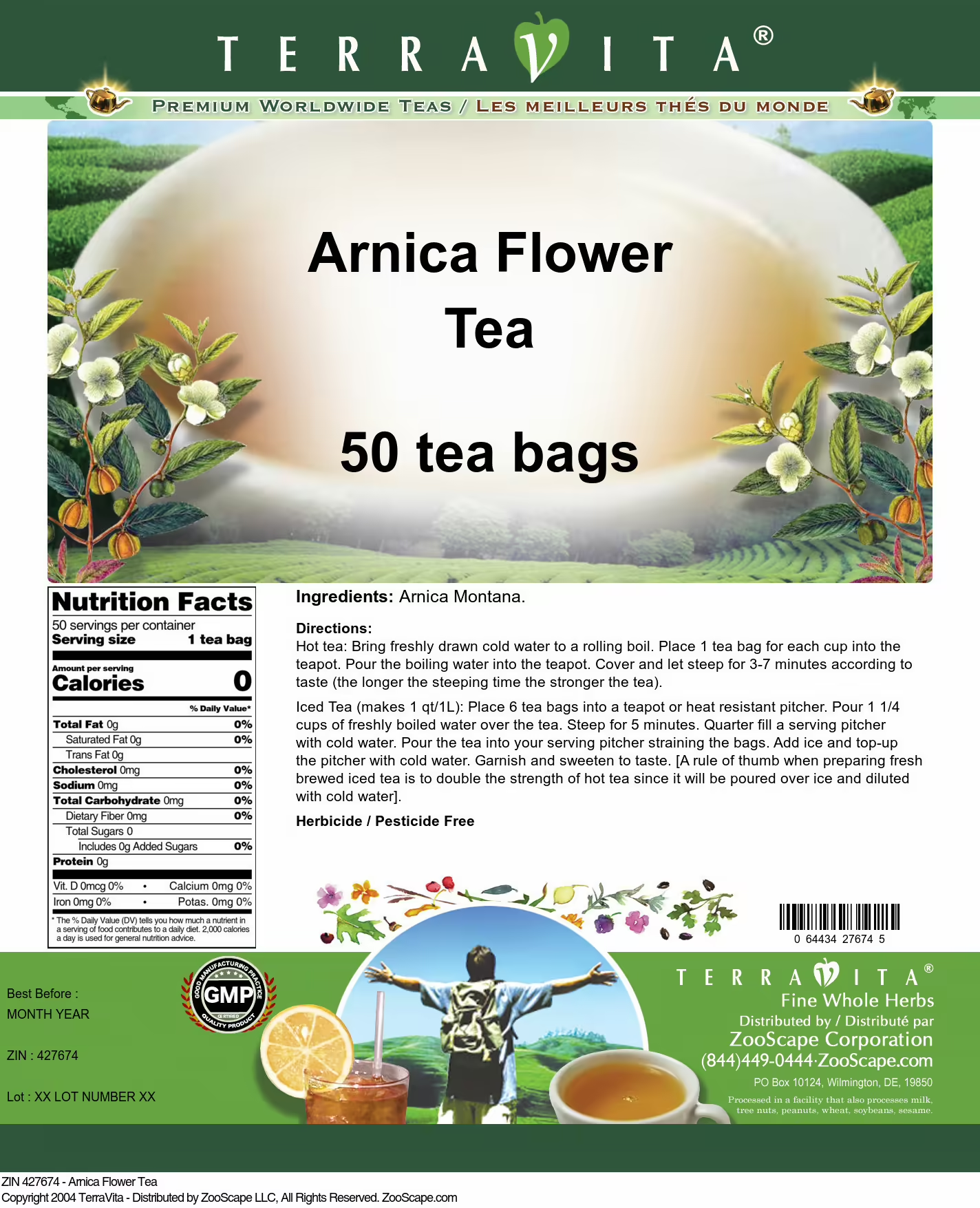
| 50 tea bags | 427674 | $30.37 | ||||
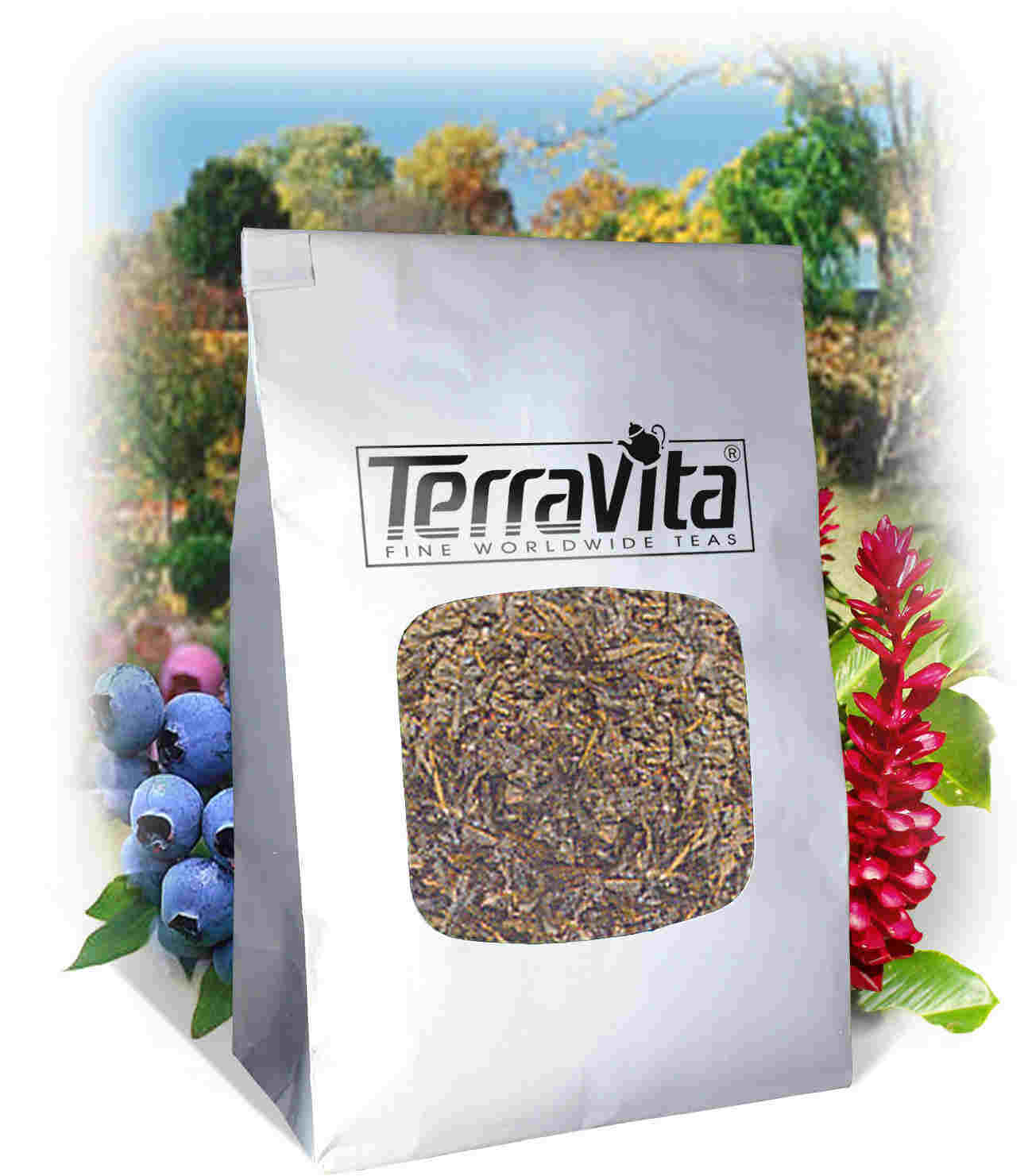
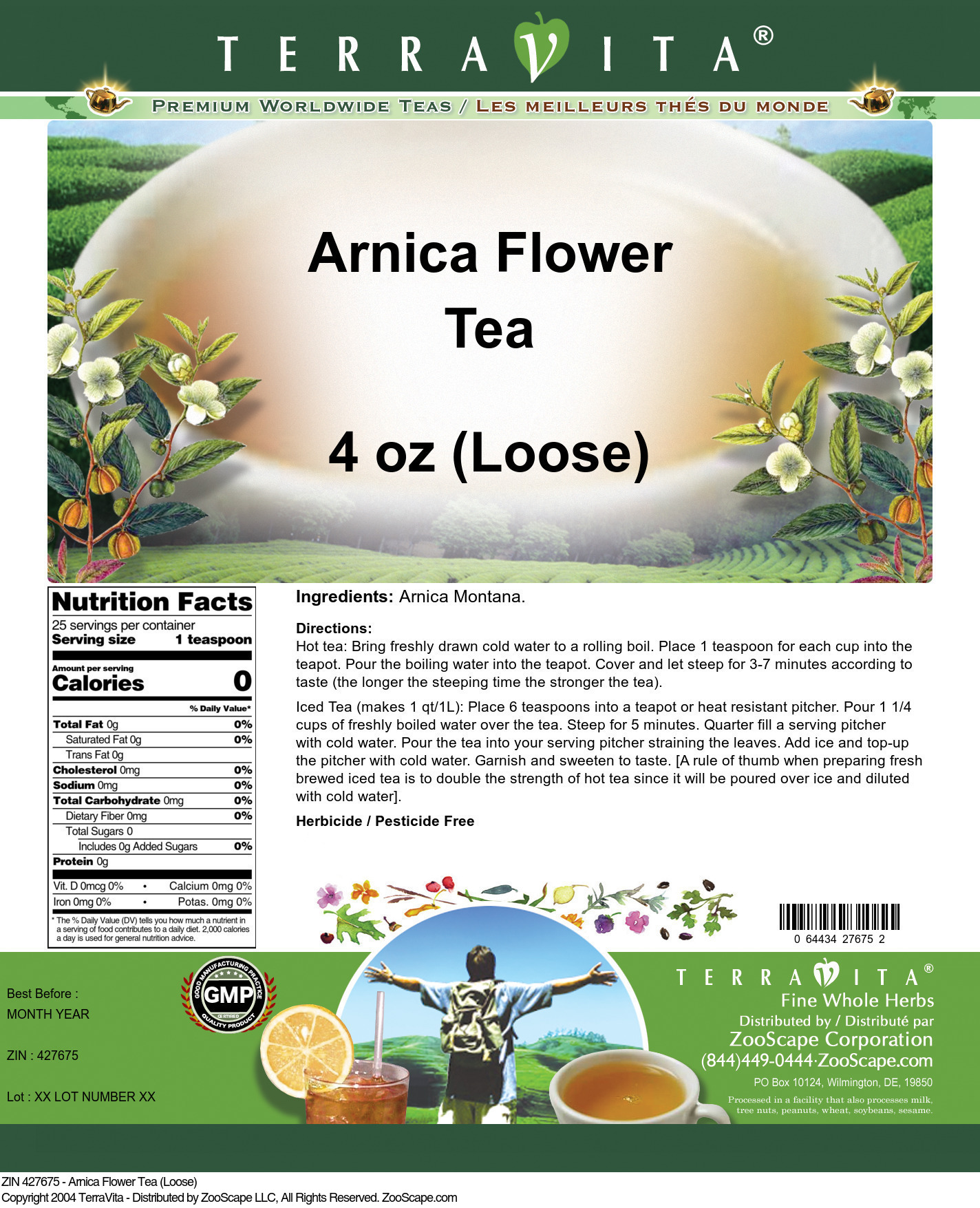
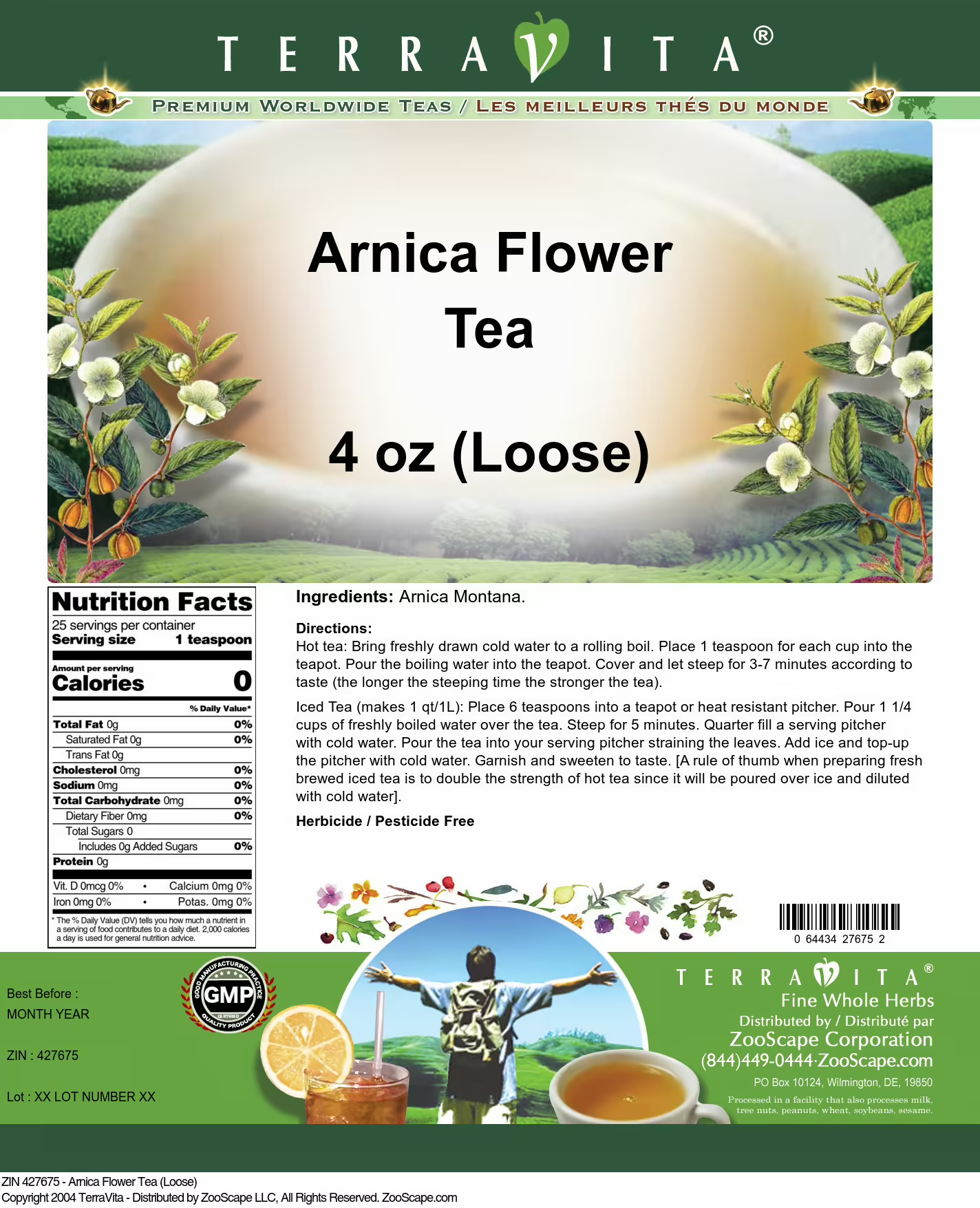
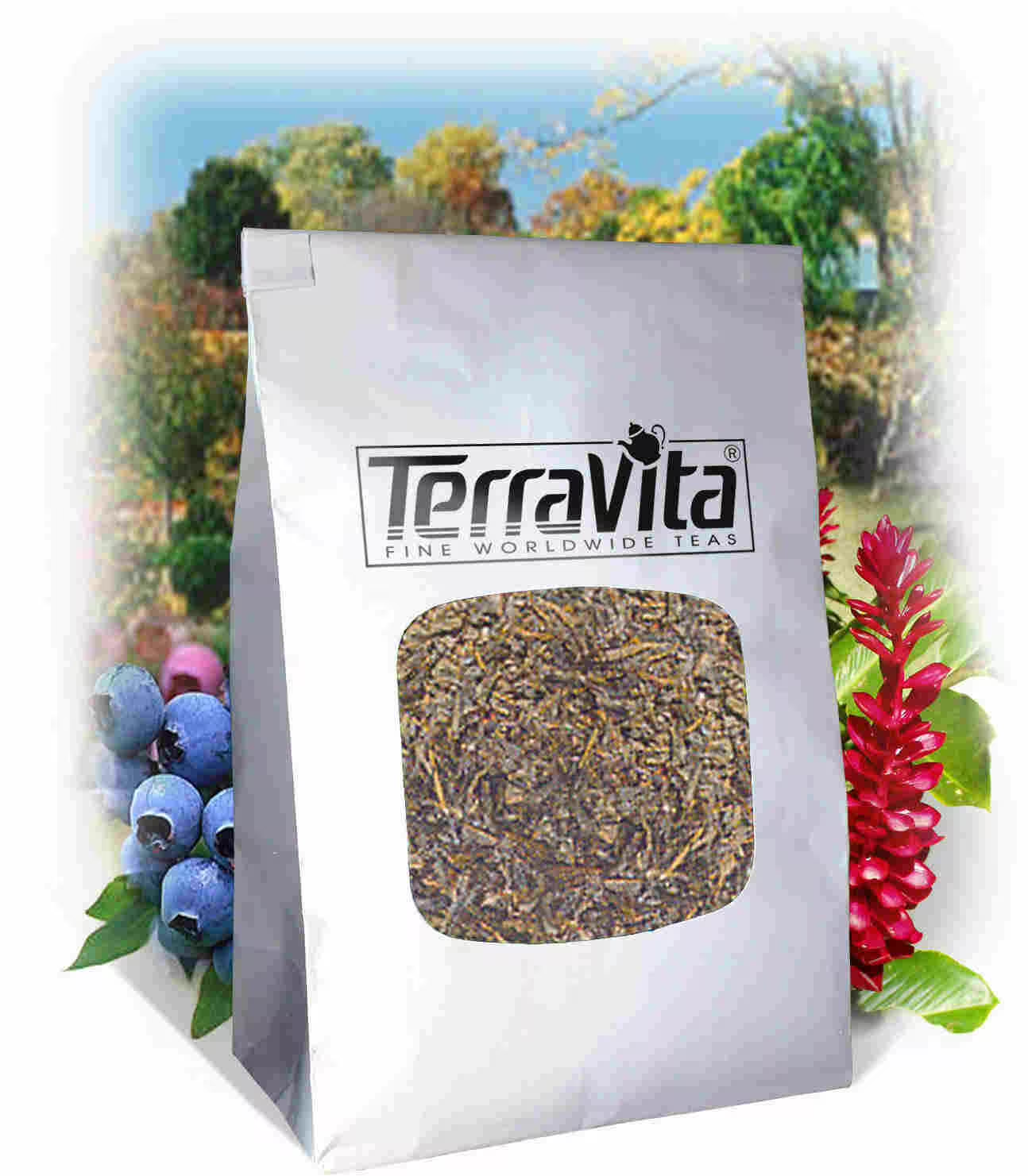
| Arnica Flower Tea (Loose) | 4 oz | 427675 | $16.52 | |||
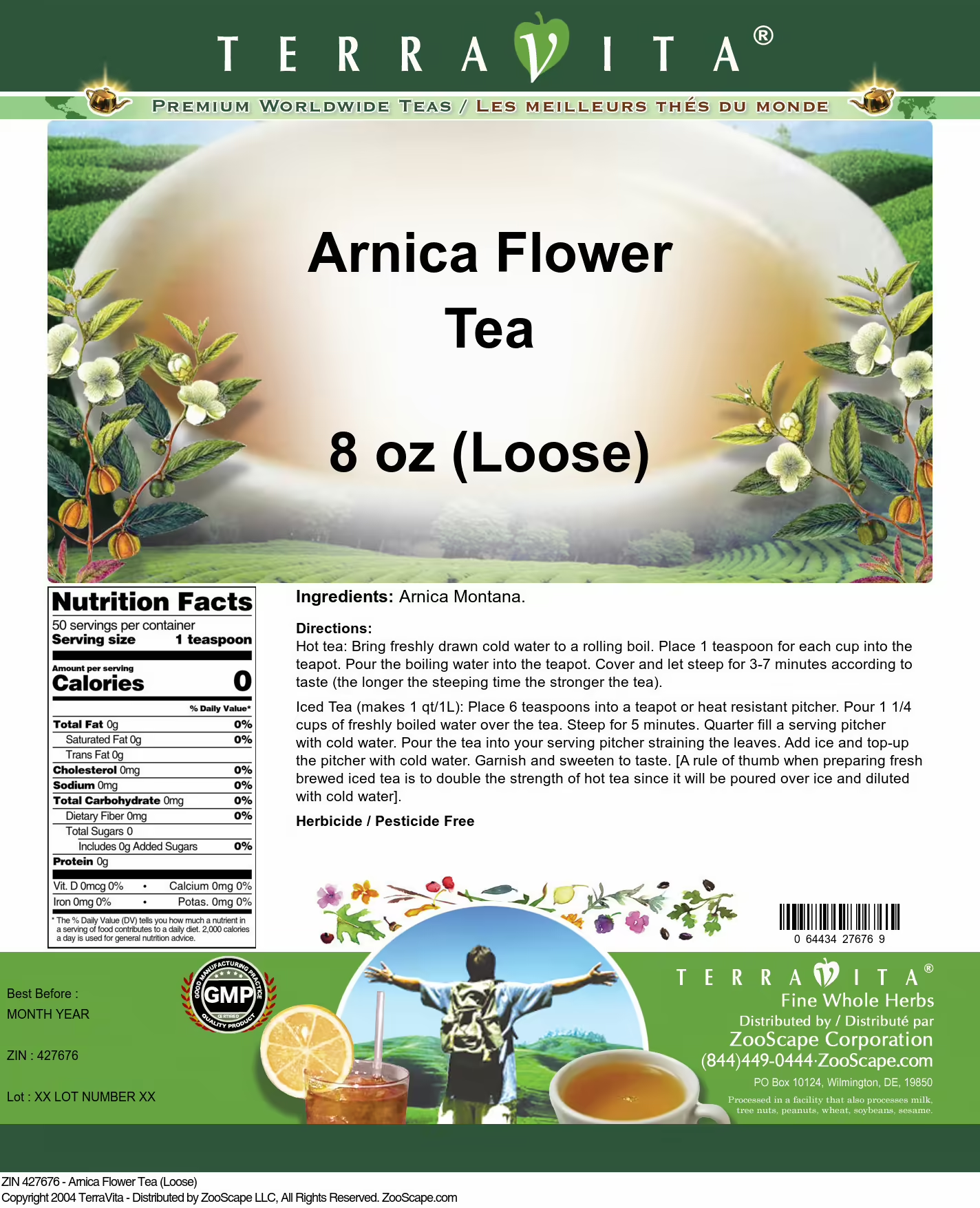
| 8 oz | 427676 | $26.24 | ||||
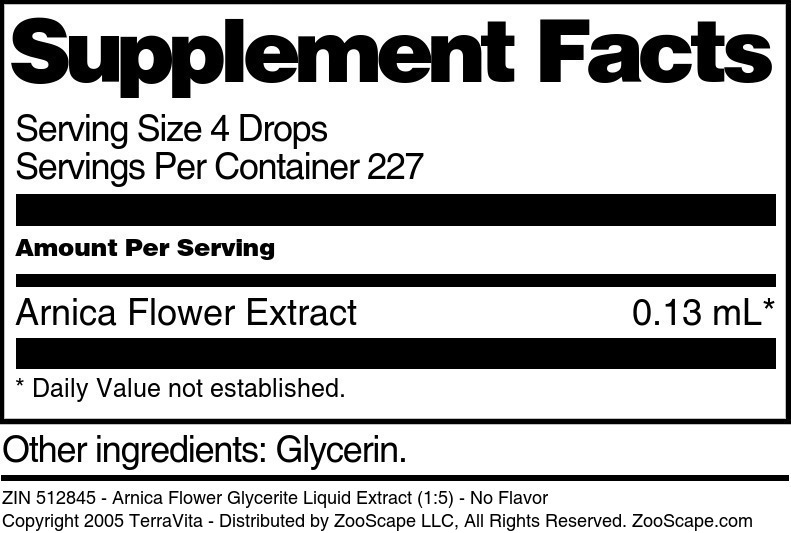
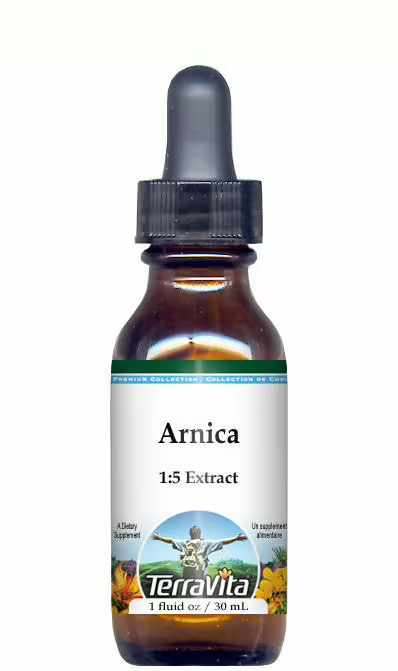
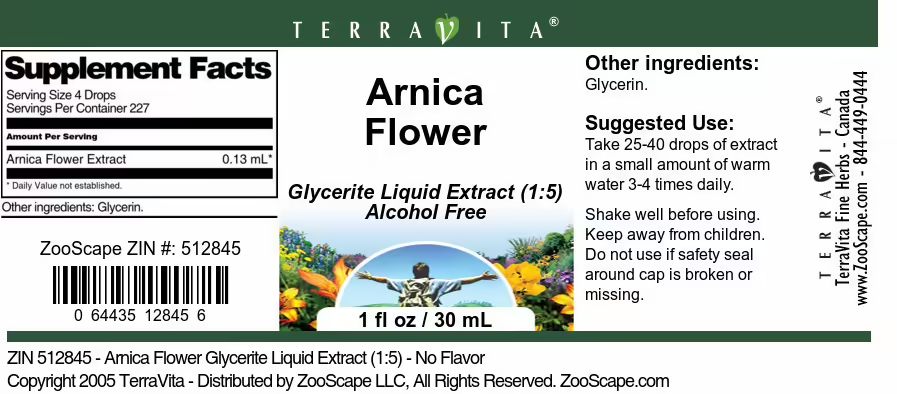
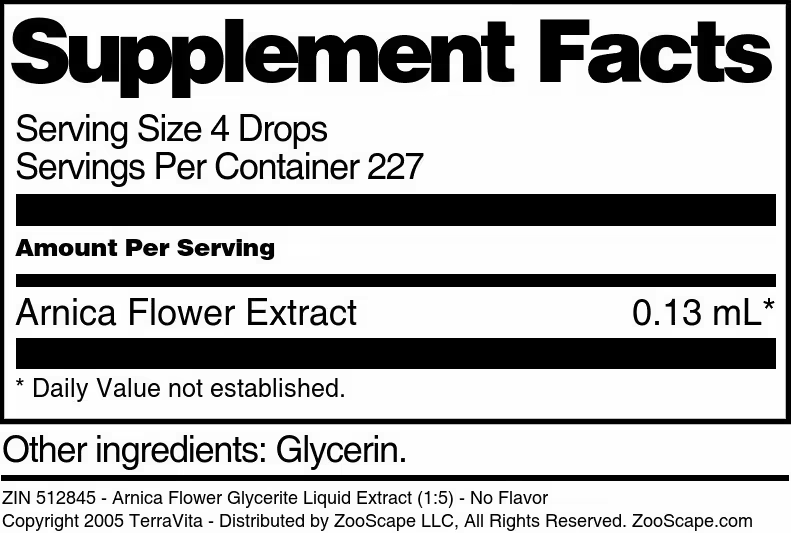
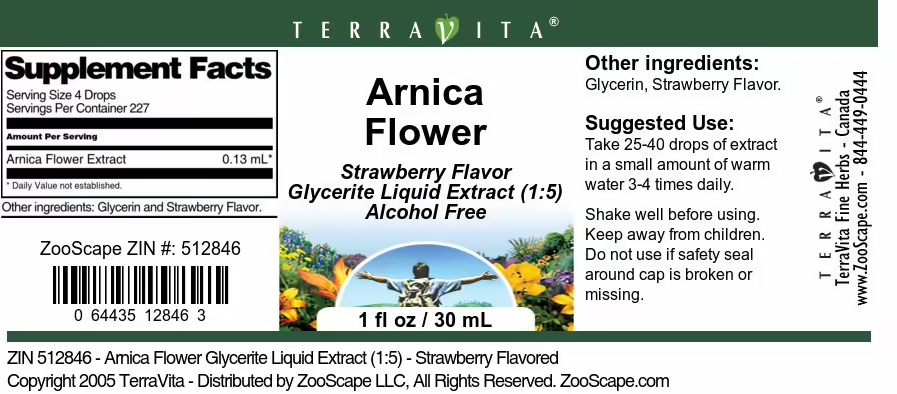
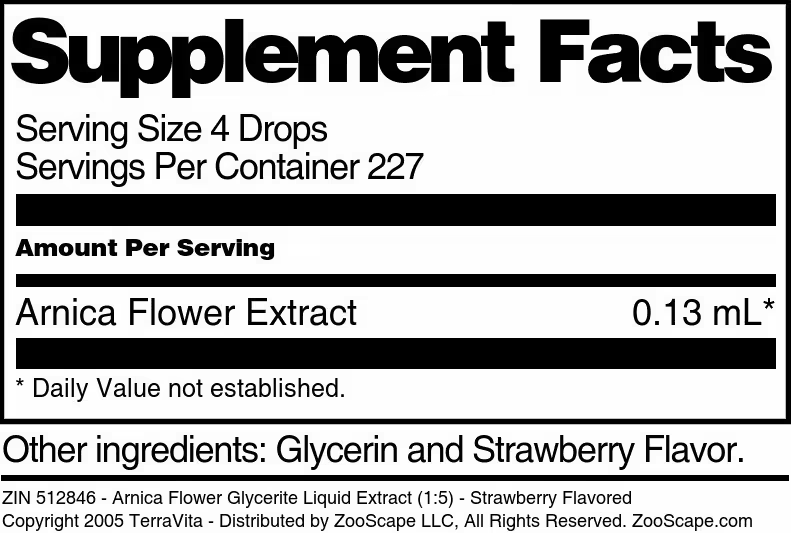
| Arnica Flower Glycerite Liquid Extract (1:5) | 1 oz - No Flavor | 512845 | $17.94 | |||
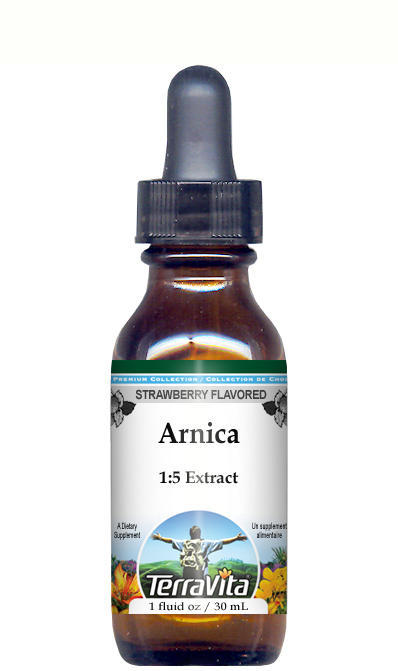
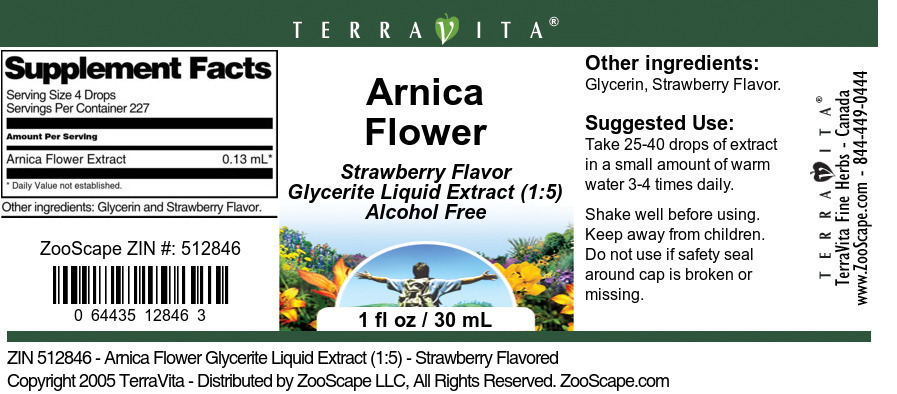
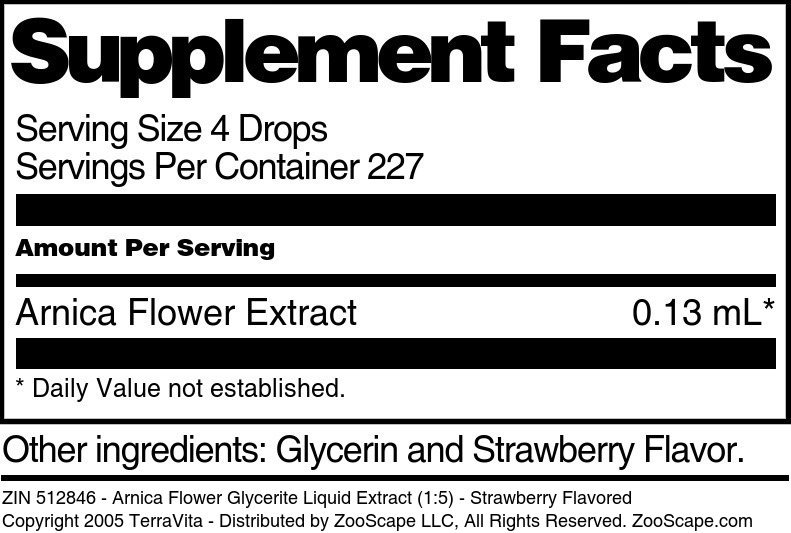
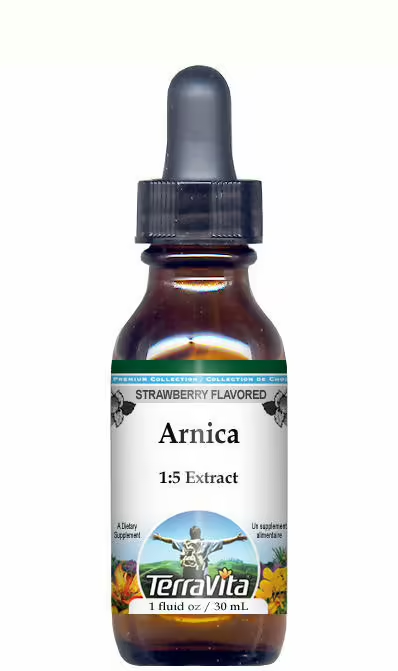
| 1 oz - Strawberry | 512846 | $18.84 | ||||
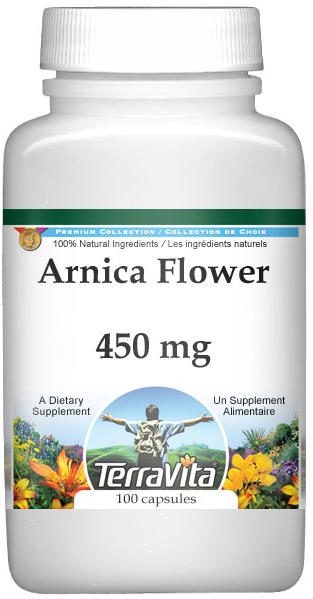
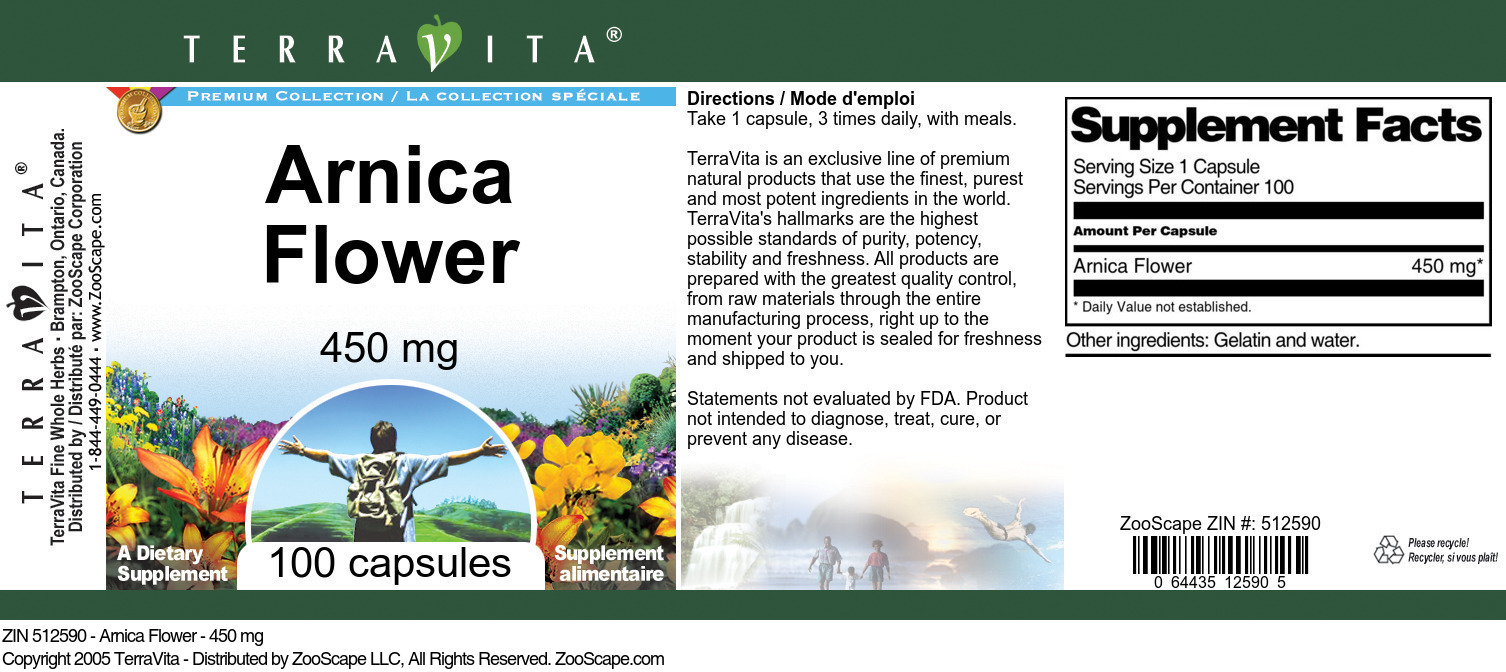
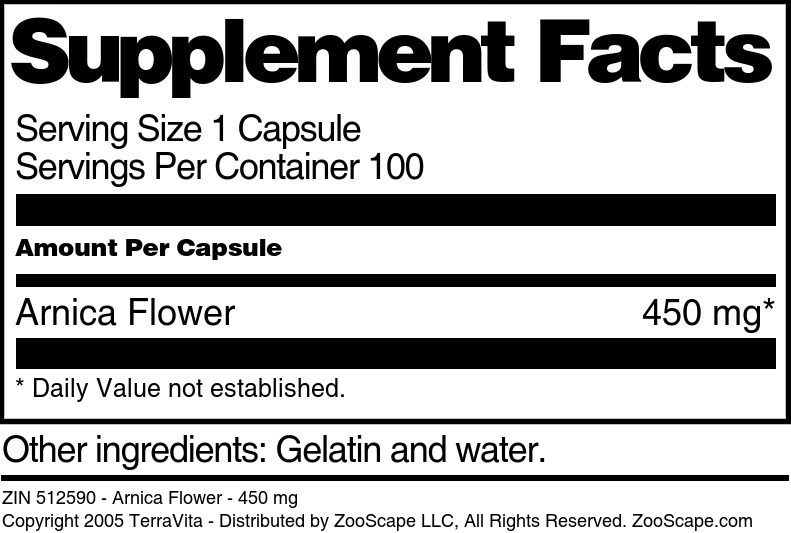
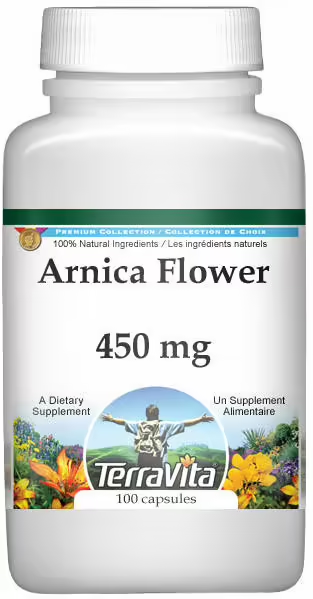
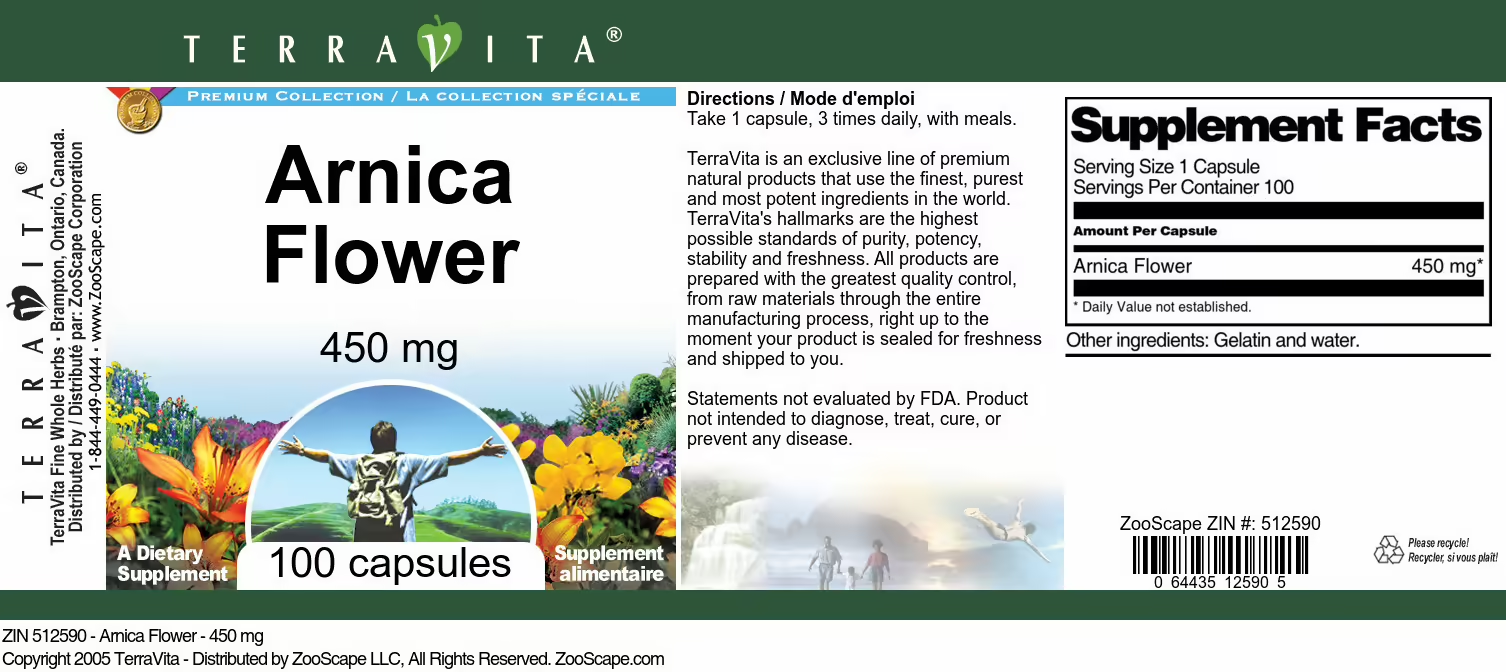
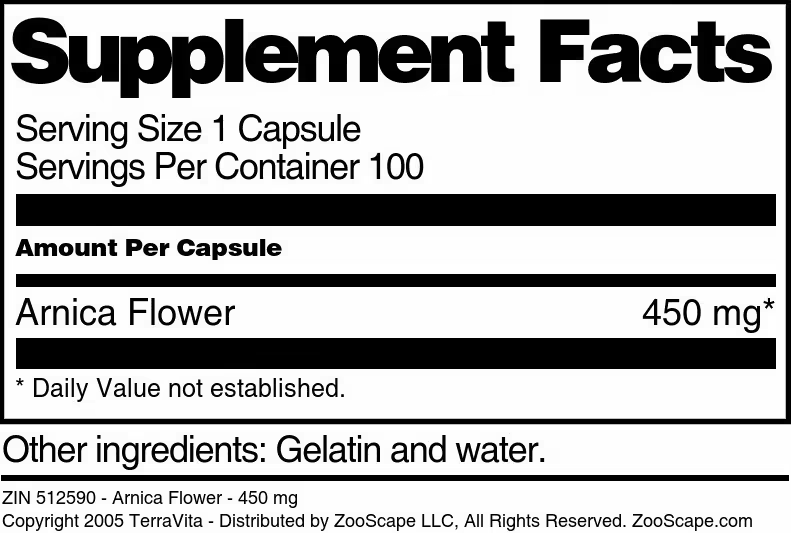
| Arnica Flower - 450 mg | 100 capsules | 512590 | $26.55 | |||
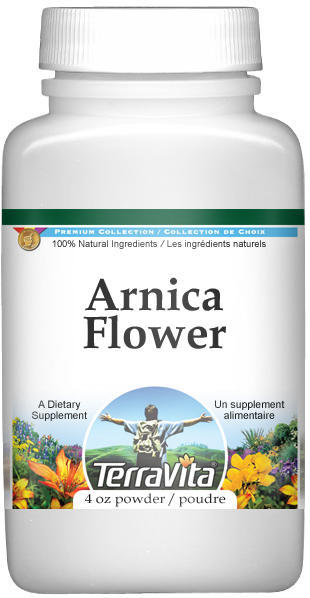
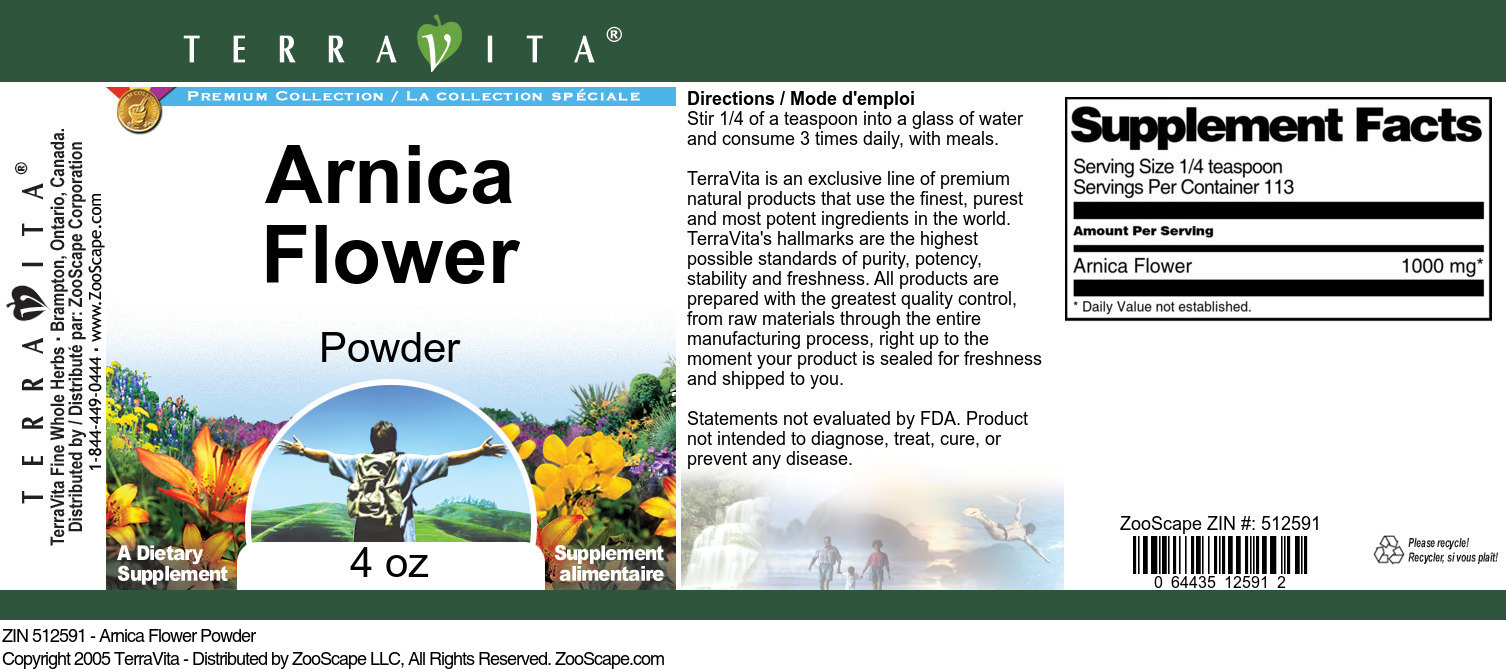
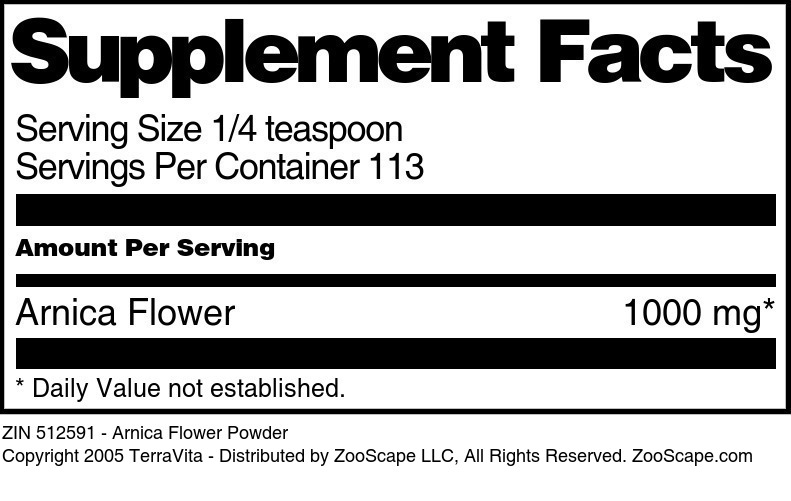
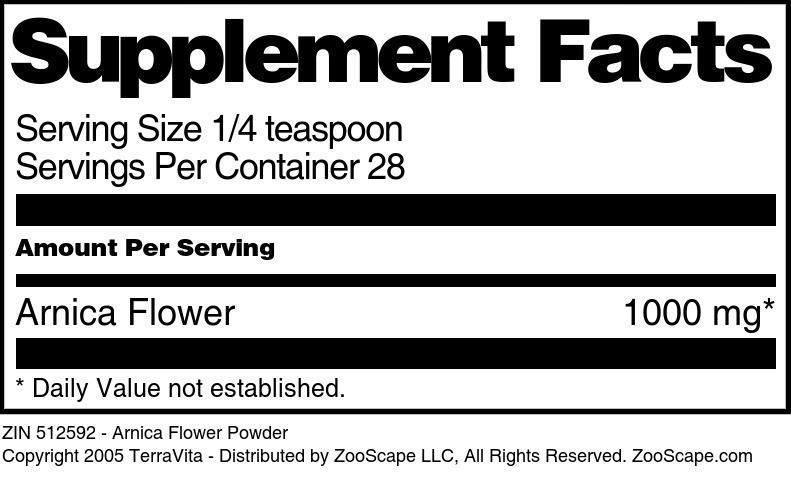
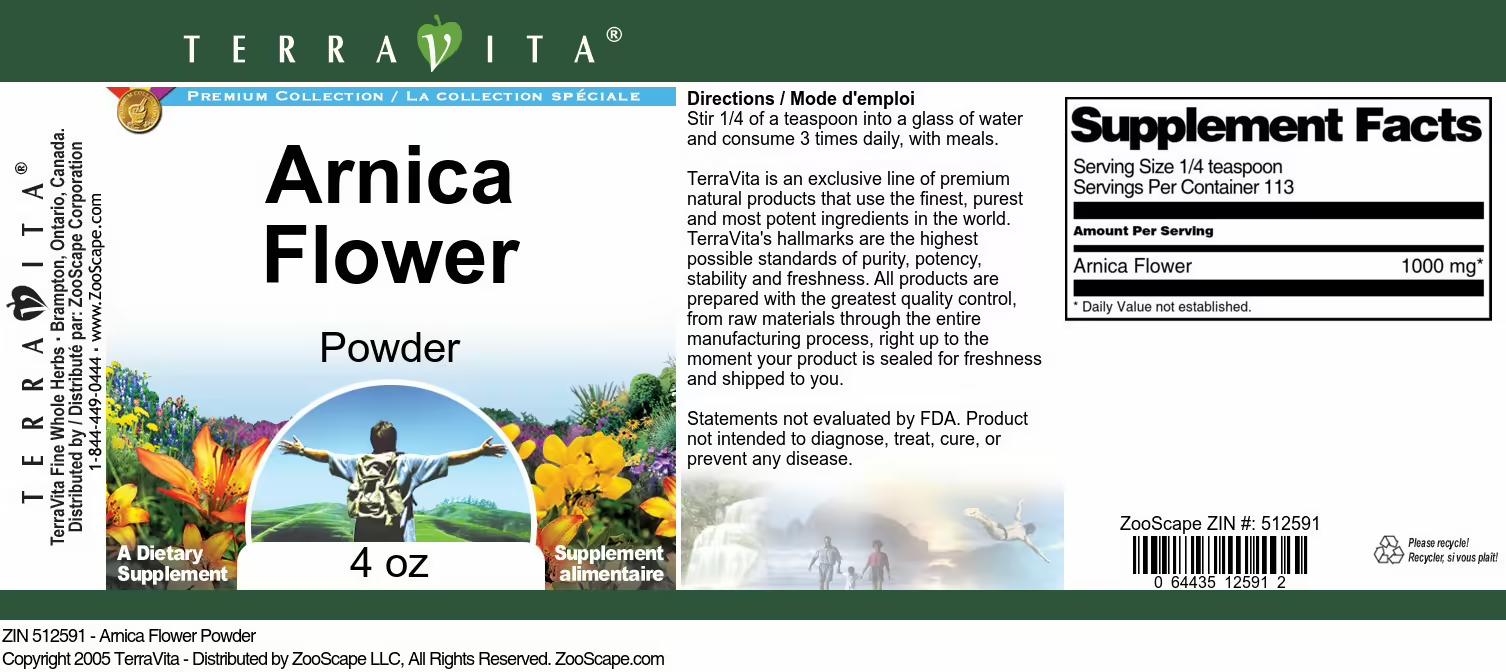
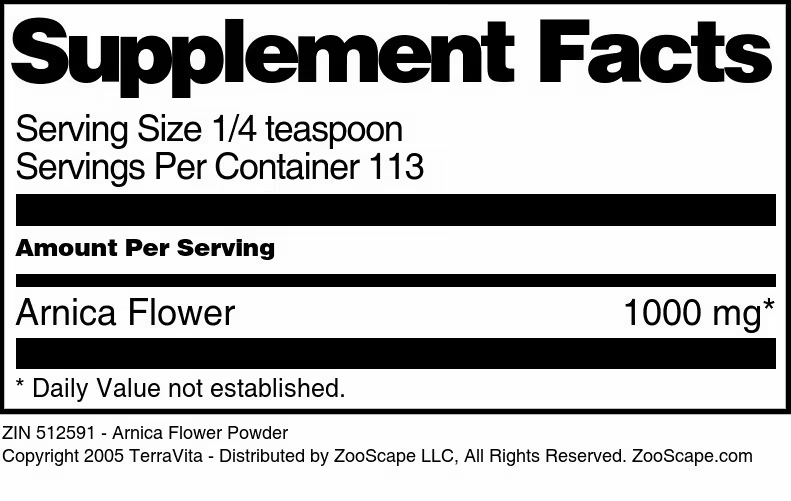
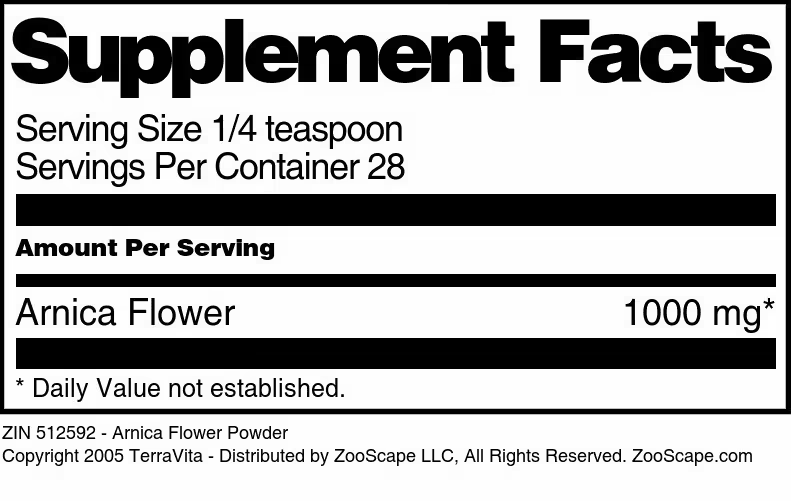
| Arnica Flower Powder | 4 oz | 512591 | $26.97 | |||
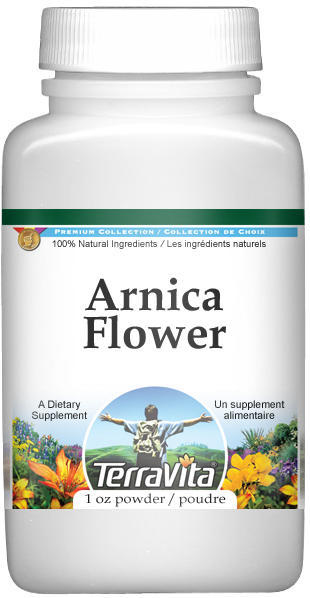
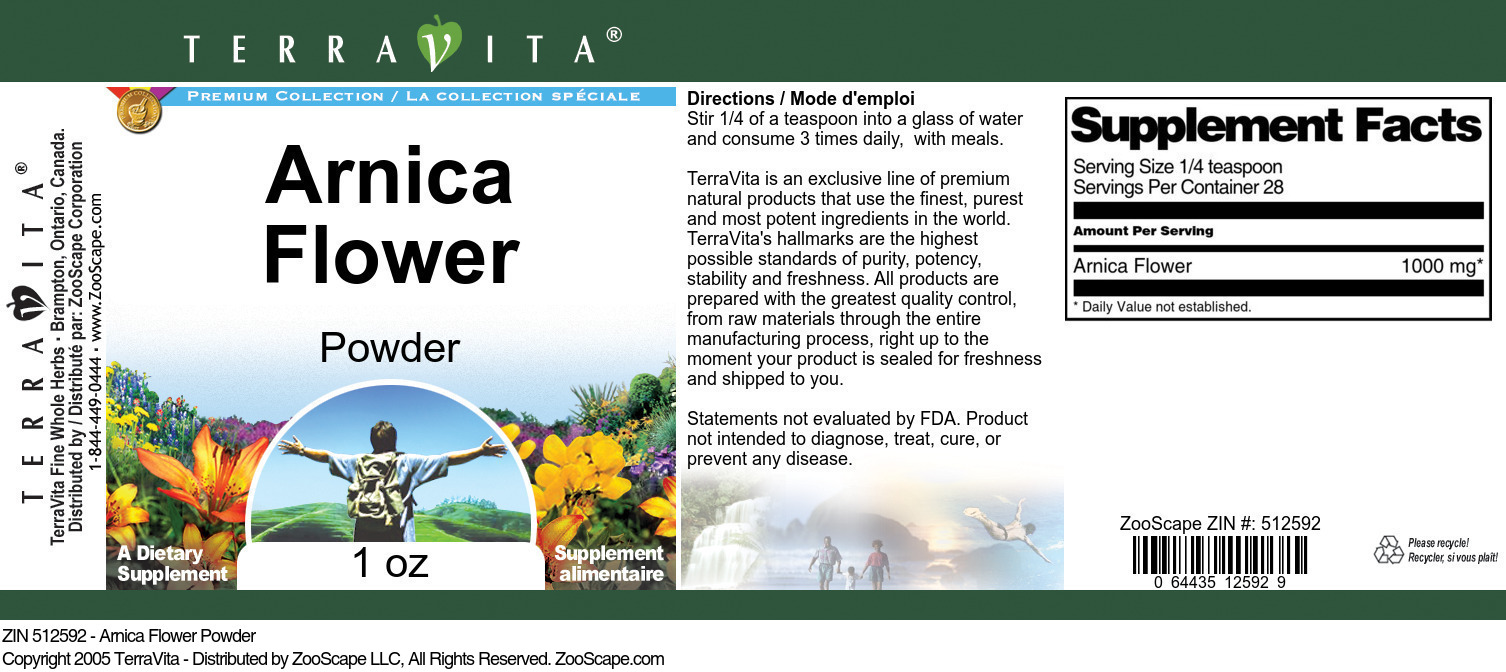
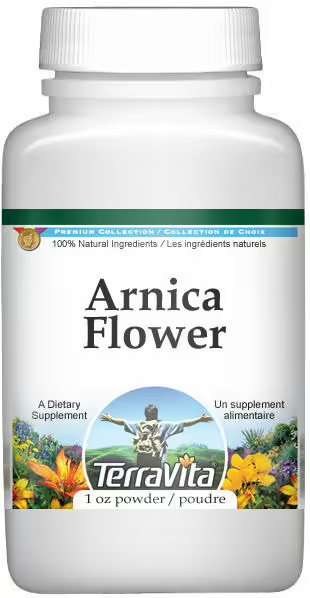
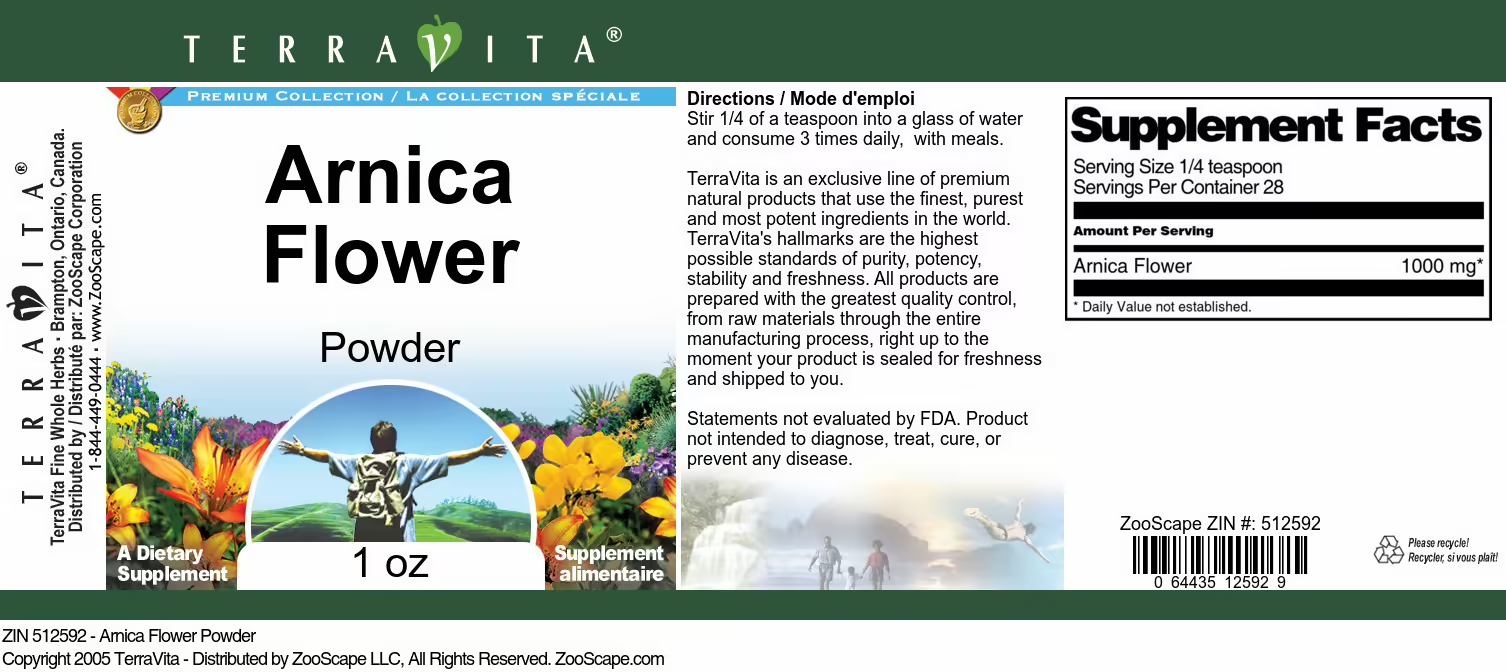
| 1 oz | 512592 | $12.02 | ||||
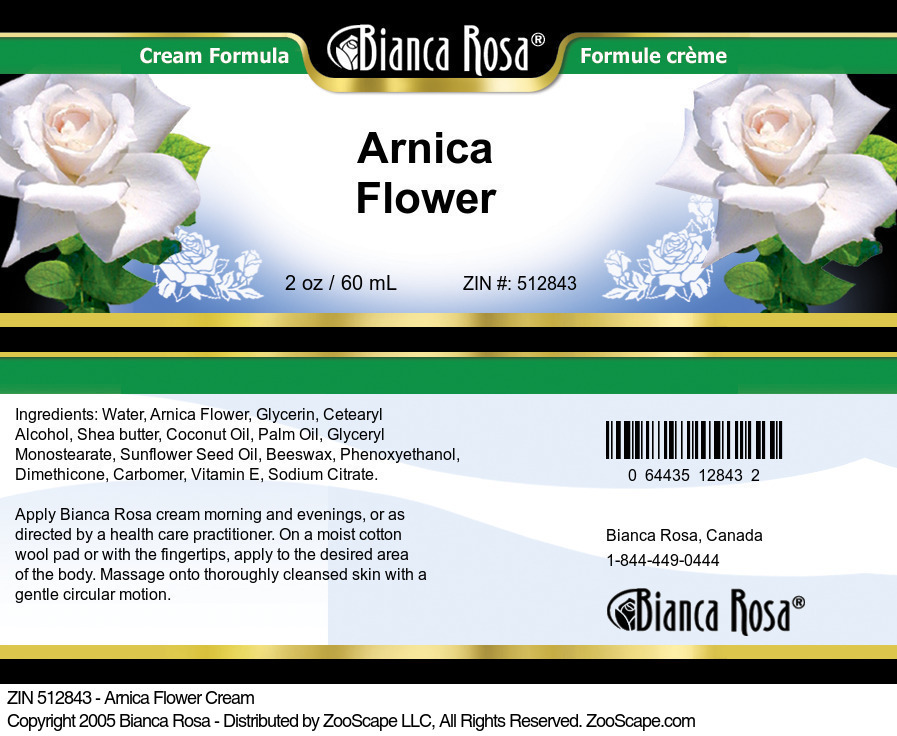
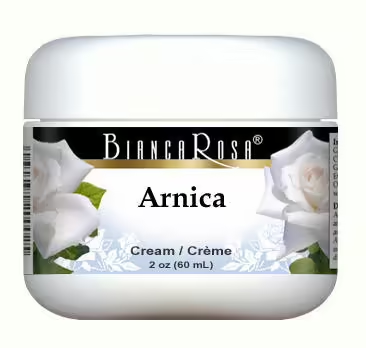
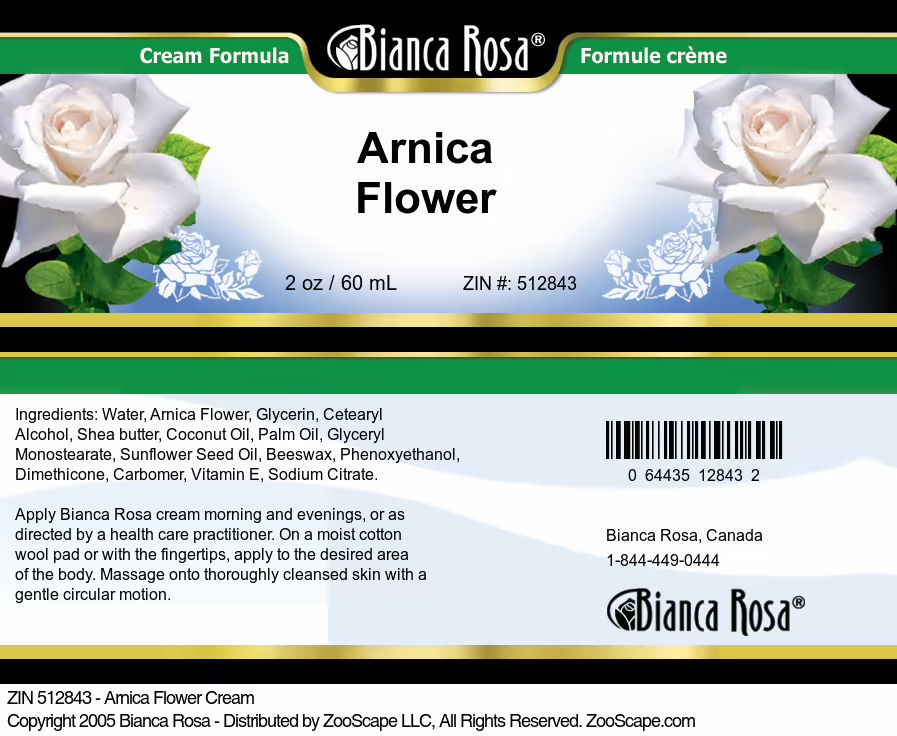
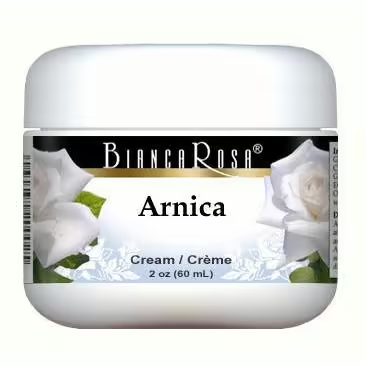
| Arnica Flower Cream | 2 oz | 512843 | $26.00 | |||
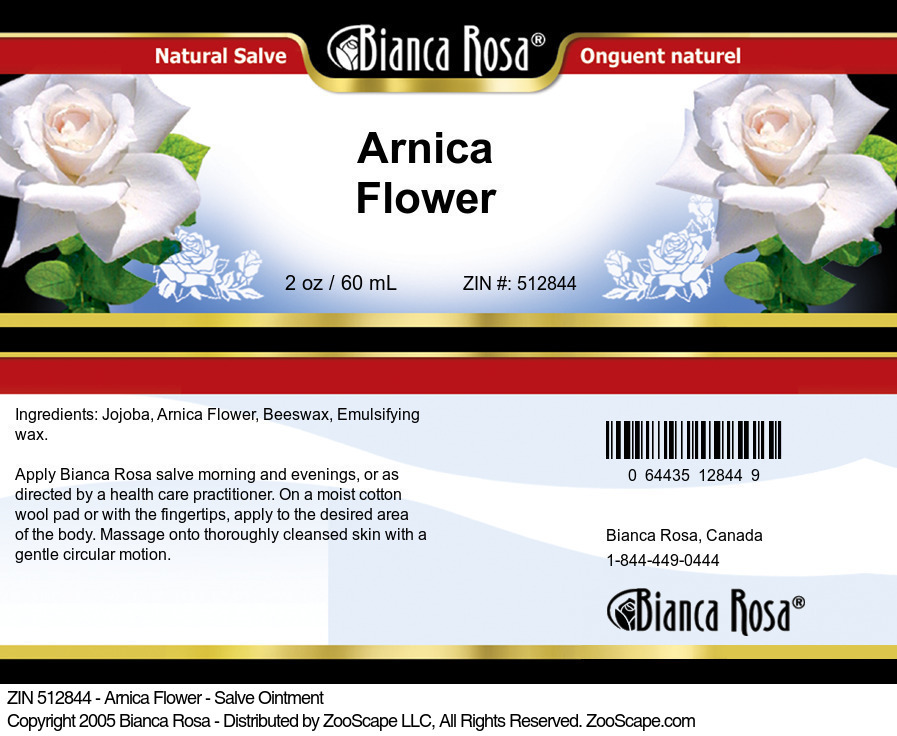
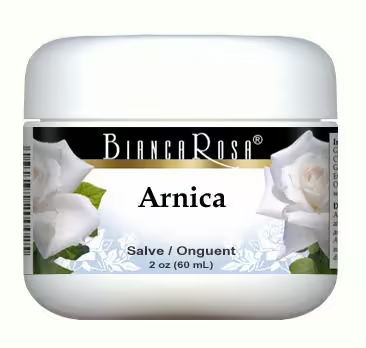
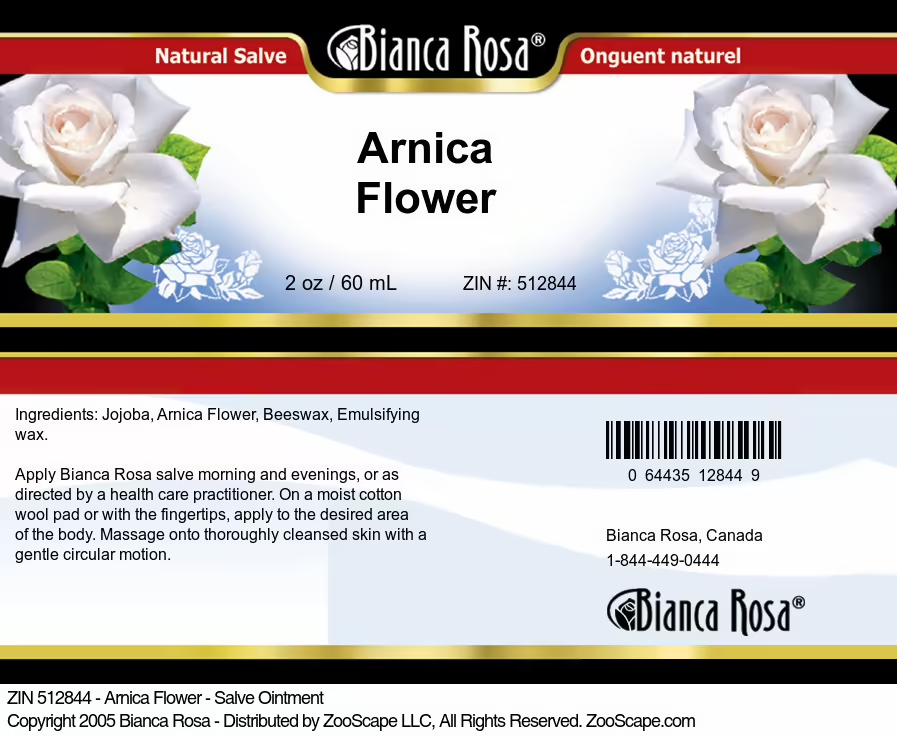
| Arnica Flower - Salve Ointment | 2 oz | 512844 | $30.77 |
Arnica montana L. (Compositae). The dried flower heads are called arnica fibs. The species are named Amica fulgens Pursh, Arnica sonoria Green, Arnica latifolia Bong., and A cordifolia Hook. Commonly called Arnica, Mountain Arnica or Mountain Tobacco; in French, Arnica; in German, Arnikabluten, Arnika, or Berg-Wohlverleih.
Source
The flowers are harvested from a perennial plant native to the mountainous regions of Europe. Flowers bloom from June to August. Several closely related species, members of the family Asteraceae, grow in the United States. Like angelica, the active ingredients are contained in essential oil that is extracted from the plant.
History
Medicines made from these flowers have been in use since the Middle Ages. It is unclear where the practice first began, but arnica-containing salves and ointments have been applied to sprains and bruises for hundreds of years. Modern practitioners have rediscovered arnica, and today some plastic surgeons give it to their patients in hopes of reducing postoperative pain and swelling.
Traditional Support Uses
Arnica can be used as an anti-inflammatory.
Commission E Recommendations
Arnica-containing ointments are used for the potential to help support symptoms of bruises, contusions, dislocated bones, furunculosis (boils), hematoma, insect bites, joint pain, phlebitis, post-traumatic edema, joint pain, and sprains. The internal use of arnica is not recommended.
Possible Effects
The essential oil contains sesquiterpene lactones. The most important component is called helenalin. It is a potent anti-inflammatory agent, and works by a new and totally different mechanism than the anti-inflammatory products prescribed by physicians. Prescription anti-inflammatories are effective because they inhibit an enzyme called cyclooxygenase. Helenalin does something different. Once helenalin enters a cell, it combines with a molecular complex called nuclear factor kappa beta (NFKB). Activation of NFKB is required to set off the inflammatory process (activating lymphocytes and other inflammatory cells) in the first place. When helenalin combines with NFKB, the process never begins, and therefore inflammation cannot occur. Unfortunately, helenalin does other things besides reduce inflammation. It also exerts effects on the heart (phosphodiesterase inhibitor), and on the liver (reduces the ability to metabolize certain other products). Helenalin also has adverse effects on blood clotting.
Dosages
Commission E recommends that ointments contain no more than 15 percent arnica oil, or not more than 20-25 percent liquid extract.
Arnica, from the Plant Arnica montana, is also called arnica flowers, arnica root, common arnica, leopardsbane, mountain arnica, mountain tobacco, and wolfsbane. Medicinal parts include the flowers and the root stock.
Arnica is a perennial plant that is generally found in mountainous areas of Canada, the northern US, and Europe. The horizontal, dark brown, branched rootstock sends up a slightly hairy, simple (or lightly branched) stem that reaches a height of 1-2 feet. The basal leaves are oblong-ovate and short-petoiled; the upper leaves are smaller and sessile. Each plant has 1-9 large, yellow, daisy-like flowerheads whose rays are notched on the outer tips. The flowers appear from June to August.
Arnica can be been used as a diaphoretic, diuretic, emollient, expectorant, stimulant, and vulnerary. Arnica is primarily for external usage. As a liquid extract or salve, it helps to promote the rejuvenating of wounds, bruises, and general irritation. However, only very dilute solutions of a liquid extract should be used, since the extract can cause blistering and inflammation when applied. Arnica is also sometimes used as a poultice, and a tea made from the flowers for a compress on the stomach to help support abdominal pains. The diluted tincture can be helpful in inflammation of the mouth and throat, and some doctors use it for internal bleeding and as a cardiac agent.
Mountain Tobacco can also be tried to help support dysentery, particularly in Italy, for some neuroses, joint pain, asthma and pulmonary catarrh. Homeopathic doctors frequently use this plant mainly for ailments such as pneumonia, acute joint pain or apoplexy.
Arnica is primarily used as an external rubbing oil or alcoholic liniment for injuries and bruises. As such, it is very effective. To make oil of arnica, simply macerate fresh or dried arnica leaves and flowers in warm sesame or olive oil for three days, then squeeze and strain through a cloth. Bottle for external use on aches, strains, bruises or injuries in which the skin has not been broken. Arnica liniment is made in a similar manner except that rubbing alcohol, vodka or gin replaces oil.
Internally, it should only be taken in minute or naturopathic dosage and is best prescribed by an experienced practitioner.
Sometimes called 'leopard's bane', the flower heads of arnica affect the blood and circulation of the body, while its stimulant and analgesic properties make it effective for bruises and painful injuries. The anti-inflammatory action is largely due to the presence of sesquiterpene lactone helenalin.
Arnica species
A. cordifolia Hook
A. fulgens Pursh
A. sororia Greene
The European Arnica montana L. is the most widely used source of arnica preparations, but the three North species named above also supply material used in drug products and are officially listed as sources of amica in the Pharmaceutical Association's "National Formulary." All of these species are reported to have similar properties. Health-wise,the three North species are generally not distinguished from each other or from the European species. Arnica angustifolia Vahl both from North America and Eurasia has also been reported to be helpful for healthl. The extent to which the North n A. chamissonis Less. is a drug source is unclear. In the following, all of the product species are referred to collectively as "arnica."
English Common Names
Arnica, wolf's-bane.
The European plant is called arnica, European arnica, mountain daisy, mountain tobacco, mountain snuff, leopard's bane (leopard's-bane), sneeze-wort, and fall-kraut. The Mexican herb Heterotheca inuloides Cass. is sometimes also referred to as "Arnica." "Arnica" from Brazil might be Solidago microglossa DC., which has been recommended as a substitute for A. montana.
Morphology
Arnicas are erect, perennial herbs 10-70 cm tall. The leaves are opposite, with smooth or toothed margins. Both simple and glandular (i.e., gland-tipped) hairs are often present. The basal leaves, 4-20 cm long, are the longest, while the uppermost leaves are short and stalkless. The leaves are particularly useful in distinguishing the three North drug species. Arnica cordifolia has long-stalked basal leaves that are broadly ovate and more or less heart-shaped, whereas A. fulgens and A. sororia have lanceolate leaves that are tapered at the base and have relatively short stalks. Arnica fulgens has dense tufts of brown hair in axils of old leaves whereas A. sororia has at most a few whitish hairs in the axils. The one to seven yellow flower heads of the product species are 1.5-3 cm across and are produced in July and August. The seeds, actually achenes (one-seeded dry fruits), are 3-10 mm long with a whitish or brownish pappus. (The pappus refers to the hairs or bristles at the top of the achene, a feature possessed by many members of the daisy family, which serves for dispersal, for example by wind or attachment to animals.) The rhizomes are short and thick in the grassland species (A. fulgens and A. sororia), but long and creeping in A. cordifolia.
Classification and Geography
The genus Arnica includes about 28 species of the north temperate region, most occurring in the montane region of western North America. All three North species that supply drugs occur in the western cordillera. Arnica fulgens and A. sororia are found largely on the high plains and interior valleys. They were once thought to be best consideredas varieties of a single species, but recent studies have shown that they are quite distinct, although more closely related to each other than to other species of the genus.
The wide ranging A. cordifolia is found in the western mountains, with isolated populations in Manitoba and the Lake Superior region. The northern populations differ from southern populations in flavonoid composition. Studies suggest that A. cordifolia gave rise to a number of narrowly distributed species of Oregon and California. Within A. cordifolia the alpine or subalpine var. pumila (Rydb.) Maguire is distinguished by its relatively small size, narrower leaves and more glandular achenes. Arnica cordifolia has five races differing in chromosome number, with the ancesiral types (the diploids, with the lowest chromosome number) restricted to the unglaciated territory in northeastern Oregon and southern Yukon. Isolated eastern occurrences of A. cordifolia in the Lake Superior region were first discovered on the Kewenaw Peninsula and the plants were described as the new species, A. whitneyi Fernald, but subsequent study suggested that they were better combined with the western A. cordifolia. The species was recently discovered in Sibley Park on the shore of Lake Superior. There are about 50 other arctic-alpine vascular plant species that were left as isolated disjuncts on or near to the cold Lake Superior shore following the glacial retreat 10 000 years ago.
Ecology
Arnica cordifolia occurs in woodlands and along woodland edges. Cutting and thimiing of forests have resulted in population increase. Prairies are the primary habitats of A. fulgens and A. sororia. The latter two species reproduce and are self-incompatible. Many different insects including bees, ffies and butterflies visit the flowers and serve as pollinators. In contrast, A. cordifolia produces seeds without fertilization, but like many other such apomicts, it can presumably also take advantage of occasional fertilization following pollination by insects. A study in The Netherlands suggested that the European A. montana is largely self-incompatible and has an outcrossing mating system.
Low levels of grazing have been found to be necessary to maintain Arnica montana in some European grasslands where it is otherwise outcompeted by grasses. Acidification of nutrient-poor soils in The Netherlands due to air pollution has been related to a decline in populations of A. montana.
Medicinal Uses
Arnica montana, the European species, was used in folk tradition in Europe for a variety of purposes, just as North Indians employed indigenous species herbally. This old supportive was used particularly as a counterirritant, an agent applied locally to produce superficial inflammation in order to help support pain in deeper adjacent areas. Disinfectant properties also led to use in support for abrasions and gunshot wounds in Europe. Arnica was also used to help support unhealthy cells. Most of these approaches are outmoded.
Arnica is still primarily used as a counterirritant, usually as a hydroalcoholic extract, to help support the inflammation and pain of bruises, sprains, and aches. Its use declined with the development of effective synthetic painkillers. It is more popular in Europe, where it is available in creams, than in North America. Application to damaged skin seems unwise considering the high irritation capability and, as noted below, it is sufficiently toxic that internal use is unwarranted.
Chemistry
In some cases entire plants or the roots are uti- lized, but most often drugs are obtained from the dried flower heads which yield a yellowish-brown powder containing arnicin, volatile oil, resin and tannin. Numerous chemical constituents have been reported, but it was only recently discovered that certain sesquiterpenoid lactones were responsible for some of the beneficial effects, particularly the anti-inflammatory action. Helenalin, dihydrohelenalin, and their esters are among the most active principles. Isomeric alcohols such as arnidiol and foradiol have been reported to contribute to counterirritant action. Much of what is known of the health properties and their chemical basis has been published in Europe.
Arnica montana and A. chamissonis ssp. foliosa have been adulterated by blending with Heterotheca inuloides, but a chromatographic method has been developed to rapidly detect this in Arnica drugs. A number of other species of the aster family have also been used to adulterate arnica preparations.
Agricultural and Commercial Aspects
Germany markets as many as 300 drug preparations containing arnica extract, while Canada has about 20 such products. Arnica is obtained from both wild and cultivated sources. The US is apparently a more important supplier than Canada, with material collected in the wild from Montana, Wyoming and the Dakotas. Decline of the wild sources and the likely capability of both the North and European plants to grow throughout much of Canada, and demonstrated ease of cultivation, make arnica a potentially interesting diversification crop for Canada.
Arnica montana has become particularly scarce in some parts of Europe, making the cultivated crop more significant. This species is now cultivated as a drug source in parts of Europe and in northern h~dia. Highly productive clones have been produced in Bavaria, with over a hundred flower heads and more than 1% of both flavonoids and sesquiterpene lactones in the harvested drug preparations. Optimal cultivation , including substrates, fertilization and climate, for productivity of A. montana in Germany and Russia have been determined. Studies in the Venetian Alps have suggested that Tephrit is arnicae, a troublesome, widespread fly pest that feeds on the ovaries in the flower heads of A. montana, might be controlled effectively. Related species of Arnica, such as A. foliosa and A. chamissonis, have been found to be useful as alternative drug sources.
Some characteristics of the North species of Arnica adapt them to cultivation. These include rapid maturation (i.e., flowering) in the second year after growth from seed; rapid multiplication by rhizomes; upper parts harvest readily, leaving the rhizomes for subsequent growth; self-seeding by some species, so replanting is not necessary.
Myths, Legends, Tales, Folklore, and Interesting Facts
- One of the stranger old-time health preparations is "toad ointment," used to help support sprains, strains, lame back, joint pain, caked breast, caked udders, etc. A recipe is: put four good-sized toads into boiling water and cook until very soft; remove them and boil the water down to 1/2 pint; add 1 pound of fresh churned, unsalted butter and simmer; add 2 ounces of liquid extract of arnica.
- Although not safe for internal consumption by humans, Arnica cordifolia has been identified as an important constituent of the diet of elk and mule deer.
- Applied to the bald scalp, arnica is said to make hair grow (although skin irritation is the more likely result).
- Large quantities of arnica were used to help support soldiers during World War II.
- Arnica, from the European Arnica montana, is said to be one of the most frequently used herbal supportives for sports injuries, including "Tennis Elbow." Swiss mountain climbers have sought out the herb and chewed it to help support sore, tired muscles (a dangerous practice in view of its poisonous and allergenic properties).
- Arnica montana was attractively pictured (along with crowberry) on a 1995 Swedish postal stamp.
Arnica
Arnica montana L.
Family Name: Asteraceaea.
Other Names: Arnica (French); Arnika, Bergwohlverleih (German); arnica (Italian); arnca (Spanish).
Description: A perennial herb with hairy leaves and large, deep yellow flower heads. A. chamissonis differs from A. montana in the more erect habit and smaller flower heads.
Origin: A. chamissonis is a North species that has become an important commercial (cultivated) source, together with A. Jidgens and others. The well-known A. montana occurs naturally in central and northern Europe. Material from the wild has become limited.
Parts Used: Mainly flowerheads (Arnicae flos) or extracts and volatile oil thereof, rarely roots or whole plant.
Therapeutic Category: Anti-inflammatory, counter-irritant, wound-mending.
Active Ingredients: The main active principles (0.2 - 0.5%) are helenalin and related sesquiterpene lactones, to which the bitterness of the herb is ascribed. Also present are flavones and flavonols, a volatile oil (with thymol, thymolmethylether and azulene), triterpenoids, phenolic acids and polysaccharides.
Health Effects: Sesquiterpene lactones, such as helenalin, can form covalent bonds with proteins and thus alter their properties. These and the other arnica compounds have mutagenic, anti-inflammatory properties. Topically applied they show analgesic, antiseptic, hyperaemic and wound-mending effects.
Status: Pharm.; Comm. E+; ESCOP 4.
Preparation and Dosage: Extracts are used as ointments and liniments, often applied as a compress. An infusion of 2 g of herb in 100 mL water.
The Shakers of New Lebanon (New York State) recommended it for external application to a number of wounds and they made a salve "by heating one ounce of flowers with one ounce of lard for a few hours". It is poisonous if taken internally and even the salve could cause skin irritation if used too freely. It is, however, a highly ornamental plant with a long flowering season. Arnica should be placed well towards the front of its bed as it resents crowding and shading from other things. Any soil which is well drained will suit.
History
The name comes from the ancient Greek, possibly from arnakis or 'lamb's skin' as the soft texture of the leaves is rather like it, or from ptarmikos, or 'sneezing', as it has this effect. Arnica is also commonly known as "mountain tobacco" as the leaves and roots were smoked. Pier Andrea Mattioli, physician to Emperor Ferdinand I, recommended it in his tome of herbal healths Commentarii in 1544. It was much favored in Austria and Germany from the sixteenth century. It is said that Goethe (1749-1832) took it in his old age for angina. The Indians used it to help support symptoms of muscular pain, sprains, and bruises.
Characteristics
A fully hardy rhizomatous perennial growing to up to 24 inches high and spreading to 6 inches. It has a basal rosette of ovate, light green, hairy leaves 2 to 7 inches long. It bears golden-yellow, scented, daisy-type flowers about 2 inches across throughout the summer.
Growing Tips
Being an alpine, arnica needs a cool climate, sandy soil rich in humus, sharp drainage, and a sunny position. It can take two years to germinate from seed. The easiest way to propagate it is to grow it from a piece of the rhizomatous root, which divides easily. (There are legal restrictions on arnica in the USA.)
Medicinal Usage
Health-wise,arnica has remarkable properties and can assist in the rejuvenating process. Bruises, cuts, and abrasions all respond very well to arnica cream. Sports injuries, when caught early, will improve quickly with an arnica preparation.
Recent studies on arnica have suggested that internal use should be avoided. The United States has ruled the plant unsafe for internal use, however, short-term internal use, under the supervision of a qualified practitioner, may be helpful for the control of some heart complaints.
*Note: For arnica products, in general, internal use should be restricted to professional guidance, but naturopathic preparations containing arnica are considered to be very safe. Cream products can be safely applied to any part of the body.
ZooScape is proud to be the exclusive distributor of TerraVita teas, herbs and supplements in the United States, Canada and around the world. Please direct all wholesale and bulk inquiries to 1-844-449-0444.
TerraVita is an exclusive line of premium-quality, natural source products that use only the finest, purest and most potent ingredients found around the world. TerraVita is hallmarked by the highest possible standards of purity, potency, stability and freshness. All of our products are prepared with the highest elements of quality control, from raw materials through the entire manufacturing process, up to and including the moment that the bottles or bags are sealed for freshness and shipped out to you. Our highest possible standards are certified by independent laboratories and backed by our personal guarantee.
TerraVita exists to meet and ensure your family's health and wellness without the harmful effects or chemicals and prescription medications. We strive to make all of our products affordable and reliable and are constantly searching the market to maintain our affordability and to look for new ways to serve you and the ones you love. TerraVita has become a trusted household name for many families and can bring you and yours the very best herbal supplements, blends, teas and spices that are on the market today.
ZooScape is proud to be the exclusive distributor of TerraVita teas, herbs and supplements in the United States, Canada and around the world. Please direct all wholesale and bulk inquiries to 1-844-449-0444.
TerraVita is an exclusive line of premium-quality, natural source products that use only the finest, purest and most potent ingredients found around the world. TerraVita is hallmarked by the highest possible standards of purity, potency, stability and freshness. All of our products are prepared with the highest elements of quality control, from raw materials through the entire manufacturing process, up to and including the moment that the bottles or bags are sealed for freshness and shipped out to you. Our highest possible standards are certified by independent laboratories and backed by our personal guarantee.
TerraVita exists to meet and ensure your family's health and wellness without the harmful effects or chemicals and prescription medications. We strive to make all of our products affordable and reliable and are constantly searching the market to maintain our affordability and to look for new ways to serve you and the ones you love. TerraVita has become a trusted household name for many families and can bring you and yours the very best herbal supplements, blends, teas and spices that are on the market today.
TerraVita is packed in tamper-proof, food-grade, recyclable containers.
ZooScape is proud to be the exclusive distributor of TerraVita teas, herbs and supplements in the United States, Canada and around the world. Please direct all wholesale and bulk inquiries to 1-844-449-0444.
Bianca Rosa is an exclusive line of premium-quality natural products sourced from only the finest and purest ingredients from around the world. Bianca Rosa is hallmarked by the highest possible standards of purity, stability and freshness. All Bianca Rosa products are prepared with the highest level of quality control, from the raw materials used through the entire manufacturing process, up to and including the moment that the finished product is sealed for freshness and shipped to you. Our highest possible standards backed by our personal guarantee.
Bianca Rosa makes all products as affordable as possible and we are constantly searching the market to maintain our affordability and to look for new ways to serve you. Bianca Rosa has been a trusted household name for many families throughout the world since the 1990s. Bianca Rosa is packed in tamper-proof, recyclable containers.
ZooScape is proud to be the exclusive distributor of all Bianca Rosa products, including creams, salves and oils in the United States, Canada and around the world. Please direct all wholesale and bulk inquiries to 1-844-449-0444.
TerraVita is an exclusive line of premium-quality, natural source products that use only the finest, purest and most potent ingredients found around the world. TerraVita is hallmarked by the highest possible standards of purity, potency, stability and freshness. All of our products are prepared with the highest elements of quality control, from raw materials through the entire manufacturing process, up to and including the moment that the bottles or bags are sealed for freshness and shipped out to you. Our highest possible standards are certified by independent laboratories and backed by our personal guarantee.
TerraVita exists to meet and ensure your family's health and wellness without the harmful effects or chemicals and prescription medications. We strive to make all of our products affordable and reliable and are constantly searching the market to maintain our affordability and to look for new ways to serve you and the ones you love. TerraVita has become a trusted household name for many families and can bring you and yours the very best herbal supplements, blends, teas and spices that are on the market today.
ZooScape is proud to be the exclusive distributor of TerraVita teas, herbs and supplements in the United States, Canada and around the world. Please direct all wholesale and bulk inquiries to 1-844-449-0444.
TerraVita is an exclusive line of premium-quality, natural source products that use only the finest, purest and most potent ingredients found around the world. TerraVita is hallmarked by the highest possible standards of purity, potency, stability and freshness. All of our products are prepared with the highest elements of quality control, from raw materials through the entire manufacturing process, up to and including the moment that the bottles or bags are sealed for freshness and shipped out to you. Our highest possible standards are certified by independent laboratories and backed by our personal guarantee.
TerraVita exists to meet and ensure your family's health and wellness without the harmful effects or chemicals and prescription medications. We strive to make all of our products affordable and reliable and are constantly searching the market to maintain our affordability and to look for new ways to serve you and the ones you love. TerraVita has become a trusted household name for many families and can bring you and yours the very best herbal supplements, blends, teas and spices that are on the market today.
TerraVita is packed in tamper-proof, food-grade, recyclable containers.
ZooScape is proud to be the exclusive distributor of TerraVita teas, herbs and supplements in the United States, Canada and around the world. Please direct all wholesale and bulk inquiries to 1-844-449-0444.
Bianca Rosa is an exclusive line of premium-quality natural products sourced from only the finest and purest ingredients from around the world. Bianca Rosa is hallmarked by the highest possible standards of purity, stability and freshness. All Bianca Rosa products are prepared with the highest level of quality control, from the raw materials used through the entire manufacturing process, up to and including the moment that the finished product is sealed for freshness and shipped to you. Our highest possible standards backed by our personal guarantee.
Bianca Rosa makes all products as affordable as possible and we are constantly searching the market to maintain our affordability and to look for new ways to serve you. Bianca Rosa has been a trusted household name for many families throughout the world since the 1990s. Bianca Rosa is packed in tamper-proof, recyclable containers.
ZooScape is proud to be the exclusive distributor of all Bianca Rosa products, including creams, salves and oils in the United States, Canada and around the world. Please direct all wholesale and bulk inquiries to 1-844-449-0444.
These statements have not been evaluated by the Food and Drug Administration (FDA). Products are intended to support general well being and are not intended to treat, diagnose, prevent, or cure any condition or disease.
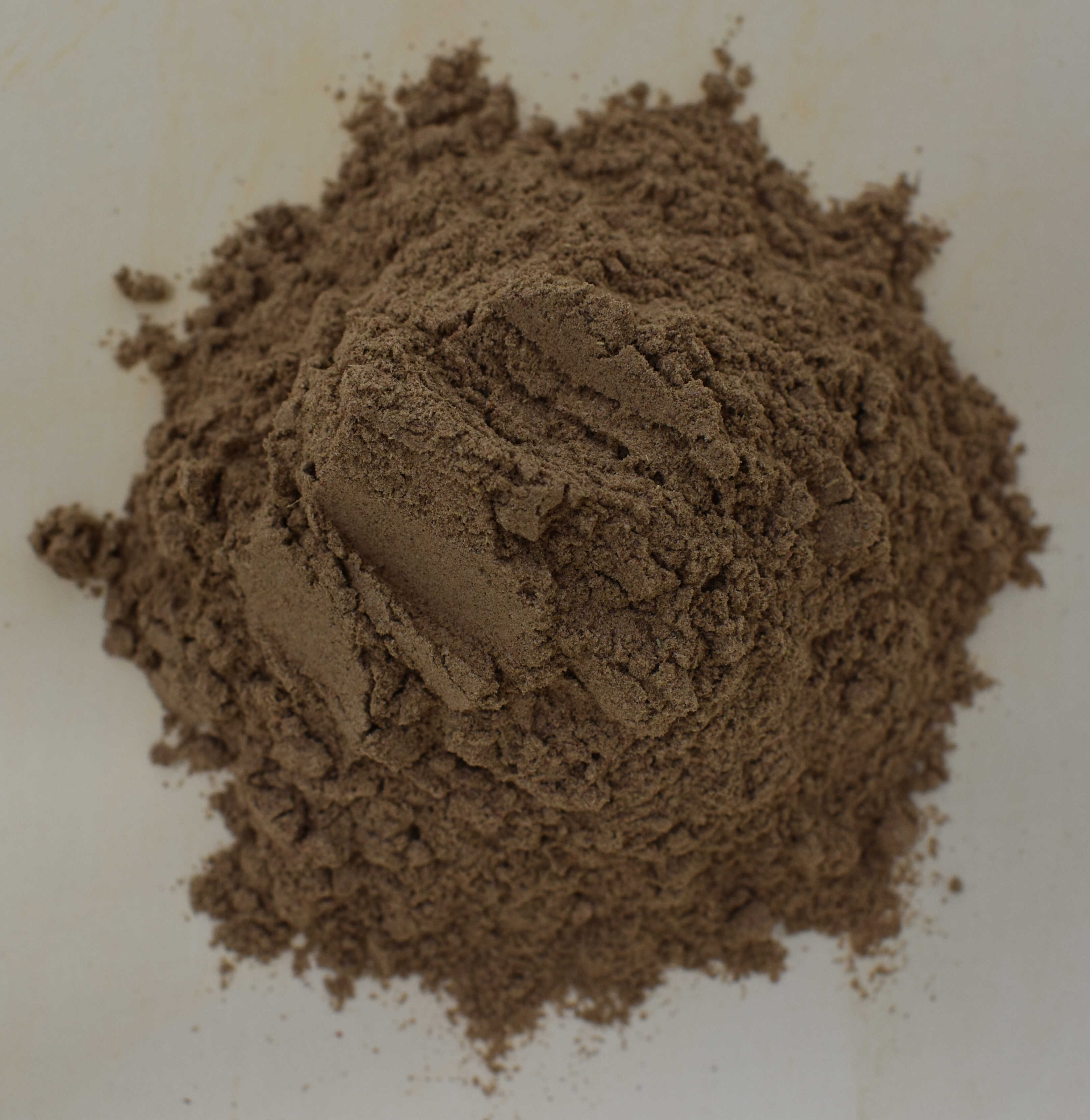
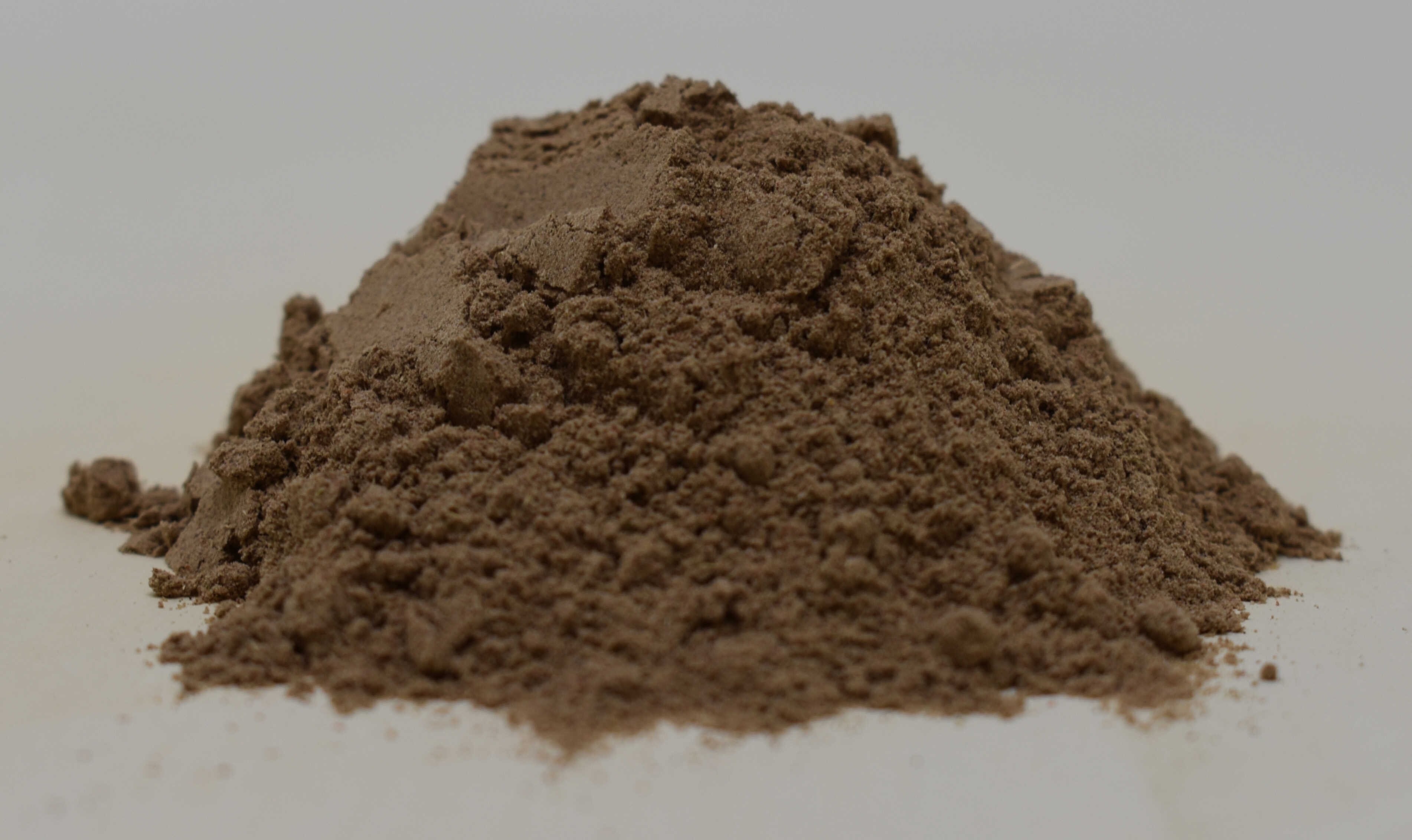
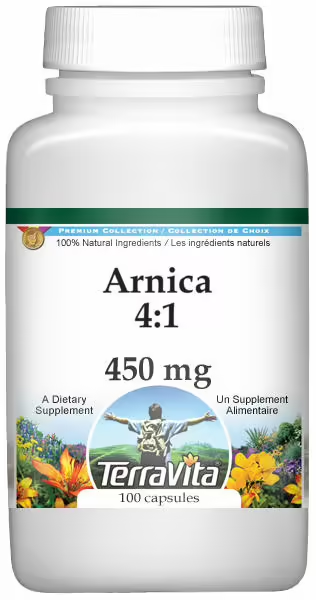
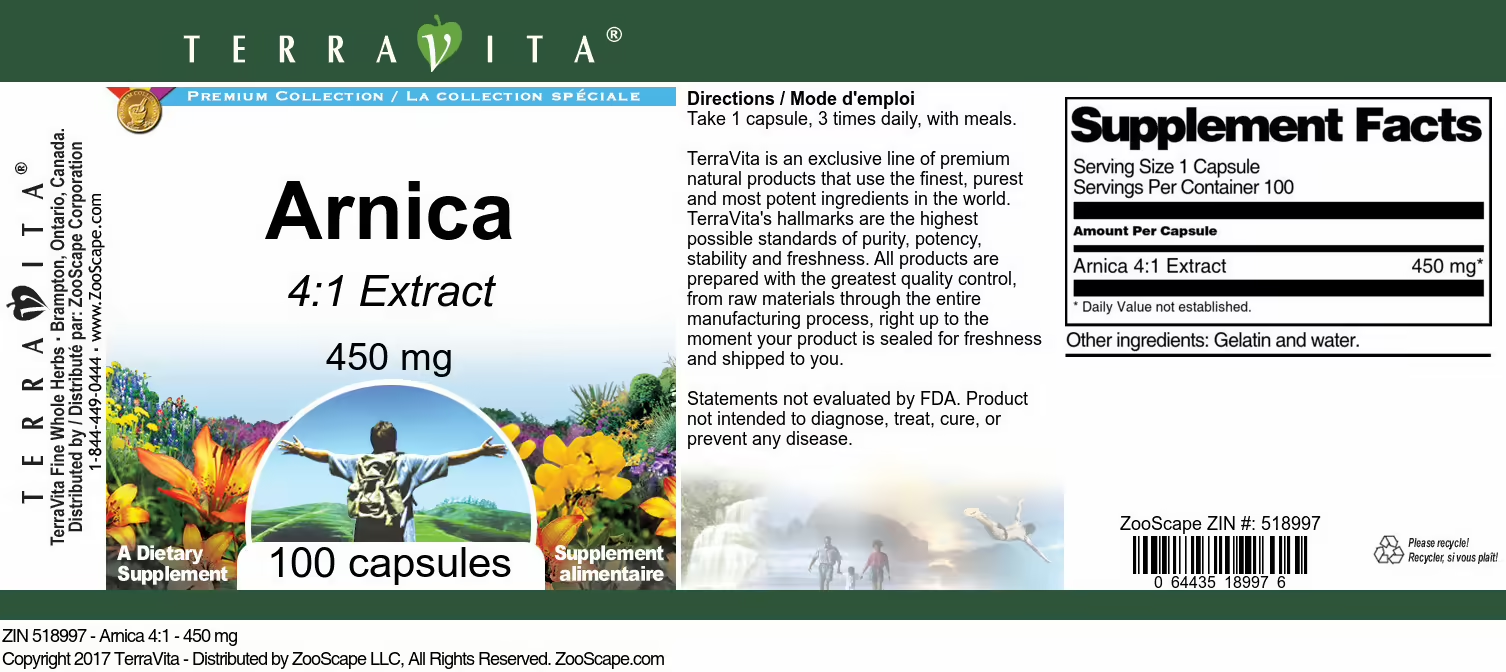
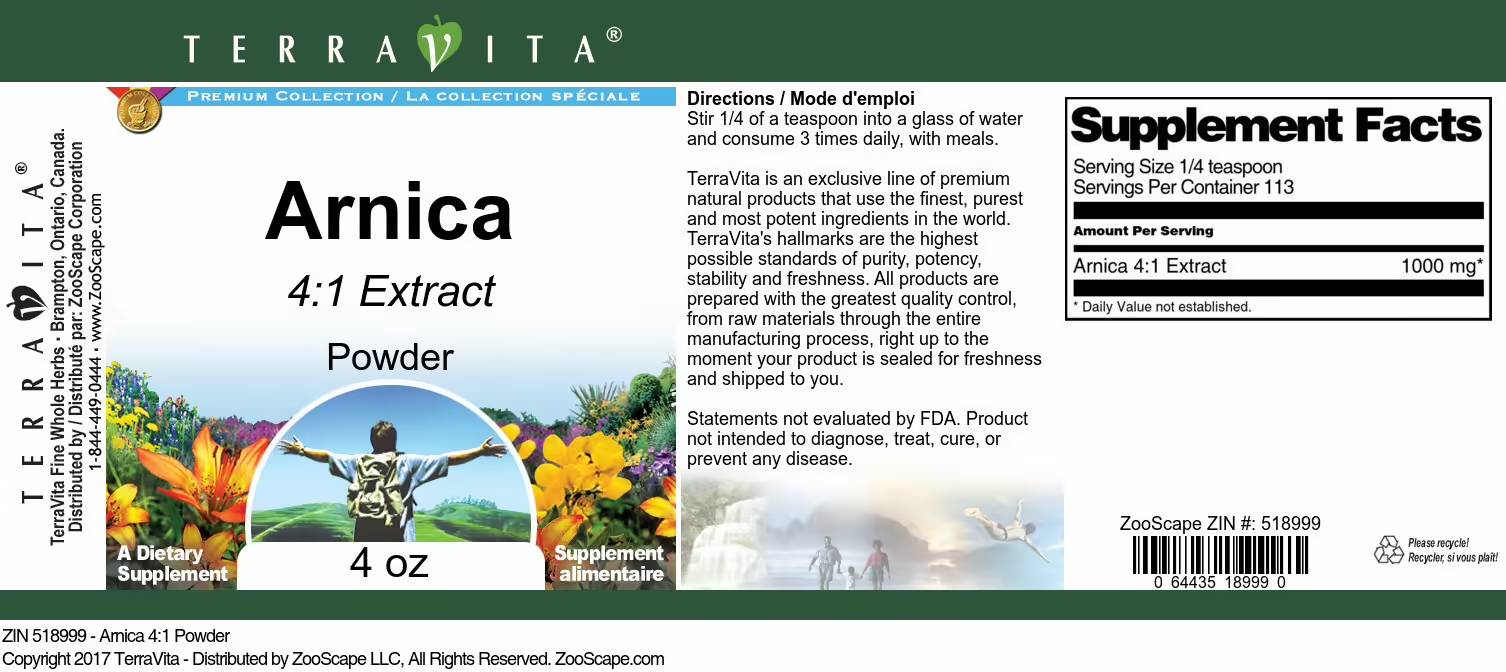
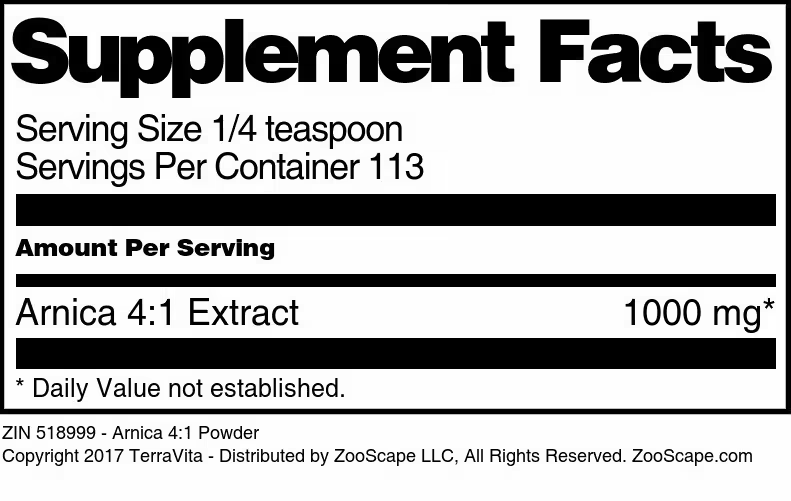
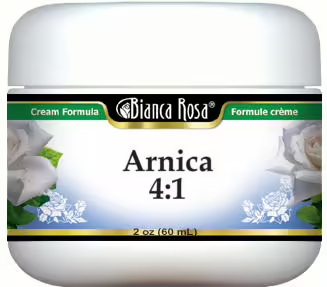
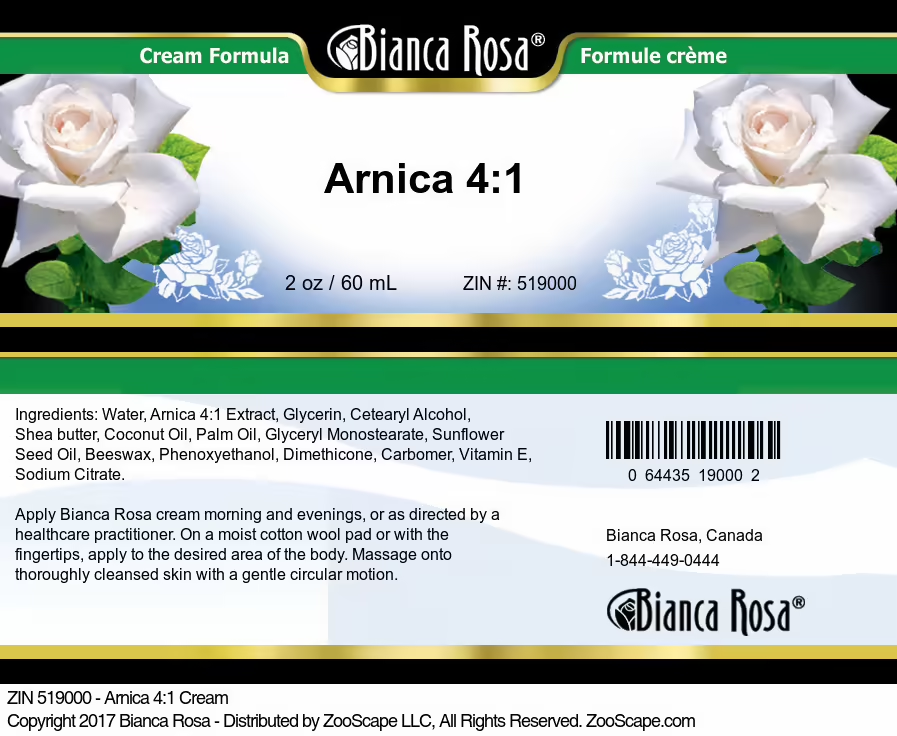
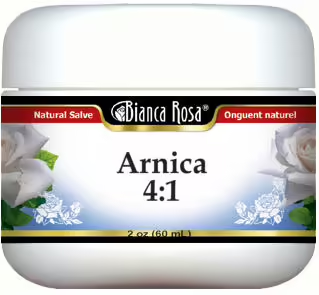
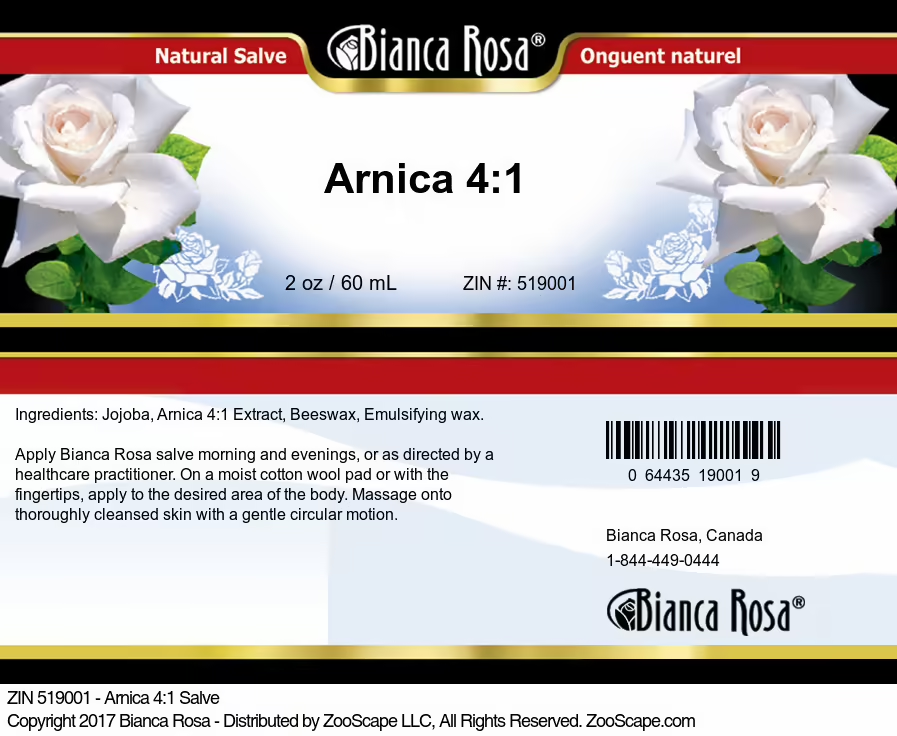
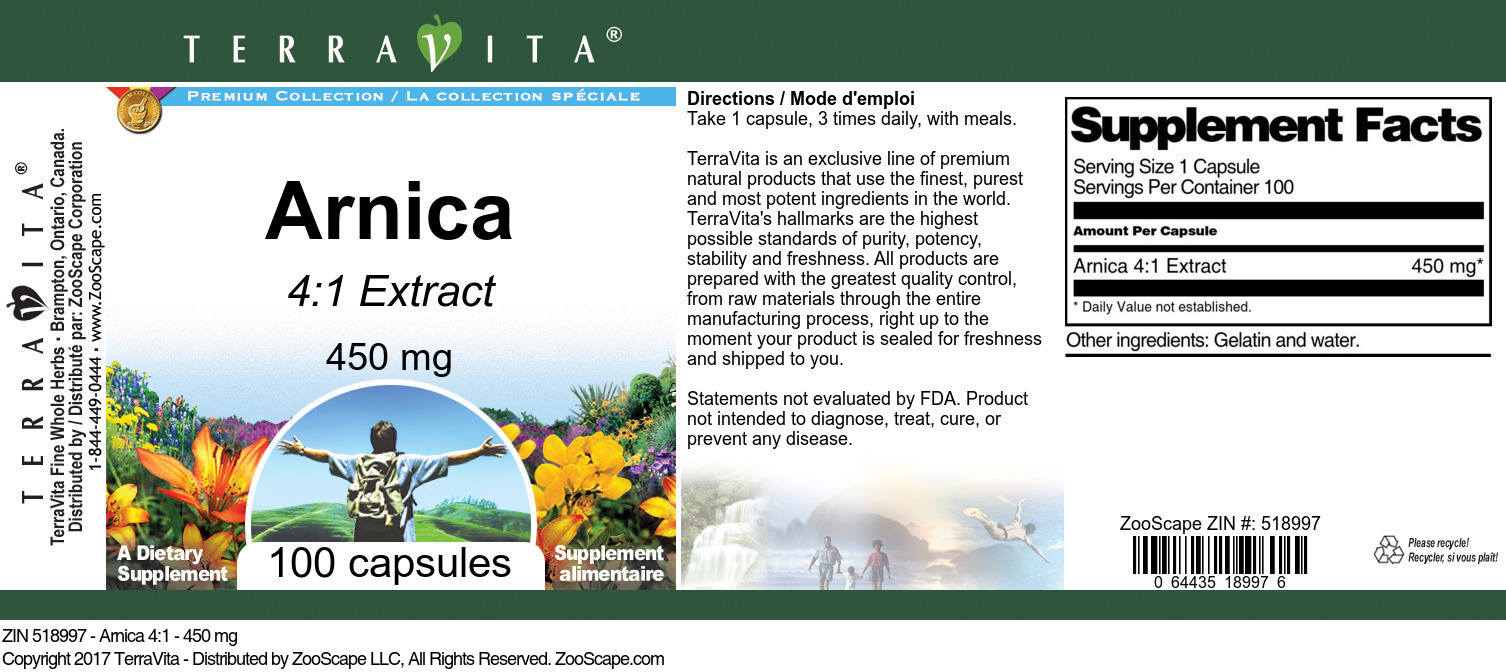
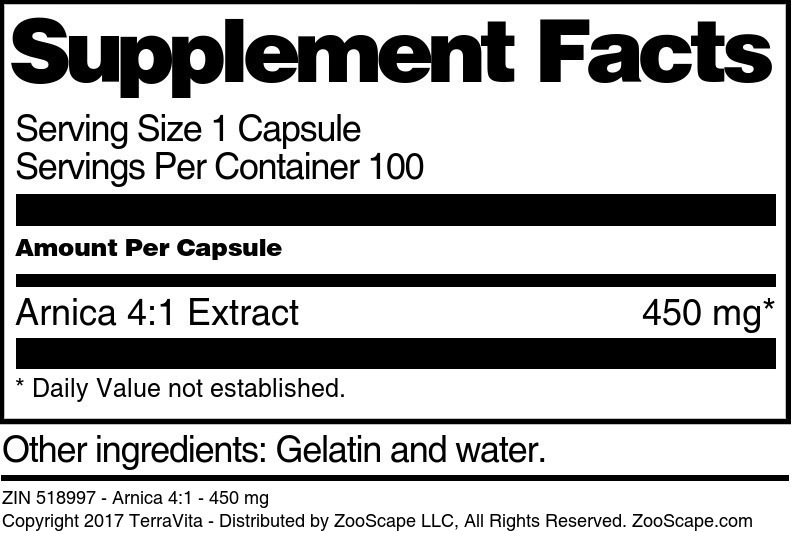
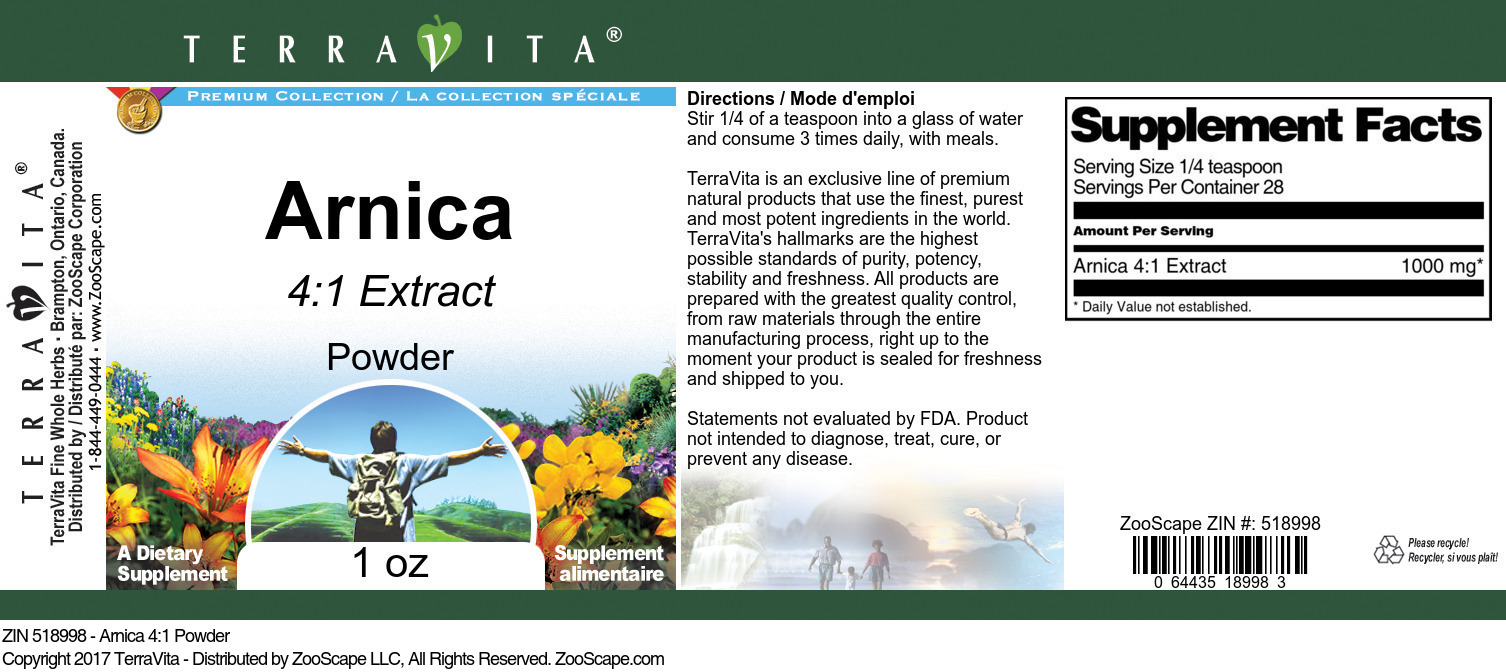
Arnica 4:1 Extract
| Images | Product Name | Size | ZIN | Price | Quantity | Add to Cart |
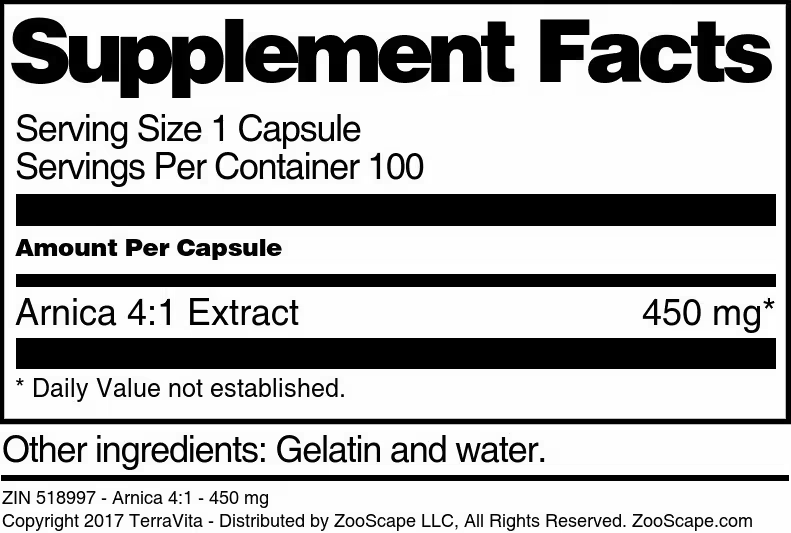
| Arnica 4:1 - 450 mg | 100 capsules | 518997 | $32.36 | |||
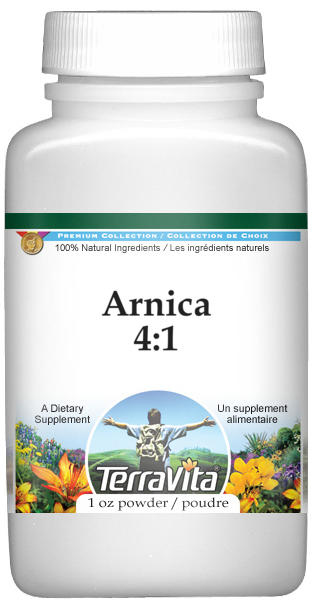
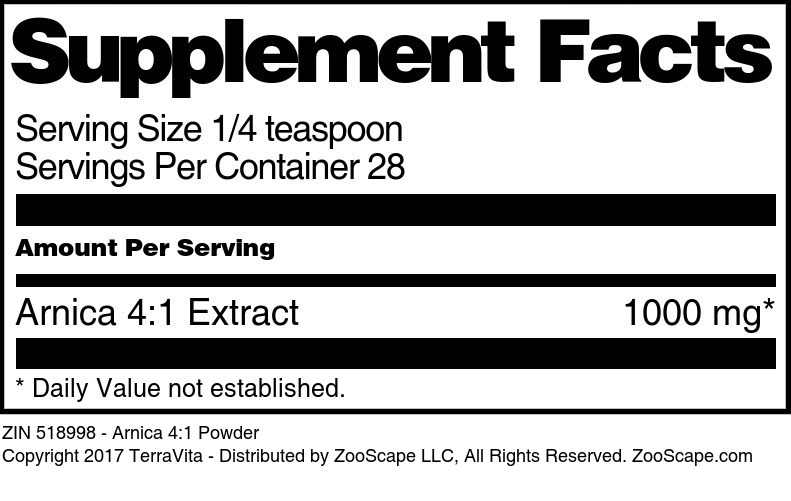
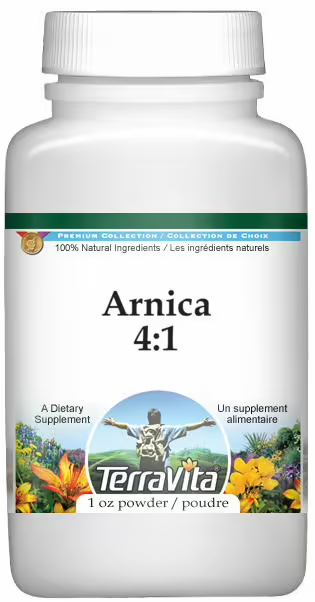
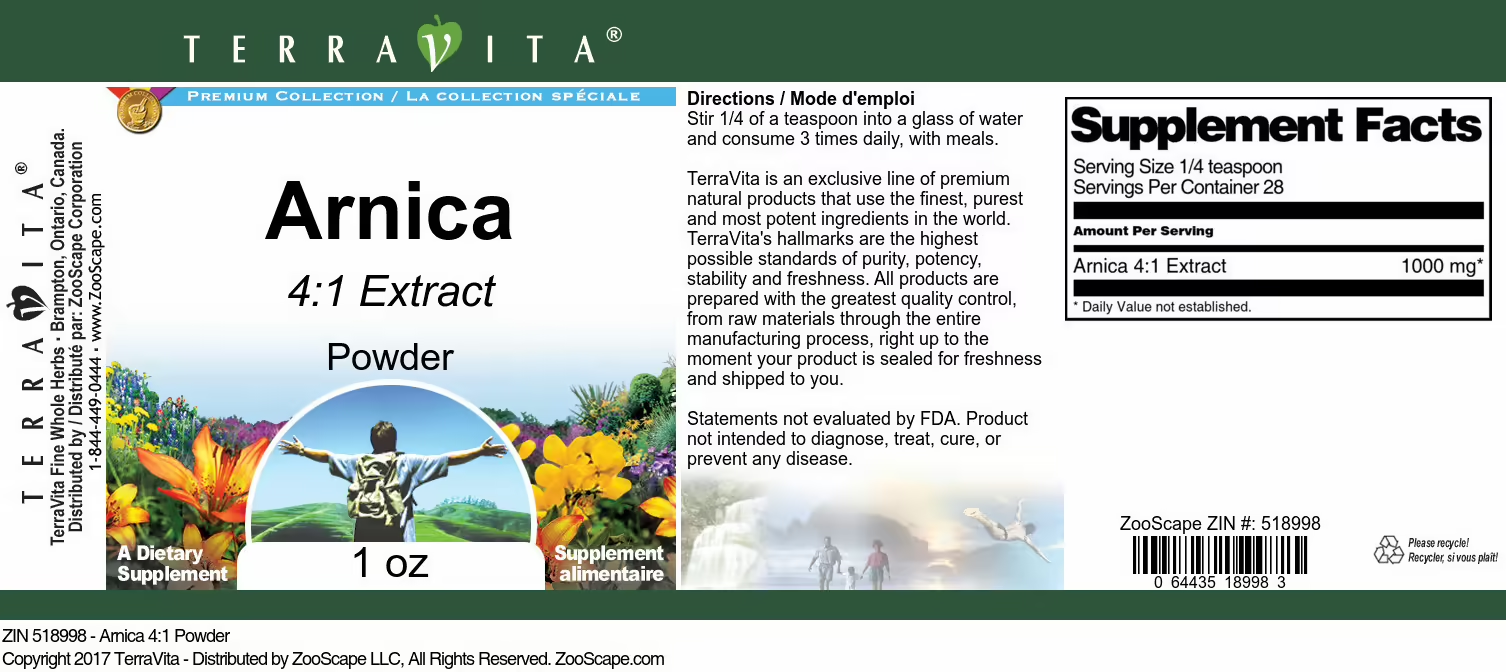
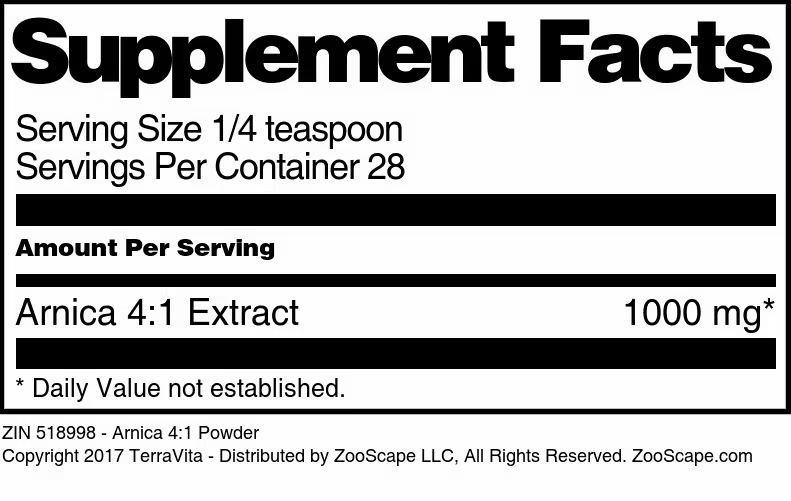
| Arnica 4:1 Powder | 1 oz | 518998 | $14.21 | |||
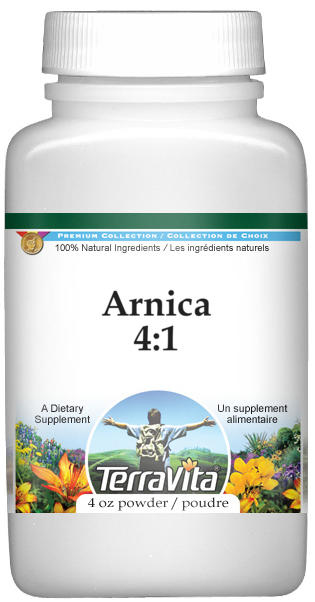
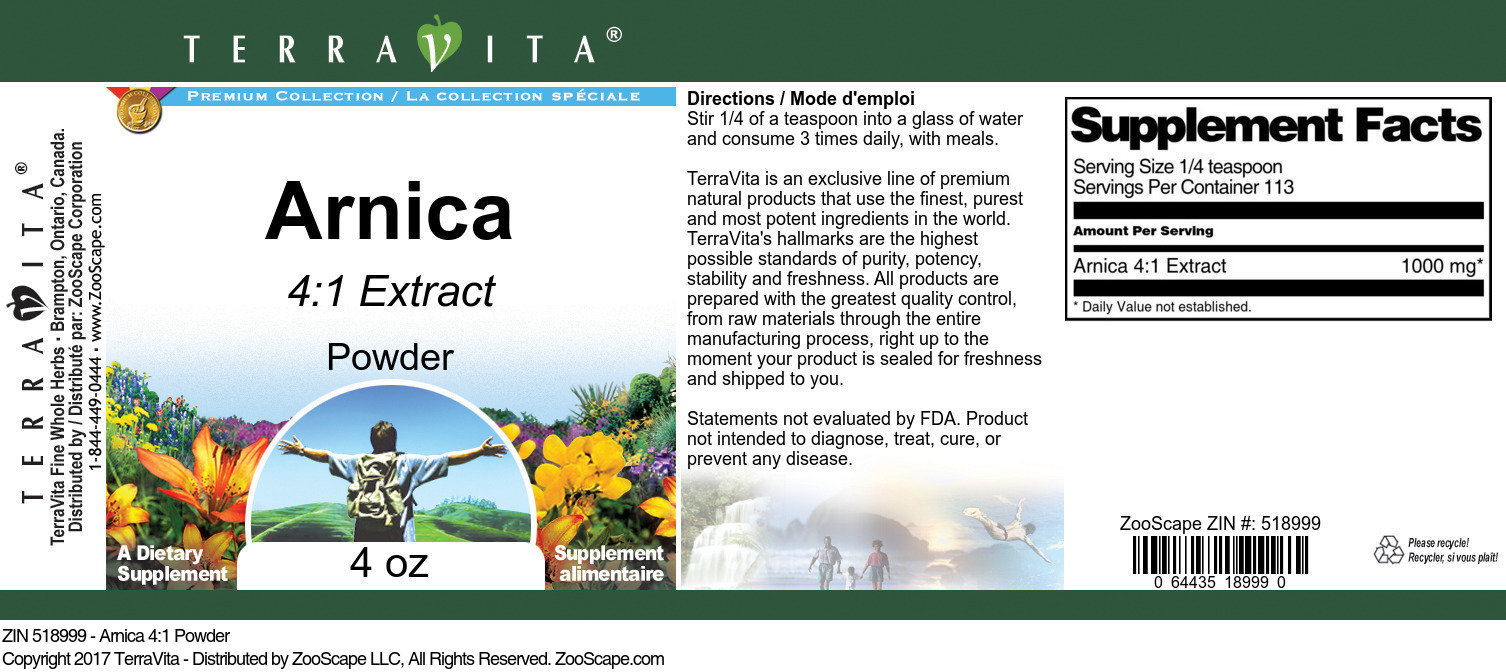
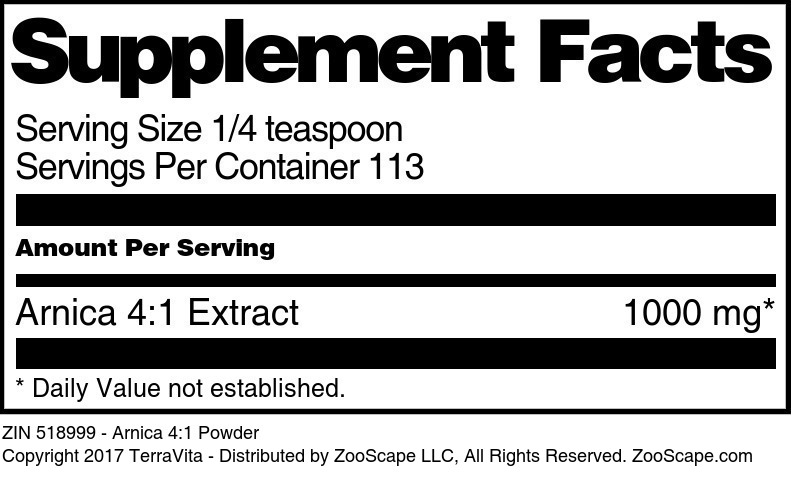
| 4 oz | 518999 | $30.08 | ||||
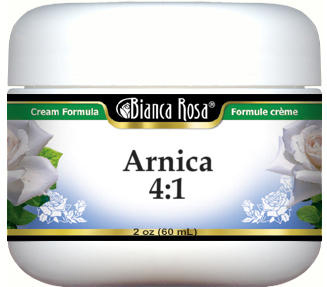
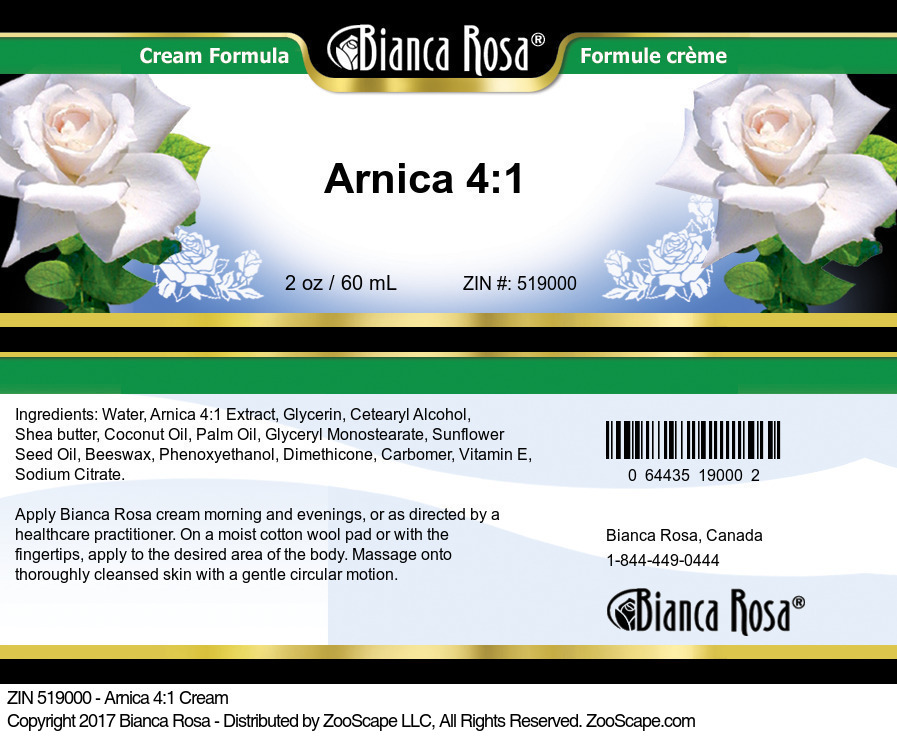
| Arnica 4:1 Cream | 2 oz | 519000 | $44.65 | |||
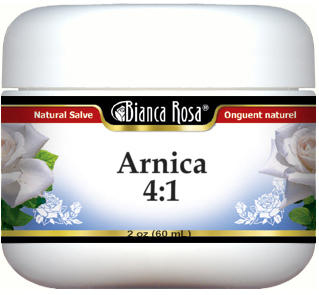
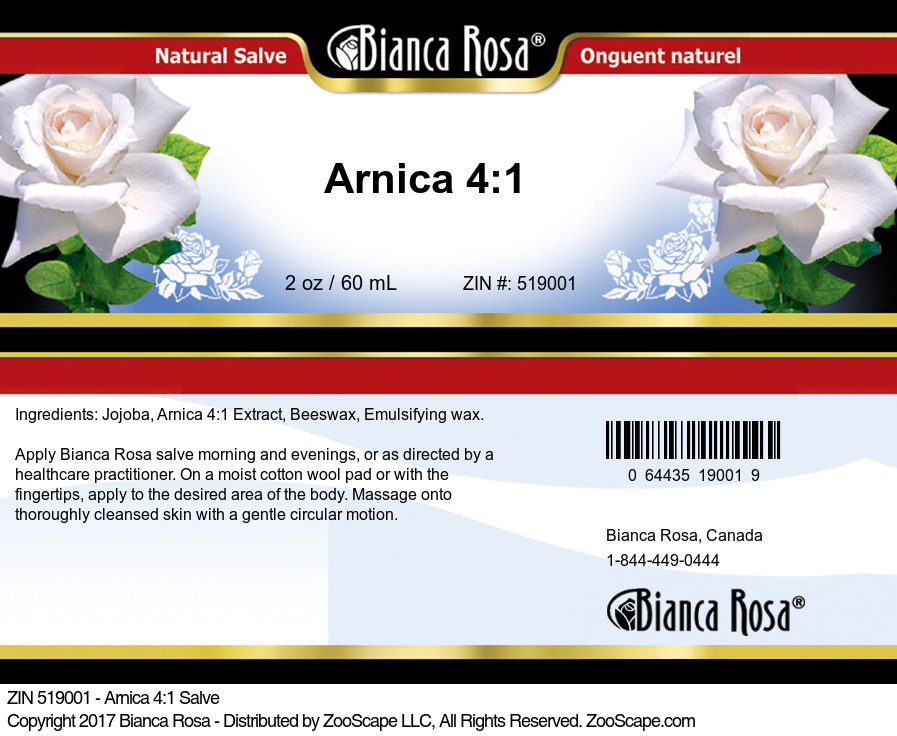
| Arnica 4:1 Salve | 2 oz | 519001 | $48.98 |
Country of Origin: Ecuador
Latin Botanical Name: Arnica Montana
Plant Parts Used: Flower / Stem
Latin Botanical Name: Arnica Montana
Plant Parts Used: Flower / Stem
TerraVita is an exclusive line of premium-quality, natural source products that use only the finest, purest and most potent ingredients found around the world. TerraVita is hallmarked by the highest possible standards of purity, potency, stability and freshness. All of our products are prepared with the highest elements of quality control, from raw materials through the entire manufacturing process, up to and including the moment that the bottles or bags are sealed for freshness and shipped out to you. Our highest possible standards are certified by independent laboratories and backed by our personal guarantee.
TerraVita exists to meet and ensure your family's health and wellness without the harmful effects or chemicals and prescription medications. We strive to make all of our products affordable and reliable and are constantly searching the market to maintain our affordability and to look for new ways to serve you and the ones you love. TerraVita has become a trusted household name for many families and can bring you and yours the very best herbal supplements, blends, teas and spices that are on the market today.
TerraVita is packed in tamper-proof, food-grade, recyclable containers.
ZooScape is proud to be the exclusive distributor of TerraVita teas, herbs and supplements in the United States, Canada and around the world. Please direct all wholesale and bulk inquiries to 1-844-449-0444.
Bianca Rosa is an exclusive line of premium-quality natural products sourced from only the finest and purest ingredients from around the world. Bianca Rosa is hallmarked by the highest possible standards of purity, stability and freshness. All Bianca Rosa products are prepared with the highest level of quality control, from the raw materials used through the entire manufacturing process, up to and including the moment that the finished product is sealed for freshness and shipped to you. Our highest possible standards backed by our personal guarantee.
Bianca Rosa makes all products as affordable as possible and we are constantly searching the market to maintain our affordability and to look for new ways to serve you. Bianca Rosa has been a trusted household name for many families throughout the world since the 1990s. Bianca Rosa is packed in tamper-proof, recyclable containers.
ZooScape is proud to be the exclusive distributor of all Bianca Rosa products, including creams, salves and oils in the United States, Canada and around the world. Please direct all wholesale and bulk inquiries to 1-844-449-0444.
TerraVita exists to meet and ensure your family's health and wellness without the harmful effects or chemicals and prescription medications. We strive to make all of our products affordable and reliable and are constantly searching the market to maintain our affordability and to look for new ways to serve you and the ones you love. TerraVita has become a trusted household name for many families and can bring you and yours the very best herbal supplements, blends, teas and spices that are on the market today.
TerraVita is packed in tamper-proof, food-grade, recyclable containers.
ZooScape is proud to be the exclusive distributor of TerraVita teas, herbs and supplements in the United States, Canada and around the world. Please direct all wholesale and bulk inquiries to 1-844-449-0444.
Bianca Rosa is an exclusive line of premium-quality natural products sourced from only the finest and purest ingredients from around the world. Bianca Rosa is hallmarked by the highest possible standards of purity, stability and freshness. All Bianca Rosa products are prepared with the highest level of quality control, from the raw materials used through the entire manufacturing process, up to and including the moment that the finished product is sealed for freshness and shipped to you. Our highest possible standards backed by our personal guarantee.
Bianca Rosa makes all products as affordable as possible and we are constantly searching the market to maintain our affordability and to look for new ways to serve you. Bianca Rosa has been a trusted household name for many families throughout the world since the 1990s. Bianca Rosa is packed in tamper-proof, recyclable containers.
ZooScape is proud to be the exclusive distributor of all Bianca Rosa products, including creams, salves and oils in the United States, Canada and around the world. Please direct all wholesale and bulk inquiries to 1-844-449-0444.
These statements have not been evaluated by the Food and Drug Administration (FDA). Products are intended to support general well being and are not intended to treat, diagnose, prevent, or cure any condition or disease.