
Rose Black Tea,TerraVita,buy,purchase,tea,teas,flavored tea,flavored teas,flavoureflavored tea bags,flavoured tea bags,flavoured tea bag,flavored tea leaf,flavored tea leafs,flavoured tea leaf,flavoured tea leafs,flavored tea leave,flavored tea leaves,flavoured tea leave,flavoured tea leaves,loose tea
Books
Sign In | View Cart Cart | Wish List | Help
ToysHealthPersonalAdultBaby
Home & Garden
Checkout Now »
Cart Cart Cart
0 Items
Cart
100% Safe and Private!
Search     for:    
Phone - 1-800-760-8783
Books
You are here: Home > Health > Tea > Floral Tea > RoseHealth

Tea
Floral Tea
Chamomile
Elder Flower
Hibiscus
Jasmine
Linden
Passiflora
Poppy Flower
Rose


Questions?

Telephone Us Now!

1-800-760-8783
1-905-494-1785

Email us now!
 
All Products - #5 of 10:   Previous  Previous  Next  Next

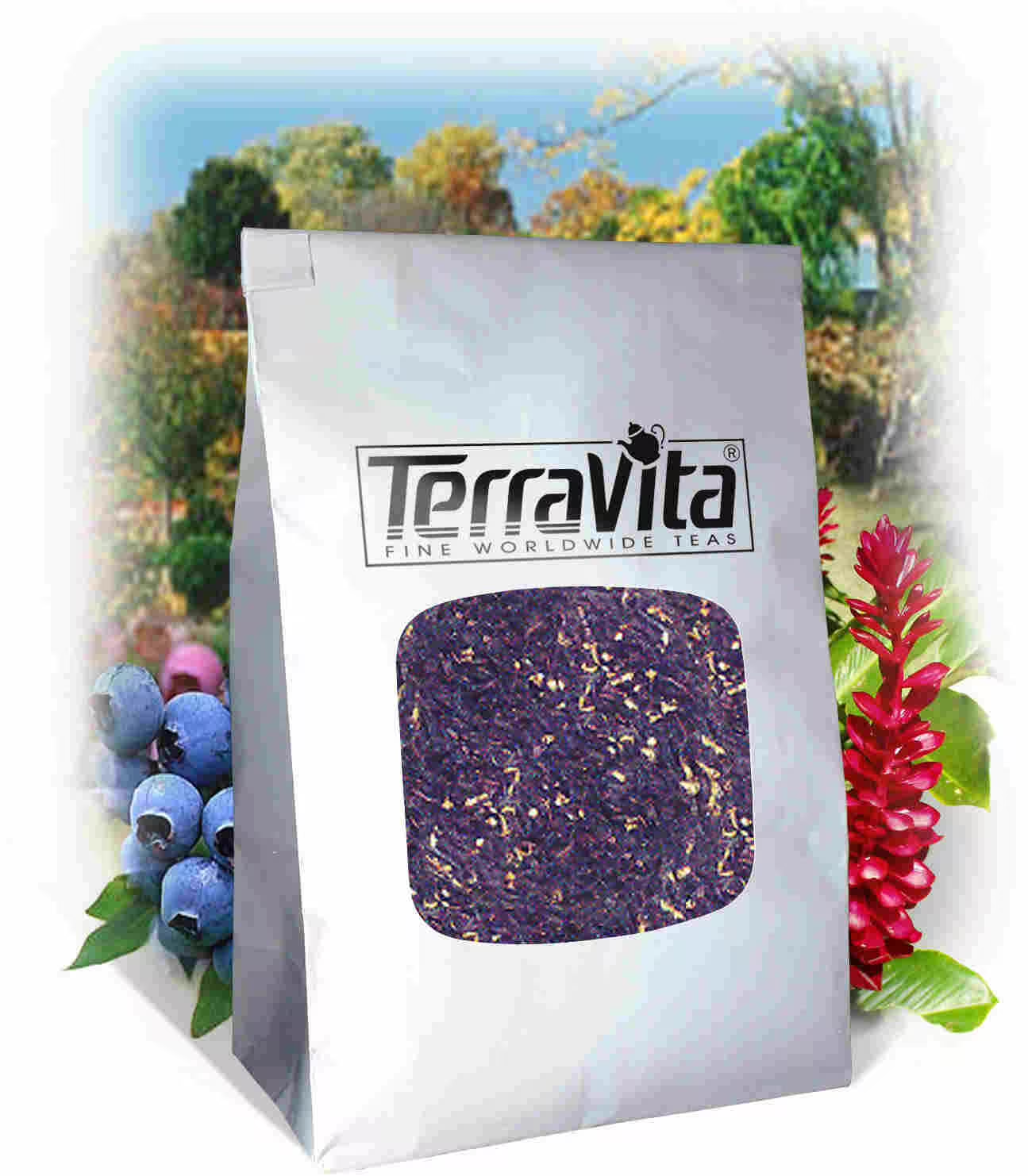
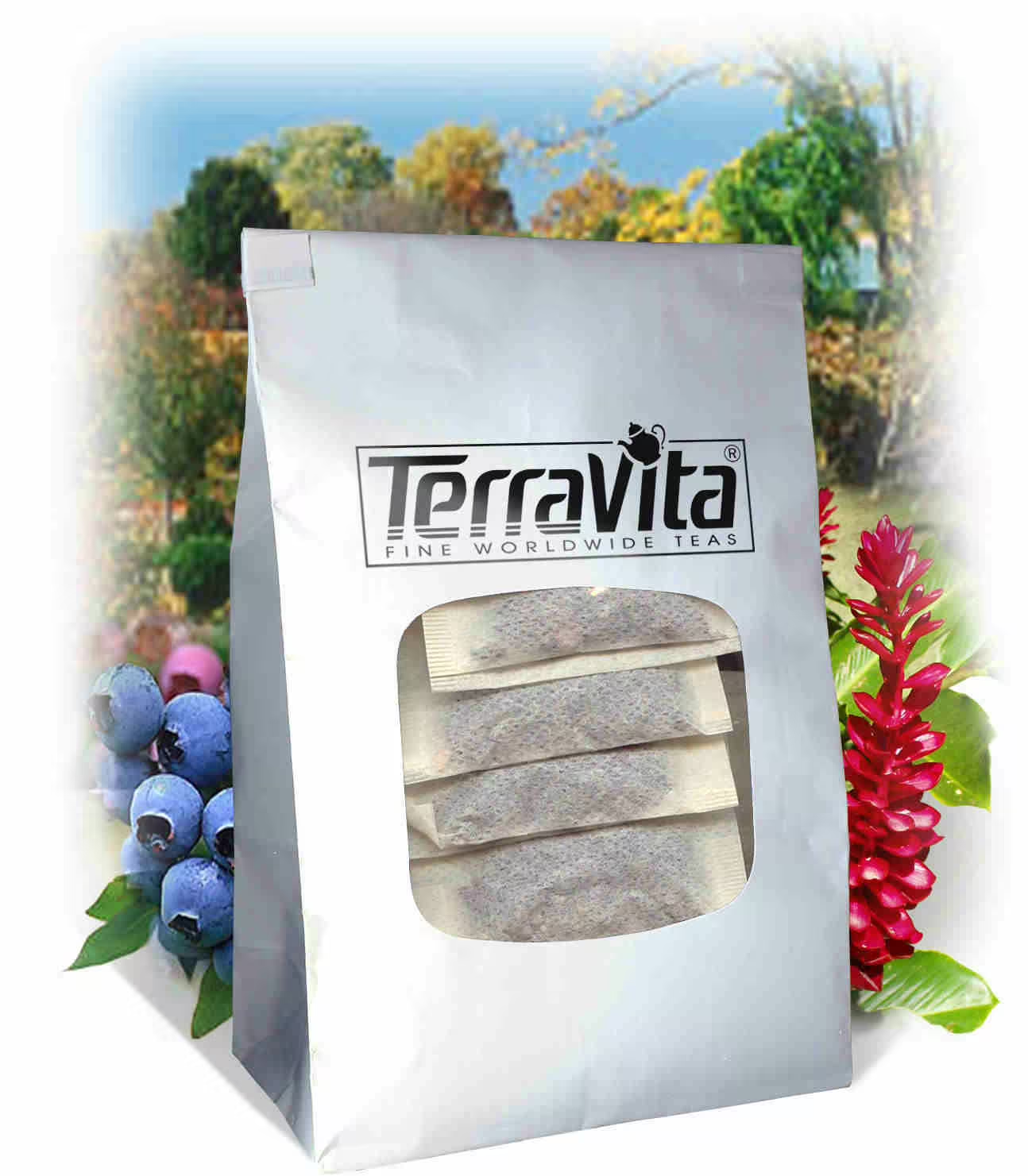
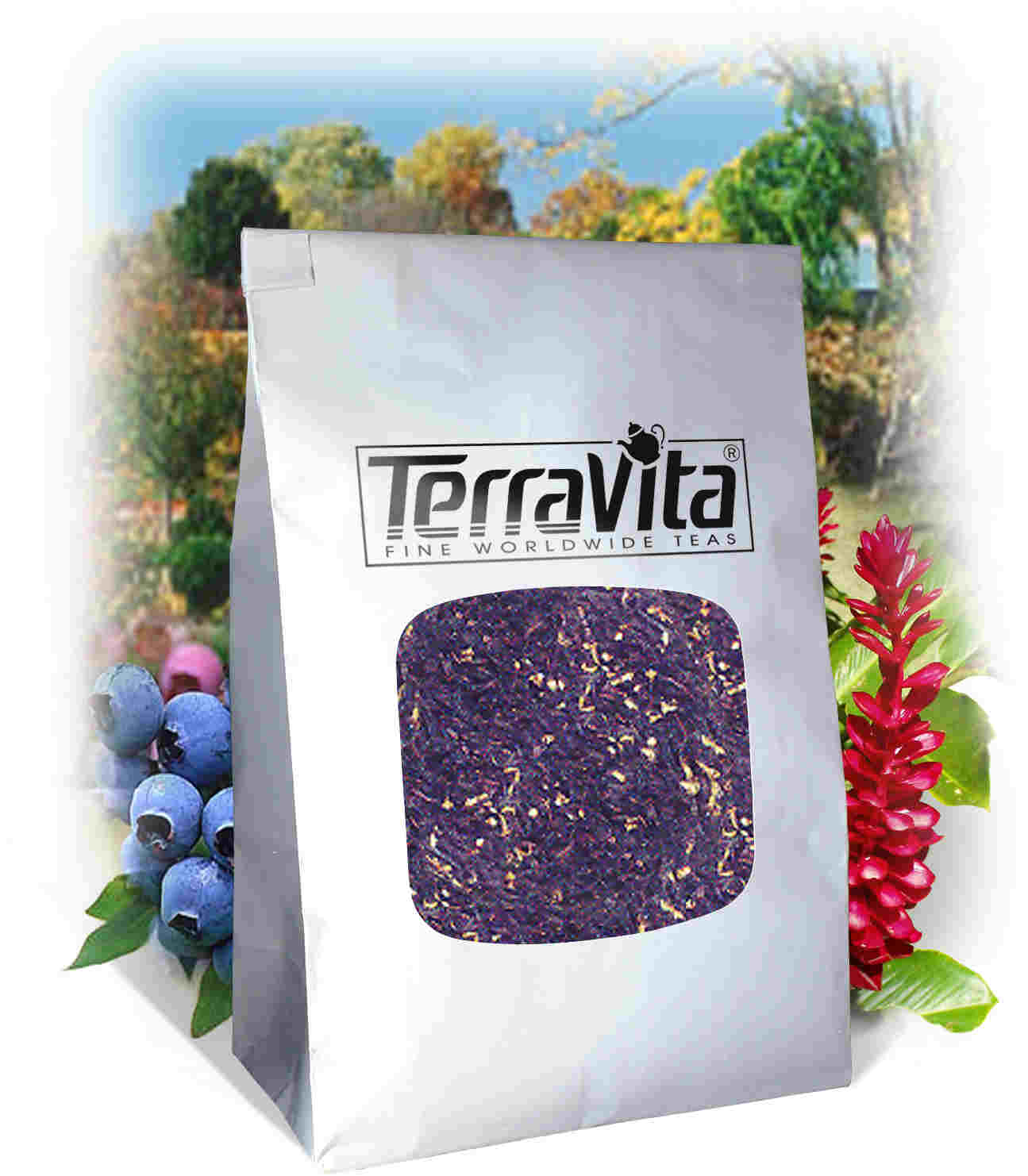
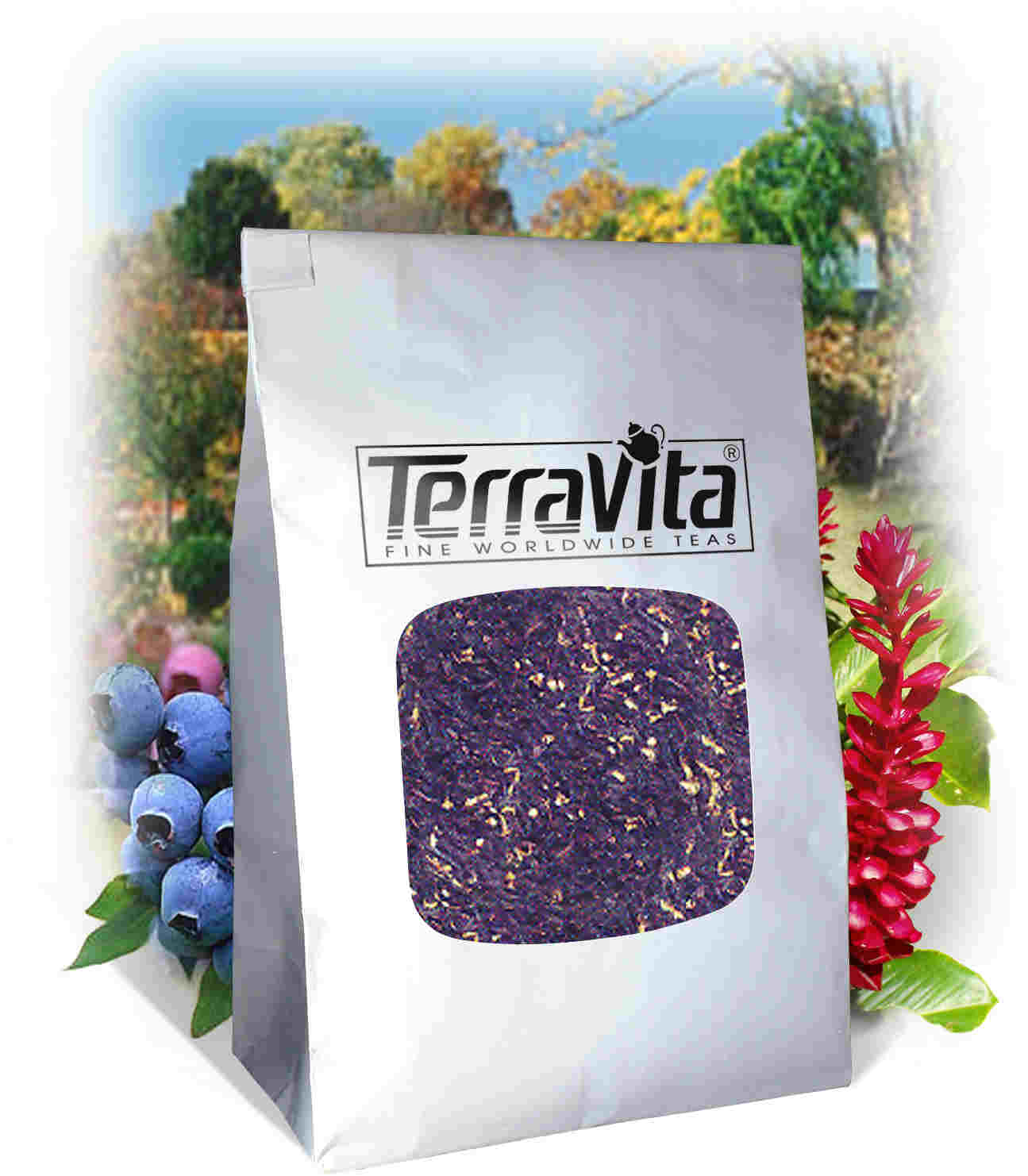
Rose Black Tea
Where Does This Tea Take You? *
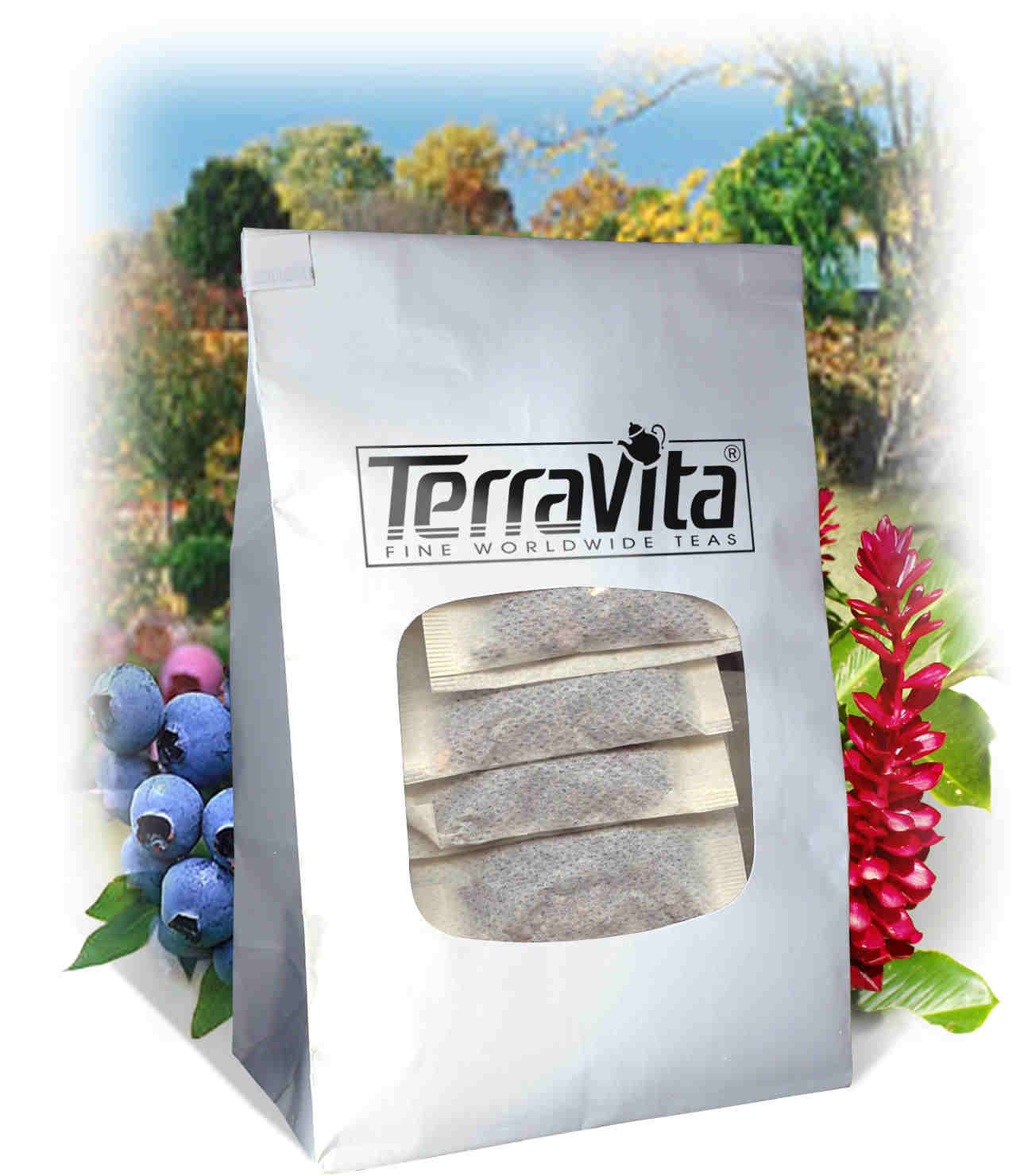
25 tea bags

Rose Black Tea

Enlarge Photo
Additional view #1.
 
We only use high grown Ceylon tea from estates more than 5500 feet above sea level *
We only use natural flavors, giving a clean true taste with no chemical aftertaste *

More Info below.
 
  Our Price: $15.31 US
  
Click button to Buy.  

Specifications

ZIN Product Number: 427335
Size: 25 tea bags
Weight: 0.20 lbs (0.09 KG)
Size (inches): 2.56" X 4.72" X 7.87"
Size (cm): 6.5 cm X 12.0 cm X 20.0 cm

Manufacturer:
TerraVita

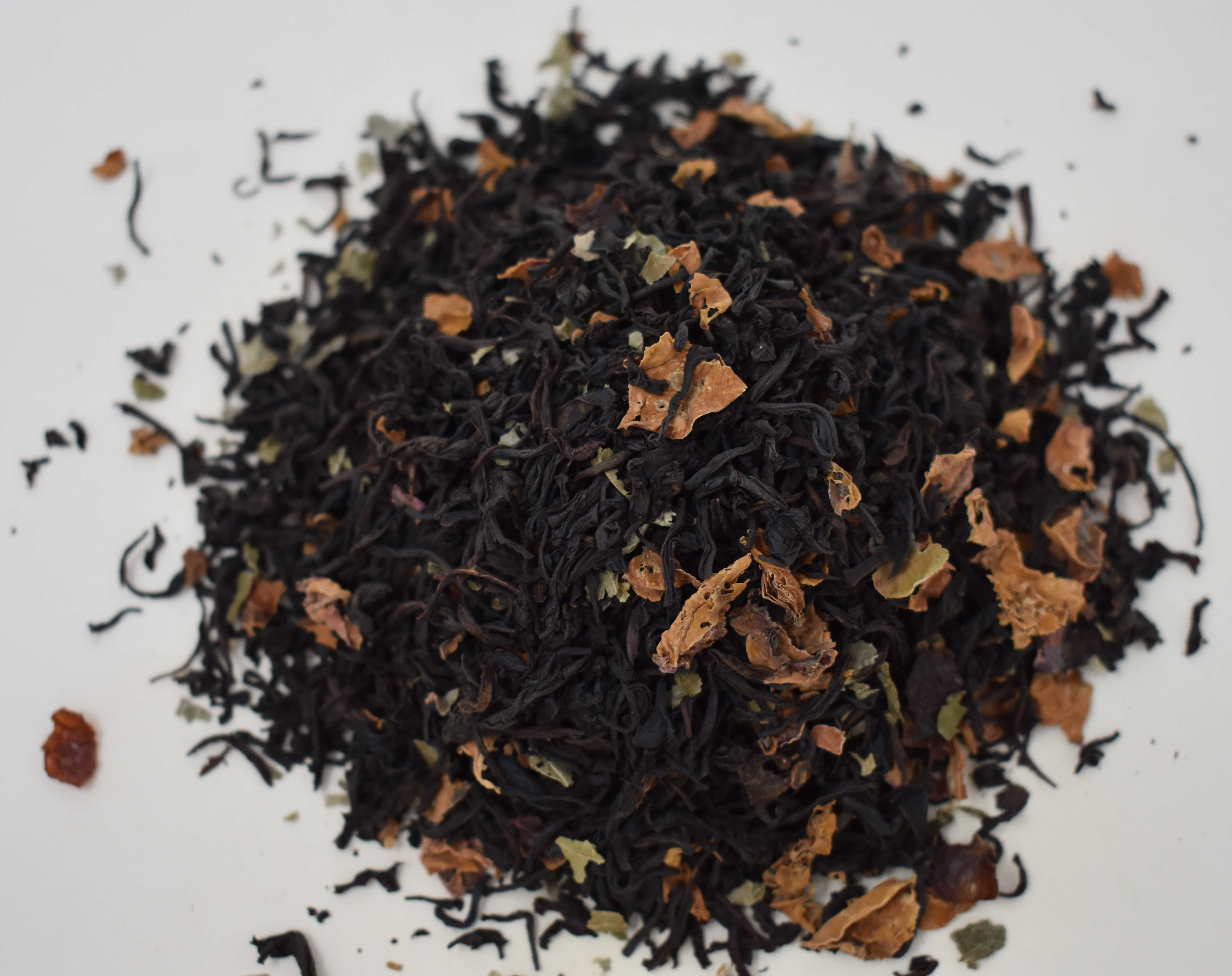
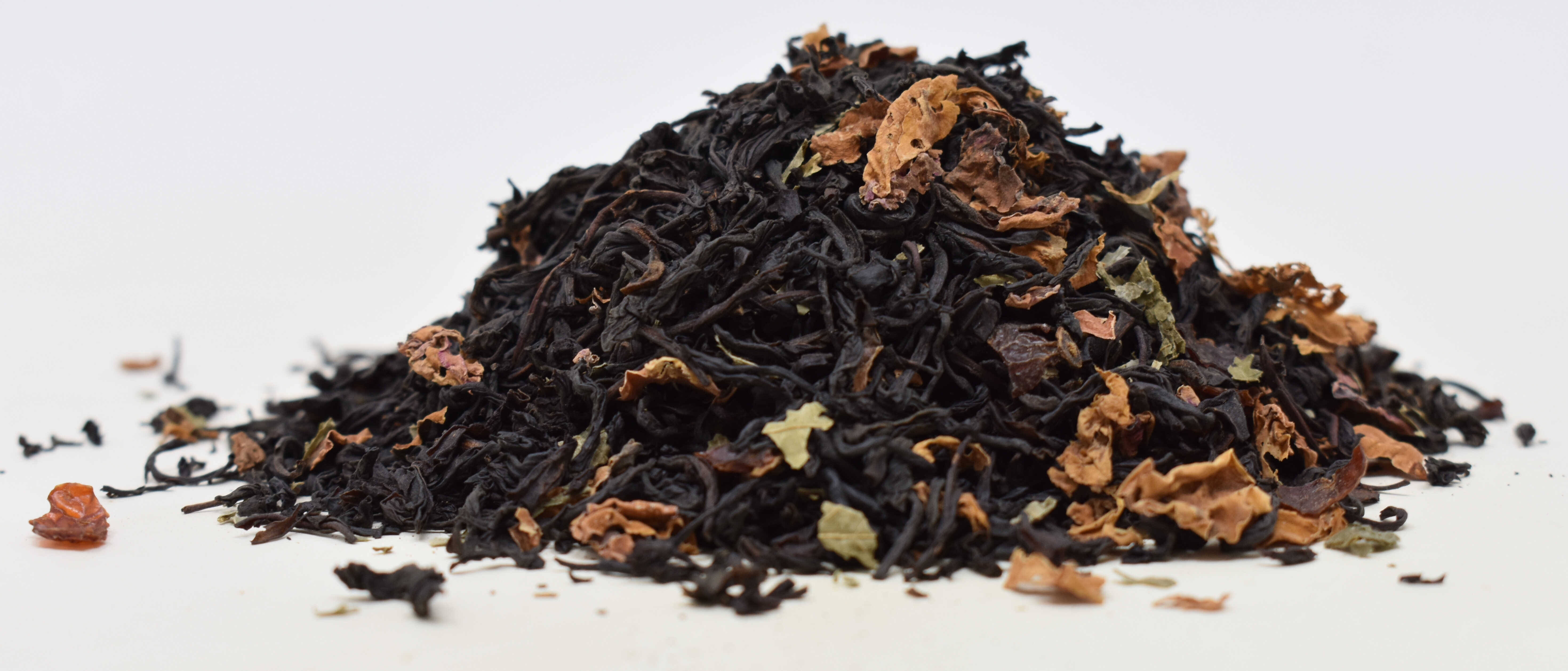
Ingredients: Natural Flavors, Rose, Black Tea

Region: Nuwara Eliya, Dimbula or Uva districts

Grade: Orange Pekoe

Country of Origin: Sri Lanka

* Please Note: This information is based partly on Traditional Medicine which uses natural materials to support health. This information has not been evaluated or approved by the FDA. These statements have not been evaluated by the Food and Drug Administration (FDA). These products are intended to support general well being and are not intended to treat, diagnose, mitigate, prevent, or cure any condition or disease. If conditions persist, please seek advice from your medical doctor.

Description

June is rose month - but this lovely tea is perfect for sipping any time of year.

In fact, for those of us who live in colder climates, winter might be more appropriate. The reason? This tea has the ability to make any room burst with the aromas of the arrival of spring.

Rose tea however, is not a new arrival to the world of tea. In China they have been drinking rose scented tea for millennia. In Britain, rose tea has been a staple of garden parties since the days of Queen Victoria. Just brew a cup, close your eyes, and take a sip.

General Herb Information

Rose - Many varieties of roses are grown not only for their beauty in the garden and for bouquets and flower arrangements, but also for their use in industry, medicine and to some extent in culinary dishes. The most common for these purposes are the very fragrant four: Apothecaries' Rose or Rose de Provins (Rosa gallica), Cabbage Rose or Provence Rose (R. centifolia), Dog Rose or Wild Brier (R. canina) and Kazanlik (R. damascena trigintapetala), a variety of Damask Rose (R. damascena).

Propagation: By grafting.

Nature of Plant: Apothecaries' Rose grows to 4 feet, flowers are single and of a purplish red color, very fragrant when dried;

Cabbage requires heavy fertilizing and close pruning, flowers about 3 inches across and each has 100 or more petals, must be seen fully opened to be appreciated, pink and droop heavily from stem;

Dog is a shrub with long curving branches sometimes to 10 feet, flowers are white or pink, single, and about 2 inches across, much used as stock for grafting;

Kazanlik is a rosy pink semi-double flower of 30 petals as the botanic name (trigintapetala) indicates, source of Attar of Roses.

Spacing of Mature Plants: For most roses of these types 3 feet is a minimum and 4 or 5 feet much better.

Cultural Requirements: Many books have been written on rose culture and these should be consulted; in general they require a firm or clay soil, well-enriched and well-drained and during the growing season should be further enriched and well watered; they should be in a bed by themselves away from roots of trees and dripping roofs; the sunniest spot in the garden will produce the most fragrant blooms; in cool climates, they should be mulched after a final digging in of manure.

Uses

Flower: Apothecaries' (Medicinal) Astringent, in eye lotions; (Culinary) in conserve; Cabbage (Industrial) rose water, Attar of Roses, this Attar with sandalwood and a fixative makes Essence of White Rose, not caustic and stronger than carbolic acid as a germicide and is non-irritating and not poisonous, soap, confectionery and to flavor some types of tobacco; (Medicinal) as a gentle laxative; Kazanlik (Industrial) Attar of Roses;

Fruit: Dog (Culinary) Conserve of roses; (Medicinal) medium for making drugs into pills, an excipient.


Rose
Rosa
(Apothecary's Rose or Red Rose of Lancaster: Rosa gallica officinalis; White Rose: Rosa alba semi-plena; Damask Rose: Rosa damascena)

Medicinal Usage

Rose petals were used to treat diarrhoea, bronchial infections, coughs and colds, chest complaints, nervous tension and lethargy. The distilled water was prescribed for eye inflammations, to refresh the spirits and to strengthen the heart. Rose oil was applied to chapped skins. Gerard said that roses "staunch bleedings in any part of the body."

Culinary

Rose petals, in addition to being added to salads, were crystallized and made into syrup, jams, preserves, and vinegars. Rose water was used to flavour confectionery, jellies, sauces, and sweet and savoury dishes.

Miscellaneous

Roses have been cultivated for their fragrant beauty and medicinal properties for thousands of years. The oldest cultivated rose is thought to be the red Rosa gallica, the ancestor of all medieval roses in Europe. Possibly introduced into Britain by the Romans, it was known to the Anglo-Saxons and listed by Aelfric. During the Middle Ages the noble house of York adopted the white rose as its emblem and the house of Lancaster the red: the fifteenth-century conflict between them being the Wars of the Roses. In addition to being the emblem of England, the rose is a symbol of love, and of secrecy (things spoken of under a rose carved on the ceiling of dining-rooms were sub rosa, 'under the rose', and in strict confidence). The damask rose, one of the most fragrant of roses, was introduced into medieval England from Persia by returning Crusaders. Its petals produced the oil, attar of roses, used for flavouring and perfumes. Rose petals were also used in soaps, cosmetics and pot-pourri.
 

User Group Forum
Share your questions and information with the ZooScape community!
Be the first to post!


Directions

Hot tea brewing method: Bring freshly drawn cold water to a rolling boil. Place 1 tea bag for each cup into the teapot. Pour the boiling water into the teapot. Cover and let steep for 3-7 minutes according to taste (the longer the steeping time the stronger the tea). Even though milk and a dash of sugar help enhance the flavor character on this tea, it is perfectly acceptable to consume this tea "straight-up."

Iced tea brewing method (to make 1 liter/quart): Place 6 tea bags into a teapot or heat resistant pitcher. Pour 1 1/4 cups of freshly boiled water over the tea. Steep for 5 minutes. Quarter fill a serving pitcher with cold water. Pour the tea into your serving pitcher straining the bags. Add ice and top-up the pitcher with cold water. Garnish and sweeten to taste. [A rule of thumb when preparing fresh brewed iced tea is to double the strength of hot tea since it will be poured over ice and diluted with cold water]. Please note that this tea may tend to go cloudy or "milky" when poured over ice; a perfectly normal characteristic of some high quality black teas and nothing to worry about!
 

Label Information

Shipping Port: Colombo

Altitude: 4800 - 7600 feet above sea level

Manufacture Type: Orthodox

Cup Characteristics: Think of a bouquet of fresh cut stems. This tea captures the subtleties of Rose incredibly. A real standout. Fabulous over ice

Infusion: Bright and Coppery
 

Additional Information

What type of tea do we use, how do we flavor the tea and why do we use natural flavors?

Firstly...we only use high grown teas from the top 3 tea growing regions of Sri Lanka - Nuwara Eliya, Dimbula and Uva. These three high-grown districts produce flavorful teas that have classic "Ceylon" tea character which is noted by floral bouquet and flavor notes, touches of mild astringency, bright coppery color and, most importantly - perfect for use as the base tea of our flavored teas. (We have tested teas from various other origins around the world as base stock for our flavored teas, but none of these teas made the grade. We may pay more for high grown Ceylons, but the taste is worth it).

Dimbula and the western estates of Nuwara Eliya have a major quality peak during Jan/Feb, whereas Uva and the eastern estates of Nuwara Eliya have their peak in July/Aug. This "dual peak period" allows us to buy the best for our flavored tea blends several times during the year, ensuring top quality and freshness.

Secondly...we use flavoring oils not crystals to give the tea drinker an olfactory holiday before indulging in the liquid tea treat.

Thirdly...we specify natural flavors. High quality tea tastes good and natural flavors do not mask the natural taste of the high grown Ceylon tea. (The norm for many making flavored tea is to use overpowering artificial flavors which can be used to hide lower quality tea). Natural flavors do not leave an aftertaste giving the tea a clean and true character. It should be noted that natural flavors tend to be somewhat "soft" and the flavors slightly muted, but for many this is a refreshing change and one of the desired attributes of our naturally flavored teas.

Now you can sit back and enjoy the fruits of our labor (or should we say flavor) knowing that we have formulated the best flavored teas that are available.

ZooScape is proud to be the exclusive distributor of TerraVita teas, herbs and supplements in the United States, Canada and around the world. Please direct all wholesale and bulk inquiries to Simona Heather at 905-494-1785.


Share Your Review!

Click here to share a review!

Number of Reviews: 3    Average Rating: 4.0

review  Rose Black Tea

-- Anonymous


excellent  Rose Black Tea

-- Anonymous


good value!  Rose Black Tea

-- Anonymous


  Our Price: $15.31 US
  
Click button to Buy.  


   People Like You Also Bought...

You may also be interested in:
 
Five Herbs Tea
 
Five Herbs Tea
A-Z Browse!
Vitamins (A-Z)
Herbs (A-Z)
Homeopathy (A-Z)
Essential Oils (A-Z)
Health Interests (A-H)
Health Interests (I-Z)

Share A Review!
Number of Reviews
for this Product:
3
Average Rating
for this Product:
4 Stars
AwfulWonderful  

1

2

3

4

5

Happy Customers
Chisunga Tea
Its the real thing
TerraVitaThis rich, full bodied tea is what I grew up drinking in Malawi. I am SO thankful I can purchase it  [continues ...]

-- Annette

Chisunga Tea

 
Coronation Tea
Coronation Tea
TerraVitaIt is almost impossible to get this delicious tea elsewhere. Many thanks for your excellent product  [continues ...]

-- Leslie

Coronation Tea

Bestsellers!
Cherry Rose Rooibos Tea

TerraVita

 
Rose Buds and Petals Tea (Loose)

TerraVita

 
Rose Black Tea (Loose)

TerraVita

News!
"Paddy Power eyes new businesses."
March 5, 2007
BBC News
Related to: Rose


"International community perceives renaissance in Bangladesh: Foreign Advisor."
March 5, 2007
Xinhua
Related to: Rose


"Four people killed, 38 injured in Baghdad car bombing."
March 5, 2007
Xinhua
Related to: Rose


Your Special Deal!
Apple Cider Vinegar with Bromelain and Apple Pectin - 600 mg

TerraVita

Save $3.88
Price: $11.63 US


Make $1 per sale -
Link to ZooScape.com!


These statements have not been evaluated by the Food and Drug Administration (FDA). Products are intended to support general well being and are not intended to treat, diagnose, mitigate, prevent, or cure any condition or disease. If conditions persist, please seek advice from your medical doctor. The essence of the current American rule on Traditional Uses is, as stated by FTC, "Claims based on historical or traditional use should be substantiated by confirming scientific evidence, or should be presented in such a way that consumers understand that the sole basis for the claim is a history of use of the product for a particular purpose."
FTC - Dietary Supplements: An Advertising Guide for Industry


Sign In  |  Shipping  |  Returns  |  Where to Buy  |  About Us  |  Contact Us  |  1-800-760-8783
ZooScape.com

Copyright 1995 - 2009 - ZooScape.com
 
ZooScape.com