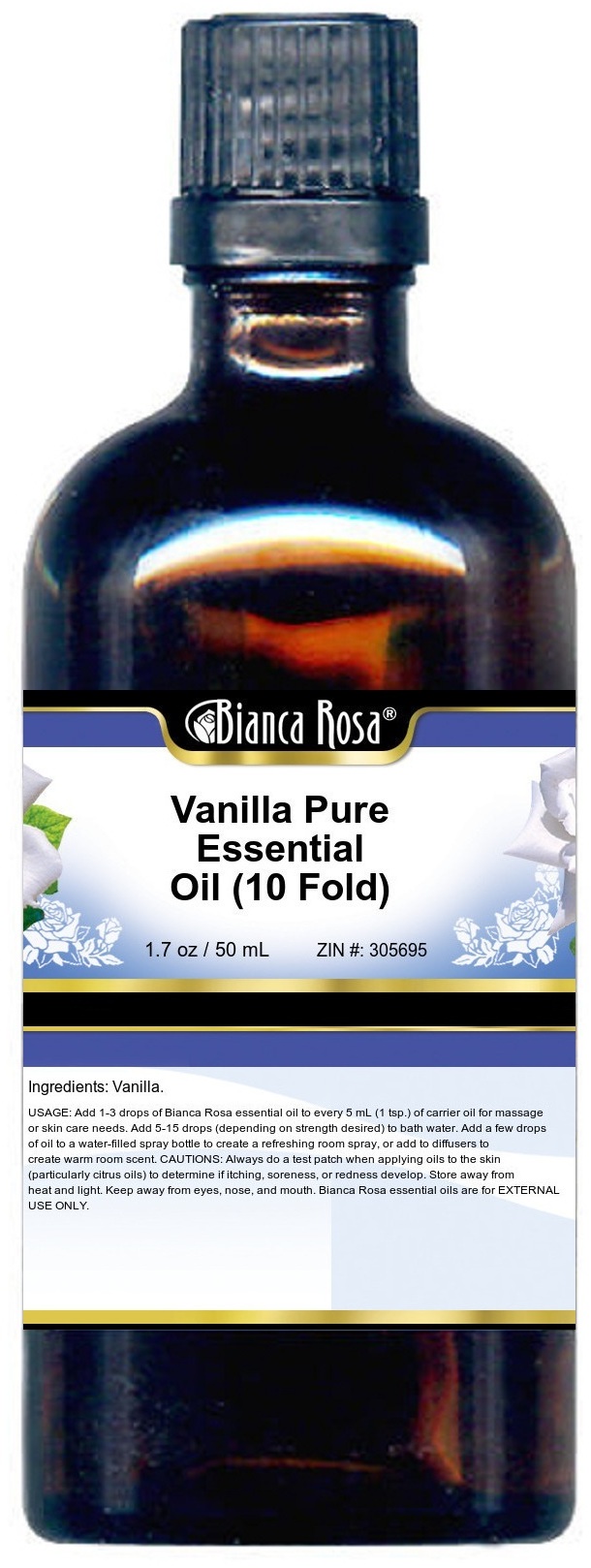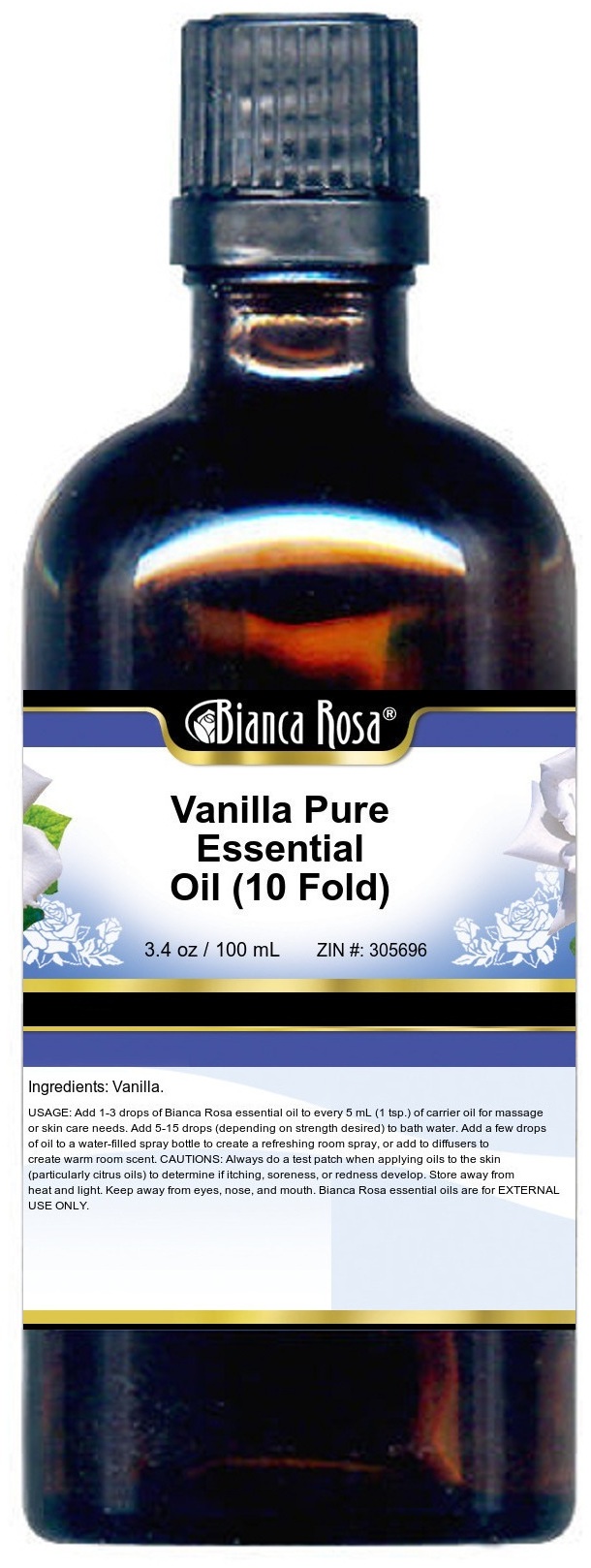
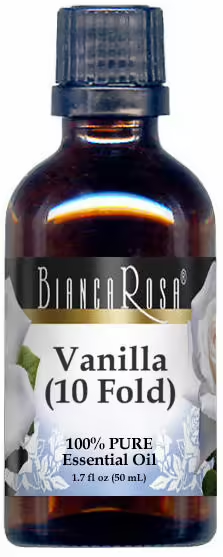
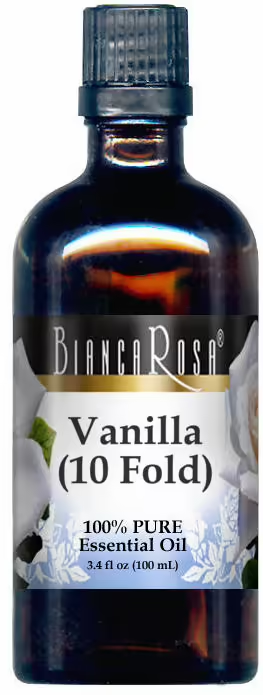

The familiar base-note scent of vanilla is sweet, balsamic, heavy, and warm, and has an odor intensity of about four out of five. Blending companions for vanilla include florals, woods, citrus, and spices. Vanilla exhibits sedative and antidepressant...
* Please Note: This information is based partly on Traditional Medicine which uses natural materials to support health. This information has not been evaluated or approved by the FDA. These statements have not been evaluated by the Food and Drug Administration (FDA). These products are intended to support general well being and are not intended to treat, diagnose, mitigate, prevent, or cure any condition or disease. If conditions persist, please seek advice from your medical doctor.
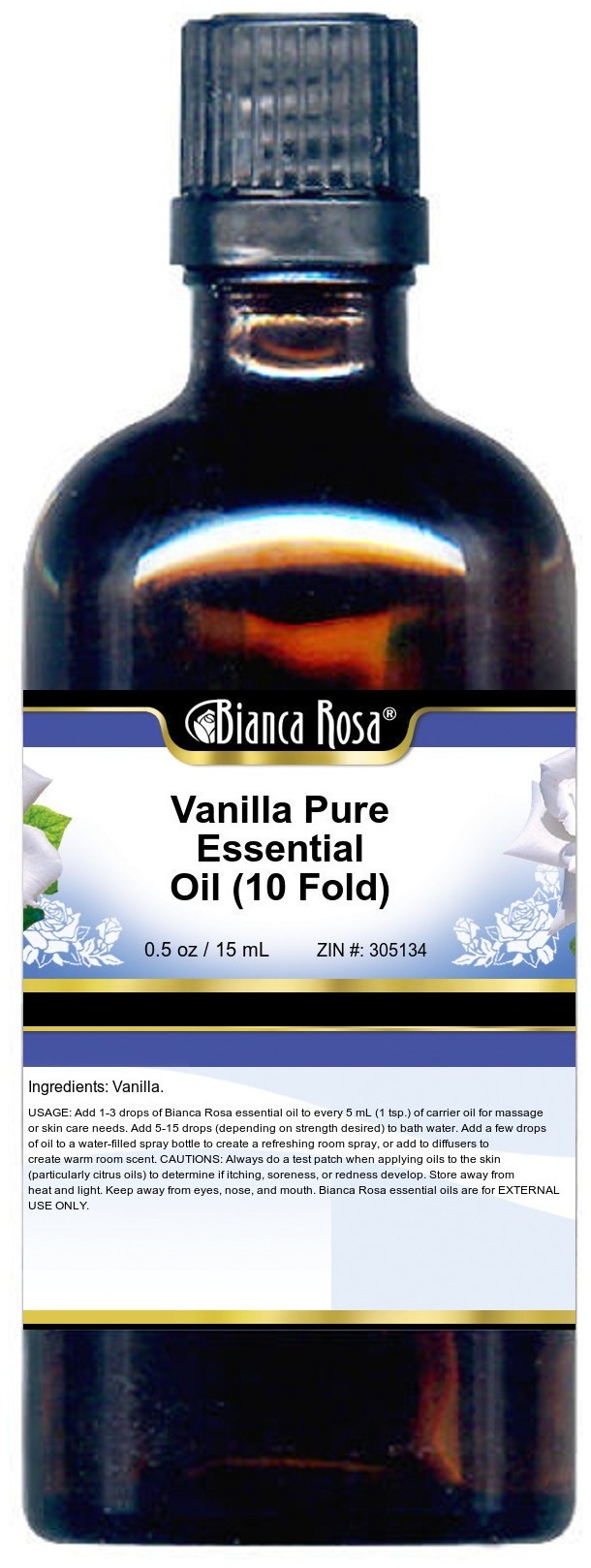
Description
The familiar base-note scent of vanilla is sweet, balsamic, heavy, and warm, and has an odor intensity of about four out of five. Blending companions for vanilla include florals, woods, citrus, and spices. Vanilla exhibits sedative and antidepressant actions. Emotionally, the scent can convey comfort, nurturing, and security; it fosters maternal instinct, builds confidence, and softens frustration and anger. Vanilla is the only edible orchid in the world. It is native to Central America where its only natural pollinator, the melipone bee, is found. It is now grown in Tahiti, Madagascar, and Indonesia, where its cultivators rely on hand pollination. It is undeniably a comforting scent for children. Vanilla (Vanilla plantifolia)
Plant Family
Orchidaceae.
Description and Distribution
An exotic climbing orchid with greenish-yellow or white flowers. The green vanilla pod or bean grows to 10 inches (25 cm) and contains a mass of tiny seeds. The plant contains no essential oil: its taste and aroma come from the vanillin crystals which form on the surface of the pod after fermentation. This consists of alternate sweating and drying which can take anything up to five or six months, by which time the pods are soft and very dark brown. Vanilla is native to Central America and Mexico; it is also grown in other tropical areas such as East Africa and Indonesia.
Extraction Method
Solvent extraction of the 'cured' pods or beans. Unlike most other solvent-extracted aromatics, the alcohol used in the process is not evaporated. The final product contains about 30 per cent alcohol and is known as a resinoid rather than an absolute.
Nature of the Oil
A dark brown viscous liquid with a sweet, smooth balsamic aroma, characteristically vanilla. Its odour effect is warming, comforting and gently stimulating; a reputed aphrodisiac.
The medicinal value of vanilla is rarely acknowledged today, but it was at one time considered to be a stimulant, an aid to digestion and to arouse sexual desire, especially in women.
Aromatherapeutic Uses
Not usually used in aromatherapy, mainly because it is extremely expensive and also because it is not a true essential oil. However, it can be vaporised as a mood-enhancing room scent. Alternatively, you may wish to make your own infused oil of vanilla which can be used as a base oil for massage.
Blends Well With
Citrus essences, cedarwood, coriander, frankincense, jasmine, rose, sandalwood, vetiver, ylang ylang. The substance is highly odoriferous, so use sparingly. Although concentrated vanilla extract is not entirely soluble in vegetable oil, it can be used in oil-based perfumes and massage oils as long as the mixture is shaken each time before use. For professional perfumery work, the substance is usually diluted in pure alcohol.
User Group Forum
Share your questions and information with the ZooScape community!
Be the first to post!
Directions
All pure essential oils should be used with care. Do not apply directly into skin. A 2% dilution of essential oils to a base of carrier oil or lotion is recommended for all skincare and massage preparations.
Cautions
May provoke sensitisation reactions in some people. Always carry out a patch test before use.
Additional Information
Essential Oils by RedSafari.com are 100% Pure Natural Essences derived from the highest quality fruits, flowers, leaves, spices, herbs and roots. Our essential oil distillers and growers are located around the world, operating ethically, organically and chemical-free.
RedSafari.com Essential Oils Are Not Tested On Animals.
These statements have not been evaluated by the Food and Drug Administration (FDA). Products are intended to support general well being and are not intended to treat, diagnose, mitigate, prevent, or cure any condition or disease. If conditions persist, please seek advice from your medical doctor. The essence of the current American rule on Traditional Uses is, as stated by FTC, "Claims based on historical or traditional use should be substantiated by confirming scientific evidence, or should be presented in such a way that consumers understand that the sole basis for the claim is a history of use of the product for a particular purpose."